












Most fitness advice treats tiredness/exhaustion as a simple problem with a simple solution. If you feel lazy, push through. If you feel sore, rest. Real life does not work like that.
Fatigue is not one thing. It does not come from one place, and it does not respond to one rule. Two people can use the same word, exhausted, and mean completely different physiological states.
One may be slightly low on sleep but mentally sharp. Another may be running on stress hormones, poor recovery, and silent under-fuelling.
This article is not about motivation. It examines decision-making around workout fatigue versus laziness, explaining when exercise restores energy and when it subtly contributes to increased fatigue.
Types of Fatigue: Not All Tiredness Is the Same

Before deciding whether to train or rest, the most important question is what kind of tired are you. Fatigue has layers.
1. Normal Workout-Related Fatigue
This is the fatigue most people think they have. It usually feels like:
- Heavy muscles but clear thinking
- Slight reluctance to start, but energy improves after warm-up
- Body feels “worked” rather than drained
- Appetite is normal or slightly increased
- Sleep quality remains normal
This fatigue comes from:
- Muscle micro-damage
- Temporary glycogen depletion
- Nervous system stimulation, not depletion
This type of tiredness is expected in a training routine. Avoiding exercise because of this type of fatigue may lead to inconsistency, not muscle recovery.
2. Systemic or Exhaustion-Level Fatigue
This is often mislabelled as “just tired”.
Psychiatrist Dr. Lisa MacLean explains that this state often includes decision fatigue. “A person with decision fatigue may feel tired, have brain fog, or experience other signs and symptoms of physical or mental fatigue,” she notes. “The phenomenon is cumulative, so that as the person makes more decisions, they may feel worse or more drained as the day progresses.”
This central nervous system fatigue feels like:
- Heaviness of the Whole body, not muscle-specific
- Brain fog, slow reactions, low motivation
- Irritability or emotional flatness
- Poor sleep despite feeling exhausted
- Elevated resting heart rate/variability or breathlessness
- No energy improvement after warming up
This fatigue does not come from yesterday’s workout alone. It is usually a mix of:
- Inadequate sleep over days or weeks
- Chronic calorie deficit
- High psychological stress and cortisol levels
- Hormonal strain
- Poor recovery cycles
Exercising with fatigue does not build fitness. It builds more exhaustion.
When Exercising While Tired Can Actually Help

Not all tired days deserve rest. Some benefit from movement if chosen correctly. Trainer and fitness manager Aubrey Whitehorn frames this balance clearly.
“I tell people that something is always better than nothing,” she says. “But it’s important to understand the difference between pushing past mental resistance and ignoring what your body really needs.”
Exercise when exhausted can help when:
- Fatigue is mainly mental, not physical
- You slept slightly less, but not poorly
- You feel sluggish, not depleted
- Stress levels are high but manageable
- Body feels stiff, not weak
Why this happens is simple physiology:
- Light-to-moderate exercise improves blood flow
- It increases dopamine and noradrenaline
- It enhances insulin sensitivity
- It lowers stress hormone spikes after the session
In these cases, exercise acts like a reset for the body, not a stressor.
Important distinction: This does not mean high-intensity, long-duration, or performance-based training. Helpful forms of workouts include:
- Brisk walking
- Short resistance sessions with lighter loads
- Technique-focused training
- Zone 2 cardio
- Mobility with intent, not stretching for time
If energy improves during the session and remains stable after, the choice was correct.
When You Should Take a Rest Day Instead

Rest days are not a response to weakness. They are a training decision. Whitehorn also emphasizes the role of recovery in progress. “Our muscles and joints tend to progress when we are at rest. Giving the body time to recover not only helps it regain energy but also helps prevent injuries and adapt to stress.”
You should rest when:
- Fatigue has lasted more than 2–3 days
- Performance has dropped despite effort
- Warm-up feels unusually difficult
- Coordination also feels difficult
- Mood is low without a clear reason
- Minor aches are appearing everywhere
- Sleep quality is worsening
The key sign is non-responsiveness. If exercise no longer improves how you feel, stop forcing it.
Another overlooked point: If your only reason to train is guilt, not readiness, it is already a recovery issue.
Key Signs Your Body Is Asking for Rest
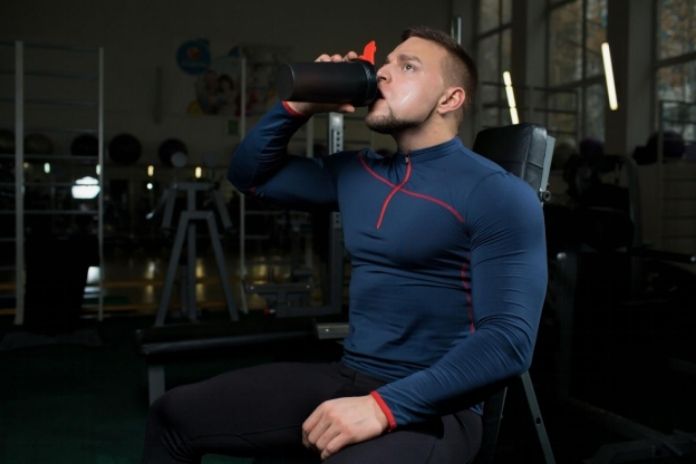
The body rarely speaks for itself loudly. It just gives signals. Here are the signs that you need a rest day:
- Elevated morning heart rate
- Loss of appetite or craving only stimulants
- Increased reliance on caffeine to function
- Feeling tired immediately after waking
- Needing more rest days than usual
- Frequent small injuries or niggles
- Training feels harder at the same load
None of these overtraining symptoms alone demands rest. Together, they form a pattern. Patterns matter more than single days.
Read More: Low Impact Workouts That Burn Calories: 10 Exercises That Torch Fat
The Role of Sleep, Nutrition, and Stress

Exercise tolerance depends less on willpower and more on recovery inputs.
1. Sleep
Sleep deprivation accumulates silently. One short night is manageable, but five sleepless nights are not. Sleep health specialist Dr. Moira Junge describes this as a bidirectional relationship between sleep and exercise. “It is so difficult when you’re not sleeping well to get enough exercise,” she explains. “Good sleep makes it easier to exercise, and regular exercise appears to improve sleep.”
When sleep quality breaks down, the system that allows exercise to be beneficial is already compromised.
If sleep is:
- Less than 6 hours repeatedly
- Fragmented
- Non-refreshing
Your nervous system is already strained. Training in this context builds up more fatigue, not fitness.
2. Nutrition
Many people are not overtraining; they are under-eating while training.
Warning signs:
- Training fasted frequently without adaptation
- Low protein intake
- Low carbohydrate availability
- Sudden weight drops with fatigue
- Cold sensitivity
Exercise demands fuel. Without it, fatigue is inevitable.
3. Stress
The body does not separate stress types. Work pressure, emotional strain, deadlines, and poor sleep all load the same system that exercise uses. If life stress is high, training stress must be adjusted.
Read More: 10 Exercises to Tone Every Inch of Your Body (No Equipment Needed)
Active Recovery vs Full Rest: Choosing the Right Option

Rest does not always mean doing nothing.
1. Choose Active Recovery When
- You feel stiff, not drained
- Mood is stable
- Energy is low-grade, not absent
- Sleep is normal
- Appetite is present
Examples:
- Walking
- Gentle cycling
- Mobility drills
- Light swimming
- Low-intensity yoga (not power-based styles)
2. Choose Full Rest When
- Even light movement feels heavy
- Motivation is absent
- Sleep is poor
- Appetite is suppressed
- Body feels “shut down”
Full rest allows:
- Nervous system recalibration
- Hormonal normalisation
- Inflammation resolution
Skipping full rest when needed delays progress more than resting promptly.
Read More: Daily Exercises to Transform Your Core Beliefs
How Ignoring Exhaustion Can Backfire
Training through exhaustion is often praised. The consequences are rarely discussed.
Long-term effects include:
- Plateaued strength and endurance
- Increased injury risk
- Poor immune function
- Hormonal disturbances
- Loss of training enjoyment
- Dependence on stimulants
- Burnout that forces longer breaks later
Ironically, people who fear missing one workout often lose weeks later. Consistency comes from sustainable recovery, not constant pushing.
Read More: At-Home Strength Exercises Without Equipment: That Actually Work
How to Decide: A Simple Self-Check
Before training, ask these five questions:
- Did I sleep reasonably well last night?
- Is my fatigue muscle-based or whole-body?
- Does movement usually improve how I feel today?
- Am I eating enough to support this session?
- Is my desire to train coming from readiness or guilt?
If at least three answers support training, modify and train. If most answers raise doubt, rest or recover actively. This is not intuition. It is pattern recognition.
Read More: Exercises to Avoid During Menopause: What Movements Could Harm Your Joints, Bones & Hormonal Balance
When Fatigue Signals a Health Issue
Sometimes fatigue is not training-related. Seek evaluation if fatigue is:
- Persistent despite rest
- Worsening without explanation
- Accompanied by weight changes
- Associated with breathlessness
- Linked with mood changes
- Disrupting daily function
Possible contributors:
- Iron deficiency
- Thyroid dysfunction
- Vitamin deficiencies
- Sleep disorders
- Chronic stress response
Training should never feel like survival.
Read More: 7 Exercises to Fix Hunchback Posture and Straighten Your Spine Naturally
Final Thoughts
Exercise is a type of stress, a useful one, but still a stressor. The question is not whether workout or rest days are lazy or disciplined. The real question is whether your body is ready to adapt or asking to recover. Strong training decisions look boring from the outside. But they look smart over time.
- Fatigue has different types, not all require rest.
- Exercise can help with mild tiredness, not deep exhaustion.
- Patterns matter more than single low-energy days.
- Recovery inputs decide training tolerance.
- Rest taken early prevents forced rest later.
References
- Active Health. (2019, November 12). Active recovery for productive rest days. Sport Singapore; Singapore Sports Council
- Badewitz, B. (2025, May 13). Why rest, recovery and sleep matter more than you think. Health and Wellbeing Queensland; Health and Wellbeing Queendland
- Medline Plus. (2022, August 15). Are you getting too much exercise? Medlineplus.gov
In this Article