














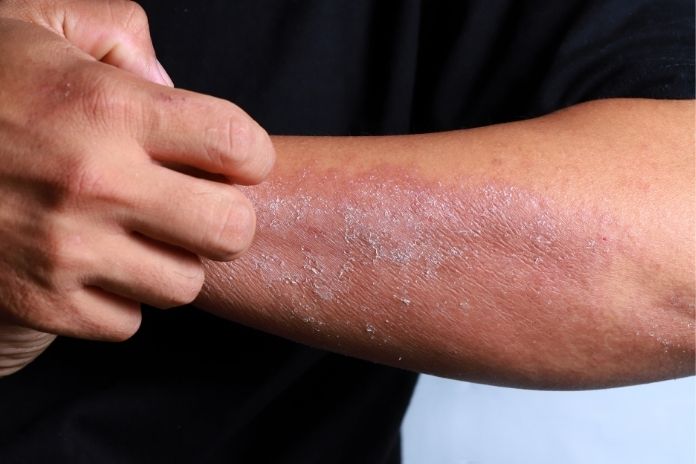
People suffering from Eczema, particularly those with atopic dermatitis, typically have dehydrated skin. Dry or irritated skin is more susceptible to allergens and germs, which can exacerbate eczema symptoms.
Nevertheless, those living with eczema have wondered for a long time if repeated showers or baths are a stressor for their very sensitive skin. Recently, an extensive randomized study, called the Eczema Bathing Study, was conducted to resolve the confusion.
The study was separated into:
- Daily bathing: which is defined as taking a bath or shower six or more times per week.
- Weekly bathing: is taking a shower or bath once or twice a week.
The results provide patients and caregivers with more precise guidance and cast doubt on several long-held assumptions.
Today’s article explains what the research actually found, how that applies to normal people’s skincare, and how you can use the data to determine how many baths to take each week to control eczema.
Read More: 7 Effective Ways to Use Coconut Oil for Faster Relief from Eczema
What We Knew Before — Bathing, Skin Barrier, and Eczema
The National Eczema Association and dermatology guidelines have regularly recommended using lukewarm water, taking short showers or baths (five to ten minutes), and applying a moisturizer immediately to seal in moisture.
Often referred to as the “soak and seal” method, this technique aims to reduce dryness while preserving the skin’s natural barrier.
Recent research, however, raises questions about the long-standing belief in the regularity of bathing for children with eczema. “You have freedom to choose how often you bathe — daily or weekly — without worrying that one option will make your eczema worse,” says Tanya Evans, MD, a dermatologist who wasn’t involved in the new study. Dr. Evans serves as the medical director of the Skin Cancer Program at Saddleback Medical Center in Laguna Hills, California.
Eczema is a general term for a variety of chronic skin disorders, the most prevalent of which is atopic dermatitis, which can cause dry, itchy, inflamed, and pigmented skin. Although it primarily affects children, eczema can also affect adults.
Because of these symptoms, proper bathing is an integral part of eczema treatment. Showering and bathing both work equally well to maintain the skin barrier’s health, helping it retain moisture and keep irritants out. On the other hand, excessive exposure to water or inappropriate bathing might irritate the skin.
Particularly if you frequently get your skin wet without immediately hydrating it. Your skin may feel very dry and irritated due to a loss of moisture. Bathing once a day is suggested. After a shower or a bath, make sure to moisturize.
The New Study — Weekly vs Daily Bathing in Eczema
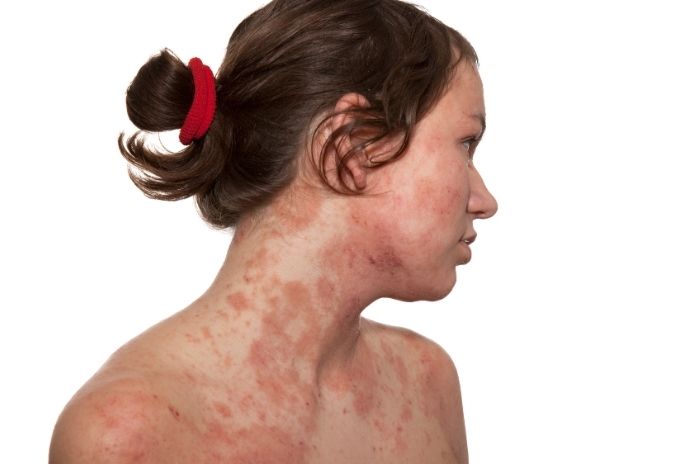
An extensive study found that bathing daily or weekly does not affect eczema symptoms.
People with eczema frequently ask about the best ways to bathe, such as how often to shower.
The ‘Eczema Bathing study’ was designed and prioritized by eczema sufferers in collaboration with researchers at the Nottingham University Hospitals NHS Trust and the University of Nottingham. The National Institute for Health and Care Research (NIHR) funded the study.
In the study, bathing six or more times a week (daily bathing) was contrasted with weekly bathing (taking a bath or shower just once or twice a week).
Four hundred thirty-eight adults and children with eczema from throughout the United Kingdom participated in the study. To make the two groups as similar as possible, the researchers randomly assigned each person to a group.
During the four weeks of the trial, participants continued to use their regular medications and documented their eczema symptoms weekly. The findings generally indicated that the two groups’ eczema symptoms were identical.
Lucy Bradshaw, Lead Author and Senior Medical Statistician at Nottingham Clinical Trials Unit, at the University of Nottingham, said: “The findings of our study are great news for people living with eczema. It means they can choose a bathing frequency that suits them. It was fantastic to work so closely with people living with eczema to co‑design this study. Together, we’re starting to answer questions about living with eczema that haven’t had enough attention in research until now.”
Read More: 10 Everyday Triggers of Atopic Dermatitis (Eczema) Flare-Ups—and How to Avoid Them
Other Bathing and Skincare Factors
Even though the new research suggests that bathing frequency may be more variable than previously thought, bathing technique is still essential for eczema management.
The correct bath products can calm skin, but the wrong ones might irritate it and cause a flare-up. Skin care is essential for treating eczema, and bathing is also necessary for skin care. The water’s temperature might even trigger you.
“In general, washing your skin is necessary for good hygiene; however, people with eczema have a compromised skin barrier and are at greater risk for bacterial colonization and skin infection,” says Adam Wulkan, MD, the director of laser and cosmetic dermatology at Lahey Hospital and Medical Center in Burlington, Massachusetts.
Experts advise people with eczema to bathe or shower once daily. The key advice for bathing with eczema is as follows:
- Instead of using hot water, use lukewarm water.
- Use a mild, dye- and fragrance-free cleanser for sensitive skin.
- Avoid using a loofah or a washcloth to scrub or rub skin.
- Use a cloth to pat the skin dry.
- While skin is still wet, apply a moisturizer.
Additionally, if you have eczema, it is crucial to hydrate your skin after taking a bath or shower. It is a vital strategy for controlling your eczema symptoms. In addition to relieving dryness and irritation, moisturized skin helps to rebuild the skin’s barrier, which keeps allergens and irritants out. The following are essential times to moisturize:
- After taking a bath
- After hand washing
- Whenever dryness or skin itching begins
Make sure the moisturizers you select don’t have any scents.
When Frequent Bathing Might Be Helpful/Needed

There’s no hard-and-fast rule about how often someone with eczema should bathe; in some cases, washing more often may be helpful. Bathing can help gently clear sweat, allergens, irritants, and bacteria from the skin’s surface during a very active flare, especially if the skin is oozing and crusted.
It can ease pain and get the skin ready for moisturizers or medications. To prevent dryness or irritation, you must counteract it with barrier care — i.e., immediately apply moisture.
If you exercise a lot, sweat a lot, or live in hot, humid, polluted places, you should wash more regularly. Washing more often helps keep sweat, dirt, and pollution off the skin, which would otherwise “settle in” and cause possible issues. Maintaining a mild and consistent routine is crucial.
Read More: Glycerin Soap: Benefits, Risks, and Why Dermatologists Recommend It for Sensitive Skin
When to Consult a Dermatologist
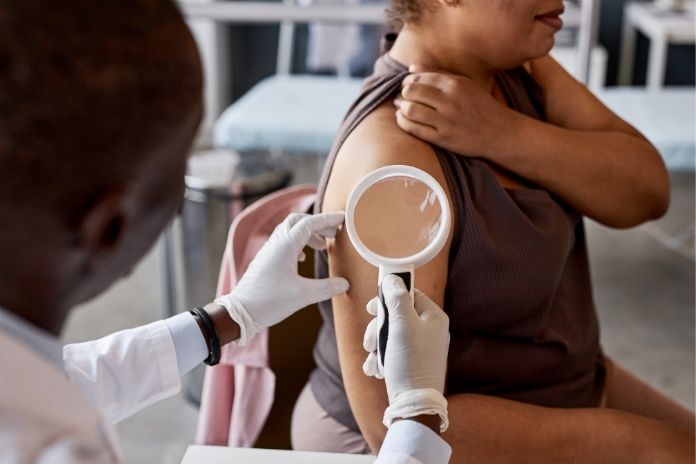
Sometimes, unfortunately, even the best bath and body care routine just doesn’t cut it, and eczema needs the touch of an expert. If your symptoms are causing intense itching, severe redness, or even cracked or bleeding skin, you need a dermatologist to step in. These extreme symptoms can lead to infections and other problems if left untreated.
You might need professional care if over-the-counter options such as moisturizers or hydrocortisone creams aren’t cutting it. Eczema that prevents you from sleeping, working, or enjoying basic activities—and that frequently flares—is also a strong signal to get help.
Advanced treatments from dermatologists go beyond what you can get from the shelves. Doctors may use oral drugs in more extreme situations, but they often prescribe topical medications to relieve inflamed skin and reduce inflammation.
Phototherapy can help improve the condition of your skin and reduce inflammation using controlled UV light. Biologics target the immune system to treat the underlying cause of severe or chronic eczema.
Conclusion
For people with eczema, bathing advice can be confusing. What matters most is how you care for your skin during and between baths—not how often you bathe.
Gentle rituals to help ensure comfort and a healthy skin barrier—like dipping into lukewarm water rather than hot, taking quick dips rather than long soaks, using a very gentle soap or no soap whenever you’re able, and dabbing on that moisturizer regularly—are essential.
It implies that you can decide how often you want to take a bath, whether it’s once a day or just a few times a week, based on what feels reasonable and appropriate for your lifestyle. Keep a close eye on how your skin reacts, and adjust slightly as needed.
Read More: Allergic to Touch? Understanding Dermatographia (Skin Writing Hives)
FAQs
Does bathing less often worsen eczema?
No, bathing or showering does not help with eczema. Potential irritants benefit from it. A consistent skincare and bathing regimen will help you retain moisture and build your skin barrier, regardless of how severe your eczema is. Experts advise people with eczema to bathe or shower once daily.
Will daily showers always dry out eczema skin?
No. If you use lukewarm water, gentle cleansers, keep your showers brief, and moisturize. At the same time, your skin is still damp to preserve the barrier, taking a shower every day won’t necessarily make your eczema worse.
How long should I stay in the bath if I have eczema?
Taking a lukewarm bath every day is crucial for eczema management. Spend ten to fifteen minutes with your youngster in the bathtub.
What cleansers should I use for eczema?
The best eczema cleansers are made especially for sensitive skin, don’t contain soap, and don’t have any fragrance.
References
- National Eczema Association. (Medically reviewed on March 20, 2025). Bathing for eczema.
- Rapid Eczema Trials. Eczema Bathing Study.
- Everyday Health. Korin Miller. (November 13, 2025). Study shows people with eczema can bathe as often as they want.
- Purdue Exponential. (November 12, 2025). What’s better for eczema: Bathing daily or weekly?
- University of Nottingham. (2025, November 10). People with eczema can bathe daily or weekly without worrying about flare-ups. News-Medical.
- La Roche-Posay. (2024, March 28). How to build a skincare routine for eczema.
- Everyday Health. Leslie Barrie. (Updated on June 6, 2024). Shower tips to soothe your eczema.
In this Article