














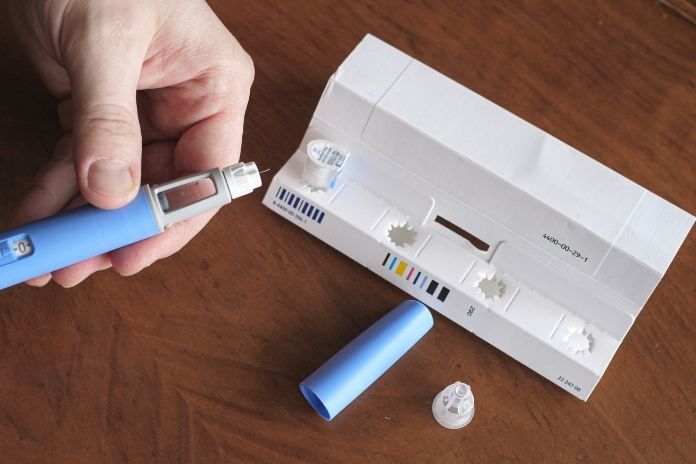
Ozempic and Wegovy have become household names in the worlds of diabetes care and weight management. Both medications contain the same active ingredient, semaglutide, yet serve different medical purposes.
With overlapping benefits and shared side effects, it’s no surprise that many patients are confused about which to use.
In this guide, we’ll break down the key differences in FDA approval, dosage, side effects, benefits, and costs—so you can make an informed decision with your healthcare provider.
Read More: Mounjaro vs. Ozempic: Which Weight Loss Shot Works Better?
What Are Ozempic and Wegovy?
Both Ozempic and Wegovy contain semaglutide, a GLP-1 receptor agonist (glucagon-like peptide-1) that mimics a hormone your body naturally makes to regulate blood sugar and appetite.
How Semaglutide Works:
- Stimulates insulin release after meals to lower blood sugar
- Slows stomach emptying to help you feel full longer
- Reduces glucagon, a hormone that increases blood sugar
- Decreases appetite and supports weight loss
Because of these effects, semaglutide is effective for managing type 2 diabetes and supporting weight loss in people with obesity.
Rybelsus: The Oral Option
Rybelsus is the oral form of semaglutide, FDA-approved for treating type 2 diabetes. It recently gained approval for both primary and secondary prevention of cardiovascular disease in adults with type 2 diabetes, potentially reducing the risk of heart attack, stroke, and cardiovascular death.
Rybelsus must be taken on an empty stomach with 4 ounces of water, and patients must wait 30 minutes before eating, drinking, or taking other medications for proper absorption. This offers a convenient option for those who prefer oral therapy while achieving metabolic and cardiovascular benefits.
An oral version of semaglutide specifically for weight loss is projected to become available in early 2026, pending FDA approval. Reports suggest that the manufacturer has submitted data for a higher-dose formulation than the one currently approved for type 2 diabetes.
Quick Glance: Ozempic vs. Wegovy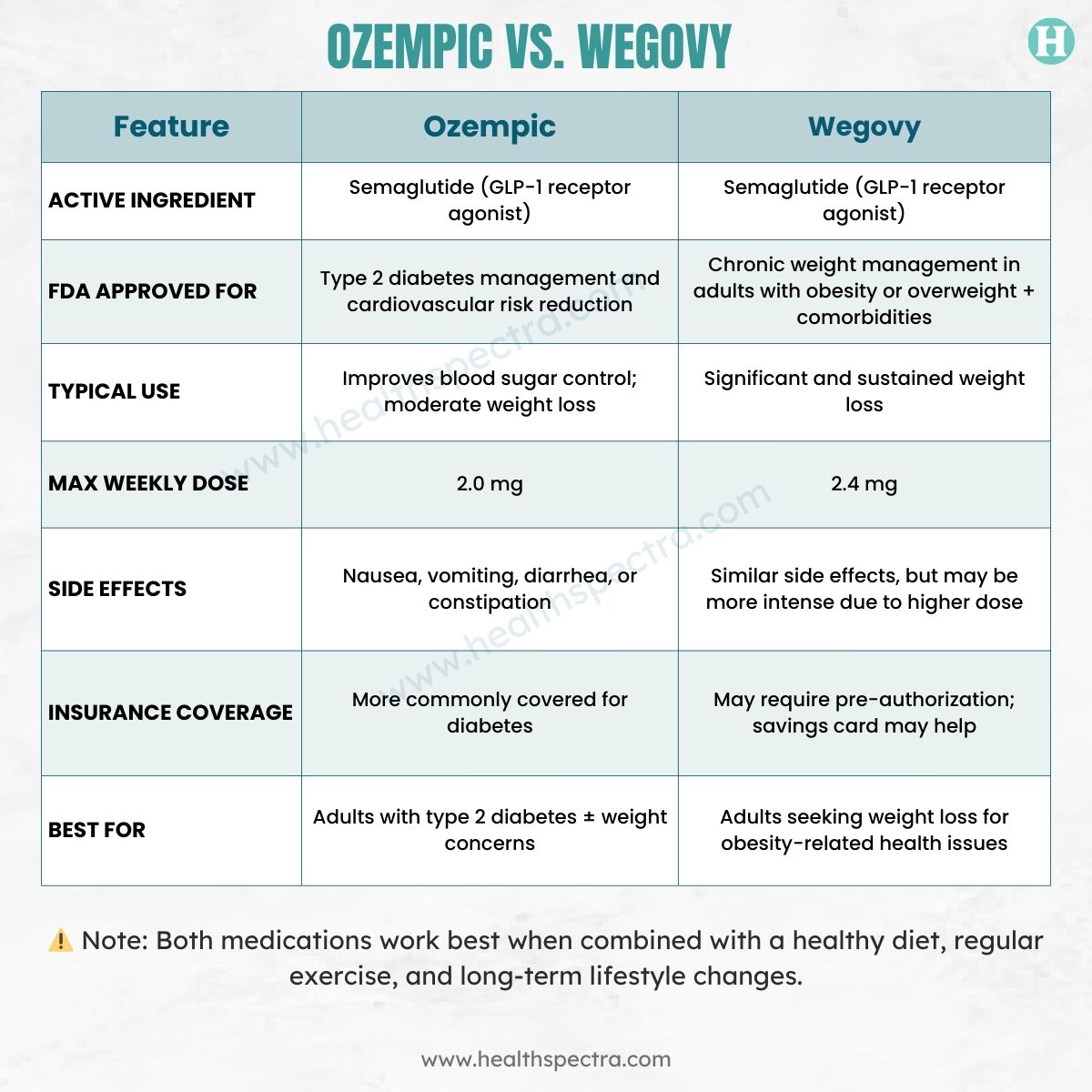
Key Differences Between Ozempic and Wegovy
1. FDA Approval & Primary Use
Ozempic:
- Approved to treat type 2 diabetes and reduce the risk of heart-related events in people with cardiovascular disease (secondary prevention only, patients must have had a prior cardiac event, such as a heart attack, stent placement, or stroke). There is no current primary-prevention approval for heart disease
- Also approved to slow chronic kidney disease (CKD)progression in people with type 2 diabetes
- Weight loss is a secondary benefit
Wegovy:
- Approved specifically for chronic weight management in adults with obesity (BMI ≥30) or those who are overweight (BMI ≥27) with related conditions like high blood pressure, high cholesterol, or sleep apnea
- FDA-approved for MASH (metabolic dysfunction-associated steatohepatitis) with moderate to severe fibrosis (F2-F3), reducing liver inflammation and slowing fibrosis progression.
- Trials indicate that it reduces liver inflammation and slows down the progression of fibrosis. This makes it one of the first effective treatments for this advanced form of fatty liver disease.
2. Dosing & Titration
Ozempic:
- Week 1-4: 25 mg once weekly(starting dose)
- Maintenance: Typically 0.5 mg or 1 mg once weekly
- Maximum: 2 mg once weekly
Wegovy:
- Week 1-4: 0.25 mg weekly
- Week 5-8: 0.5 mg weekly
- Week 9-12: 1 mg weekly
- Week 13-16: 1.7 mg weekly
- Week 17+: 4 mg weekly(maintenance dose)
Wegovy’s higher maximum dose leads to more significant weight loss but also increases the risk of gastrointestinal side effects. The gradual titration schedule helps your body adjust and minimizes discomfort.
3. Delivery Method
Ozempic: Multi-dose pen that allows you to dial and select your dose (0.25 mg, 0.5 mg, 1 mg, or 2 mg). The same pen can be reused over several weeks with a new needle each time.
Wegovy: Single-use, prefilled pen with a fixed dose. Each pen is used once and then discarded.
Some people find Wegovy’s single-use pens simpler and more convenient, while others prefer Ozempic’s multi-dose pen for flexibility and less packaging waste.
4. Cost & Insurance Coverage
Ozempic is often covered by insurance when prescribed for type 2 diabetes. Without insurance, the monthly price ranges from $900 to $1,300.
Wegovy may require prior authorization, and coverage for weight loss drugs varies widely. Patients can pay as little as $0 with insurance, or up to $499 per month with the Wegovy savings card, even if uninsured.
Updated Cash-Pay Prices (effective November 17, 2025):
- Standard cash-pay price for most doses: $349/month
- New patients: First two monthly doses at $199 each (lower doses only: 0.25 mg or 0.5 mg; valid through March 31, 2026)
- Ozempic 2 mg dose: $499/month
Bottom Line: Ozempic and Wegovy are not interchangeable. Your medical condition, health goals, and insurance plan will help determine which one is right for you.
Read More: 10 Foods That Boost GLP-1: The Hormone Ozempic Mimics to Curb Hunger
Which Medication Delivers What Results?
Both Ozempic and Wegovy are used and prescribed for different health goals. And, their real-world results differ in meaningful ways.
Here’s how the benefits compare:
OZEMPIC VS. WEGOVY: KEY DIFFERENCES

| Benefit | Ozempic | Wegovy |
|---|---|---|
| Primary Goal | Blood sugar control (Type 2 diabetes) | Weight loss (obesity/overweight management) |
| Blood Sugar | Lowers HbA1c by 1–1.6% | Can help prevent type 2 diabetes in at-risk patients |
| Weight Loss | ~8-13 lbs (An average of 14 lbs of weight loss over 40 weeks) | 15%+ body weight loss (~30 lbs or more, on average) within a year |
| Heart Health | Reduces major heart risks (as high as 26% ) in people with diabetes and heart disease | Proven to reduce the risk of heart attack, stroke, and cardiovascular death in obese adults. |
| Long-Term Effectiveness | Maintains stable blood sugar with lifestyle support | Helps maintain weight loss over time if used consistently |
| Quality of Life | Improves energy and control over diabetes | Increases mobility, reduces joint pain, improves sleep, and self-esteem |
Takeaway:
- Choose Ozempic if your main concern is diabetes and cardiovascular health
- Choose Wegovy if your primary goal is meaningful weight loss and lifestyle change
Side Effects & Safety

Since both medications contain semaglutide, they share similar side effects, especially related to digestion. These are usually temporary and manageable when the dose is increased slowly.
Common Side Effects (Usually Temporary)
Most people experience mild symptoms, especially in the first few weeks:
- Nausea
- Constipation
- Diarrhea
- Bloating or stomach discomfort
- Feeling full quickly
These side effects tend to improve as your body adjusts. Starting with a low dose and increasing gradually helps reduce discomfort.
Less Common, More Serious Risks
These are rare but important to monitor. Call your doctor if you notice:
- Persistent or severe abdominal pain (could signal pancreatitis)
- Gallbladder problems (like gallstones)
- Symptoms of thyroid issues (lump in neck, trouble swallowing, hoarseness)
Animal studies showed a risk of thyroid tumors, but this hasn’t been confirmed in humans. People with a history of medullary thyroid cancer or MEN2 syndrome should not use these medications.
Tips to Minimize Side Effects
- Take the medication on the same day each week
- Increase dose gradually as prescribed
- Eat slowly and stop when you feel full
- Avoid greasy or spicy foods, especially early in treatment
- Stay hydrated and increase fiber intake
- Talk to your provider if symptoms don’t improve
Dr. Chika Anekwe, Obesity Medicine Clinical Director at Massachusetts General Hospital Weight Center and instructor at Harvard Medical School, points out that there is a common myth that everyone faces major side effects.
“While gastrointestinal side effects like nausea and constipation are common, they are usually temporary and manageable,” she notes.
Who Shouldn’t Use Ozempic or Wegovy?
These medications aren’t for everyone. Avoid these medications if you have:
- Personal or family history of medullary thyroid cancer or MEN2 (Multiple Endocrine Neoplasia syndrome type 2)
- History of pancreatitis
- Active gallbladder disease
- Are pregnant or breastfeeding
- Cannot receive regular medical monitoring for dose adjustments
These medications require regular follow-ups to manage side effects, adjust dosing, and monitor progress. They work best as part of a comprehensive care plan with your provider.
Why Lifestyle Still Matters
Ozempic and Wegovy can jump-start your progress, but they don’t work in isolation. For long-term success, these medications must be paired with sustainable lifestyle changes.
Think of these as a support system, not a replacement for healthy habits.
- Balanced Diet:Focus on high-fiber, protein-rich, nutrient-dense foods while limiting processed foods and added sugars. Smaller portions will feel more filling on semaglutide—let the medication help guide your hunger cues.
- Regular Exercise:Aim for at least 150 minutes per week of moderate-intensity exercise, plus strength training twice a week to preserve muscle and boost metabolism.
- Adequate Sleep:Get 7–9 hours per night to optimize metabolism and hormone control. Poor sleep can trigger cravings and reduce insulin sensitivity.
- Stress Management:Practice mindfulness, meditation, yoga, or other techniques to balance cortisol levels. Elevated cortisol can promote fat storage and emotional eating.
What Happens If You Stop the Medication?
Without lifestyle support, many people regain weight after stopping semaglutide. The habits you build while on the medication are key to maintaining results later.
Bottom Line: These medications make weight loss easier, not effortless. The more you engage in healthy habits, the longer and better your results will last.
Read More: Ozempic and Wegovy Users Warned About Surgery Risks in New FDA Guidance
Real Patient Experiences: What People Are Saying
Ozempic Users
Typical experiences include:
- Steadier blood sugar with more predictable glucose levels within weeks
- Gradual weight loss of 1–2 pounds per week without dramatic diet changes
- Reduced interest in food and feeling full faster
- Digestive issues like nausea or constipation at first, improving with time
“I’m eating less without trying — and my A1C dropped more than a full point in 3 months.” — Ozempic user with type 2 diabetes
Wegovy Users
Common reports include:
- Significant weight loss of 15–20% of body weight over several months
- Better energy and mobility in everyday activities
- Challenging first few weeks with nausea and fatigue during dose increases
- Increased confidence and feeling more in control of health
“I finally feel like my body is working with me instead of against me.” — Wegovy user after 6 months
Support Matters
Whether on Ozempic or Wegovy, most patients agree that support is crucial. Community support through online groups, forums, or even texting with a friend on the same journey can provide motivation and perspective.
If you’re struggling with side effects or motivation, you’re not alone. Talk to your provider early and often.
Conclusion
Ozempic and Wegovy may contain the same active ingredient — semaglutide — but they’re designed for different health goals.
- Choose Ozempic if your focus is on blood sugar control, especially if you’re living with type 2 diabetes or at risk for heart disease.
- Choose Wegovy if your goal is significant, medically supported weight loss, especially if you’re living with obesity or related health conditions.
No matter which path you take, these medications work best when combined with sustainable lifestyle changes, regular check-ins with your provider, and a long-term view of your health.
Next Step: Talk to your healthcare provider about which option aligns best with your medical history, your goals, and your insurance coverage.
With the right plan, you’re not just choosing a medication, you’re choosing a healthier future.
FAQs
- Q: Can I switch from Ozempic to Wegovy?
Yes, with medical monitoring and titration to minimize side effects.
- Q: Are there oral semaglutide options available?
Yes, Rybelsus is an oral semaglutide medication for type 2 diabetes, but not for obesity.
- Q: Will I gain weight if I stop taking Wegovy?
Most patients regain weight unless they consistently maintain lifestyle measures.
- Q: Can I drink alcohol with weight loss medications?
Moderate alcohol use is safe, but it worsens gastrointestinal side effects.
- Q: Do Medicare and Medicaid cover Wegovy?
Currently, Medicare does not cover obesity medications; state Medicaid plans may vary. However, they do cover Wegovy for secondary prevention of heart disease in overweight individuals or for MASH with moderate/severe fibrosis.
- Q: How long until I see improvements from taking Ozempic or Wegovy?
Weight loss usually becomes apparent in 4–12 weeks and gets better over the months.

References
- National Center for Biotechnology Information. (n.d.). Semaglutide for the treatment of obesity (Article PMC9272494)
- European Medicines Agency. (n.d.). Wegovy: EPAR overview.
- Wilding, J. P. H., Batterham, R. L., Calanna, S., et al. (n.d.). Once-weekly semaglutide in adults with overweight or obesity. The New England Journal of Medicine.
- U.S. Food and Drug Administration. (n.d.). FDA approves first treatment to reduce risk of serious heart problems specifically for adults with obesity or overweight.
- Drugs.com. (n.d.). Does Ozempic cause weight loss?
- U.S. Food and Drug Administration. (2023). Wegovy (semaglutide) injection, for subcutaneous use: Prescribing information (Label No. 209637).
- Novo Nordisk. (n.d.). Managing weight with Wegovy.
In this Article