












If the neck of your baby suddenly seems to be darker than usual, it can worry you. This might be especially concerning if the skin looks dirty, stained, or simply different from the rest of the body.
Many parents come across discoloration of the baby’s neck in the first few weeks or months of life and believe that the baby is sick. However, in most situations, this is not a sign of any disease or that the baby is unclean. It is just the baby’s skin that reacts to the folds, moisture, and continuous contact.
Naturally, the babies have short necks and deep creases, and these folds become the place where milk, sweat, lint, and drool are trapped. Such a combination may be looked upon as the baby’s neck turning dark despite regular cleaning.
Sometimes, darkening may result from changes in infant pigmentation as their skin matures. Even minor irritations such as heat, drool, friction, or mild rashes can leave behind temporary, darker patches.
However, parents should be aware of the difference between safe darkening and discoloration that may require consultation with a pediatrician. This manual delves deeper into the causes, red flags, and safe, gentle care tips for every baby.
The Most Common (and Harmless) Reasons for a Baby’s Neck Turning Dark
1. Milk Residue or Drool Build-Up
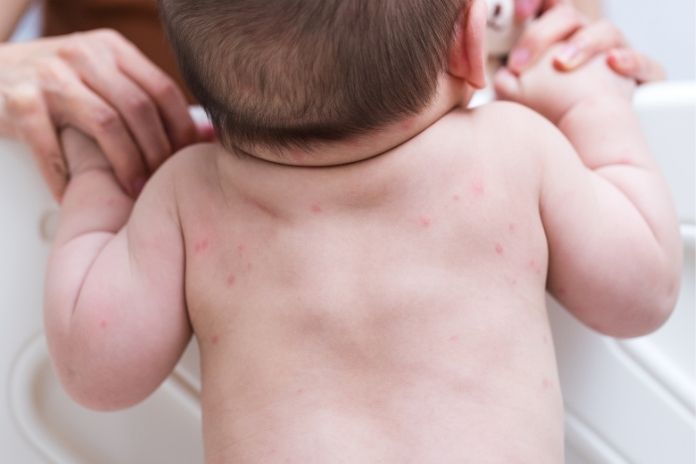
One of the main causes of baby neck discoloration is the accumulation of milk remains in the folds. Babies dribble milk down their necks, especially during breastfeeding or bottle-feeding. Due to the fact that the neck folds are closed, milk can settle, dry, and create a brown or grey appearance.
In case your baby spits up frequently, the residue dries in layers. This, together with natural baby oils, fuzz from clothes, and dried drool, creates a film that looks like a dark patch.
You may notice:
- A brownish-grey area that doesn’t wipe away easily.
- An area or a patch with slight stickiness.
- It might have a mild smell due to dried milk.
- Darker creases that look “dirty” even after baths.
Such milk-related darkening of skin is very typical in infants aged 0–6 months. Also, it is often mistaken for milk rash, yeast infection, or eczema, whereas in fact, it is just a buildup.
2. Poor Airflow in Neck Folds
Babies have chubby neck rolls. Though adorable, these are perfect for trapping moisture. When airflow is restricted, sweat and thus humidity also get trapped between the folds. The combination of moisture and friction causes the baby to have skin irritation and slow darkening.
You will see this more if:
- Baby is chubby or has deep creases.
- Baby sleeps with chin tucked in.
- The weather is summer or humid.
- Baby is overdressed or drools heavily.
Since the skin is always tightly pressed together, the area becomes darker. Similar to the inner thighs or underarms of adults that have been subjected to friction. This type of pigmentation is safe and reversible.
3. Simple Skin Pigmentation
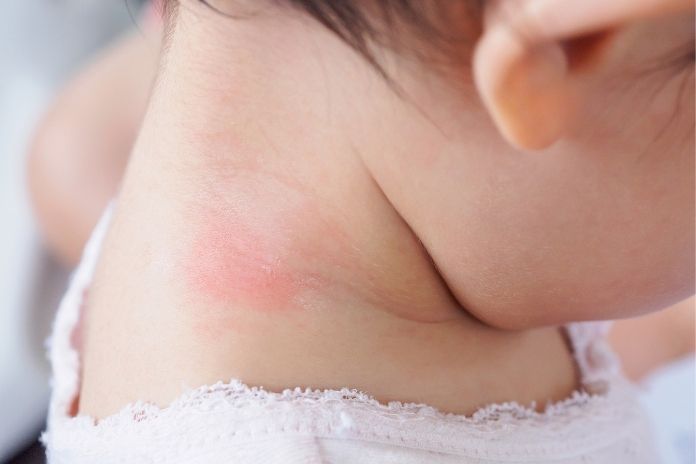
Some infants face darkening of their neck folds as they grow, even without skin irritation. This is one of the most typical baby pigmentation changes and is particularly common in babies having medium to dark skin tones.
Melanin production increases in the first few months of life. And parts of the body with creases, including the neck, armpits, groin, and behind the knees, may appear slightly darker.
What makes this safe:
- The skin is smooth, with no rashes or bumps.
- There is no skin odor.
- The skin color is uniform and not patchy.
- Baby is comfortable and happy.
Such natural pigmentation may become lighter or darker as they grow, or the fold areas may remain naturally deeper in color.
4. Heat Rash (Prickly Heat)
Heat rash, or prickly heat, is one of the most common reasons for dark neck in babies. It is a condition in which sweat gets trapped under the skin, leading to the formation of tiny red bumps, mild inflammation, and irritation. Eventually, the inflammation heals, and the skin in that area may look darker, which is quite common in babies with more melanin.
Heat rash comes more often:
- When it is hot and humid.
- Baby is overdressed.
- Baby sleeps in a warm room.
- Baby has multiple deep neck folds.
There is frequent sweating during feeds
After the rash heals, post-inflammatory pigmentation temporarily darkens the area.
Read More: Heat Rash: Causes, Symptoms, Treatment, and Prevention
Skin Irritation or Minor Infections That Can Cause Dark Neck Folds
1. Fungal Infection (Yeast/Candida)
Among the medical causes of a baby’s persistent neck rash and discoloration, a fungal infection tops the list. Candida is the main cause and grows rapidly in moist, warm places. And the neck folds of your baby are one of the warmest areas.
This condition is more likely to appear in babies who drool a lot, have reflux or frequent spit-ups, live in hot climates, or wear tight collars.
A yeast infection may present itself as:
- Bright red or shiny rash
- Skin that is moist and glistening
- Small bumps on the edges
- Strong odor
Discoloration can be brown or a deeper tone after healing
At first, babies are not uneasy. However, when the area becomes sore, they may cry when the neck is touched.
2. Eczema in Neck Folds
Eczema is most common on a baby’s cheeks, folds, and creases. When it comes to the neck, it may be presented by:
- Dry patches
- Rough, thickened skin
- Redness that becomes darker as it heals
- Itching
Since eczema leads to inflammation, the area often becomes darker afterward due to post-inflammatory hyperpigmentation. This may make you think of dirt or infection as the reason for the baby’s neck turning dark. However, it is just the skin’s healing response.
3. Contact Dermatitis
Babies can get a reaction from anything that comes into contact with their neck folds. These include detergents, soaps, fragrances, wipes, drool, or even certain fabrics.
The signs are:
- Redness in the area of contact
- Irritation that darkens with time
- Dry and flaky skin
- Rash that appears after a new product is introduced
Since neck folds are delicate, products that seem gentle may still irritate when trapped beneath layers of skin.
Read More: Baby Passing Gas but Not Pooping: Is It Normal and When to Worry
Less Common but Important Causes
1. Acanthosis Nigricans (Very Rare in Babies)
Although acanthosis nigricans is extremely rare in infants, documented cases do exist and are important to recognise.
Children’s acanthosis mainly presents:
- Thickness of the skin
- Velvety texture
- Deep, dark patches
- Symmetry on both sides of the neck
Although it is linked to insulin resistance in older kids and adults, having it in babies is very rare, and thus, an evaluation is needed to rule out rare metabolic conditions. However, this is a rare case, and the majority of neck darkening cases in babies are not acanthosis.
“Acanthosis Nigricans appears as dark, thickened patches of skin, usually in body folds like the back of the neck, under the arms, or around joints,” Dr Abhishek Kulkarni, Paediatric Endocrinologist, tells Health Shots.
2. Congenital Dermal Melanocytosis (Mongolian Spots)
These blue-grey birthmarks sometimes appear near the neck or upper back. They are harmless melanin deposits that fade over time. They are not caused by irritation, friction, or moisture.
They are often confused with bruises or discoloration, but are natural pigmentation.
How to Tell If the Dark Neck Is Temporary or Needs Attention
Knowing the difference between signs that are not harmful and those that indicate a problem can give parents a lot of comfort.
The dark neck is probably a situation of no concern if:
- Skin is flawless and tender.
- There is no itching, crying, or discomfort sensation.
- There are no odors or discharges.
- The place is lit with washing and drying.
- The baby feeds, sleeps, and behaves normally.
- The darkening is slow and steady.
If you see the following signs, you should think about getting an evaluation:
- The area remains red or inflamed.
- The rash extends rapidly.
- There is yellow crust due to a likely bacterial infection.
- The baby seems uncomfortable when you touch the neck.
- The skin is very thick, velvety, or raised.
- There is a strong or nasty smell.
- Discoloration gets worse despite good hygiene.
- Dark patches exist in other parts of the body as well.
The above signs can help identify simple irritation as a cause, as well as fungal infections, eczema, bacterial issues, or even less common conditions such as acanthosis.
Gentle Home Care Tips to Improve Dark Neck Folds
1. Clean Neck Folds Daily
Use warm water that is not too hot and a gentle cloth. Gently separate the folds and cleanse all areas that are hidden, where milk, sweat, and lint accumulate. Lack of frequent cleaning may lead to discoloration of the baby’s neck.
Do not use harsh soaps, as they remove the skin’s natural oils and can cause skin irritation.
2. Pat Dry Thoroughly
This is a very important step. Not even a tiny bit of moisture left in the folds can make the skin dark or cause a rash to develop.
Tips:
- Use a soft cotton towel
- Lift each fold gently
- Let the area air dry for a few seconds
- Do not rub the skin vigorously.
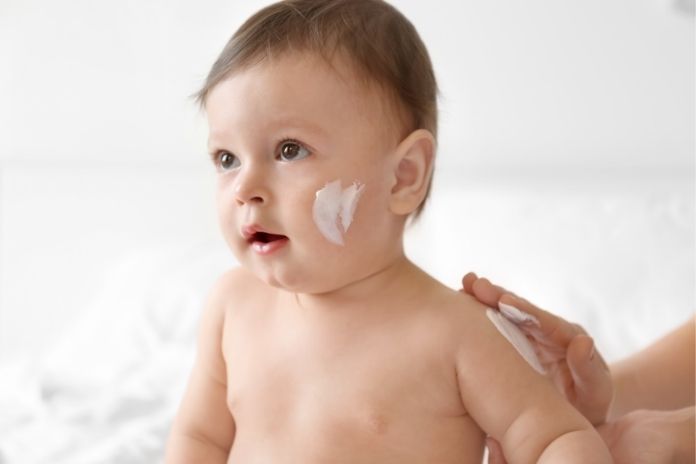
3. Apply a Thin Layer of Barrier Cream
A small amount of petroleum jelly or diaper cream serves as a protective layer that the skin can rub against, and that helps prevent moisture accumulation and friction, two of the main reasons for irritation and dark skin folds in babies.
Barrier creams are very useful for a drooly baby or a baby with deep neck rolls.
4. Use Soft, Breathable Clothing
Opt for cotton or bamboo, both of which are good at absorbing sweat and reducing irritation. Stay away from tight collars, rough materials, and synthetic fabrics, which do not allow the skin to breathe and trap heat.
If your baby is a heavy drooler, changing the bibs regularly will also help keep the folds from getting wet.
5. Keep Baby Cool
By keeping the baby in a cooler environment, you will reduce sweating, heat rash, and friction. All factors that contribute to neck darkening.
Try:
- Light, breathable clothes
- Normal room temperature (around 22–24°C)
- Taking off the extra blankets
- Using the fan for airflow, not directly on the baby
Helping the skin stay dry and cool will speed up the process of returning to the natural skin tone.
Read More: 4-Month Sleep Regression: Why It Happens and How to Help Your Baby Sleep Better
When to See a Pediatrician

- The rash is painful, raw, or oozing.
- The darkening is thick, velvety, or very deep-looking.
- The symptoms last for weeks, despite taking sufficient care.
- The baby has a fever or is irritable.
- You suspect a fungal or bacterial infection.
- The dark spot suddenly appears or spreads.
A pediatrician can determine if a treatment plan is required and ensure that there is no underlying condition.
Final Summary
A baby’s neck turning dark is very common and usually of no concern. The majority of discoloration is caused by things that are part of everyday life. These can be the residue of milk, drool, heat, friction, sweat, and natural changes in baby pigmentation.
Light cleaning, adequate drying, and making sure that the neck folds are kept cool can do a lot of good. Minor infections, such as yeast or eczema, that can also cause dark patches are easily manageable and not dangerous when recognized early.
In very few cases, darker, thicker patches may signal acanthosis nigricans or other underlying issues, so parents must monitor such changes.
If your baby seems uncomfortable or the rash is spreading despite good hygiene, it is the right time to see a pediatrician.
With little effort and care, your baby’s neck folds will be clean, comfortable, and healthy.
References
- The Royal Children’s Hospital Melbourne. (2025, July). Congenital dermal melanocytosis
- WaterWipes. (n.d.). Baby contact dermatitis: symptoms, causes & treatment
- EuroKids. (2024, September 10). Baby neck rash: causes, symptoms, and treatment options
- Das, D., Das, A., Kumar, D., & Gharami, R. C. (2014). Generalized benign acanthosis nigricans in an infant. Indian Dermatology Online Journal, 5(Suppl 2), S116–S118
- Drugs.com. (n.d.). Acanthosis Nigricans in children – what you need to know
In this Article