














Picture this: it’s the first week of January, and you’re standing in your kitchen, staring at a fridge that suddenly feels symbolic. Last year’s leftovers, half-finished snacks, and the usual rush of responsibilities all blur into the same quiet realization that something needs to shift.
Not because you’re chasing a dramatic reinvention, but because your body has been whispering to you for months. You’re more drained than you used to be, stress hits harder, and your heart races on days that never used to bother you.
That’s where the real opportunity of a new year steps in. It isn’t about strict resolutions or chasing perfection. It’s about giving your heart the steady attention it deserves. You don’t need extreme diets or punishing gym sessions to make a difference.
What your heart responds to are patterns: a short walk after dinner, a plate with more color and fewer packaged foods, a moment to breathe before reacting, a bedtime that doesn’t drift past midnight. These small daily choices create a ripple effect that lowers strain, supports healthier blood pressure and cholesterol balance, and keeps inflammation in check.
Think of this article as a reset button that actually works. It focuses on simple goals that fit into real life, not temporary bursts of motivation. No fads, no all-or-nothing rules, just habits that help you feel steadier, stronger, and more in control of your well-being.
When you show up for yourself consistently in these small ways, your heart pays attention, and the benefits build quietly, week after week, long past January.
1. Focus on Heart-Healthy Eating, Not Restrictive Diets

When people think of New Year’s resolutions, food is usually the first target. The problem is that most restrictive diets crash and burn. Instead of cutting out everything you enjoy, shift your attention toward building a way of eating that actually supports heart function.
Make It a Goal to:
- Follow a Mediterranean or DASH-style pattern rich in vegetables, fruits, whole grains, legumes, nuts, lean proteins, and healthy fats.
- Reduce sodium by choosing fewer packaged foods and cooking more at home.
- Limit added sugars and saturated fats, both linked to higher cardiovascular risk.
- Practice mindful eating so meals are slower, calmer, and easier to regulate.
- Add one approachable, actionable change each week, a whole-grain swap, an extra serving of vegetables, or cooking one homemade meal instead of takeout.
Dr. Walter Willett, a nutrition researcher at Harvard T.H. Chan School of Public Health, has repeatedly noted that dietary patterns, rather than short-lived diets, create the biggest impact on heart health. The Mediterranean diet, in particular, has strong evidence behind it.
A large randomized trial in The New England Journal of Medicine (the PREDIMED study) found that participants on a Mediterranean diet supplemented with extra-virgin olive oil or nuts had a ~30% lower risk of major cardiovascular events (myocardial infarction, stroke, or cardiovascular death) compared to those on a control low-fat diet.
Sodium reduction also plays a key role; the AHA recommends limiting sodium to no more than 2,300 mg/day, with an ideal target of 1,500 mg/day for many adults, since high sodium raises blood pressure, a major risk factor for stroke and heart disease.
The takeaway is straightforward: eat real food, add more plants, use healthy fats like olive oil, and season with herbs instead of salt when you can. These small changes compound over time.
Read More: Dietary Guidelines for a Healthy Heart: Foods That Support Cardiovascular Health
2. Move Your Body, Even in Small Bursts

Exercise is one of the most powerful cardiovascular tools available, but people often overcomplicate it. You don’t need a daily hour-long workout to strengthen your heart. You just need to move consistently.
Make It a Goal to:
- Hit 150 minutes per week of moderate activity like brisk walking, dancing, or swimming.
- Incorporate resistance training twice a week to strengthen muscles and support metabolic health.
- Add a simple 10-minute movement break during long workdays.
- Use tracking apps or smartwatches if accountability helps you stay consistent.
According to Martha Gulati, MD, people shouldn’t underestimate the power of walking and small daily movements. She emphasizes that even modest physical activity, like taking a brisk walk or using stairs, can have a lasting impact on heart health. Dr. Gulati also highlights that managing stress is equally crucial, noting that chronic stress significantly affects cardiovascular well-being, especially in women.
A 2024 meta-analysis found that meeting recommended physical-activity levels was associated with 45 % lower risk of cardiovascular mortality compared with inactive individuals.
Beyond the numbers, movement stimulates nitric oxide production, helping blood vessels relax. It improves insulin sensitivity, reduces inflammation, and helps regulate stress hormones. And it doesn’t have to be high intensity; in fact, walking is one of the most studied and safest forms of heart support.
If you’re starting from a low activity level, begin with 10 minutes a day. The goal isn’t athleticism; it’s consistency.
Read More: Heart-Healthy Exercise Gear: 6 Essential Equipment for Exercising for Heart Health
3. Manage Stress Before It Manages You

Ask any cardiologist, and they’ll tell you: chronic stress is brutal on the heart. It raises cortisol, tightens blood vessels, and keeps blood pressure elevated. Over time, that strain shifts from temporary discomfort to increased cardiovascular risk.
Make It a Goal to:
- Practice daily stress-relieving habits like meditation, breathing exercises, or gratitude journaling.
- Establish firm boundaries around work to avoid burnout.
- Replace evening doom-scrolling with something restorative, reading, stretching, or a calm bedtime routine.
Chronic stress has been shown to increase the risk of hypertension and arrhythmias. Associations of emotional social support, depressive symptoms, chronic stress, and anxiety with hard cardiovascular disease events in the United States: the MESA study (2023) – In a cohort of 6,779 people followed over ~8.5 years, higher chronic-stress scores were associated with a statistically significant higher risk of major cardiovascular events.
None of this requires dramatic lifestyle changes. Stress management works best when it becomes a daily ritual, a way to give your body space to reset.
Read More: 7 Heart-Healthy Habits You Can Adopt in Under 5 Minutes a Day
4. Prioritize Sleep as Part of Heart Health

Sleep often gets ignored in discussions about heart health, but research is catching up. Inadequate sleep doesn’t just make you tired; it affects blood pressure, blood sugar, weight regulation, and inflammatory pathways.
Make It a Goal to:
- Aim for 7–9 hours of sleep per night.
- Keep bed and wake times consistent.
- Limit caffeine and alcohol later in the day.
- Reduce screen exposure in the hour before bed.
The research is ongoing, but so far, scientists think that the benefits of sleep on the heart have to do with inflammation. “Sleep is a period where inflammatory markers are decreased,” says Dr. Jennifer Mieres. “We know that a lot of cardiovascular disease is triggered by inflammation.”
According to a meta-analysis in Sleep Medicine Reviews, both short and long sleep durations were associated with greater arterial stiffness, a predictor of cardiovascular disease. People sleeping within the 7–8-hour range showed the most favorable vascular profiles.
If sleep has been inconsistent for years, start by making changes to your routine. Even anchoring your wake-up time can stabilize your sleep rhythm.
Read More: 8 Sleep Essentials for Heart Health: Products to Improve Your Sleep Quality
5. Quit Smoking (or Support Someone Who Is Trying)

Few lifestyle choices are as damaging to the heart as smoking. It narrows blood vessels, increases clotting risk, damages artery linings, and lowers oxygen delivery throughout the body. The good news is that benefits begin almost immediately after quitting.
Make It a Goal to:
- Talk with a doctor about cessation aids like nicotine replacement therapy, medications, or counseling.
- Identify your smoking triggers (stress, boredom, social settings) and replace them with healthier alternatives.
- Celebrate incremental wins, one day, one week, one month.
Within 20 minutes of quitting, heart rate and blood pressure begin to drop. Within 12 months, heart disease risk is cut nearly in half. The American Heart Association points out that quitting smoking is one of the most impactful heart-health decisions anyone can make.
If you don’t smoke but love someone who does, your support can make a major difference. Social accountability significantly increases quit rates.
6. Limit Alcohol and Stay Hydrated

Alcohol often plays a big role in holiday and New Year celebrations, but moderation is key for cardiovascular protection.
Make It a Goal to:
- Follow moderate drinking guidelines, up to 1 drink per day for women, 2 for men.
- Swap alcohol for non-alcoholic options like sparkling water or herbal tea.
- Stay well-hydrated to support circulation and overall cardiovascular function.
Too much alcohol raises blood pressure, contributes to arrhythmias, affects weight, and can spike triglyceride levels. Even “social drinking” can add up more than people realize.
Hydration, meanwhile, helps blood maintain the right viscosity, supports kidney function (which regulates blood pressure), and helps the heart pump efficiently. Simple changes like carrying a water bottle or drinking a glass of water between alcoholic drinks can help.
7. Know Your Numbers and Get Regular Checkups
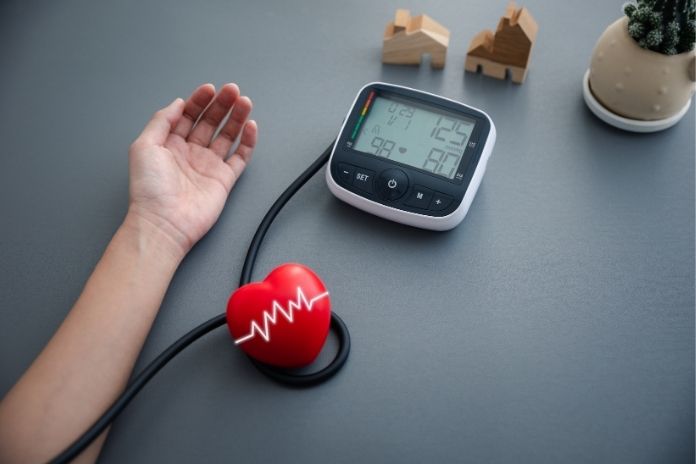
Here’s the thing: you can feel perfectly fine and still have early signs of cardiovascular strain. That’s why routine screenings are essential.
Make It a Goal to:
- Check blood pressure regularly.
- Get annual lipid panels to monitor cholesterol.
- Test fasting glucose or HbA1c to detect early insulin resistance.
- Schedule a yearly physical and discuss family history and risk factors.
The CDC emphasizes that high blood pressure is often called the “silent killer” because it rarely causes symptoms until damage accumulates. Regular screenings help catch risk factors early when they’re easiest to treat.
For many people, simply tracking numbers creates a sense of agency. Seeing how lifestyle changes affect blood pressure or cholesterol can be motivating and reassuring.
8. Focus on Weight Stability, Not Perfection
Weight is a sensitive topic, but from a cardiovascular perspective, stability matters far more than strict dieting or rapid weight loss.
Make It a Goal to:
- Aim for gradual weight loss (1–2 pounds per week) if needed.
- Pay attention to waist circumference, a key predictor of cardiovascular risk.
- Pair movement with balanced nutrition rather than extreme restriction.
Research in JAMA Internal Medicine has shown that visceral fat (fat stored around abdominal organs) contributes more to cardiovascular risk than overall weight. That’s why waist circumference, not just weight or BMI, is an important metric to track.
Crash diets may drop the scale temporarily but usually lead to metabolic slowdown, rebound weight gain, and frustration. Steady changes are more protective and sustainable.
9. Strengthen Emotional and Social Connections

Loneliness is increasingly recognized as a cardiovascular risk factor. The AHA published a scientific statement noting that social isolation is associated with higher rates of heart disease, stroke, and even earlier mortality.
Make It a Goal to:
- Spend quality time with people you care about.
- Join groups or communities that encourage movement, creativity, or connection.
- Strengthen support systems; they buffer stress and improve resilience.
Humans are wired for connection. Strong social ties modulate stress pathways, reduce inflammatory markers, and improve mood, all of which influence heart health. Even one consistent weekly interaction, like a walk with a friend or a shared hobby, can create meaningful physiological benefits.
10. Schedule a “Heart Check-In” Every Month

The strongest resolutions are the ones you revisit. A monthly check-in helps you stay aware and honest with yourself.
Make It a Goal to:
- Reflect on your habits each month: movement, food, sleep, stress, and checkups.
- Adjust goals without guilt; flexibility keeps you consistent.
- Celebrate small wins with non-food rewards like a massage, a new book, or a short day trip.
A check-in system also keeps goals from drifting once February or March rolls in. It’s a simple way to stay grounded and engaged.
Read More: Monitoring Heart Health at Home: 7 Essential Devices You Need
Quick Recap
Here’s the thing: long-term heart health is built on small, steady decisions, not grand resolutions that fade by February. When you focus on eating a little better, moving a little more, sleeping a little deeper, and managing stress with intention, your heart notices. These small shifts slowly rewrite the way your body handles pressure, inflammation, and daily demands.
And the best part is that none of this requires perfection. You don’t need the “ideal” diet or an intense workout routine. You just need habits that feel doable on a regular day, not just on a motivated one.
If you keep showing up for yourself in simple, manageable ways, your heart will respond, quietly at first, then unmistakably over time. By the time another new year comes around, you’ll feel stronger, steadier, and more in tune with yourself, all because you chose consistency over intensity.
Frequently Asked Questions (FAQs)
What’s the quickest lifestyle change that starts improving heart health?
Walking is usually the fastest win. Even 10–15 minutes a day improves circulation, lowers stress hormones, and gradually reduces blood pressure. Clinicians often recommend walking as the first, most realistic change because people actually stick to it.
Can small dietary changes really make a difference if I’m not ready for a full diet overhaul?
Yes. Studies show that adding just one serving of vegetables or switching from refined grains to whole grains measurably lowers cardiovascular risk markers. Incremental changes work because they’re easy to maintain and compound over time.
How long does it take to see improvements after quitting smoking?
Heart benefits start within 20 minutes, but the bigger changes, like reduced heart attack risk, build steadily over weeks and months. Most cardiologists consider smoking cessation the most powerful single action for heart protection.
Do genetics matter more than lifestyle for heart disease?
Genetics matter, but lifestyle typically has a greater influence. Even people with a family history of heart disease can significantly lower their risk through consistent habits like movement, sleep, and nutrition. Environment and daily choices often outweigh inherited risk.
Is alcohol ever good for the heart?
The research is mixed, and many cardiologists now lean toward “less is better.” While moderate consumption was once thought protective, newer studies show that any heart benefit is likely due to lifestyle factors, not alcohol itself. The safest heart-healthy choice is moderation or minimal intake.
References
- https://www.ncbi.nlm.nih.gov/pmc/articles/PMC10128075/
- https://world-heart-federation.org/what-we-do/healthy-diet/
- https://www.mayoclinic.org/diseases-conditions/heart-disease/in-depth/heart-healthy-diet/art-20047702
- https://www.bhf.org.uk/informationsupport/support/healthy-living/healthy-eating
- https://www.who.int/initiatives/behealthy/healthy-diet
- https://www.health.harvard.edu/heart-health/a-heart-healthy-diet-doesnt-need-to-be-low-in-fat
- https://www.ahajournals.org/doi/10.1161/cir.0000000000001031
- https://www.hopkinsmedicine.org/health/wellness-and-prevention/abcs-of-eating-smart-for-a-healthy-heart
- https://www.heart.org/en/healthy-living/healthy-eating
- https://www.heartfoundation.org.au/healthy-living/healthy-eating/heart-healthy-eating-pattern
- https://www.sciencedirect.com/science/article/pii/S2542454819300724
- https://www.mdanderson.org/cancerwise/cardiac-diet-heart-healthy-diet-what-is-it–what-can-you-eat-and-what-should-you-avoid.h00-159539745.html
- https://www.mskcc.org/experience/patient-support/nutrition-cancer/diet-plans-cancer/cardiac-diet
- https://www.nhs.uk/live-well/eat-well/how-to-eat-a-balanced-diet/eight-tips-for-healthy-eating/
- https://lifeprogram.org.au/health-hub/eatingpatternsforoptimalcardiovascularhealth/
- https://www.mountsinai.org/health-library/report/heart-healthy-diet
- https://www.heartfoundation.org.nz/about-us/news/blogs/which-diet-is-right-for-you
- https://intermountainhealthcare.org/blogs/learn-the-latest-on-heart-healthy-diets
- https://tcrehab.totalcardiology.ca/wp-content/uploads/2020/06/A-Guide-to-Heart-Healthy-Eating-Final.pdf
- https://www.nin.res.in/dietaryguidelines/pdfjs/locale/DGI07052024P.pdf
- https://timesofindia.indiatimes.com/life-style/health-fitness/5-things-other-that-eating-unhealthy-and-a-sedentary-lifestyle-which-contribute-majorly-to-heart-attacks-in-most-people/articleshow/
- https://www.ncbi.nlm.nih.gov/pmc/articles/PMC6100800/
In this Article