










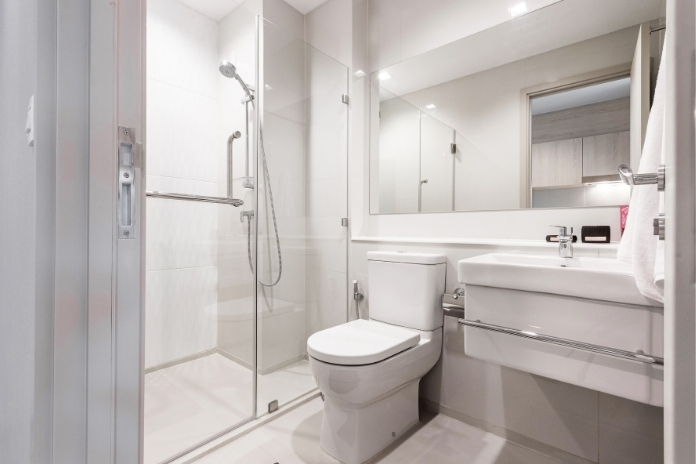
The bathroom doesn’t look dangerous at first glance, but for older adults, it’s one of the riskiest rooms in the home. Falls are already the leading cause of injury among seniors, and the bathroom multiplies that risk through a mix of slippery floors, awkward movements, low visibility, and tight spaces.
According to MedlinePlus, older adults are particularly vulnerable to bathroom falls due to wet surfaces, limited mobility, and difficulty standing or balancing for extended periods.
Here’s the thing: it only takes one unstable moment, stepping out of the shower, reaching for a towel, or bending to pick something up, to trigger a fall that leads to long-term injury, hospitalization, or loss of independence. And yet, many of the most effective safety improvements are simple, low-cost, and easy to install.
This guide explains what actually makes bathrooms risky, what upgrades provide the biggest safety payoff, and how daily habits play a powerful role in preventing falls. Whether you’re an older adult, a concerned family member, or a caregiver, this lays out everything you need to know to make the bathroom a safer, more supportive space.
Quick Summary: What You’ll Learn
- The most common bathroom hazards that increase fall risk.
- Practical upgrades like non-slip surfaces, grab bars, and lighting.
- Daily habits that make a meaningful difference.
- When it’s time to seek professional help or consider larger renovations.
By the end, you’ll know exactly how to reduce risk and create a safer environment without overcomplicating the process.
Recognizing Key Bathroom Hazards for Older Adults
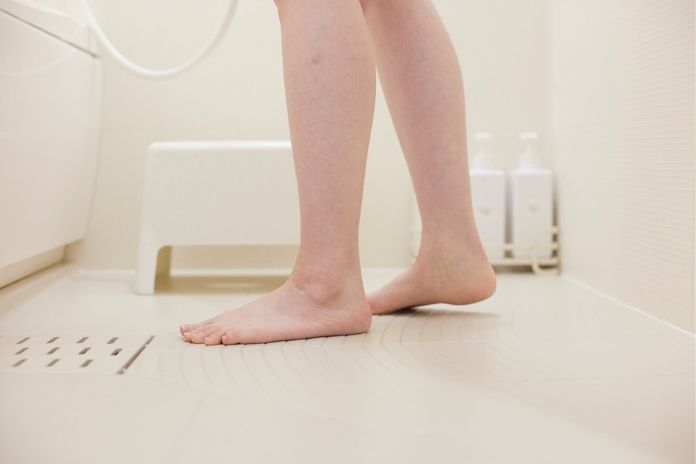
Unlike a single obvious hazard, most falls in the bathroom result from a combination of small risks that accumulate over time. Slippery surfaces, poor lighting, awkward movements, and insufficient support all play a role.
Understanding these hazards and taking proactive steps to reduce them can dramatically improve safety, independence, and confidence.
Slippery Floors
Wet floors are the most common culprit in bathroom falls. Water from showers, sinks, and condensation creates slick surfaces that challenge balance. Even bath mats, if they lack anti-slip backing, can slide or bunch up, creating a trip hazard.
Simple precautions like textured non-slip mats, quick-drying towels, and immediate cleanup of spills can significantly reduce risk.
According to Tony Rosen, MD, MPH, Associate Professor of Emergency Medicine at Weill Cornell Medicine, wet carpets or rugs often contributed to falls. Patients frequently suffered an injurious fall while ‘hurrying to’ or ‘trying to get to’ the bathroom.
Awkward Transitions
Tasks such as stepping into a bathtub, lowering onto a toilet, or reaching across wet surfaces require both balance and strength, abilities that often decline with age. Lifting a leg over a tub wall or leaning to grab a towel might seem trivial, but it can easily result in a fall when combined with a slippery floor or weak muscles.
Installing grab bars, using shower chairs, and avoiding sudden movements can help older adults navigate these transitions safely.
Poor Lighting
Dim or uneven lighting increases the likelihood of missteps, particularly for older adults with vision changes. Nighttime trips to the bathroom are especially risky.
Motion-sensor night lights, brighter bulbs, and consistent illumination can reduce falls by ensuring that pathways are always visible.
Cluttered or Hard-to-Reach Items
Toiletries, towels, razors, and cleaning supplies stored in low cabinets or scattered across counters force bending, stretching, or twisting, all common triggers for balance loss.
Organizing items at waist or shoulder height and keeping the floor clear ensures that daily routines do not become risky maneuvers.
Insufficient Support
Many older adults lack the proper support to stabilize themselves during daily bathroom activities. Studies consistently show that bathroom modifications, such as strategically placed grab bars, handrails, and shower seats, significantly reduce fall risk.
A meta-analysis found that a home safety intervention reduced falls by 39% in high-risk older adults. Understanding these hazards is only the first step; taking action to eliminate them is what truly prevents injuries.
“We encourage all people, as they age, to reduce fall hazards. These are often simple things like removing or changing slippery floor mats, improving lighting on stairs, or decluttering the home,” said Professor Emeritus Lindy Clemson.
“It seems this is not always ‘common sense.’ People tend not to notice clutter around their home or realize that climbing ladders the way they always have is potentially a fall risk, particularly if their mobility or balance is not as it used to be.”
Smart Upgrades to Improve Bathroom Safety

Bathroom safety doesn’t mean turning your home into a clinical space; it’s about smart, practical adjustments that reduce fall risk while preserving comfort and independence. For older adults, even small improvements can have a huge impact, because the bathroom is one of the highest-risk areas for slips, trips, and injuries.
By combining environmental modifications, supportive devices, and thoughtful organization, falls and accidents can be significantly reduced.
- Non-Slip Flooring and Surfaces – Slips are the most common cause of bathroom injuries, and improving traction is an immediate way to reduce risk:
- Textured mats and rugs: Place non-slip mats both inside and just outside showers or tubs to prevent slipping when stepping on wet surfaces. Mats with rubber backing or suction cups stay in place.
- Anti-slip decals and strips: These adhesive options can be applied to tiles or the shower floor for extra grip.
- Quick cleanup of water: Encourage wiping spills immediately or using a squeegee after showers to remove puddles.
Why it matters: According to Amedisys, older adults often have reduced foot sensitivity or balance issues. This makes it harder to notice wet spots until a slip occurs. Enhancing floor traction is a simple but effective preventive measure that works for everyone.
- Grab Bars and Support Rails – Support rails and grab bars are essential for older adults to navigate common bathroom transitions safely:
- Key locations: Beside the toilet, inside showers and tubs, and near the entrance to the bathroom.
- Proper installation: Bars should be anchored into wall studs for strength. Suction cup or adhesive-only bars are not reliable and may fail under weight.
Practical tips: Adding angled bars in addition to vertical ones can provide better leverage when standing up or stepping down. Grab bars combined with regular balance and strength exercises significantly reduce fall risk.
- Walk-In Showers, Shower Seats, and Transfer Benches – These upgrades eliminate tripping hazards and make bathing safer for those with mobility or joint issues:
- Shower seats allow older adults to sit while bathing, reducing fatigue and improving balance.
- Transfer benches span across the edge of a tub so users can slide in and out without lifting their legs over high walls.
- Walk-in showers remove the step-over barrier entirely, preventing slips caused by awkward foot placement.
Expert insight: MedlinePlus recommends sitting on a bath chair or bench when showering to help reduce falls, especially for people with joint pain or muscle weakness. For those with arthritis or limited leg strength, these adjustments are often life-changing.
Read More: 7 Best Shower Chairs After Knee Surgery
- Raised Toilet Seats and Toilet Safety Frames – Standard toilet heights can be challenging for older adults:
- Raised seats reduce strain when lowering or standing, making bathroom routines less physically demanding.
- Toilet safety frames provide hand support, stabilizing the user during transitions.
Even these small modifications can make a huge difference in maintaining independence, reducing the fear of falling, and allowing older adults to use the bathroom safely without constant assistance.
- Improved Lighting and Night Visibility – Lighting is a key factor in preventing trips and falls:
- Bright, even lighting around mirrors, sinks, and shower areas ensures all surfaces are visible.
- Motion-sensor night lights in hallways and bathrooms help older adults navigate safely during nighttime trips.
- Accessible switches make it easy to turn lights on or off without fumbling in the dark.
Industry insight: Jaquar’s safety guides recommend continuous night lighting to prevent falls, especially since older adults often make sudden trips to the bathroom at night, when alertness is low.
- Accessible Storage and Reachability – Clutter and poor organization force bending, stretching, or twisting, common triggers for balance loss:
- Store frequently used items (towels, soap, shampoo, toothpaste, skincare products) at waist or shoulder height.
- Keep floors and counters clear of clutter.
- Use wall-mounted dispensers or baskets for easy access.
Even minor organizational tweaks can dramatically cut the risk of falls, making daily routines smoother and safer.
- Temperature and Water Safety – Water temperature is an overlooked but critical safety factor:
- Set water heaters to around 120°F (49°C) to prevent scalds.
- Use anti-scald showerheads or faucets that automatically regulate water temperature.
Why it matters: Older adults may have slower reflexes or reduced sensation due to neuropathy. MedlinePlus lists water temperature control as a core bathroom safety principle to prevent serious burns during showers or handwashing.
Additional Tips for Maximum Safety
- Regular maintenance: Ensure mats, bars, and seats remain in good condition. Replace worn or unstable equipment.
- Routine strength and balance exercises: Even light exercises like heel raises or seated leg lifts improve stability in the bathroom.
- Emergency readiness: Keep a waterproof alert device or phone nearby in case of a fall.
By addressing slippery floors, improving lighting, adding supportive equipment, and organizing the space, bathrooms can be transformed from high-risk areas into safe, comfortable environments.
These upgrades preserve independence, reduce fear, and allow older adults to maintain confidence in daily routines.
Daily Habits and Care Routines That Reduce Bathroom Fall Risk
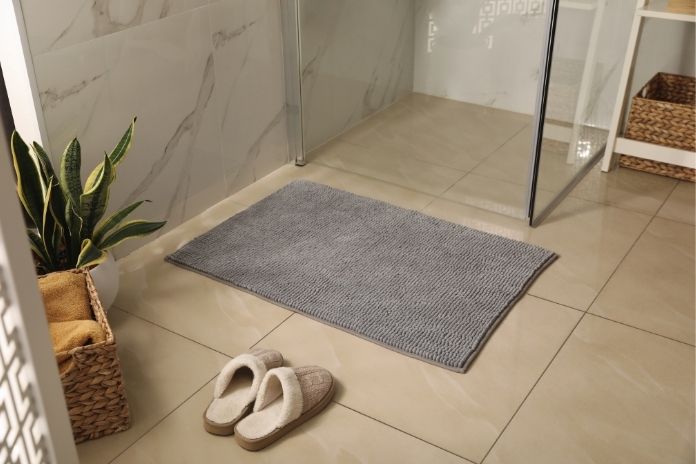
Smart bathroom upgrades are essential, but daily behaviors and routines play an equally important role in preventing falls. Even the safest environment can become hazardous if simple habits are overlooked. Incorporating mindful routines, monitoring health, and practicing balance and strength exercises can make a significant difference in safety and confidence.
- Keep Pathways Clear – Clutter is one of the most common triggers for falls, both inside and outside the bathroom:
- Remove loose rugs, cords, or storage bins from the route to the bathroom.
- Keep the bathroom floor clear of towels, laundry baskets, and toiletries.
Senior Services of America emphasizes that decluttering the bathroom itself is just as crucial as adding safety features like grab bars or mats.
- Use Stable Footwear or Go Barefoot on Textured Surfaces – Slippers without traction are a hidden hazard:
- Opt for rubber-soled shoes or non-slip slippers when walking in the bathroom.
- Going barefoot is acceptable if the surface is textured and designed for grip.
Footwear choices directly affect balance, particularly on wet or tiled surfaces.
- Encourage Sitting During Showering – Standing for long periods can cause fatigue or dizziness, increasing fall risk:
- Shower chairs provide stability and allow older adults to sit while bathing.
- Transfer benches or stools help those with limited leg strength or joint pain.
Sitting reduces both physical strain and the likelihood of sudden loss of balance.
- Support Balance During Transitions – Consistency is key in using support aids:
- Always use grab bars when moving from sitting to standing or stepping in and out of the shower or tub.
- Even if older adults “feel fine,” regular use prevents accidents from sudden slips or weak moments.
Developing habitual use of supports ensures that balance is maintained even during unexpected shifts or fatigue.
- Monitor Hydration and Medication Side Effects – Certain medications and dehydration can subtly increase fall risk:
- Blood pressure, mood, and sleep medications may cause dizziness or lightheadedness.
- Caregivers should watch for sudden weakness, balance issues, blurred vision, or morning grogginess.
Early recognition of these signs can prevent accidents before they occur.
- Strength and Balance Exercises – Improving physical stability significantly reduces fall risk:
- Low-impact exercises such as chair squats, leg lifts, light stretching, or tai chi strengthen muscles and improve coordination.
- Even short daily routines can have a meaningful effect on balance and confidence in the bathroom.
- Caregiver Routine – Regular checks by caregivers ensure the environment remains safe:
- Inspect for damp floors, loose mats, or unstable items.
- Check for flickering lights or missing/loose grab bars.
- Monitor for potential burn risks from water temperature.
Consistency and vigilance prevent accidents long before they happen, complementing environmental upgrades and personal habits.
Read More: 9 Smart Ways to Prevent Falls and Fractures: Expert Tips for Home Safety and Balance Exercises
When to Consider Professional Help or Major Modifications
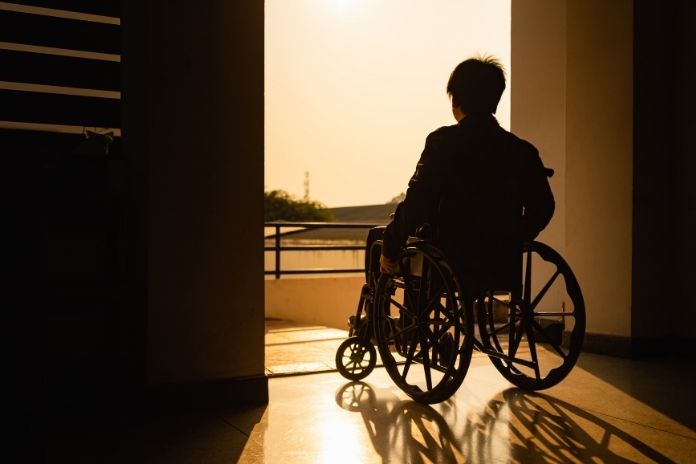
While smaller upgrades and mindful daily habits often suffice, there are times when professional guidance or major modifications become necessary to ensure safety and independence. Recognizing when an older adult may be at higher risk is crucial to preventing serious accidents.
Red Flags That Signal Higher Risk
Professional help should be considered if an older adult:
- Has recently experienced a fall, even a minor one.
- Uses a walker, a cane, or a wheelchair for mobility.
- Struggles with stepping into a tub or shower.
- Has arthritis, balance issues, or vision impairments.
- Experiences dizziness or lightheadedness from medications.
These indicators suggest that standard safety upgrades may not be enough, and a more thorough evaluation is warranted.
Occupational Therapy (OT) Home Assessment
An OT can identify hazards that are often overlooked and provide personalized solutions:
- Optimal grab bar placement for balance and support.
- Recommendations for mobility aids and adaptive equipment.
- Guidance on safe bathing and bathroom techniques.
- Assessment of environmental risks that may not be obvious to caregivers.
Major Renovations for Long-Term Safety
For older adults with significant mobility challenges, chronic health issues, or multi-generational households, larger modifications may be necessary:
- Zero-threshold walk-in showers eliminate tripping hazards entirely.
- Walk-in tubs reduce the need to lift legs over high edges.
- Widened doorways to accommodate walkers or wheelchairs.
- Slip-resistant flooring upgrades for the entire bathroom.
- Full bathroom re-layout based on universal design principles.
Universal design ensures that the bathroom remains safe and functional as mobility needs change, making it a smart long-term investment for both independent living and households with multiple generations.
Quick Recap
Ensuring bathroom safety for older adults requires a holistic approach that combines environmental modifications, daily habits, and professional guidance when needed.
Simple upgrades like non-slip mats, grab bars, and proper lighting can significantly reduce the risk of falls, while thoughtful organization and accessible storage support safer daily routines. Even small changes, consistently applied, can dramatically improve confidence and independence.
Daily care routines, strength and balance exercises, and attention to medication or hydration-related side effects complement these physical modifications. Older adults who adopt these habits reduce fatigue, maintain stability during transitions, and respond better to unexpected challenges in the bathroom.
Caregivers also play a crucial role in monitoring risks and maintaining a consistently safe environment. For those with higher risk factors or mobility challenges, occupational therapy assessments and major renovations, such as walk-in showers, raised toilets, and universal design layouts, offer long-term solutions.
Combining proactive habits, smart upgrades, and professional support creates a comprehensive safety framework that preserves independence, prevents injuries, and promotes peace of mind for both older adults and their families.
References
- KLB Koetztal. (n.d.). Floor coating for commercial kitchens.
- Level. (n.d.). Wet area flooring and floor finishes.
- Tecnoprodist. (n.d.). Non-slip floor coverings.
- Artigo. (n.d.). Non-slip rubber flooring.
- Sicer Ceramic Surfaces. (n.d.). Non-slip surfaces: regulations and certification.
- ElderEase India. (n.d.). Bathroom safety: toilet safety.
- Davies Home Health. (n.d.). Difference between toilet safety frames and raised toilet seats.
- NSM Seating. (n.d.). Raised seats and toilet safety frames.
- Xperience Home Healthcare. (n.d.). Raised toilet seats.
- Essential Aids. (n.d.). Raised toilet frame and seat.
- Vive Health. (n.d.). Raised toilet seats and safety rails.
- Arthritis Supplies. (n.d.). Padded raised toilet safety frame.
- Harvest Healthcare. (n.d.). Adjustable toilet frame with raised toilet seat.
- DuckDuckBaby. (n.d.). Minimo potty seat with soft cushioning.
- All Star Medical. (n.d.). Raised toilet seats and frames.
- Medirite. (n.d.). Toilet frame with adjustable height and a raised toilet seat.
In this Article