













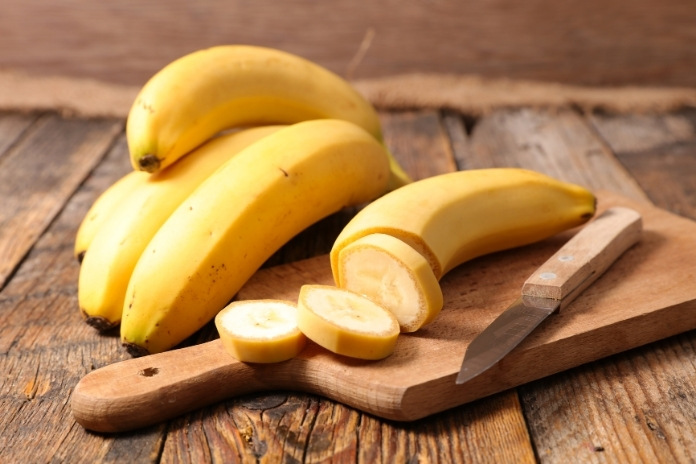
It’s a common belief: grab a banana before bed and you’ll drift off more easily, sleep deeper, wake up refreshed. Bananas are cheap, easy to find, and packed with nutrients already linked to sleep-like behaviors. But does eating a banana before bed actually help you sleep?
In this article, we’ll look at the nutrients in bananas that may support sleep, then review the actual research to see how strong the evidence is (and the caveats). After that, we’ll talk about when a banana before bed might make sense (and when it might not), then wrap up with practical tips for integrating it into your routine.
What Nutrients in a Banana May Support Sleep

Here’s the thing: sleep is influenced by far more than one late-night snack. Hormones like melatonin and serotonin, minerals that regulate muscle relaxation, and even your blood sugar balance, all play a role in how easily you fall asleep and how long you stay that way.
Before we get into the research, it helps to understand why bananas are even considered sleep-friendly in the first place. The idea isn’t random; bananas pack several nutrients that play a role in the body’s sleep-wake regulation, muscle relaxation, and neurotransmitter balance.
Each of these nutrients connects, directly or indirectly, to how easily you fall asleep and how well you stay asleep through the night.
Tryptophan
Tryptophan is an essential amino acid that the body uses to produce serotonin, which in turn helps make melatonin, the hormone that signals “time to sleep.” Bananas contain modest amounts of tryptophan.
According to the Sleep Foundation, a medium banana has about 11 mg of tryptophan. What this means: bananas provide this “sleep-helping” building block, though it’s not a huge dose compared to other food sources.
Magnesium & Potassium
Magnesium and potassium found in bananas can support muscle relaxation and reduce nocturnal muscle cramps, both of which can interfere with sleep. Potassium may reduce muscle cramping at night, and magnesium helps regulate melatonin and calm the nervous system.
According to Dr. Abhinav Singh, MD, MPH, FAASM, a Medical Review Panel member for the Sleep Foundation, magnesium plays a meaningful role in sleep regulation.
He notes that magnesium helps ease nighttime muscle cramps, a common reason people wake up during the night. When magnesium intake is low, he explains, people are more likely to experience restlessness, cramps, and poor sleep quality.
Read More: Magnesium Before Bed: TikTok’s Favorite Sleep Hack, Explained by Science
Vitamin B6
Vitamin B6 helps convert tryptophan into serotonin, which is ultimately converted into melatonin. Bananas provide modest amounts of B6. So, banana’s role here is supportive, rather than dramatic.
Carbohydrates & Fiber Effects
Bananas have carbs (a medium banana contains ~25-30 g carbs) and some fiber. Carbs can help tryptophan enter the brain more easily (by triggering insulin release, which lowers competing amino acids).
Fiber and some resistant starch can promote fullness and support digestion, meaning you’re less likely to wake up hungry.
What this really means: Bananas have a combination of nutrients that theoretically support better sleep, but they are not magic. The effect depends on your overall diet, sleep routine, underlying issues, and how your body responds.
What the Research Actually Shows: Can a Banana Before Bed Improve Sleep?

Now to the evidence. Yes, bananas have sleep-supportive nutrients. But how much does eating a banana before bed improve sleep?
The studies
- A small clinical study(21 patients with insomnia) compared bedtime banana vs. whole-milk vs. control. After the intervention, the banana and milk groups had improved scores on the Pittsburgh Sleep Quality Index (PSQI).
For the milk group, total sleep time (via polysomnography) increased significantly. The banana group also improved, though less strongly.
- Another study in older adults(60+) found that eating bananas daily for two weeks reduced sleep-disorder symptoms.
- Reviews and sleep nutrition articles caution that direct, large-scale trials linking just banana intake to meaningful sleep improvements are limited. For example, one piece said,“Very little research supports the claim that bananas help you sleep.”
Read More: The Man’s Guide to a Restful Night: 8 Sleep Hacks for Better Sleep
Strengths and Limitations
When it comes to bananas and sleep, the science isn’t just folklore; there’s some genuine biology behind the idea. But it’s also far from a proven, universal fix. Let’s look at both sides.
Strengths:
- Plausible biological mechanism: Bananas contain nutrients that connect logically to sleep regulation. Magnesium and potassium can relax muscles, while tryptophan and vitamin B6 help produce serotonin and melatonin, the hormones that set your sleep-wake rhythm.
- Preliminary research support: Some small studies hint that foods rich in these nutrients may improve sleep quality, particularly in people with insomnia or in older adults, who often have lower melatonin production.
- Low-risk, simple intervention: Unlike supplements or medications, eating a banana is safe, affordable, and easy to integrate into daily life. It’s a “food-first” approach that aligns with broader healthy eating habits.
Limitations:
- Indirect evidence: Most studies look at overall dietary patterns, nutrient intake, or combinations of foods (like milk and bananas), not bananas on their own. That makes it hard to isolate the banana’s specific impact.
- Small and specific sample sizes: The few studies available often involve older adults or people with diagnosed sleep problems, so results may not generalize to everyone.
- Weak experimental control: Many trials don’t standardize participants’ bedtime routines, stress levels, or environmental conditions, all of which heavily influence sleep outcomes.
- Modest effect size: Even when improvements are observed, they’re usually mild, slightly shorter time to fall asleep, or a small increase in total sleep time, not dramatic transformations.
Key Caveats
It’s important to keep expectations realistic. A banana before bed might support your sleep, but it won’t fix sleep problems rooted in stress, sleep apnea, irregular schedules, or other underlying causes. Think of it as a gentle nudge in the right direction, not a miracle switch.
If you have blood sugar concerns or digestive sensitivities, you’ll also want to consider timing and portion size. Bananas contain around 27 grams of carbohydrates, which could affect people with diabetes or reactive hypoglycemia if eaten too close to bedtime.
While bananas can play a small, supportive role in your nighttime routine, they work best as part of a bigger picture that includes consistent sleep habits, a calm environment, and good overall nutrition.
When a Banana Before Bed Makes Sense, And When It Might Not
Here’s how to think about using a banana before bed, and when it might or might not be helpful.
When it may work well
- If you wake up from muscle cramps, restless legs, or leg spasms at night. The potassium/magnesium in bananas may help relax muscles.
- If you go to bed hungry or your last meal was many hours ago, having a light snack like a banana could prevent hunger-wakes.
- If your overall sleep environment and routine are already good (cool, dark room; regular schedule; no big stressors). A banana becomes part of a broader sleep-supportive routine.
- If you tolerate carbs and fruits well at night (no big blood sugar spikes or digestion issues).
When it might not help (or might hinder)
- If you have significant sleep problems due to underlying medical or sleep disorders (e.g., sleep apnea, insomnia from anxiety). A banana alone won’t solve those.
- If you are very sensitive to carbohydrate intake before bed, some people may have disturbed sleep due to glucose/insulin fluctuations. Bananas ~27 g carbs may pose a risk.
- If you have reflux, IBS, or digestion problems, and eating fruit right before bed causes discomfort or awakening. A banana may trigger symptoms for some.
- If you rely on the banana as a magic bulletand ignore sleep hygiene (irregular schedule, bright light at night, caffeine late, noisy room). The banana then becomes a weak fix rather than part of a strong system.
Read More: Mindful Living: Practices to Balance Serotonin and Dopamine Levels Naturally
Practical Tips: How to Add a Banana to Your Bedtime Routine

If you decide to eat a banana before bed, here’s how to do it smartly.
Timing
- Eat the banana about 30-60 minutes before bed rather than right when you lie down. This allows digestion and nutrient uptake.
- Preferably follow your evening routine: calm activity, dim lights, cool room, no heavy screens. The banana is an adjunct, not the entire strategy.
Portion & pairing
- One medium banana is sufficient.
- For better blood sugar stability, pair it with a small amount of protein or healthy fat (e.g., a spoonful of almond butter or a few nuts). That helps slow digestion and avoids a big sugar spike.
- If you’re very carb sensitive, consider eating it slightly earlier or choose a less ripe banana (lower sugar) or a smaller portion.
Ripeness and type
- Choose bananas that are ripe but not over-ripe. Over-ripe bananas have more sugar, but greener bananas have more resistant starch/fiber, which digests more slowly and may be gentler overnight.
- Avoid large late-night meals rich in fat/spice just before bed; the banana should be a light snack, not a full dessert.
Sleep routine context
- Eat the banana as part of a consistent bedtime routine: wind-down period, dark room, consistent sleep/wake time, low caffeine/alcohol late.
- Monitor how you personally respond: If you notice you fall asleep faster or don’t wake up hungry, that’s good. If you wake up more, feel restless, or have higher blood sugar, adjust accordingly.
When to skip or adjust
- If you’ve had a dinner rich in carbs and sugar already, adding a banana may push your total carb load too high or affect digestion.
- If you’re already experiencing high nighttime blood sugar variability (e.g., diabetes), it’s wise to check with your healthcare provider before making any late-night snack routine changes.
- If you feel bloated, have reflux, or digestion problems when eating fruit late, maybe you’d do better with a different snack (say yogurt + nuts) or eating earlier.
Conclusion
Eating a banana before bed can support better sleep for some people, mainly because of its nutrient profile. Tryptophan, magnesium, potassium, vitamin B6, and fiber all play subtle roles in muscle relaxation, hormone regulation, and steadying your mood before sleep. Together, they create conditions that make falling asleep a bit easier and staying asleep a bit more likely.
That said, the effect is gentle, not dramatic. Bananas can complement good sleep hygiene, but can’t compensate for deeper issues like stress, irregular routines, caffeine late in the day, or underlying sleep disorders. Think of them as a supportive background player, not the main act.
If you enjoy bananas and they sit well with you, having one about 30–60 minutes before bed is a perfectly healthy, balanced choice. Pairing it with a source of protein (like a spoon of peanut butter or a few nuts) can help steady blood sugar overnight.
Bottom line: a banana won’t transform your sleep on its own, but as part of a consistent, calming bedtime routine, it’s a small, smart habit that can quietly work in your favor.
FAQs
Does eating a banana before bed always help you sleep?
No, it may help for some people, but many factors influence sleep. The research is limited, and effects vary.
How many minutes before bed should I eat a banana for sleep benefits?
Aim for about 30-60 minutes before lying down to give your body time to digest and process the nutrients.
Are there risks of eating a banana late at night (blood sugar, digestion)?
Yes. If you’re sensitive to carbs, a banana could cause glucose/insulin spikes. If you have reflux or digestive trouble, any snack might disturb sleep. Also, eating large amounts of anything before bed may disrupt digestion and sleep.
Can unripe or very ripe bananas make a difference for sleep?
Yes. Unripe (greener) bananas have more resistant starch and lower sugar, which may cause less blood-sugar variation. Very ripe bananas have higher sugar content, which may be less optimal if you’re sensitive.
What other foods/snacks might help me sleep better if bananas don’t work for me?
You could try snacks that support sleep:
- A small serving of yogurt + nuts (protein + healthy fat)
- Tart cherries (because they contain melatonin)
- A kiwi (some studies show benefits)
- A few almonds + whole-grain crackers (magnesium + carbs)
Always pair with good sleep habits.
References
- https://research-portal.uu.nl/en/publications/the-effect-of-dietary-intake-of-vitamin-b6-on-sleep-quality-and-i/
- https://pubmed.ncbi.nlm.nih.gov/39015539/
- https://pubmed.ncbi.nlm.nih.gov/34348025/
- https://jcircadianrhythms.biomedcentral.com/articles/10.1186/1740-3391-11-4
- https://pubmed.ncbi.nlm.nih.gov/22622709/
- https://mcpress.mayoclinic.org/living-well/magnesium-for-sleep-what-you-need-to-know-about-its-benefits/
- https://doi.org/10.6133/apjcn.202412_33(4).0002
- https://doi.org/10.17660/ActaHortic.2024.1407.9
- https://www.jcdr.net/articles/PDF/19336/67867_CE
- https://www.longdom.org/open-access-pdfs/banana-peel-extract-happy-banana-promotes-circadian-rhythm-regulation-and-sleep-health-a-randomized-doubleblind-placeboc
- https://www.peoplespharmacy.com/articles/banana-as-bedtime-snack
In this Article