












Losing a strand or two of hair can be fine, but when it’s a bunch, you get scared, especially if this is the case with your little ones. Sudden hair loss or worsening conditions can be quite scary and emotional for the parents of an affected child. Alopecia in children is a condition that has become increasingly common in recent times. Most alopecia cases in children are treatable, and many kids regain healthy growth once the right cause is identified.
The causes of pediatric hair loss can range widely, including autoimmune conditions, fungal infections, nutritional gaps, stress, behavioral habits, and even everyday hairstyles. Since the triggers can vary, early diagnosis is crucial to prevent stress and minimize further damage, thereby improving the chances of full regrowth.
This article breaks down everything parents need to know: what alopecia means in children, the most common causes and symptoms to watch for, medical treatments, emotional support tips, and when to seek specialist care.
Read More: Flaxseed Gel for Hair: Benefits, How to Make It, and How to Use It
What Is Alopecia in Children?

Alopecia simply refers to any kind of hair loss on the scalp or body. In children, this condition can be temporary or long-standing, depending on the cause. Dermatologists tend to classify pediatric alopecia into:
- Non-scarring alopecia, where the hair follicles remain intact, and regrowth is possible.
- Scarring alopecia, which involves the destruction of hair follicles, can render hair loss permanent if treatment is not initiated in a timely manner.
It is also estimated that alopecia affects about 1–2% of children worldwide, a far more common childhood condition than parents often realize. Most importantly, the most common causes of hair loss among children are non-contagious. If these causes are treated in time, many kids get full or significant regrowth.
Common Causes of Hair Loss in Children
Below are the most common causes of hair loss in children:
1. Alopecia Areata (Autoimmune Cause)
Alopecia areata occurs when a child’s immune system mistakenly attacks the hair follicles, resulting in round, smooth bald patches on the head.
Hair loss often appears suddenly, resulting in completely smooth skin in the area of hair loss. The symptoms do not include any redness, scaling, or flaking, which is a classic marker of autoimmune involvement.
Some children may have associated conditions, such as vitiligo or thyroid imbalance, which is why doctors often look for autoimmune markers.
The National Alopecia Areata Foundation (NAAF) says that this is a very unpredictable condition; hair may regrow and then fall out again, particularly during flare-ups.
2. Tinea Capitis (Fungal Infection)
Tinea capitis is the most common cause of patchy hair loss in kids between the ages of 3-10.
- Children often have scaling, itching, or red patches on the scalp, with broken hairs or “black dot” stubs where hair breaks off at the surface.
- This infection spreads easily through shared combs, hats, pillows, and crowded environments, such as schools; that’s why early treatment helps prevent the spread.
- Certain oral antifungals, not just creams, are necessary for complete clearing of this infection.
3. Telogen Effluvium-Related to Stress or Sickness
Telogen effluvium occurs when the physical or emotional stressor causes many hairs to enter the resting, or telogen phase, at the same time.
- Potential triggers include high fever, infections, surgery, and emotional stress, or sudden weight loss. However, the shedding usually appears 6–12 weeks after the event.
- While the shedding may seem quite dramatic, telogen effluvium tends to be a temporary condition and usually resolves within 3-6 months once the trigger is removed.
4. Traction Alopecia (From Hairstyles or Accessories)
Over time, repeated traction on hair can weaken and damage follicles. When this happens often, it leads to traction alopecia.
- The rubber bands, headbands, tight ponytails, braids, and buns mostly put tension on the scalp. This is particularly noticeable around the hairline, where the hair is finer.
- If caught early, hair usually grows back once tension is reduced. However, long-term pulling can result in permanent thinning or scarring.
5. Trichotillomania (Hair-Pulling Disorder)
Trichotillomania is a behavioral disorder whereby children repeatedly pull their hair. It is also known as a hair-pulling disorder.
- It mostly affects children who have anxiety problems, who suffer from emotional distress, or who have obsessive-compulsive tendencies; they might not always realize the habit.
- Treatment depends on behavioral therapy, parental support, and consideration of emotional triggers, and not on medications directed to the scalp.
6. Nutritional Deficiencies and Chronic Conditions
Certain nutrients, such as iron, zinc, vitamin D, and protein, help keep hair healthy.
- The nutrients diffuse thinning, rather than isolated bald patches, may occur in children who have restrictive diets, are picky eaters, or have chronic illnesses.
- Other disorders, such as thyroid disease, celiac disease, or lupus, can affect the hair cycle; for this reason, doctors may recommend blood tests to detect deficiencies.
Read More: 10 Best Collagen Supplements for Hair Growth
How to Recognize Alopecia in Children – Symptoms & Patterns
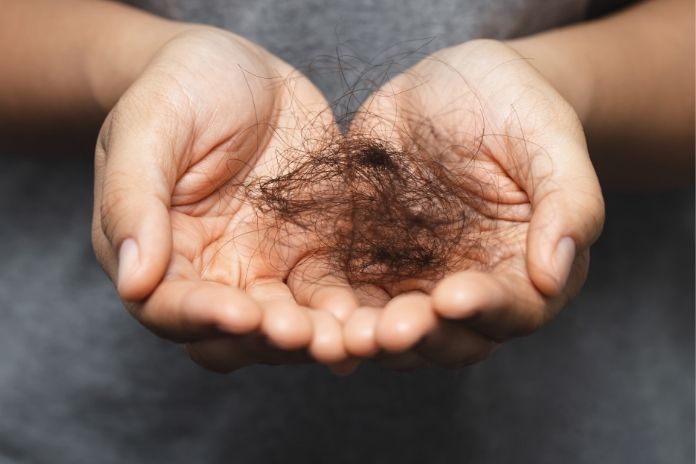
Symptoms usually begin to show up with visible extra strands on the pillow, a widening of scalp gaps, and/or round patches. Key symptoms include:
- Hair loss, which may be patchy or spread widely, can occur suddenly or develop gradually over weeks, depending upon the cause.
- Broken hairs, scaling, redness, or itching typically indicate infections, such as tinea capitis, rather than autoimmune causes.
- Loss of eyebrow or eyelash hair is a pattern commonly linked with alopecia areata rather than fungal infections.
- Nail changes, typically small dents (pitting) or ridges, may provide a crucial clue to autoimmune alopecia.
- No regrowth after a few months is an indication for a medical consultation.
Diagnosis – How Doctors Find the Cause
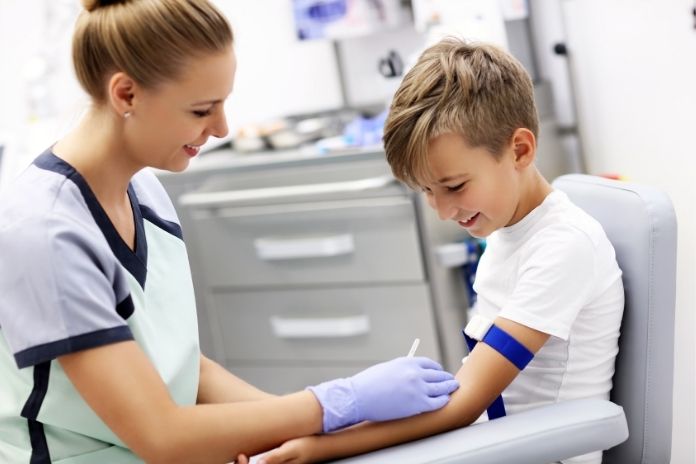
A pediatrician or dermatologist will perform several steps to find out what’s causing the hair loss:
- Scalp examination for overall patterns, texture changes, scaling, or any signs of infection to help diagnose.
- A detailed history of recent illnesses, stress, dietary changes, hairstyles, or habits, such as pulling hair, contributes valuable clues.
- Scalping or fungal culture if tinea capitis is suspected, as clinical examination alone is not always reliable.
- Blood tests to check thyroid function, iron levels, vitamin D, zinc, or autoimmune markers for systemic causes.
- A scalp biopsy is performed in rare instances where scarring alopecia or unclear patterns require deeper investigation.
Early diagnosis prevents unnecessary treatments and reduces the chances of long-term follicular damage.
Treatment Options — What Works for Kids
Treatment is always based on the exact diagnosis after a thorough examination of the child.
For Alopecia Areata
- Physicians may prescribe topical corticosteroids or steroid injections to calm inflammation around the follicles and encourage regrowth.
- In mild cases, minoxidil can promote new hair growth. However, it should be used in children only under the supervision of a doctor.
- Severe or recurrent cases may be treated with topical immunotherapy, such as DPCP or SADBE. The therapies act by redirecting the immune response at the site of the scalp.
Dr Brittany Craiglow, MD, is a double board-certified dermatologist and pediatric dermatologist and an adjunct associate professor–dermatology at Yale School of Medicine in Fairfield, CT.. She shares, “So alopecia areata is one of the most common hair loss disorders we see in kids. A child presenting with hair loss. I think a lot of the kids we see with alopecia are often initially thought to have something else, most commonly tinea capitis, which is something that often does present with hair loss, but generally looks a little bit different.”
For Tinea Capitis
- Since topical creams are unable to penetrate deeply into the follicles, children require oral antifungal medications, such as griseofulvin or terbinafine.
- Physicians often recommend replacing or disinfecting the hairbrushes, pillowcases, hats, and towels used before treatment to prevent reinfection.
For Traction Alopecia
- Parents should avoid making styles too tight, switching styles often, and refrain from using bands or braids that pull too hard on fragile hair.
- Once traction stops, most children experience steady regrowth, unless scarring alopecia has already begun.
For Trichotillomania
- Behavioral therapy,habit-reversal training, and gentle emotional support play a stronger role than scalp medications.
- Parents may also be counseled to identify the stressors and develop calming routines that can reduce hair-pulling episodes.
For Nutritional Issues or Telogen Effluvium
- These programs focus on correcting the deficiencies in iron, vitamin D, zinc, or protein through dietary changes or supplements prescribed by a doctor.
- Shedding usually slows down after a few months with proper treatment and nutrition, and the hair density returns to normal.
Read More: 10 Essential Nutrients for Children’s Growth and Development
Supporting a Child Emotionally — Helping Them Cope

The issue of losing hair is not just physical. The problem relates to a child’s identity, their confidence level, and interactions in school. It is noted that emotional support plays an important role during this time.
Parents can help by:
- Reassuring the child that the hair loss is not their fault and that many children experience similar conditions.
- Speak with teachers or caregivers so that the child will always receive the right support and compassion in the event of teasing or bullying.
- Encourage confidence-building activities such as sports, art, or hobbies that offer a sense of normalcy and belonging.
- Consider cosmetic options, such as hats, scarves, soft caps, or wigs, if a child wants to cover up.
- Reaching out to support groups, especially organizations working for kids, like the Children’s Alopecia Project or NAAF.
When to Consult a Dermatologist or Pediatric Specialist
Parents should seek specialized care if:
- Hair loss continues after 3 months or significantly worsens over time.
- They see certain signs of infection, such as pain, redness, swelling, or discharge.
- The bald patches are smooth and round, without scaling, which points to alopecia areata.
- It starts affecting eyelashes, eyebrows, or nails.
The child will experience emotional distress or withdrawal resulting from the appearance changes.
Quick Summary
Alopecia in children may be caused by autoimmune disease, fungal infection, stress, nutrition, hairstyles, and even behavioral conditions. Most types of hair loss in children are treatable, especially when detected early.
Treatment options can range from antifungals and steroids to lifestyle changes and emotional support. Parents should pay attention to the psychological impact and seek specialized care when symptoms persist.
References
- https://www.healthychildren.org/English/health-issues/conditions/skin/Pages/Hair-Loss-Alopecia.aspx
- https://www.mayoclinic.org/diseases-conditions/trichotillomania/symptoms-causes/syc-20355188
- https://www.naaf.org/alopecia-areata/types-of-alopecia-areata/
- https://www.ncbi.nlm.nih.gov/books/NBK430848/
- https://www.ncbi.nlm.nih.gov/books/NBK430848/
In this Article