











Dementia doesn’t just steal memory; it often scrambles the body’s internal clock. When circadian rhythms drift off course, everything that depends on them starts to unravel. Sleep becomes shallow and fragmented.
Nights turn restless. Days blur into sluggish confusion. And behavioral symptoms like agitation, wandering, and “sundowning”, the evening spike in confusion and distress, intensify.
Here’s where light therapy steps in. By exposing dementia patients to bright, daylight-like light at the right time of day, clinicians aim to help reset those disrupted internal rhythms. It’s not a cure, but it’s one of the most promising non-drug tools for restoring structure and calm to daily life.
The key, though, lies in the details, the lamp’s brightness and spectrum, the timing of exposure, and consistent monitoring. This article breaks down the science behind light therapy in dementia care, what the evidence really says, what safety measures matter, and how to choose a lamp that works in the real world.
You’ll also find five practical product recommendations, along with insights from Alzheimer’s Society and current clinical research, so you can make an informed, confident choice.
Read More: 15 Engaging Activities for Dementia Patients That Stimulate Memory and Boost Mood
How Light Therapy Helps People with Dementia
Light that reaches the retina is the primary cue the brain uses to set the circadian pacemaker in the suprachiasmatic nucleus. That signal helps regulate melatonin, sleep timing, and core daily rhythms, thereby influencing alertness and activity.
In dementia, the circadian system is commonly weakened. Cells die or signals weaken, routines fall apart, and the patient’s internal day-night timing becomes disrupted. Timed bright light therapy can act like a daily reset, blunt but often helpful.
Over the past decade, researchers have tested this approach in nursing homes, clinics, and home settings, through randomized trials, pilot studies, and meta-analyses. The results are mixed but encouraging: better sleep, steadier mood, fewer agitation episodes, and in some cases, small improvements in attention and cognition.
What the trials show:
- Several randomized trials and controlled studies have reported modest improvements in sleep efficiency, reduced nighttime wakefulness, fewer episodes of agitation, and better daytime activity following bright light therapy protocols.
The landmark long trial by Riemersma-van der Lek and colleagues (2008) combined light and melatonin and reported modest benefits in cognitive and non-cognitive symptoms.
- More recent systematic reviews and meta-analyses find overall positive signals, particularly for sleep and some neuropsychiatric symptoms, while emphasizing variability across studies (small sample sizes, different light doses and timing, and inconsistent follow-up).
A 2022–2023 cluster of systematic reviews concluded phototherapy can improve cognition and sleep in dementia, but that more large, standardized RCTs are needed.
- Pilot trials using ambient brightening (bigger room fixtures rather than tiny boxes) and photobiomodulation (near-infrared helmets) are encouraging, especially for mild-to-moderate cases, but these are still early.
Bottom line: evidence is promising but not definitive. Leading charities and clinical guidance (for example, Alzheimer’s Society) advise caution, more research is needed, and light therapy should be used as part of a supervised care plan, not as a standalone cure.
Read More: 9 Essential Tips for a Dementia-Friendly Environment
Key Features to Look for in a Light Therapy Lamp for Dementia Patients
When you’re choosing a lamp for someone with dementia, the device matters, not just the brand name. Below are the technical and practical features that make a real difference in effectiveness and safety.
1. Lux/brightness
- Therapeutic studies for circadian entrainment typically use high-intensity light. For many interventions, the effective range is ~1,000 lux to 10,000 lux, with 10,000 lux at a safe working distance (arm’s length) being the standard in most clinical protocols for 20–30 minute sessions. Lower lux can work with longer exposure, but that requires more caregiver supervision.
2. Spectrum/color temperature
- Daylight-like, full-spectrum white or blue-enriched light is most effective for circadian effects because the intrinsically photosensitive retinal ganglion cells (ipRGCs) are particularly responsive to the blue portion of the spectrum. Adjustable color temperature is an advantage when you want to tailor therapy and reduce glare or blue exposure late in the day.
3. UV safety / filtered light
- The lamp should be UV-free (or have UV filters). Therapeutic devices use LEDs or filtered fluorescents that exclude UV to protect delicate aging eyes. Always confirm manufacturer claims about UV output.
4. Size, angle, and spread
- A wide, diffuse panel is preferable to a small bright point. With dementia patients, you do not want to force them to stare at a tiny lamp. Larger panels allow the person to receive effective light while going about their morning routine (breakfast, reading, social time). Look for adjustable angles or floor models that can be positioned above eye level.
5. Timers and session control
- Built-in timers, memory settings, and countdowns make adherence easy and reduce caregiver micromanagement. Some devices have gradual ramps (dawn/dusk simulators) that can be gentler for users with very sensitive eyes.
6. Ease of use and safety features
- Simple on/off/timer controls, stable base (no tipping risk), minimal glare, and no flicker. Devices that deliver 10,000 lux from a safe distance (not requiring the person to lean forward or stare) are ideal.
7. Durability & warranty
- Clinical use means daily exposure; choose lamps with solid warranties and accessible customer service. Brands that sell to clinics or have clinician endorsements tend to be built for heavier use.
How to Use Light Therapy Safely with Dementia Patients
Light therapy works only when timing and dose are correct. Use the steps below as a practical, conservative plan, and coordinate with the primary clinician or geriatrician.
Timing
- For most people, morning light is best (within 1–3 hours of habitual wake time). Morning bright light helps advance the circadian phase, increasing daytime alertness and improving nighttime sleep. Avoid high-lux exposure late in the day or at night because it can suppress melatonin and delay sleep onset.
Session length
- A common starting protocol is 30 minutes per day using a 10,000-lux device at the recommended distance (often ~12–20 inches for many boxes, or arm’s length for desk models). If you use a lower-lux lamp, increase the session time accordingly. Start conservatively and watch for tolerance.
Positioning
- Place the lamp above or at eye level, slightly to the side, so the person gets bright light in their field of view without staring directly into the LEDs. For people who are bedridden or less mobile, a floor lamp or a larger panel that lights the room is often more practical.
Monitoring and contraindications
- Watch for signs of eye discomfort, headaches, increased agitation, or sleep disturbances. People with bipolar disorder, certain eye diseases (e.g., uncontrolled retinopathies), or those on photosensitizing drugs should get medical clearance first. If adverse effects occur, discontinue therapy and consult your clinician.
Combine with a daytime/ nighttime light schedule
- Light therapy is most effective when used alongside consistent daytime activities, exposure to natural daylight when possible, and a dark, quiet bedroom at night. The goal is 24-hour rhythm support rather than a single 30-minute box of light.
Read More: 9 Midlife Health Conditions That Can Raise Your Dementia Risk
Top Light Therapy Lamps to Consider (practical picks and why)
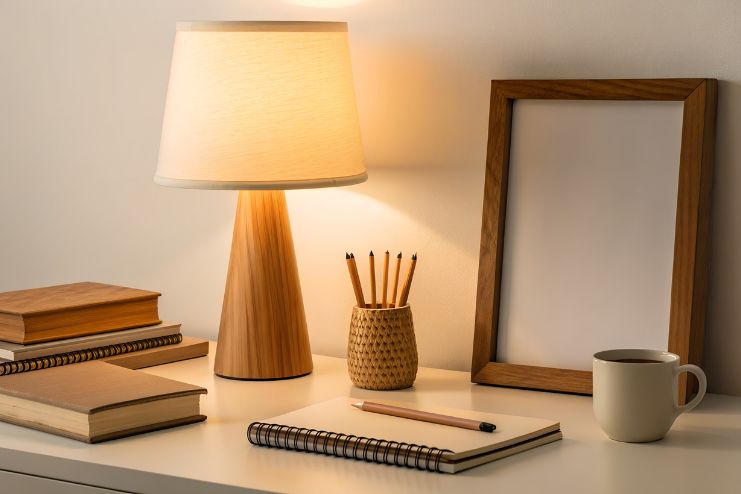
Below are five devices that match the features above and are commonly available to caregivers and clinics. We list the device, the practical specs, and why it’s a reasonable pick for dementia care. Check current availability on Amazon and ask your clinician whether a device should be added to your care plan.
Selection note: picks emphasize 10,000 lux capability, wide panels or adjustable placement (to avoid forcing gaze), UV-free operation, and clinician/usability endorsement. Product specs come from manufacturer pages and clinic references.
1) Verilux HappyLight Luxe (10,000 lux model)
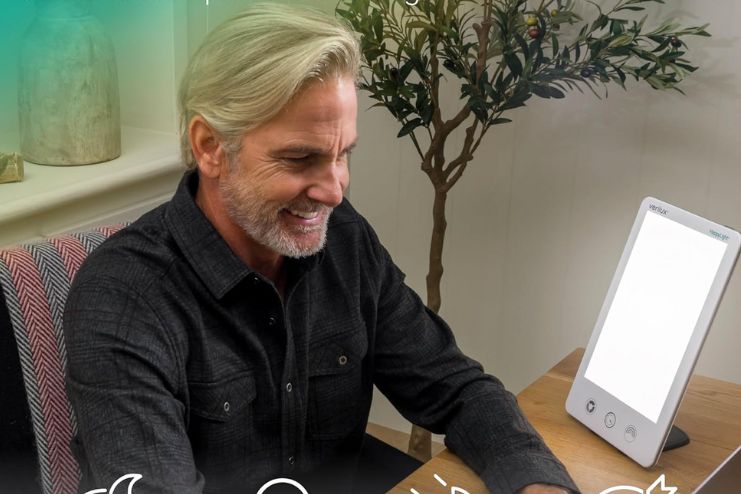
- What it is: A user-friendly light box delivering up to 10,000 lux, full-spectrum, UV-free LEDs, has a timer, and adjustable brightness. Designed for desktop/tablet use.
- Why it’s good for dementia: Simple controls, reputable brand with clinical history for SAD treatment, and a large enough panel for short morning sessions without forcing a stare. Good entry-level device for home carers.
Buy Here: Verilux HappyLight Luxe – Light Therapy Lamp
2) Carex Day-Light Classic Plus (10,000 lux)
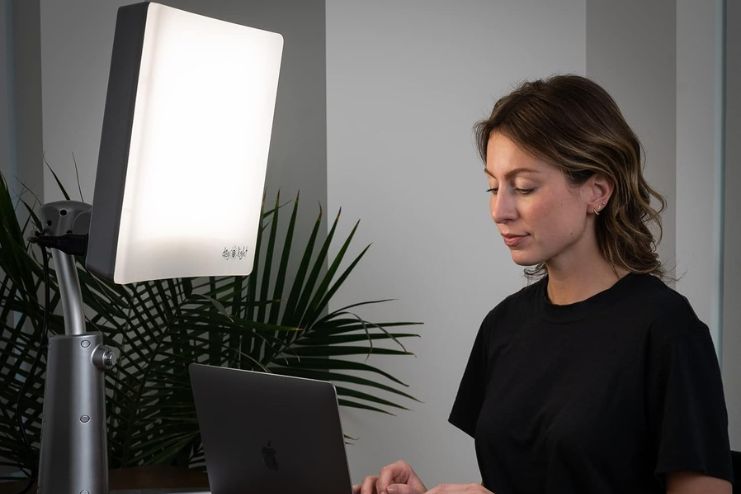
- What it is: Large screening panel delivering 10,000 lux at ~12–14 inches, adjustable head and tilt, marketed for therapeutic use. Widely sold and affordable.
- Why it’s good for dementia: Large surface area and downward projection mimic natural sunlight, so the person can receive effective dosing while engaged in morning activity (eating, reading). Durable and clinic-friendly.
Get Now: Carex Day-Light Classic Plus Sunlight Therapy Lamp
3) Lumie Mini / Lumie Task (UK/Europe clinical brand)

- What it is: Lumie’s lamps are designed specifically for circadian therapy: 10,000 lux at recommended distances, high CRI (better visual comfort), dimming, and color adjustments on some models.
- Why it’s good for dementia: Lumie emphasizes visual comfort (CRI) and clinical testing; their designs are easy to position and often recommended in UK clinical settings; pricier but ergonomically built.
Buy Now: Lumie Vitamin L Light Therapy Lamp
4) Northern Light Technologies (box and floor lamp models)
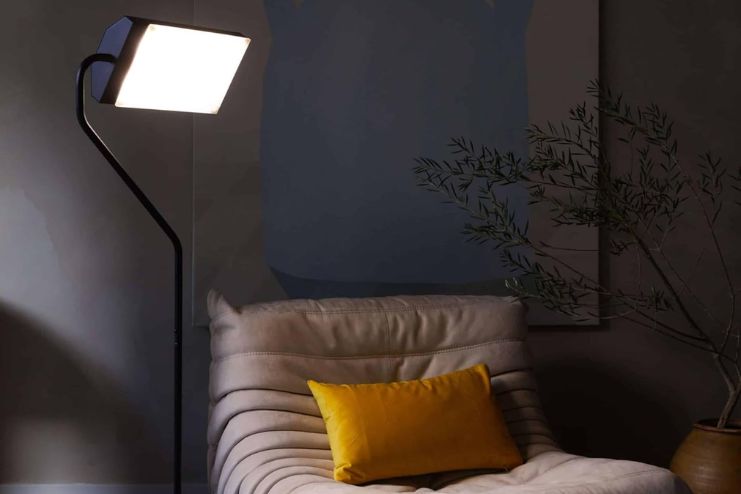
- What it is: A provider of clinical-grade bright light devices, desk lamps, floor lamps, and big panels that deliver 10,000 lux at clinically practical distances. Built for clinic use.
- Why it’s good for dementia: They produce larger panels and standing lamps (e.g., Flamingo floor lamp) that can brighten a room rather than forcing direct gaze, useful for less cooperative or mobility-limited patients.
Get Here: Northern Light Technologies Flamingo
5) SUXIO Light Therapy Lamp (10,000 Lux)
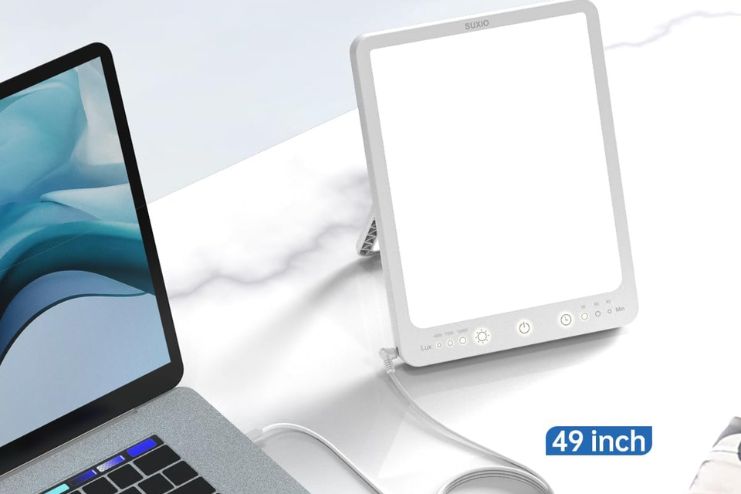
- What it is: The SUXIO Light Therapy Lamp is a compact, UV-free device that mimics natural sunlight, offering up to 10,000 lux of brightness. It’s designed to boost alertness, energy, and mood through safe daily light exposure. With adjustable brightness and timer settings, it’s practical for home or desk use.
- Why it’s good for dementia: Light therapy helps regulate the sleep–wake cycle, which is often disrupted in dementia. Regular exposure to bright light can improve sleep quality, reduce agitation, and stabilize mood. It’s a non-invasive, drug-free way to enhance daytime alertness and overall well-being in dementia patients.
Buy Now: SUXIO Light Therapy Lamp
Practical buying tips: Check the manufacturer’s specs for lux at the specified distance, UV filtering statement, return policy, and warranty. People with dementia prefer lamps that deliver 10,000 lux at a comfortable distance (and that have stable stands, timers, and large diffusing panels).
How to Choose the Right Lamp for Your Situation
- Bedside vs living area:
- Bedside: compact desk lamps (Lumie Mini, Verilux) positioned near the bed work well for morning routines or wake-up support.
- Living area: floor lamps or ambient panels (Northern Light, Carex floor models, or Boxelite) are better when patients spend mornings in a common room and won’t sit still in front of a box.
- Room size and placement: Larger rooms need lamps or multiple panels that raise ambient lux; 10,000 lux boxes are measured at a close distance, so don’t expect a small box in the corner to illuminate the whole living room.
- Budget vs features: A higher price buys clinical design, stronger warranties, and better diffusion (less glare). Lower-cost lamps can still help if you follow the recommended distance/time, but may be less durable.
- Certifications & claims: Prefer UV-free LED lamps and avoid bold medical cure claims. If a device is marketed as a treatment for Alzheimer’s with dramatic headline claims, check for peer-reviewed trial evidence.
Key Takeaways
Light therapy is a safe, low-risk way to help stabilize sleep, reduce agitation, and boost daytime alertness in some people with dementia. Studies show modest but consistent benefits when it’s used correctly. It’s not a cure, but it can ease symptoms and restore a bit of daily rhythm, a small but meaningful win for both the person and their carer.
Choose lamps that deliver 10,000 lux at the recommended distance, ideally with UV-free LEDs, wide light diffusion, and built-in timers for safety and convenience. Verilux and other medical-grade models are often used in clinical settings. If sitting in front of a small box isn’t realistic, consider larger ambient lighting systems to make the exposure more natural.
Use the light in the morning, starting with about 30 minutes a day. Place it to the side rather than directly in front of the eyes, and monitor for discomfort, headaches, or increased agitation. If these occur, stop and consult a clinician. When used consistently and safely, light therapy can become a gentle, practical way to bring calm and structure back into the day.
References
- https://www.alzheimers.org.uk/about-dementia/treatments/alternative-therapies/light-therapy-and-dementia
- https://pmc.ncbi.nlm.nih.gov/articles/PMC10578524/
- https://www.sciencedirect.com/science/article/abs/pii/S019745722030210X
- https://pmc.ncbi.nlm.nih.gov/articles/PMC6363327/
- https://www.theaftd.org/posts/front-page/new-research-shows-light-therapy-can-improve-dementia-related-symptoms/
- https://www.samvednacare.com/blog/application-and-benefits-of-bright-light-therapy-for-dementia-patients/
- https://www.alzinfo.org/articles/prevention/let-the-sunshine-in/
- https://www.frontiersin.org/journals/psychology/articles/10.3389/fpsyg.2021.782160/full
- https://www.sciencedirect.com/science/article/pii/S1041610224025511
- https://onlinelibrary.wiley.com/doi/10.1002/brb3.2952
- https://www.alzinfo.org/articles/prevention/how-light-may-help-people-with-alzheimers-disease/
- https://www.alzheimers.gov/clinical-trials/light-and-cognitive-therapy-alzheimers-disease
In this Article