














Today, let’s talk about that one thing that we do not often discuss. Something that may seem trivial, yet has occasionally crossed our minds.
It’s something almost everyone has done but no one admits to: peeing in the shower. It feels harmless, even easy. After all, everything’s going down the drain anyway, right? However, this act sparks curiosity and debate: Is peeing in the shower hygienic, or is it just plain gross?
Many people say it’s an eco-friendly choice that saves a flush or two. While others worry about hygiene, bacteria, and making your bladder respond to running water. The truth lies somewhere in between.
In this article, we will understand the science and hygiene behind peeing in the shower. We will learn about when it’s fine, when it’s not, and how to keep your shower (and bladder) in good shape if you do it.
Read More: 19 Shower Mistakes You Didn’t Know Were Hurting You
Is It Actually Safe to Pee in the Shower?
If you are healthy and using your own private shower, peeing there every now and then is generally safe. Urine from a healthy person is mostly sterile when it leaves the body. Also, running water quickly dilutes and washes it away. So for most, this habit has no real danger.
But under certain conditions, there might be issues:
- For example, if you have developed a UTI, your urine can contain bacteria that can survive on surfaces.
- Similarly, open cuts or irritated skin on the legs or feet can increase the risk of infection. This is especially true in damp conditions.
- If there are several people using the same shower, like in hostels, gym locker rooms, or apartments, the hygienic perspective changes completely. Shared surfaces and poor cleaning habits facilitate the survival and multiplication of bacteria and fungi.
In short, peeing is safe in your own clean shower, but risky in shared showers.
Key Takeaways
- The risk is minimal for most healthy people.
- If you are sick, infected, or share your bathroom, you should avoid it.
- Hygiene and drainage quality make all the difference.
What’s in Urine? Understanding What You’re Washing Away
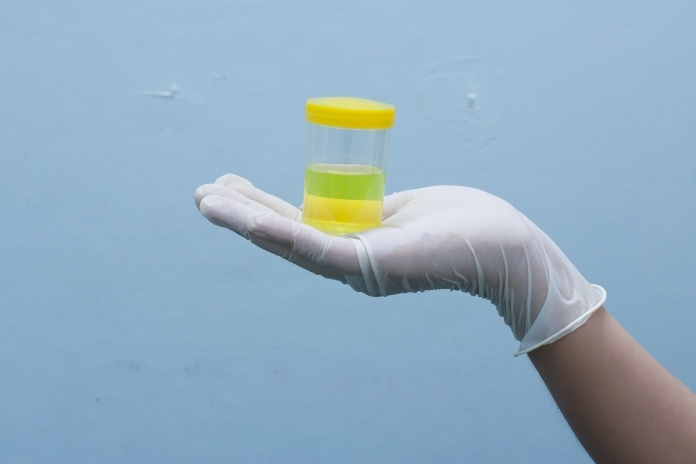
Urine is roughly 95% water, with the remaining 5% consisting of urea, salts, creatinine, and small amounts of waste products. It also contains trace minerals, hormones, and byproducts of metabolism.
While often considered sterile, that’s not actually true, because even healthy urine contains bacteria, just in very low amounts. Normally, those bacteria are not harmful unless they reach wounds or mucous membranes.
But the composition of urine changes, based on your health, hydration, and diet:
- Dehydration concentrates urine, leading to a stronger smell and higher waste content.
- Some foods, such as asparagus and coffee, and some supplements can change the odor or pH.
- Infections or metabolic disorders may introduce pathogens or substances that irritate the skin.
- The fresher and more diluted the urine is, the less likely it is to leave residue or irritate when washed out immediately with running water.
Potential Hygiene Concerns of Urine
Peeing in the shower might seem normal and harmless. However, the warm, moist conditions promote microbial growth if the area isn’t cleaned regularly. Here are a few hygiene concerns:
1. Bacterial and Odor Problems
When urine does not drain off quickly, it can leave residues behind, especially in poorly draining showers. Over time, these residues mix with soap scum and organic matter, creating an ideal environment for bacteria and mold to thrive. This fosters the potential development of odors and discoloration in tiles or grout lines.
Modern plumbing can easily adjust to small amounts of urine. However, constant urination in showers that do not drain well can give rise to lingering odors. The smell can turn extreme when the drain trap is flushed regularly with hot water or cleaning solutions.
2. Skin Health and Foot Health
Healthy skin acts as a barrier to infection. However, if you have cracked skin, shaving nicks, or fungal infections such as athlete’s foot, then even diluted urine may further irritate an affected area or slow its healing.
3. Shared Bathroom Risks
In shared or communal showers, one person’s urine residue may expose someone else to bacteria or fungi. Even if the infection risk is less, it’s just not a clean practice. Especially under warm, moist conditions where microbes can spread rapidly.
4. Pelvic Floor Conditioning
Some pelvic floor experts warn that peeing in the shower regularly can lead to bladder conditioning. Your body simply learns to link the sound of running water with having to pee. And this, over time, could be a significant reason behind increased urinary urgency or leaks in those with weakened muscles.
Read More: 18 Health Benefits Of Cold Shower – Kick-Start Your Body Functions
Can It Offer Any Benefits?
Surprisingly, yes. Peeing in the shower isn’t all bad news. There are a few practical and environmental advantages to be considered.
- Water Conservation: A typical toilet flush uses from 1.6 to 3 gallons of water. If you skip just one flush a day, you may save more than 1,000 gallons of water per year. For eco-conscious households, that is a meaningful reduction.
- Convenience and Efficiency: For many, peeing in the shower simply feels convenient; it saves a trip to the toilet and a few seconds of clean-up. It’s a timesaver, mainly if one’s mornings are quite rushed.
- Less Toilet Paper Waste: By avoiding an extra flush, you might also save on toilet paper, indirectly saving water and waste.
Also, we must remember that convenience doesn’t necessarily mean hygiene. If you choose to do so, balance the habit with regular shower cleaning and a focus on your health.
When You Shouldn’t Pee in the Shower
Even if it is mostly safe for healthy people, there are instances when you should refrain from peeing in the shower:
- You have a UTI, bladder infection, or kidney condition. The urine may contain harmful bacteria.
- You share a bathroom with communal showers. Chances of cross-contamination increase in shared shower areas.
- You have cuts, rashes, or foot infections. Urine may irritate or infect exposed skin.
- Your bathroom has either poor drainage or mold growing. Standing water and urine residues contribute to bacterial growth.
- You’re having bladder control issues. Regularly peeing in the shower can reinforce urges upon hearing running water, making incontinence symptoms worse.
When in doubt, it’s better to use the toilet; this is what it’s designed for, and it keeps hygiene separate from where you bathe.
If You Do It — Hygiene Tips to Stay Safe
If you do pee in the shower sometimes, a few basic hygiene habits will keep things clean and low-risk:
- Rinse immediately. Don’t let urine sit on surfaces. Use the showerhead to direct water to the drain.
- Use soap and warm water. When you’re finished, immediately clean the area around the drain with soap to remove residues.
- Clean your shower weekly. Scrub the tiles, grout, and drain with disinfectant regularly to avoid buildup.
- Maintain good drainage. Ensure water doesn’t pool on the floor; stagnant water is a hygiene risk.
- Ventilate after showering. Proper ventilation stops mold and mildew.
- Avoid shared showers.
- Stay hydrated. The more hydrated you are, the clearer and less odorous your urine will be.
These steps make a big difference between a clean habit and an unsanitary one.
Read More: Cold Showers vs. Ice Baths: Which Recovery Method Works Best?
What Experts and Urologists Say
Health experts agree that for most people, peeing occasionally in your own shower has no major health risks. However, they also advise that it should not become a habit.
Urologists say that the urine of a healthy bladder is low-risk, but shouldn’t be in contact with open wounds.
Pelvic floor therapists commonly mention that peeing every time you hear running water can unconsciously condition your bladder, giving you urges to pee every time water flows-even if you don’t need to
“It’s probably not a big deal,” Jamin Brahmbhatt, MD, a urologic and robotic surgeon at Orlando Health South Lake Hospital, told Health. “There are people who pitch using urine as an antiseptic. When you have an open wound, you can pee on it to help avoid infection. The science behind this theory isn’t particularly strong,” said Dr. Brahmbhatt.
Meanwhile, dermatologists point out that if you keep your shower clean and the drain well-maintained, the hygiene risk is negligible.
The bottom line from experts: if you’re healthy, your shower is private, and you keep it clean, there’s little to worry about.
Conclusion
Here are a few points that we can conclude about peeing in the shower:
- Generally Safe: Among healthy individuals, in private showers, it’s not a big deal.
- Not Always Sterile: Urine contains some bacteria, so clean your shower regularly.
- Avoid if Sick: Avoid if you have infections, open wounds, or foot fungus.
- Environmental Advantage: You may save a few gallons of water per flush.
- Beware of Conditioning: Do not condition your bladder to connect the sound of running water with going to the bathroom.
Peeing in the shower isn’t essentially unhygienic, but neither is it totally risk-free. If it’s your own shower, you are healthy, and you rinse well, then there is no real harm. Just don’t make it a daily habit, keep your shower clean, and skip it if you’re sick or sharing the space.
At the end of the day, it is about personal hygiene and awareness, not guilt or taboo. Make the choice that’s right for you!
FAQs
Can peeing in the shower cause infections?
Not usually, but it can if you have UTIs or skin wounds. Keeping your shower clean reduces any risk.
Does it save water compared with flushing?
Yes. Skipping one toilet flush saves around 1.6–3 gallons each time.
Why do I feel like peeing when I hear running water?
That’s a conditioned reflex: if you pee in the shower often, your brain associates running water with the need to urinate.
Can I get athlete’s foot or skin infections from urine?
Not directly, but if urine stays on shower surfaces, it can worsen existing fungal infections or irritate broken skin. Always rinse and clean the area to stay safe.
References
- Jarrett, C. (2023, September 14). Does running water really trigger the urge to pee? Experts explain the brain-bladder connection. The Conversation
- Author unknown. (n.d.). Is peeing in the shower safe? Benefits, risks & hygiene tips. Health.com
- LibreTexts. (n.d.). 29.8: Urine composition and function. In Fundamentals of General Organic and Biological Chemistry (Body Fluids)
- U.S. Department of Energy. (2015, May 27). Conserving water, one drop at a time
- Author unknown. (2021, September 13). Is it hygienic to pee in the shower? Times of India
In this Article