











Special evenings, date nights, or even a random weekend binge are never complete without a scoop or two of my favorite ice cream. This has been my go-to evening ritual for years.
However, I never realised that consuming a sugary icy dessert right before my bedtime could affect my sleep in many ways. That’s what I was told by many after they discovered my habit. So, does this creamy indulgence affect how we sleep, or even what we dream about? Let’s find out!
Sleep plays a significant role in restoring our minds, balancing hormones, and even how we will feel and perform the next day. And while a late-night treat might seem harmless, what we eat before bed can subtly shape our sleep structure. Even more surprising is how this can influence our dreams.
In this article, we’ll explore how eating ice cream before bed affects sleep and dreams, and break down what the science says. Additionally, we’ll share smarter ways to enjoy your favorite dessert without putting your sleep at risk.
Read More: Craving Sweets? Try These Delicious Low-Sugar Desserts!
One survey of participants reported desserts and sweets as the most common culprits behind vivid or unpleasant dreams, followed closely by dairy products.
How Food Intake Before Bed Influences Sleep and Dreams

We all know that a meal taken too close to bedtime can make it difficult to fall asleep. Not just that, but it can also impact staying asleep or achieving stages of deep sleep.
When we eat too late, our digestive system is active at a time when it should be merely winding down. This affects core body temperature and delays melatonin release. This leads to changes in sleep cycles, including REM and slow-wave sleep.
Speaking of ice cream, three things matter the most:
- High Sugar Levels: Ice cream is often high in sugar, causing a late-night peak in sugar levels. This leads to a sudden burst of energy, followed by a “crash” of blood sugar during the night. This can make you wake up often in the night, leading to restless sleep.
- Dairy Content: The combination of lactose and fat can cause bloating, gas, or reflux in people with lactose sensitivity. This often disturbs deep sleep and rest.
- Fat Content: It is to be noted that foods high in fat will take longer to digest and may increase the risk of heartburn when you lie down soon after eating.
According to research, food-dependent dreaming, a phenomenon in which certain foods, more often the ones that disturb the stomach or change the metabolism, give dreams a more vivid or strange feel.
Dr. Alex Dimitriu, M.D., founder of Menlo Park Psychiatry & Sleep Medicine, says, “Nighttime blood sugar levels can also impact anyone’s sleep quality. Alcohol before bed, or eating sugary, high-glycemic index foods before sleep, can actually have the opposite effect of dropping glucose levels very low at night,” he explains. “The body then responds with cortisol, a sympathetic ‘fight or flight’ response to the low sugar levels, which can include insomnia, palpitations, night sweats, in a process known as reactive hypoglycemia.”
Read More: Delicious and Healthy Desserts for Diabetics
What the Research Says About Eating Ice Cream or Similar Foods Before Bed

Studies on Dairy and Nighttime Eating
The research we currently have on dairy and sleep is mixed. For some, milk and some types of dairy products help them fall asleep faster. This is due to the presence of tryptophan and calcium. However, for others, dairy upsets digestion once consumed.
In one study, children who consumed sugary or fatty snacks, such as ice cream, close to their bedtime experienced a significant delay in falling asleep as well as circadian rhythm disruptions. These results indicate that late-night eating, especially the calorie-dense foods, affects both sleep timing and quality.
Studies on Ice Cream/Sweets and Sleep Quality
Being high in sugar and saturated fat, ice cream is often included on the list of foods best avoided before bedtime. Why? Sugar increases energy and raises heart rate, while heavy fat content slows digestion. All this doesn’t let you sleep easily
Other studies on eating at night reveal that people who eat large or heavy meals late at night take longer to sleep and wake up frequently. Although individual responses vary, the combination of sweetness and dairy seems to enhance sleep disruption for many.
Can Ice Cream Affect Dreams and Nighttime Brain Activity?

The answer is yes. Foods like ice cream raise curiosity about their potential influence on dream recall and intensity. When digestion disrupts your sleep, you’re more likely to wake up during or right after REM sleep. This is the main reason and stage where dreams are most vivid. This causes the memory of dreams to be easier to recall and sometimes more emotionally intense.
For people sensitive to dairy, especially ice cream right before bed, it can cause some light gastrointestinal discomfort that disrupts sleep. Disturbed sleep often increases dream recall and can lead to bizarre dreams or even nightmares.
Another theory is the “blood sugar crash” phenomenon. It states that after having a snack rich in sugar, your glucose spikes and then crashes out during the night. This can trigger stress hormones such as cortisol or adrenaline, briefly waking you up from sleep and leaving visions of your dream lingering in your memory.

Myth vs Fact
Myth: “Eating ice cream before bed causes nightmares.”
Fact: Not necessarily. Though some people experience vivid or disturbed dreams after heavy or sugary late-night snacks, others sleep just fine. It depends on your metabolism, how well you digest the food, and the timing of the sweet treat.
Practical Advice — If You Want Ice Cream Before Bed, Here’s How to Do It Better
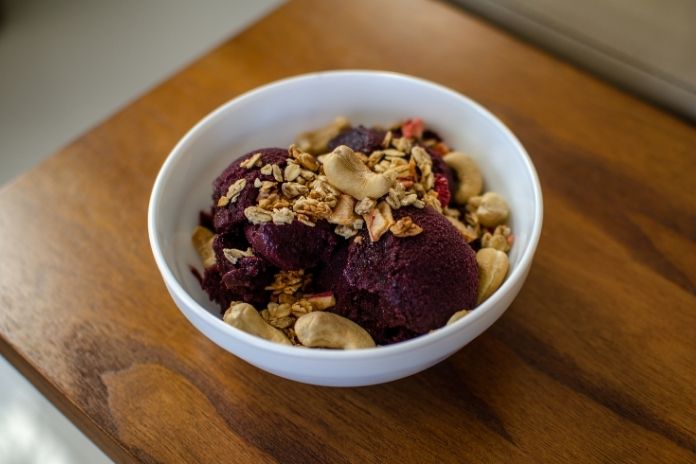
A little indulgence in this cold, sweet dish doesn’t have to ruin your night. You can still enjoy your favorite ice cream. All you have to do is a little strategic planning.
- Mind the timing of the dessert. Eat at least 1–2 hours before retiring to bed. This way, you give your body ample time to digest before lying down.
- Watch your portion size. A few spoonfuls or a small bowl are less likely to disrupt sleep than a large serving.
- Know your tolerance levels. If you’re lactose intolerant, opt for lactose-free or plant-based versions to avoid bloating and gas.
- Balance the sugar with a sprinkle of nuts or seeds that will slow down its absorption and reduce spikes.
- Keep a sleep diary. Pay attention to how different nighttime snacks affect your sleep and dreams; everyone is different. Recording this helps track patterns and make the right choices.
Read More: Hidden Sugars in Your Favorite Foods (and How to Avoid Them)
Key Takeaway
Eating ice cream before going to bed will likely impact sleep patterns and dreams due to its sugar, fat, and dairy content. A minimal amount consumed well before bedtime is not likely to hurt too many people. The heavier bowl right before lying down may lead to disturbed rest or strange dreams.
Those with lactose intolerance, reflux, or poor quality sleep should pay extra attention to timing and portion size. And no matter how tempting a late-night scoop sounds, maintaining good sleep hygiene, like keeping regular sleep hours and avoiding large meals late, is the best way to achieve good sleep at night.
References
- Radke, J. (2025, September 10). Is your diet influencing your dreams? Here’s what research says about food and nightmares. The University of British Columbia, Department of Psychology.
- Kalmbach, D. A., et al. (2024). Timing of evening meals and its effect on sleep and nightmare episodes. Nutrients, 16(8), 1573.
- BeatO Health. (2024, March 12). Foods to avoid before going to sleep. BeatO.
- Real Simple Editors. (2024, July 22). Foods you should never eat before bed. Real Simple.
- Frontiers in Psychology. (2025). Nightmare prevalence and associated factors in adults: A large-scale cross-sectional study. Frontiers in Psychology, 16, 1544475.
- Nielsen, T., & Carr, M. (2016). Nightmares and nightmare distress: A review of research and treatment. Sleep Medicine Clinics, 11(4), 515–531.
In this Article