















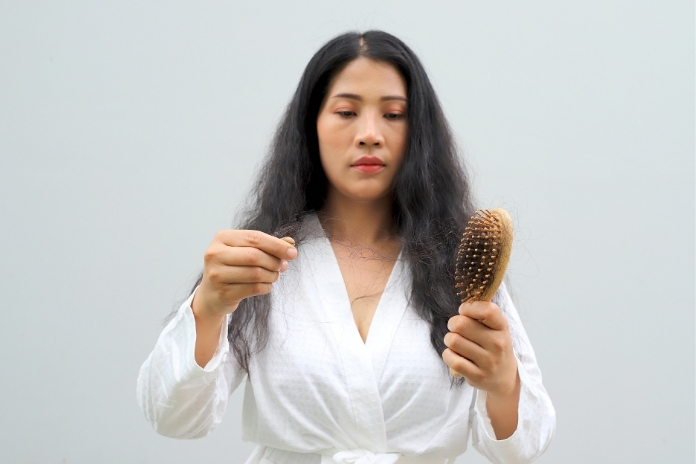
Menopause brings about significant changes, including sleep disturbances, mood fluctuations, skin issues, and, yes, your hair. Thinner strands, increased shedding, and a coarser texture are common complaints because falling estrogen levels and increased androgen activity alter how hair follicles function.
Menopause alters follicle biology. Hormonal changes during menopause shorten the hair’s growth (anagen) phase and may shrink follicle size. Reduced scalp blood flow and slower follicular metabolism also contribute to thinning, especially around the crown and temples.
Hair that once grew thick and fast may now feel dry, brittle, or noticeably sparse.
Recent studies (2024-2026) on menopausal hair loss have emphasized the hormone-related, multifactorial nature of this condition, in which up to 52% of postmenopausal women have been found to experience noticeable hair thinning due to reduced estrogen levels and increased androgen responsiveness.
For many women, this shift can feel like a blow to their confidence, even if it’s a completely natural part of the hormonal transition. Here’s the thing: no shampoo can “cure” menopausal hair loss, but the right one can make a real difference.
In this article, we’ll unpack what’s really happening to your hair during menopause, the science behind hormonal hair changes, the ingredients that actually help, and how to use them effectively. We will also review the best shampoos that support hair during menopause.
-
- Best Overall: Ultrax Labs Hair Surge Shampoo & Hair Solaye Conditioner: Contains caffeine + saw palmetto for DHT support and scalp stimulation.
- Best Budget: PURA D’OR Original Gold Label Anti-Thinning Shampoo and Conditioner: Most affordable biotin-rich option with strengthening benefits.
- Best for Sensitive Scalp: L’Oréal Paris EverPure Volume Sulfate-Free Shampoo and Conditioner: Gentle, sulfate-free, and color-safe, with a mild botanical scent, suitable for sensitive scalps.
Best Shampoos for Hormone-Related Menopausal Hair Thinning – 2026 Guide
Here’s a quick snapshot of the best shampoos for menopause related hair loss. Continue scrolling down for detailed reviews of each product.
Best Shampoos
Best Shampoos for Hormone-Related Menopausal Hair Thinning
| Product Name | Best For | Key Ingredients | Star Rating |
|---|---|---|---|
| L’Oréal Paris EverPure Volume | Best for Fine, Color-Treated Hair | Lotus Flower Extract, Sulfate-Free Cleansers | ★ 4.5 |
| DS Laboratories Revita Shampoo | Best Overall for Scalp Health | Caffeine, Biotin, Amino Acids, Ginseng, Turmeric | ★ 4.3 |
| PURA D’OR Original Gold Label | Best Budget Option | Biotin, Nettle Extract, Pumpkin Seed, Black Cumin Seed Oil, Aloe Vera | ★ 4.3 |
| VEGAMOUR GRO | Best Clean/Vegan Formula | Curcumin Stem Cell Extract, Mung Bean, Red Clover, Karmatin | ★ 4.3 |
| Ultrax Labs Hair Surge + Hair Solaye | Best for DHT Support & Stimulation | Anti-itch creams, antihistamines | ★ 3.9 |
What Happens to Hair During Menopause
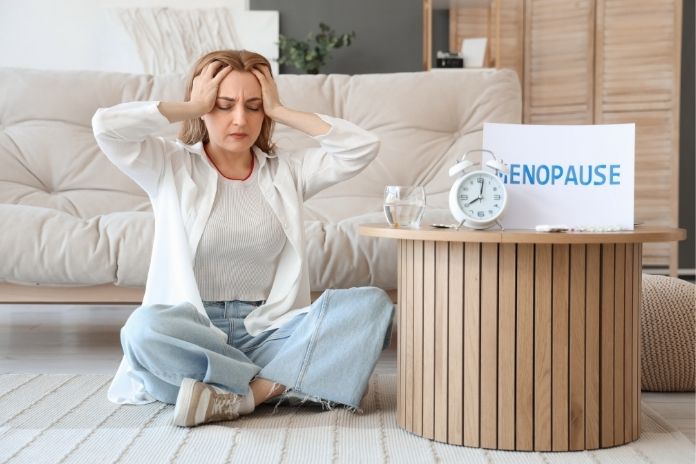
During menopause, dropping estrogen and progesterone levels set off a chain reaction that changes how your hair grows and feels. These hormones usually keep your hair in its growth phase longer, support healthy blood flow to your scalp, and maintain thick, strong strands.
When these hormone levels fall, androgens like DHT (dihydrotestosterone) take center stage. Your hair follicles can start to shrink, producing thinner, shorter hairs that don’t grow as long as they used to. Over time, you’ll notice thinning—especially along your part line or at the crown.
But it’s not just about hormones. Midlife brings other changes too: slower cell renewal, less collagen and elastin in your skin and scalp, and weaker circulation. That means fewer nutrients and less oxygen reach your follicles. Layer on common nutritional shortfalls—low iron, vitamin D, or biotin—and you’ve created the perfect conditions for brittle, shedding hair.
Research shows that estrogen helps keep scalp blood vessels open. When it declines, those vessels can narrow, reducing blood supply to your follicles. This explains why some women notice their hair feels drier, duller, or suddenly different in texture around menopause—it may feel coarser or harder to style.
“There is an increase in testosterone in the body. It attaches to the androgen receptors and produces DHT (or dihydrotestosterone), which is what makes hair follicles miniaturize,” explains Helen Reavey, a trichologist, celebrity hairstylist, and founder of scalp-care brand Act + Acre.
Here’s the bottom line: shampoos alone can’t reverse follicle shrinkage, but that doesn’t mean they’re useless.
Ingredients to Look for in a Shampoo for Menopausal Hair Loss
The right shampoo won’t stop hormonal hair loss, but it can support scalp health, reduce breakage, and create better conditions for growth. Think of it as part of a team, working alongside nutrition, stress management, and medical treatments to help your hair look and feel stronger.
When choosing a shampoo, focus on evidence-backed ingredients rather than marketing buzzwords. Here’s what actually works:
Caffeine and Niacin (Vitamin B3) – Scalp Stimulants
Caffeine penetrates follicles and has been shown to reduce shedding and increase hair density, with some studies showing results comparable to minoxidil. Niacin improves scalp circulation. These are easy, safe additions to your routine.
Saw Palmetto, Pumpkin Seed, Nettle – Mild DHT Blockers
These botanical extracts may help inhibit the enzyme that converts testosterone into DHT, a key driver of follicle shrinkage. Evidence is promising but limited. Expect subtle, gradual effects.
Ketoconazole – Anti-Inflammatory
Found in 1–2% medicated shampoos, ketoconazole calms scalp inflammation and may reduce local DHT activity. Dermatologists often recommend using it once or twice weekly.
Biotin (Vitamin B7) – Structural Support
Biotin strengthens existing hair shafts and improves appearance, but it only promotes new growth if you’re biotin-deficient (which is rare). Topical use is generally safe, though high-dose supplements can interfere with lab tests.
Peptides, Aminexil, Procyanidin B2 – Growth-Phase Supporters
These compounds may prolong the hair growth phase and improve density. Evidence is mixed, and effects are milder than prescription treatments.
Moisture Agents – Argan Oil, Keratin, Ceramides, Amino Acids
Menopausal hair often becomes drier and more breakage-prone. These ingredients restore smoothness and shine without weighing hair down.
The Gold Standard: Topical Minoxidil
Minoxidil (2% or 5%) remains the most proven treatment for increasing hair density in women with thinning hair. Shampoos work well alongside it to improve scalp condition and product absorption.
Read More: Biotin for Hair Loss & Growth: Does it Really Work for Hair Loss
Features to Prioritize in Menopause-Friendly Shampoos
- Leave-in time: Choose shampoos that recommend 1–2 minutes of contact before rinsing for better ingredient absorption
- Massage-friendly lather: Helps improve circulation
- Sulfate-free options: Better for sensitive or color-treated hair
- Transparent labeling: Look for clear ingredient concentrations and avoid “miracle growth” claims
The Bottom Line: Shampoo alone won’t reverse hormonal hair loss. That requires addressing internal hormonal changes. But the right formula, combined with proper nutrition and medical treatment when needed, can significantly improve scalp health, reduce shedding, and make hair appear fuller and healthier.
Top 5 Shampoos to Treat Menopause-Related Hair Loss
Below are five well-regarded shampoos that target thinning hair and scalp health during menopause. Each product offers a distinct ingredient profile and formulation approach. Always review the current ingredient list on the brand’s official site, as formulations can change over time.
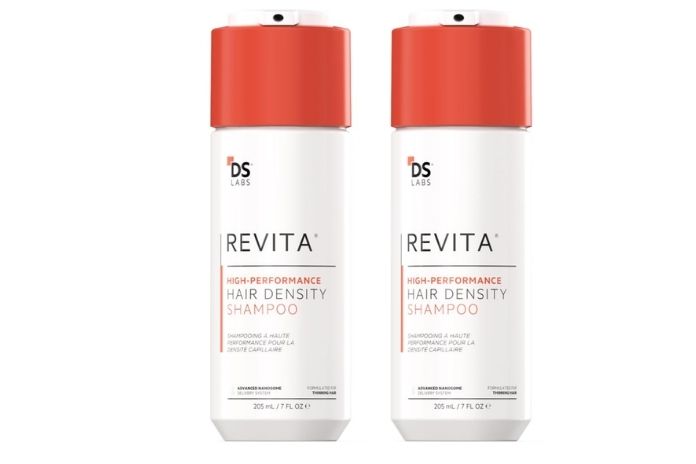
1. DS Laboratories Revita Shampoo
Pros:
- Gently removes buildup for a clean, weightless scalp feel.
- Contains caffeine, biotin, amino acids, ginseng root, and turmeric.
- Helps hair appear fuller, more voluminous, and easier to style.
- Provides lightweight hydration without heaviness.
- Sulfate-free, silicone-free, dermatologist-tested, and color-safe.
- Suitable for daily use and all hair types.
Cons:
- Higher price point compared to drugstore options.
- Active ingredient concentrations are proprietary.
- May require consistent long-term use for noticeable thickening benefits.
Best For:
Men and women with thinning, flat, or buildup-prone hair who want a lightweight, scalp-focused volumizing shampoo that’s safe for color-treated hair.
Price Per Ounce:
Approximately $5.00–$5.25 per oz (based on ~$36 for 7 fl oz; pricing may vary by retailer and 2-pack offers).
Scent Description:
Clean, fresh, slightly herbal scent; light and not overpowering.
User Rating Summary:
Typically rated around 4.3 stars, with users noting improved scalp feel, reduced heaviness, and enhanced volume over time.

DS Laboratories Revita Shampoo
We recommend DS Laboratories Revita Shampoo supports thicker, fuller hair. Enriched with caffeine, biotin, and antioxidants, it strengthens strands, improves scalp health, and is safe for color-treated hair..
*Purchases through this link support our research at no extra cost to you.
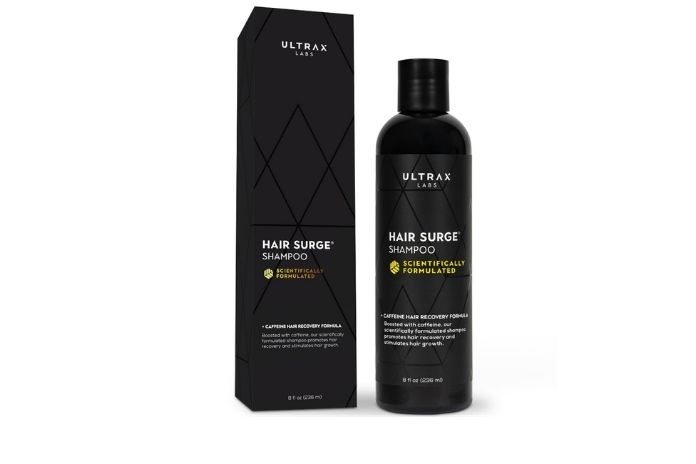
2. Ultrax Labs Hair Surge Shampoo & Hair Solaye Conditioner Bundle
Pros:
- Contains caffeine + saw palmetto (CaffinoPlex® blend) to support DHT modulation.
- Includes niacin, peppermint oil, and mango butter to nourish scalp and strands.
- Helps reduce breakage and improve the appearance of thickness.
- Stimulating, energizing scalp sensation.
- Suitable for daily use and all hair types.
- Cruelty-free and made in the USA
Cons:
- A strong tingling sensation may irritate sensitive scalps.
- Premium price compared to standard volumizing shampoos.
- Results vary; requires consistent use for visible changes.
Best For:
Men and women experiencing thinning or breakage who want a stimulating, caffeine-based formula that targets scalp health and DHT-related hair loss.
Price Per Ounce:
Approximately $7.50 per oz (based on ~$59.99 for 8 fl oz; bundle pricing may vary by retailer).
Scent Description:
Fresh, minty scent with noticeable peppermint; cooling and relaxing.
User Rating Summary:
Typically rated around 3.9 stars, with users highlighting scalp stimulation and improved fullness; some report dryness or sensitivity.

Ultrax Labs Hair Surge Shampoo & Hair Solaye Conditioner Bundle
We recommend Ultrax Labs Hair Surge Shampoo & Hair Solaye Conditioner Bundle is a caffeine-based formula that stimulates hair follicles, helps reduce thinning, and promotes thicker, fuller-looking hair with regular use.
*Purchases through this link support our research at no extra cost to you.
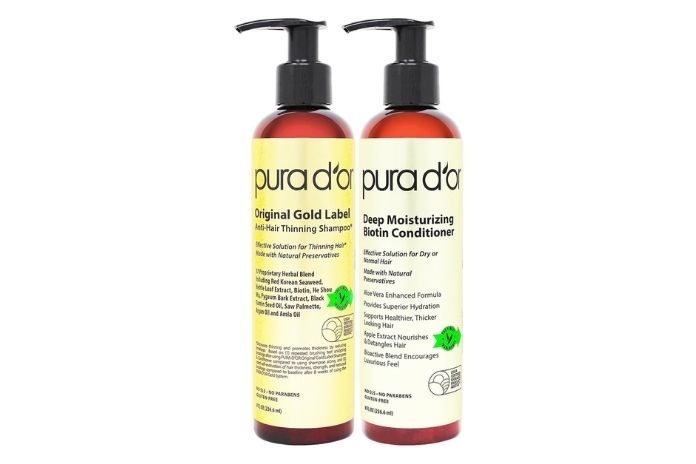
3. PURA D’OR Original Gold Label Anti-Thinning Biotin Shampoo and Conditioner
Pros:
- Contains biotin and a proprietary blend of 17 key ingredients (including nettle extract, pumpkin seed, black cumin seed oil, and saw palmetto).
- Clinically tested to reduce the appearance of thinning and improve hair strength.
- Aloe vera–based formula instead of a water-based formula for added nourishment.
- Sulfate-free, paraben-free, cruelty-free.
- Suitable for daily use and safe for color-treated hair.
- Helps reduce breakage and improve overall hair appearance.
Cons:
- Low-lather formula may not appeal to those who prefer rich foam.
- Herbal scent may be too earthy for some users.
- Results focus more on strengthening and reducing breakage rather than direct regrowth.
Best For:
Men and women experiencing mild to moderate thinning, dry, damaged, or color-treated hair, and those looking for a botanical, sulfate-free daily system.
Price Per Ounce:
Approximately $1.69–$3.37 per oz (depending on retailer; based on ~$26.99 for 16 fl oz total in the 8 oz x2 set).
Scent Description:
Natural, earthy herbal scent with notes of tea tree, rosemary, and botanical extracts.
User Rating Summary:
Typically rated around 4.3 stars, with users praising reduced breakage, softer texture, and improved fullness over time.

PURA D’OR Original Gold Label Anti-Thinning Biotin Shampoo and Conditioner
We recommend PURA D’OR Original Gold Label Anti-Thinning Biotin Shampoo and Conditioner nourishes and strengthens hair with biotin, argan oil, and herbal extracts, helping reduce breakage and improve thickness and scalp health.
*Purchases through this link support our research at no extra cost to you.
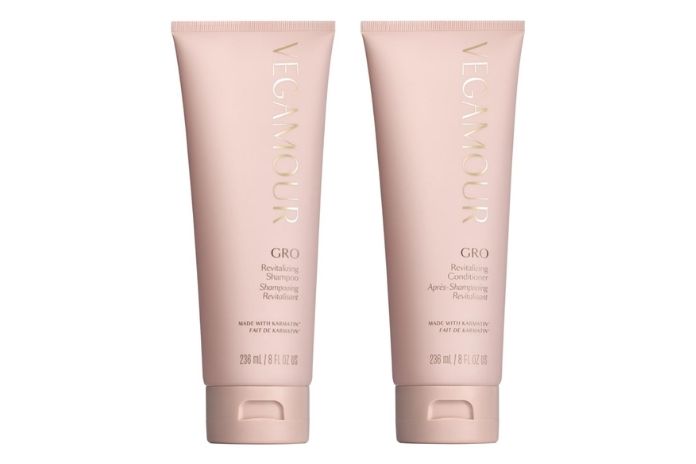
4. VEGAMOUR GRO Revitalizing Shampoo and Conditioner
Pros:
- Formulated specifically for thinning hair.
- Contains phytoactives (curcumin stem cell extract, mung bean, red clover) to support density.
- Includes Karmatin (vegan keratin alternative) to strengthen and smooth strands.
- Clinically tested claims: up to 52% more density and 76% less shedding in 90 days.
- Sulfate-free, silicone-free, vegan, cruelty-free, and color-safe.
- Helps reduce breakage and improve shine.
Cons:
- Premium price point compared to mass-market options.
- Results require consistent use (up to 90–120 days).
- Contains fragrance (natural citrus/bergamot), which may not suit highly sensitive scalps.
Best For:
Thinning, shedding, or fragile hair; those seeking a clean, vegan, sulfate-free system that supports fuller-looking hair.
Price Per Ounce:
Approximately $5.38 per oz (based on $43 for 8 fl oz; duo pricing may vary by retailer).
Scent Description:
Fresh, natural citrus scent with bergamot notes; light, clean, and uplifting.
User Rating Summary:
Typically rated around 4.3 stars across major retailers, with users noting smoother texture, reduced shedding, and improved shine over time.

VEGAMOUR GRO Revitalizing Shampoo and Conditioner
We recommend VEGAMOUR GRO Revitalizing Shampoo and Conditioner gently cleanse and strengthen hair using plant-based actives and Karmatin™ peptide, helping reduce breakage and improve softness and resilience.
*Purchases through this link support our research at no extra cost to you.
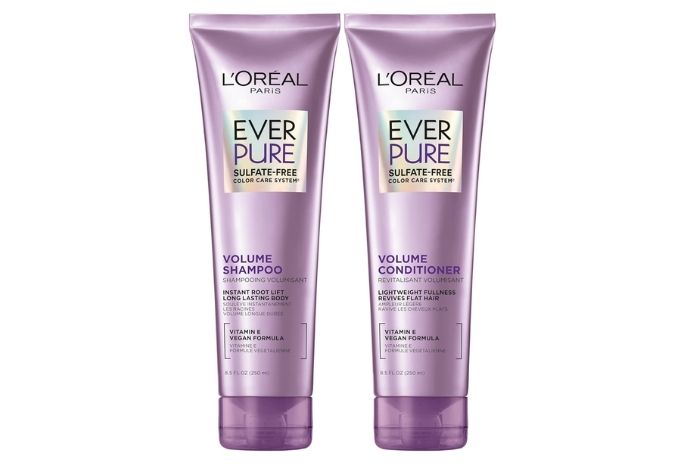
5. L’Oréal Paris EverPure Volume Sulfate Free Shampoo and Conditioner
Pros:
- Sulfate-free and safe for color-treated hair.
- Helps restore volume to fine, flat hair.
- Contains lotus flower extract for color protection (up to 4 weeks).
- Vegan formula free from parabens, DMDM hydantoin, added phthalates, dyes, and gluten.
- Adds shine without weighing hair down.
Cons:
- May not provide enough moisture for very dry or coarse hair.
- Not specifically formulated for hair regrowth or scalp treatment.
- Fragrance may not suit highly sensitive users.
Best For:
Fine, flat, color-treated hair; those looking for a gentle, sulfate-free volumizing system for daily use.
Price Per Ounce:
Approximately $2.35 per oz (based on ~$19.98 for an 8.5 fl oz set; prices may vary by retailer).
Scent Description:
Fresh, aromatic fragrance with notes of rosemary and eucalyptus; clean, herbal, and lightly luxurious.
User Rating Summary:
Generally rated around 4.5 stars, with users praising volume boost, shine, and color protection.

L’Oréal Paris EverPure Volume Sulfate Free Shampoo and Conditioner
We recommend L’Oréal Paris EverPure Volume Sulfate Free Shampoo and Conditioner hydrates and protects color-treated hair with a sulfate-free formula, leaving hair soft, smooth, and shiny while preserving vibrant color.
*Purchases through this link support our research at no extra cost to you.
How to Use These Shampoos for Best Results
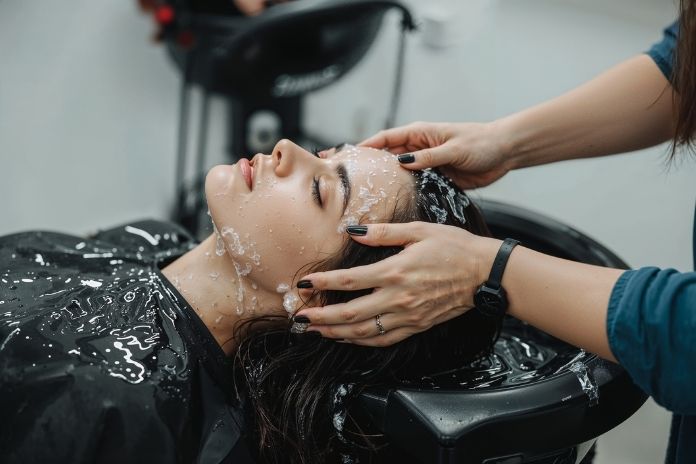
Even the best formulas won’t deliver much if they’re used incorrectly. How you wash, how long you leave the product on, and how consistent you are all affect outcomes. Here’s a practical routine that helps you get the most from shampoos designed for menopausal hair thinning.
- Wash Technique Matters: Start with a fully wet scalp. Apply the shampoo directly to the roots and use your fingertips to gently massage for 1-2 minutes. This step increases scalp circulation and helps the active ingredients penetrate better. Most hair-thickening or caffeine-based shampoos work best when the lather sits for 1–2 minutes before rinsing.
- Focus on the Scalp, Not the Ends: Your follicles live on your scalp; that’s where the actives need to go. Concentrate the product there, not on your hair length. If your hair feels dry, apply a separate conditioner or mask to the mid-lengths and ends after rinsing the shampoo out.
- Be Consistent: Hair growth cycles move slowly. Non-prescription shampoos and topicals typically need at least 8–12 weeks before you notice less shedding, and around 3–6 months to see visible density changes. If nothing improves after six months, it’s worth reassessing your plan with a dermatologist.
- Rotate if Needed: Some people do best alternating between two shampoos, for example, using a scalp-focused formula (like one with ketoconazole or caffeine) a few times a week and a hydrating or biotin-rich shampoo on other days. This keeps the scalp balanced while maintaining moisture and strand strength.
- Avoid Harsh Add-Ons: Limit chemical relaxers, excessive heat styling, and tight hairstyles that pull on the follicles. These can worsen breakage and slow progress.
- Test for Sensitivity: If you notice redness, itching, or irritation that persists, stop using the product and get your scalp checked. Sensitivity reactions are uncommon but can happen, especially with menthol, botanical extracts, or fragrance-heavy formulas.
“The way you use your shampoo matters just as much as what’s in it. A gentle scalp massage during washing boosts blood flow and allows active ingredients like caffeine or niacinamide to work more effectively. Leave the lather on for a minute or two; it gives your follicles time to absorb the benefits.” – Dr. Michele Green, M.D., board-certified dermatologist.
When to See a Dermatologist or Trichologist
Shampoo can improve scalp health and reduce breakage, but it can’t fix every cause of hair loss. Some situations call for medical attention rather than just topical care:
- Rapid or patchy hair loss: Sudden bald spots or thinning in specific areas can signal conditions like alopecia areata.
- Persistent scalp irritation: Ongoing itching, redness, flaking, or pain may point to psoriasis, severe seborrheic dermatitis, or infection.
- Heavy shedding or systemic symptoms: Noticeably more hair in the drain, coupled with fatigue or feeling unusually cold, can indicate thyroid issues, iron deficiency, or autoimmune disorders.
- No improvement after consistent use: If you’ve followed a good routine for six months with no change, it’s time to see a dermatologist. They can evaluate your scalp, run relevant tests, and suggest prescription treatments like topical or oral minoxidil, anti-androgens, or in-office procedures such as PRP or microneedling.
“Shampoos don’t stop hormonal hair loss on their own; they support scalp health, reduce breakage, and provide a better environment for growth. The real change comes when you combine a good formula with nutrition, stress control, and medical guidance.” – Dr. Debra Jaliman, M.D., board-certified dermatologist.
Doctors often check for thyroid, iron, and hormonal imbalances in women with ongoing thinning. In complex cases, a scalp biopsy or trichoscopy can help pinpoint the cause. If you suspect an underlying health issue, don’t delay; get a professional diagnosis before trying another product.
Read More: How to Naturally Slow Down Age-Related Hair Loss
Conclusion
Menopause doesn’t mark the end of healthy hair; it simply signals a shift in what your scalp and strands need.
As estrogen declines, the hair growth cycle shortens, and follicles can become more sensitive to androgens, leading to finer, weaker strands. That’s why addressing menopausal hair changes isn’t about finding a “miracle shampoo”; it’s about creating the right environment for your follicles to thrive again.
The right shampoo helps by improving scalp circulation, cleansing gently, and delivering actives like caffeine, niacinamide, or saw palmetto that can support density and reduce breakage. But products alone rarely solve the full picture.
A holistic routine, balanced nutrition, medical evaluation for thyroid or iron levels, and, when indicated, proven treatments like topical minoxidil, work best over time.
What this really comes down to is patience and consistency.
Hair growth is slow, and visible change can take several months. Keep expectations realistic, rotate products thoughtfully, and treat your scalp as the living skin it is. If shedding continues or new symptoms appear, seek professional help early. With care and persistence, menopausal hair can stay full, healthy, and strong, not by fighting age, but by adapting wisely to it.

References
- National Library of Medicine. (2023). Menopause-related hair loss and hormonal mechanisms. PubMed Central.
- Cleveland Clinic. (n.d.). Here’s how menopause affects your skin and hair.
- MDPI. (2023). Review report on menopause-related hair changes.
- Dr. AmeriSI. (n.d.). What causes women to lose hair during perimenopause and menopause.
- Hiranandani Hospital. (n.d.). Menopause and hair loss.
- Breastcancer.org. (n.d.). Hair changes during menopause.
- Philip Kingsley. (n.d.). Menopause and your hair.
- National Library of Medicine. (2023). Hormonal influence on hair follicle biology. PubMed Central.
- Kaiser Permanente. (n.d.). Hair thinning and menopause: Why it happens and remedies.
- Oprah Daily. (2022). Menopause hair loss and thinning treatment.
- Menopause Natural Solutions. (n.d.). Hydrogen and menopause hair loss.
- GoodRx. (n.d.). Hair loss in menopause.
- Midi Health. (n.d.). Menopause and hair loss.
- Liz Earle Wellbeing. (n.d.). Menopause hair loss.
- My Menopause Centre. (n.d.). Hair changes during menopause.
- Time Clinic. (n.d.). Hair loss during menopause.
- Wimpole Clinic. (n.d.). Best shampoos for menopausal hair loss damage.
- Skin Software. (n.d.). Menopause hair loss.
- HairMD India. (n.d.). Menopause hair loss causes and treatments.
- Superdrug Online Doctor. (n.d.). Hair loss and menopause.
- NBC News. (2023). Menopause hair care guide.
- Treatment Rooms London. (n.d.). What causes hair loss during menopause.
- New Victoria Hospital. (n.d.). Menopause and hair loss myths debunked.
- Hair Doctors Australia. (n.d.). Menopause and hair loss.
- Alloy Women’s Health. (n.d.). Is menopausal hair loss permanent?
- Clue. (n.d.). Hair and skin changes in perimenopause and menopause.
In this Article