














Many people chase rapid fat-loss solutions, crash diets, extreme workouts, detoxes, “miracle” supplements, and whatever’s trending that week. They promise instant results, but here’s the catch: quick fixes rarely last. Most people end up regaining the weight, sometimes even more than before.
Along the way, they lose lean muscle, slow down their metabolism, and burn out mentally. The result? A frustrating cycle of short-term progress followed by long-term disappointment.
What actually works is slower, smarter, and far more sustainable: long-term fat loss. This isn’t just about shrinking numbers on a scale. It’s about improving your body composition, reducing fat while preserving muscle, keeping your metabolism efficient, and supporting your hormonal and metabolic health. It’s the difference between looking fit for a month and staying healthy, strong, and confident for years.
In this article, we’ll break down the evidence-backed principles behind lasting fat loss, covering nutrition, strength training, lifestyle, and mindset. You’ll learn how to lose fat and keep it off, understand why the scale doesn’t always tell the full story, and discover how to build a body that looks good, feels good, and functions even better.
Understand the Science of Fat Loss
At its simplest, fat loss happens when your body uses stored fat as energy. This typically requires a consistent calorie deficit (i.e., you expend more calories than you consume) over time. But it’s not just about the calories: the quality of what you eat, how you move, and how your body handles hormones and metabolism all matter.
It’s vital to note that not all weight loss equals fat loss. If you shrink on the scale but lose a lot of muscle mass (lean body tissue) in the process, you may end up with a worse metabolic profile, higher risk of gaining weight again, and weaker physical function. Preserving muscle while reducing fat is key.
Hormones play a major role: for example,
- Insulin regulates how your body stores and uses carbohydrates and fat. Persistently high insulin (for example, due to high refined-carb intake) can inhibit fat breakdown.
- Leptin is a hormone that signals satiety and energy status to your brain; if it becomes less effective, you may overeat.
- Ghrelin is often called the “hunger hormone”; when it rises (especially after poor sleep or dieting), you feel hungrier.
- Cortisol is the stress hormone. Chronic elevation can hinder fat loss, promote fat storage (especially around the abdomen), and interfere with appetite and metabolism. For example, elevated cortisol and stress have been linked to more abdominal fat.
The aim of sustainable fat loss isn’t rapid, unsustainable results; it’s to protect metabolic health, preserve muscle, regulate hormones, stabilize your resting metabolic rate (RMR), and create a pattern of behaviour you can maintain for years.
1. Focus on Calorie Quality, Not Just Quantity
While calorie quantity is part of the equation (you must create a slight deficit for fat loss), focusing only on low calories often backfires. Instead, emphasize nutrient‐dense foods that support metabolism, fullness, and muscle preservation.
Replace “low calorie” with nutrient-rich choices:
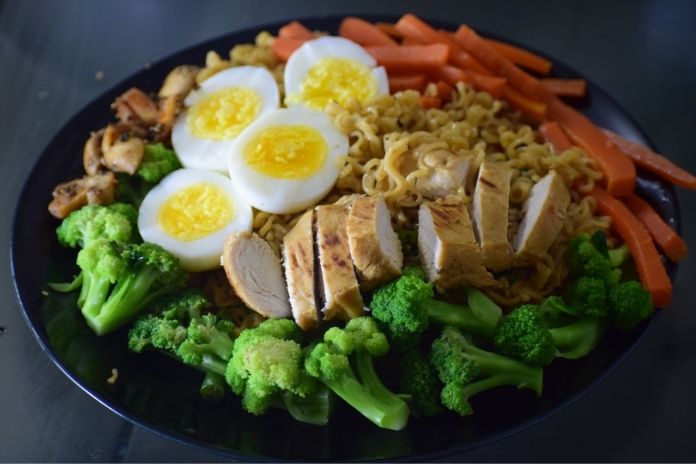
- Lean proteins – chicken breast, tofu, eggs, lentils: these supply amino acids, support muscle, and increase the thermic effect of food.
- High fibre carbohydrates – oats, quinoa, vegetables, legumes: fibre slows digestion, helps satiety, supports gut health.
- Healthy fats – avocado, olive oil, nuts, seeds, fatty fish: fats are vital for hormone production (including metabolism‐regulating hormones).
Avoid or limit ultra‐processed foods (fast foods, sugary snacks, processed baked goods). These often spike blood sugar, promote hunger soon after eating, and can interfere with metabolic health.
According to Dr. David Ludwig, a Harvard endocrinologist, “Forget calories. Focus on quality. Let your body do the rest” (Ludwig, Always Hungry?). What he means is that the source of your calories, whether from nutrient-dense whole foods or ultra-processed snacks, has a much bigger impact on metabolism, satiety, and long-term fat loss than simply restricting calories.
By emphasizing quality over quantity, you support muscle preservation, stable energy levels, and overall metabolic health, making it easier to stick to your plan sustainably.
By prioritising quality, you’re more likely to feel satisfied, maintain lean tissue, reduce metabolic damage, and adhere to the plan over the long term.
2. Prioritise Protein at Every Meal
Often, a missing piece in fat‐loss plans is adequate protein. Research shows that higher‐protein diets help preserve lean mass, support fat loss rather than just weight loss, and improve fullness and adherence.
Targeting roughly 1.2–2.0 g of protein per kg of body weight per day is a good range for many individuals aiming for fat loss while retaining muscle mass (this may vary by age, sex, and training status). The higher end is especially relevant when coupled with strength training.
Examples:
- Eggs or a tofu scramble for breakfast
- Fish, paneer, or legumes at lunch
- Greek yoghurt, lentils, or protein shake (if needed) for a snack
- Chicken, beans + quinoa or tofu + veggies at dinner
Higher protein intake not only helps muscle preservation but also supports metabolic rate (because digesting protein burns more calories) and keeps you fuller, so you’re less likely to overeat.
However, a caution: protein is not a magic bullet. As the Mayo Clinic notes: “Protein shakes aren’t a magic way to lose weight.” It must be part of a well‐rounded approach (nutrition + exercise + habits) for true long‐term results.
Read More: High-Protein, Low-Calorie Foods: Science-Backed Benefits & Best Sources
3. Strength Training Is Key
When aiming for fat loss, many people focus exclusively on cardio and forget about strength or resistance training. But building and preserving muscle is critical for a few reasons:
- Muscle is metabolically active: more muscle means a higher resting metabolic rate (you burn more calories even at rest).
- Muscle preservation means you’re losing fat instead of losing the “wrong tissue”.
- Strength training supports functional fitness, improves posture, bone health, and long‐term physical quality of life.
Recommended: 3–4 strength sessions per week, ideally focusing on compound movements (multi‐joint): squats, deadlifts, push‐ups, rows, lunges. These recruit multiple muscle groups and stimulate good metabolic responses.
You can combine them with a few shorter HIIT or moderate‐intensity cardio sessions for additional calorie burn, but don’t let cardio dominate at the expense of strength training. The mindset: strength training isn’t just an accessory; it’s central to a sustainable fat‐loss plan, because without it, you risk metabolic slowdown and weight regain.
Read More: Monday Motivation: Full-Body Strength Training Routine
4. Manage Stress and Sleep

Too often, fat‐loss plans focus only on food and exercise, and ignore two hugely influential factors: stress and sleep.
Stress
Chronic stress elevates cortisol (and other stress hormones). Elevated cortisol is associated with fat storage (especially visceral fat), increased appetite, cravings for high‐calorie foods, and altered fat distribution. One study found that “stress and the cortisol awakening response (CAR) have been independently linked to increases in abdominal fat depots” in peripubertal girls.
Therefore, managing stress is very much part of sustainable fat loss. Techniques that help: mindfulness meditation, yoga, deep breathing, ensuring time for rest and recovery, and reducing chronic psychological or emotional load.
Sleep
Poor sleep (both in quality and duration) affects multiple hormones: lowered leptin (you feel less satiated), increased ghrelin (you feel hungrier), impaired insulin sensitivity, and greater fatigue (which tends to reduce physical activity, increase snacking, and weaken resolve). Prioritise 7-9 hours of quality sleep per night.
As one guideline: view stress and sleep as foundational, not optional extras. Without them, your ability to lose fat sustainably and keep it off is compromised.
5. Stay Consistent, Not Perfect
One of the most important mindset shifts: consistency beats intensity. A short burst of extreme effort followed by collapse or burnout won’t build long‐term results. What matters is the habits you can sustain for months and years, not just days or weeks.
Some key points:
- Set realistic weekly goals (e.g., “I’ll strength train 3× this week”, “I’ll prepare lunches for 4 days”, “I’ll sleep by 10:30 pm 5 nights this week”).
- Track progress beyond just the scale: use meal journals, workout logs, photos, how your clothes fit, and energy levels.
- Don’t aim for perfection, aim for persistence. If you miss a workout or eat a less-than-ideal meal, get back on track rather than giving up.
- Use “micro habits”: building one small healthy behaviour consistently (e.g., add one extra vegetable at lunch) often outperforms trying to overhaul everything at once.
The reason this matters: long‐term fat loss is about behaviour change, not heroism. It’s about lifestyle, not a “diet period”.
6. Stay Hydrated and Limit Liquid Calories

Hydration often gets overlooked in fat‐loss conversations, but water plays multiple important roles: supporting digestion, nutrient transport, metabolism, and energy levels. Dehydration can mimic hunger (leading to unnecessary eating) and may reduce physical performance.
According to Michael Greger, M.D., drinking two cups of water can trigger a rise in the adrenal hormone noradrenaline, boosting metabolic rate by up to 30 percent within an hour (NutritionFacts.org, 2020). This highlights how something as simple as staying hydrated can actively support metabolism and energy expenditure, making water a quiet but powerful ally in long-term fat loss.
Replace sugary beverages (soft drinks, sweetened juices) with water, green tea, black coffee (in moderation), or herbal teas. Liquid calories add up quickly, while solid foods tend to require more effort to consume and digest, thus providing more satiety.
Green tea, in particular, contains compounds like EGCG, which may slightly boost fat metabolism (though not a magic switch). Making water your default hydration choice that supports healthier habits, sharper appetite cues, and improved body composition over time.
7. Don’t Fear Healthy Fats
There’s still confusion around dietary fat: some believe “fat makes you fat,” so they cut it completely. That’s counterproductive. Healthy fats are essential for hormone production (including those that regulate fat metabolism), cell membrane function, vitamin absorption, and satiety.
Focus on sources such as nuts, seeds, avocados, olive oil, and fatty fish (e.g., salmon). At the same time, avoid trans fats, limit excess omega-6 heavy oils (common in many fried and ultra‐processed foods).
Including healthy fats means your diet isn’t overly restrictive, supports hormonal balance, and remains more pleasurable, and thus more sustainable. It’s part of a balanced approach to sustainable fat loss.
Read More: 18 Healthy Fats To Eat For A Healthier Well Being
8. Reframe “Dieting” as a Lifestyle
Too many people think “I’m on a diet for 6 weeks” then revert to old habits, and regain fat (often more than originally lost). That’s because a diet framed as a temporary fix rarely builds stable habits.
Instead, think of your approach as a lifestyle shift: a way of eating, moving, sleeping, and managing stress that you can maintain years into the future. Some practical tweaks:
- Adopt a flexible 80/20 rule: about 80% of your choices are nutrient-dense and aligned with your fat-loss goals; 20% allow for personal, cultural, enjoyable foods so you don’t feel deprived.
- Include your cultural and personal food preferences, so eating remains enjoyable and fits your life.
- Build routines around your schedule (work, family, social life) rather than trying to follow someone else’s “perfect” diet plan.
In short, sustainable fat loss is not about being perfect; it’s about being consistent, adaptable, and realistic.
9. Monitor Progress Beyond the Scale
Focusing solely on the scale is misleading. Weight can drop for multiple reasons (water loss, muscle loss, fat loss) and may temporarily plateau or rebound.
For sustainable fat loss, track multiple signals:
- Body measurements: waist, hips, arms, thighs.
- How your clothes fit: are they looser around the waist, or tighter aorund the muscle?
- Strength gains: Are you lifting heavier, doing more reps?
- Energy levels & mood: Are you feeling stronger, more alert, less sluggish?
- Body composition (if accessible): via scans, but for most people, the former signals suffice.
Celebrate non‐scale victories: the fact that you can do 10 more push‐ups, that your workouts feel easier, your step count has increased, you’re sleeping better, and cravings are down. These are meaningful and keep you motivated when the scale is slow to budge.
10. Be Patient, Real Change Takes Time

One of the hardest truths: meaningful fat loss takes time. It is not linear. You will have plateaus, you may even gain a little in some weeks, the key is an overall downward fat trend over months, and an upward trend in fitness, strength, health, and consistency.
It’s also useful to distinguish fat loss from weight loss. Weight loss may include water, muscle, and fat. Fat loss focuses on what we really care about: reducing fat mass while keeping (or ideally gaining) lean mass. Over‐emphasising the scale may push someone toward lean‐tissue loss, which undermines long‐term metabolic health.
Be patient with the process. View this as building a body and metabolism that supports health, energy, function, and appearance for the long run, not just a short‐term “shape up for a holiday” sprint. If you focus only on the short term, you’re more likely to bounce back. But if you build habits and a sustainable system, you’re much more likely to maintain your results.
Key Takeaway
Long-term fat loss isn’t about pushing your body to extremes or forcing quick changes in 30 days. It’s about creating a lifestyle that makes healthy choices feel normal, not forced.
That means eating balanced meals built around protein and whole foods, moving your body regularly (especially through strength training), managing stress, prioritizing good sleep, and being consistent even when motivation dips.
The truth is, there’s no one-size-fits-all diet or “perfect” plan. What works for you is what you can sustain, without feeling constantly restricted or exhausted. Real transformation comes from small, repeated actions that compound over time, not from crash efforts that fade after a month.
So instead of chasing perfection or speed, aim for steady, meaningful progress. Treat your body with patience, feed it with intention, and train it to be stronger, not just smaller. Long-term fat loss is a marathon of self-discipline, awareness, and care, one that leads not only to a leaner body, but also to better energy, confidence, and vitality that last for years.
FAQs About Long-Term Fat Loss
What’s the healthiest rate of fat loss per week?
A general guideline is about 0.5-1% of body weight per week (for many people). Going much faster often increases the risk of muscle loss, metabolic slowdown, and rebound regain. The slower your rate (within reason), the better your muscle preservation and sustainability.
Can you lose fat without losing muscle?
Yes, if you prioritise protein intake, perform strength training, and maintain a moderate calorie deficit rather than an extreme one. Research shows higher‐protein diets improve fat-mass loss while preserving lean mass.
How does strength training help long‐term fat loss?
Strength training builds and preserves muscle, which increases resting metabolic rate (you burn more calories at rest), supports metabolic health, improves functional strength, and helps you maintain results beyond just the diet phase.
Do cheat meals affect fat‐loss progress?
Cheat meals, per se, are not the issue; it’s how they fit your overall pattern. A single higher‐calorie meal occasionally won’t ruin your long‐term progress, as long as your overall calorie and nutrient pattern remains consistent. The key is not to fall into “all or nothing” mode. Use them strategically, mindfully, and get back to your routine.
How long does it take to make fat loss permanent?
There’s no magic number. Many experts suggest that behaviours need to be consistent for at least 6-12 months (and ideally ongoing) before the new body composition becomes stable and self‐maintained. More important than “time” is whether the habits are sustainable. Maintenance is not a separate phase; it’s the same set of habits continued.
References
- https://www.bhf.org.uk/informationsupport/heart-matters-magazine/nutrition/weight/steps-to-sustainable-weight-loss
- https://www.jaslokhospital.net/blogs/10-science-backed-strategies-for-sustainable-weight-loss
- https://www.parashospitals.com/blogs/ultimate-guide-to-sustainable-weight-loss-evidence-based-strategies
- https://www.issaonline.com/blog/post/3-science-backed-methods-for-losing-fat
- https://www.kaya.in/blog/fat-cells-fat-loss-science-shrinkage-treatments
- https://www.health.harvard.edu/topics/diet-and-weight-loss
- https://bnrc.springeropen.com/articles/10.1186/s42269-019-0238-z
- https://kick-it.org.uk/calories-should-you-focus-on-quantity-or-quality/
- https://www.achieveoxfordshire.org.uk/news/calories-should-we-focus-on-quantity-or-quality
- https://nutritionsource.hsph.harvard.edu/what-should-you-eat/protein/
- https://www.bswhealth.com/blog/7-easy-ways-to-up-your-protein-intake
- https://www.pennmedicine.org/news/strength-training-is-key-to-physical-and-mental-health
- https://www.health.harvard.edu/staying-healthy/strength-training-builds-more-than-muscles
- https://www.mayoclinic.org/healthy-lifestyle/fitness/in-depth/strength-training/art-20046670
- https://www.hopkinsmedicine.org/health/wellness-and-prevention/sleepless-nights-try-stress-relief-techniques
- https://www.houstonmethodist.org/blog/articles/2025/jan/7-tips-for-moderating-your-liquid-calorie-intake/
- https://www.cdc.gov/healthy-weight-growth/water-healthy-drinks/index.html
- https://www.health.harvard.edu/staying-healthy/the-truth-about-fats-bad-and-good
- https://healthcare.utah.edu/the-scope/mens-health/all/2020/09/51-dont-fear-fat
In this Article