














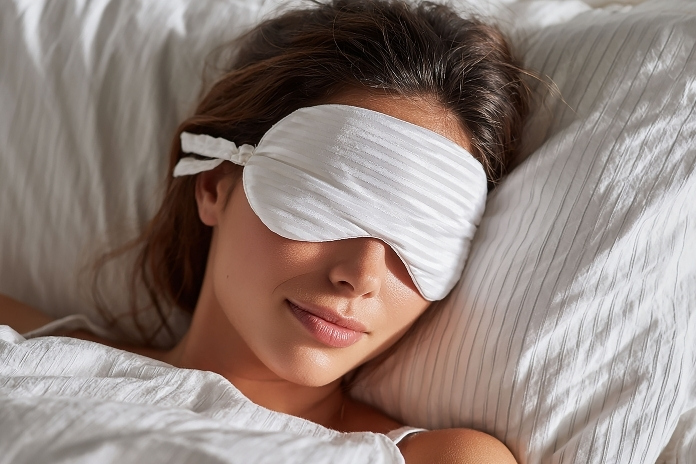
A good night’s sleep doesn’t just rest your body. It revives your skin. While we sleep, the body goes into repair mode, healing cells, restoring balance, and leaving us with that coveted morning glow. But in today’s fast-paced world, getting truly restorative rest can feel like a luxury. A cozy mattress and soft pillow aren’t always enough; it’s the rituals and habits before bed that make all the difference.
Research consistently shows that lack of sleep doesn’t just sap your energy. It can dull your complexion, slow skin repair, and accelerate signs of aging. The science is clear: quality sleep is one of the most powerful beauty treatments available.
In this article, we’ll explore the connection between sleep and skin health, along with practical tips to help you sleep better and wake up with radiant, healthy-looking skin.
Read More: This One Nighttime Habit Changed My Sleep and My Stress
Understanding the Sleep-Skin Connection
The relationship between sleep and skin health runs deeper than we often realize. While you rest, your body enters repair mode – restoring not only your brain and immune system but also your metabolism and skin. During sleep, the body increases blood flow to the skin, delivering oxygen and nutrients needed to repair daily damage from the sun, pollution, and stress.
Research shows that skin cell renewal peaks at night, when cells work to rebuild collagen, the protein responsible for skin’s firmness and elasticity. This nightly regeneration helps keep skin smooth, supple, and resilient.
“Getting 7–9 hours of quality sleep a night is ideal,” says Dr. Karen Hammerman, a board-certified dermatologist at Schweiger Dermatology Group in Queens, NY. “A good night’s sleep does wonders for your appearance. While you’re getting your zzzs, your skin rebuilds collagen so it will be smoother and tighter.”
On the other hand, sleep deprivation can make skin appear dull and dry, emphasizing fine lines and wrinkles — especially around the delicate eye area. Over time, lack of rest accelerates visible signs of aging and slows the body’s natural healing process.
Simply put, sleep is one of your most effective (and natural) anti-aging tools – working quietly overnight to renew and restore your glow.
Let’s review the 8 strategies to get glowing skin and improved sleep.
1. Establish a Consistent Sleep Schedule
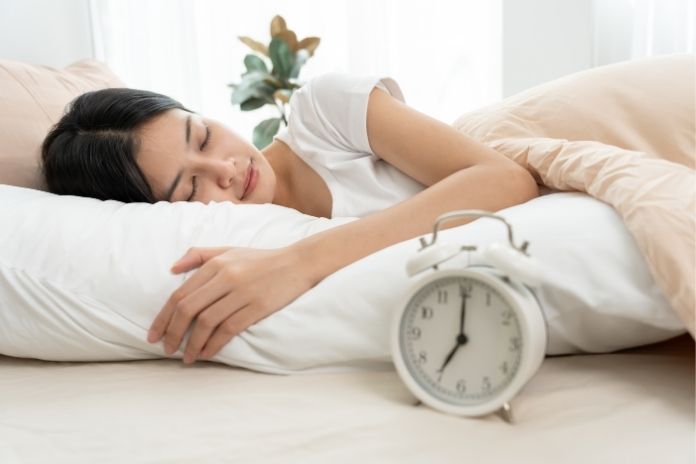
A regular sleep pattern is one of the simplest yet most effective ways to support glowing skin. Sticking to consistent bedtimes and wake-up times helps regulate your circadian rhythm, the body’s internal clock, which improves sleep quality and overall health.
Adults generally need 7–9 hours of sleep per night. Most people should allow about eight hours in bed to achieve this.
If you can’t fall asleep after roughly 20 minutes, leave the bedroom and do something soothing – read a book, listen to calming music – then return to bed when drowsy. Repeat as needed, but avoid shifting your bedtime or wake-up time, even on weekends, to keep your circadian rhythm steady.
2. Create a Relaxing Bedtime Ritual
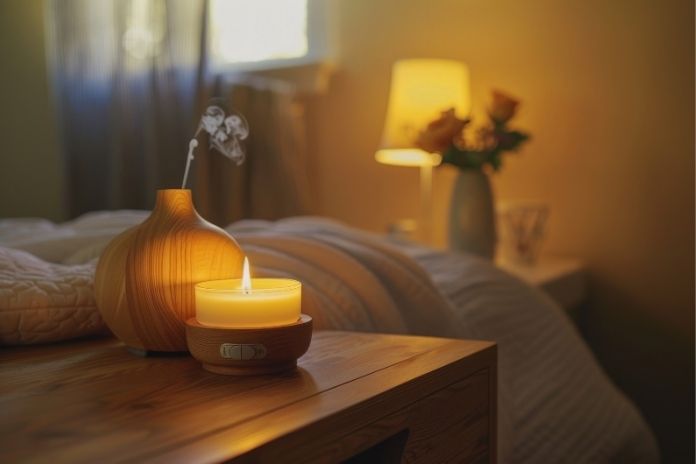
A calm, consistent nighttime routine signals your body that it’s time to wind down, supporting both sleep quality and skin health. Research shows that sleep deprivation can weaken the immune system, impair collagen production, and contribute to wrinkles, fine lines, and sagging skin.
A bedtime ritual lasts 30–60 minutes before sleep and can include:
- Deep breathing exercises
- Light meditation or gentle stretching
- A warm bath with calming essential oils
These practices help your body transition from daily stress to a relaxed state, setting the stage for restorative sleep and healthier, radiant skin.
Read More: Morning Beauty Routine: 10 Steps to Start Your Day with Freshness and Glow
3. Choose the Right Sleep Environment
Your bedroom environment plays a huge role in sleep quality, and by extension, skin health. Aim for a cool, quiet, and dark room with fresh, clean bedding. Minimize noise and light, and consider calming scents like lavender to promote relaxation.
A well-designed sleep space isn’t just about comfort; it’s about signaling to your body that it’s time to rest. Thoughtful lighting, soothing music, and clutter-free visuals all contribute to a peaceful, restorative atmosphere, helping you fall asleep faster and stay asleep longer.
4. Embrace Technology for Sleep Aid

In today’s digital world, technology can actually support better sleep when used wisely. Sleep apps and devices can help track sleep patterns, provide calming music or guided meditations, and even detect disruptions like snoring. Some apps also help adjust your sleep schedule to prevent jet lag or encourage consistent sleep habits.
Tools like Better Sleep, Sleepiest, ShutEye, and Breathe can guide you into relaxation, monitor your progress, and improve overall sleep quality. When paired with healthy bedtime habits, technology becomes a powerful ally for falling asleep, staying asleep, and maintaining consistent sleep routines.
5. Focus on Nutrition to Improve Sleep Quality
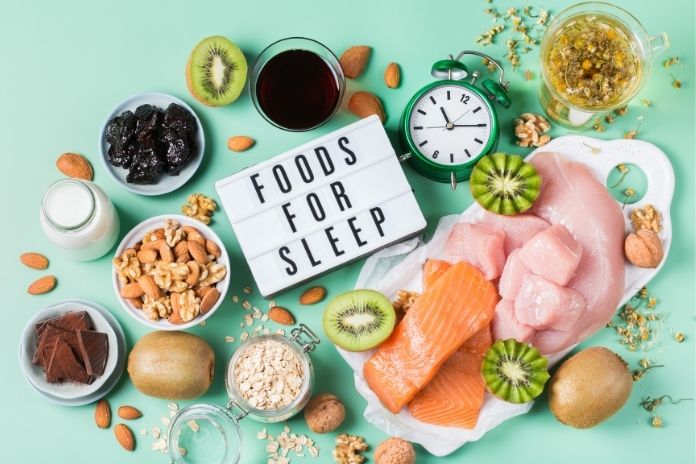
What you eat can significantly affect both the quality and duration of your sleep, which in turn impacts skin health. Heavy, high-fat meals, caffeine, and alcohol close to bedtime can disrupt sleep, while nutrient-rich foods can promote relaxation and restorative rest.
Sleep-friendly foods include:
- Kiwi and cherries – natural sources of melatonin
- Milk and nuts – provide tryptophan and magnesium
- Fatty fish – rich in sleep-supporting omega-3s
- Rice – helps stabilize blood sugar and encourage sleepiness
Avoid consuming coffee, alcohol, and large meals just before bed to improve sleep quality.
Mindful eating and avoiding large or stimulating meals before bed support consistent, deep sleep and a radiant complexion.
Read More: 7 Best Sleep Masks for Women’s Restful Nights
6. Mind-Body Techniques for Sleep

Mind-body practices can calm the mind, improve sleep quality, and support skin repair. Mindfulness meditation, guided imagery, and deep breathing help shift attention away from stress and prepare the body for rest.
Try incorporating these strategies into your evening routine:
- Focus on breathing and bodily sensations, avoiding thoughts about the past or future
- Visualize a calm, serene place through guided imagery
- Create a pre-bedtime ritual, like reading, journaling, or practicing gratitude
By unwinding intentionally, you allow your body to enter restorative sleep, which aids both mental well-being and healthy, glowing skin.
7. Exercise More to Sleep Better

Exercise and sleep share a mutually beneficial relationship. Regular physical activity not only improves overall health but also helps you fall asleep faster and enjoy deeper, more restorative rest, says Charlene Gamaldo, M.D., medical director at the Johns Hopkins Center for Sleep.
For best results, focus on aerobic activities like jogging, cycling, or brisk walking, which elevate heart rate and body temperature to promote restful sleep. Timing matters—finish workouts a few hours before bedtime to allow your body to wind down.
Consistently incorporating exercise into your routine benefits both sleep quality and skin health, supporting a radiant, well-rested appearance.
8. Practice Sleep Hygiene for Glowing Skin
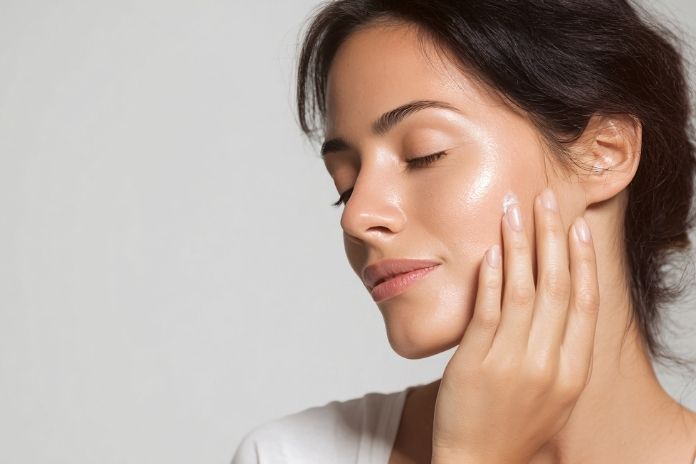
Healthy, glowing skin starts with good sleep hygiene, not just skincare products. Sleep hygiene encompasses your sleep habits and environment, both of which profoundly impact rest quality.
Key practices include:
- Sticking to a consistent sleep schedule
- Following a relaxing nighttime ritual
- Creating a bedroom environment conducive to rest (cool, dark, quiet)
- Maintaining healthy pre-bed habits
A simple skincare routine also supports sleep and skin health. Washing your face nightly removes dirt and pollutants, while a two-step cleansing method – first oil-based, then regular cleanser – prepares your skin for overnight repair.
Troubleshooting Common Sleep Issues
Addressing common sleep challenges is key for both restful nights and glowing skin. Stress, noise, light, and other environmental factors can disrupt sleep, leading to fatigue and dull skin.
Insomnia, difficulty falling or staying asleep, is a common issue. Techniques like guided meditation, deep breathing, or journaling can reduce stress and make it easier to unwind before bed.
Creating a sleep-friendly environment also helps: use blackout curtains, earplugs, or white-noise machines to minimize disturbances, and avoid screens at least an hour before bedtime to reduce blue-light interference.
Other helpful strategies include reading a calming book, listening to relaxing music or sleep-focused podcasts, and practicing sleep meditations. Small adjustments can make a big difference in achieving consistent, restorative sleep.
Read More: 8 Overnight Beauty Hacks for Glowing Skin by Morning
Conclusion
Achieving glowing skin and restorative sleep starts with small, intentional changes. From maintaining a consistent sleep schedule to embracing mind-body practices and optimizing your environment, these tips provide a roadmap to the beauty sleep you deserve.
Incorporate these strategies into your evening routine to improve sleep quality, support your skin’s natural repair, and enhance overall well-being. By making restful sleep a priority, you’re not just investing in your appearance, you’re investing in your health. Wake up to radiant skin, energized mornings, and truly restorative nights.
References
- https://www.samhealth.org/about-samaritan/news-search/2019/05/29/importance-of-sleep-to-your-appearance-and-skin
- https://www.rafflesmedicalgroup.com/health-resources/health-articles/6-beauty-benefits-of-sleep
- https://www.sleep.com/sleep-health/sleep-schedule
- https://www.mayoclinic.org/healthy-lifestyle/adult-health/in-depth/sleep/art-20048379
- https://arizonaderm.com/how-sleep-impacts-your-skin-health
- https://sleepeducation.org/how-technology-helping-hurting-sleep
- https://www.forbes.com/health/wellness/best-sleep-apps/
- https://www.sleepfoundation.org/physical-health/diet-exercise-sleep
- https://www.webmd.com/balance/features/how-to-fall-asleep-with-mindfulness-techniques
- https://www.hopkinsmedicine.org/health/wellness-and-prevention/exercising-for-better-sleep
- https://www.cdc.gov/sleep/about_sleep/key_disorders.html
- https://www.nhs.uk/every-mind-matters/mental-wellbeing-tips/how-to-fall-asleep-faster-and-sleep-better
- https://www.schweigerderm.com/skin-care-articles/beauty/pillow-talk-is-beauty-sleep-for-real/
- https://www.schweigerderm.com/providers/karen-hammerman-m-d
In this Article