













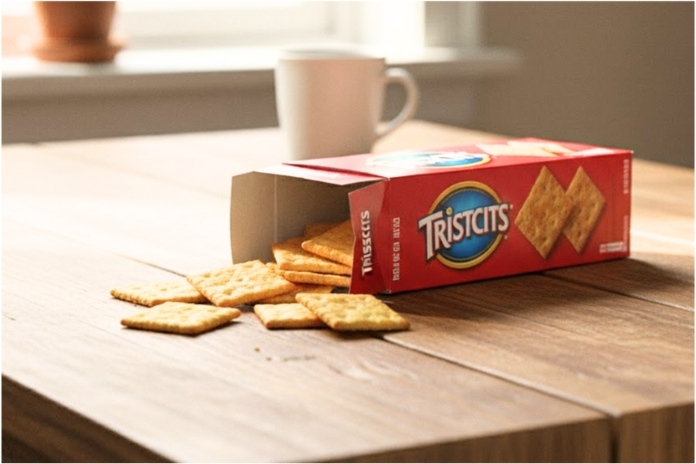
Triscuits have that old-school charm – square, woven, crunchy crackers that somehow taste simple yet satisfying. They’re marketed as a whole-grain snack with only three ingredients: whole-grain wheat, oil, and salt. For many people, that screams “healthy.”
But here’s the thing – just because something has fiber and a rustic texture doesn’t mean you should eat it every single day without thinking twice. So what happens when you eat Triscuits every day?
Let’s find out how this everyday cracker affects your digestion, metabolism, long-term health, and both good and not-so-good sides.
You’ll Get a Steady Source of Whole Grains and Fiber
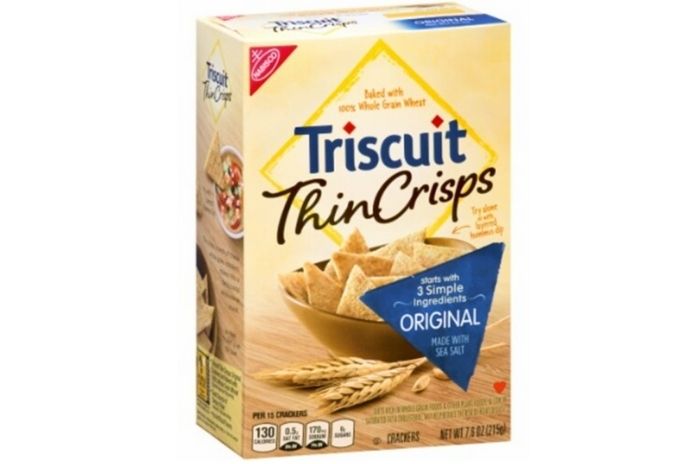 At the heart of every Triscuit lies whole-grain wheat, and that’s a big plus. Each serving (about 15 crackers) provides around 3 grams of dietary fiber.
Fiber doesn’t just keep you regular; it plays an important role in your gut health, cholesterol, and even how full you feel after eating.
Dr. Frank Hu, Professor of Nutrition at Harvard T.H. Chan School of Public Health, notes that a high-fiber diet can “reduce type 2 diabetes risk and heart disease risk, and help maintain a healthy weight.”
If you’re snacking daily, that’s a steady stream of fiber supporting your digestion and heart health. Digestive health is understandable but how does the heart benefit? Well, fiber is known to lower your total and bad cholesterol LDL in addition to triglycerides and insulin levels, as per a review study. It is also known to reduce markers of inflammation associated with heart disease, according to an original study.
But you get all these benefits only if your other meals aren’t fiber-poor.
Tip: Pair your Triscuits with high-protein toppings like cheese, hummus, or Greek yogurt dip. This balances carbs and keeps hunger away longer.
And yes, are Triscuits whole grain? Absolutely. The original version is made from 100% whole-grain wheat, which means bran, germ, and endosperm are intact. That’s what makes it healthier than most white-flour crackers.
Read More: Too Much Fiber in Your Diet? Tips to Balance Your Intake
You’ll Boost Your Energy, But Blood Sugar May Fluctuate
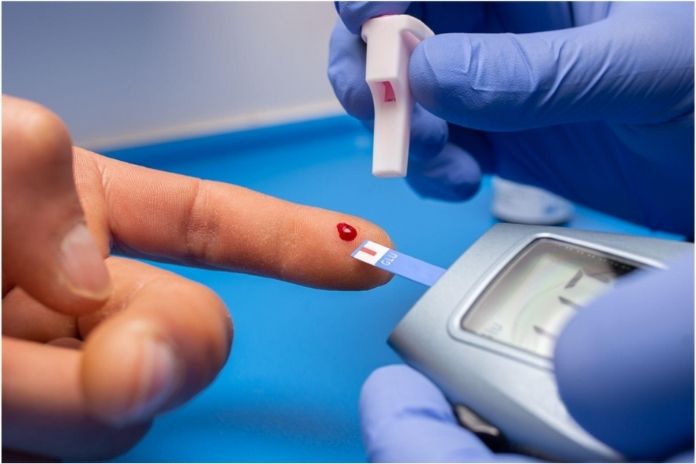
Triscuits deliver about 21 grams of carbohydrates per serving, giving you a nice, quick energy lift. For most people, that’s great before an afternoon meeting or walk. But if you’re eating multiple servings, then that’s where things change.
Because Triscuits are still refined enough to digest relatively quickly, they can raise blood sugar moderately, especially if eaten alone. What happens when you eat Triscuits every day is that your blood glucose levels may experience subtle ups and downs, particularly if you have insulin resistance or diabetes.
According to a 2022 narrative review of many studies, pairing whole-grain carbs with protein or fat helps slow digestion and improve glycemic control.
So your best move is to enjoy Triscuits with peanut butter, low-fat cheese, or avocado.
In short: They can boost your energy, but eat them smartly to avoid sugar spikes and dips.
Read More: Feeling Tired This Winter? Common Causes and How to Boost Your Energy Naturally
You’ll Consume More Sodium Than You Realize
Here’s a sneaky one. The original Triscuit flavor has around 170 mg of sodium per serving (12 crackers). That sounds harmless until you realize most people don’t stop at six.
Eat 18–20 crackers, and you’ve hit nearly 500 mg of sodium from a “light snack.”
If eating Triscuits every day involves pairing them with cheese or salty dips, you could easily exceed your recommended daily sodium intake.
Note that the U.S. Food and Drug Administration (FDA) recommends limiting sodium to 2,300 mg per day for healthy adults.
Too much sodium can cause:
- Water retention and bloating
- Increased blood pressure over time
- Higher cardiovascular risk
Healthier choice: Go for the “Hint of Salt” or unsalted Triscuits. They offer the same crunch with 75% less sodium.
Read More: 8 Foods To Consume To Maintain Electrolyte Balance For A Healthier Lifestyle
You’ll Get Micronutrients That Support Metabolism and Immunity
Bran and germ layers of whole wheat contain most micronutrients (vitamins and minerals), along with some healthy fat, and all your grain fiber. While Triscuits aren’t a multivitamin, they do contain small but meaningful amounts of iron, niacin, thiamine (B1), and riboflavin (B2) from enriched wheat flour. These nutrients help convert food into energy and maintain red blood cell health.
According to the National Institutes of Health (NIH), B vitamins play a vital role in nervous system function and metabolism.
To turn your Triscuits into a more nutrient-dense mini meal so top them with:
- Avocado and tomato slices (vitamin C + healthy fats)
- Cottage cheese (protein + calcium)
- Boiled egg and spinach (iron + folate)
When combined with these toppings, your snack becomes a complete small meal that fuels your body while satisfying your cravings.
Read More: 10 Ultimate Ways To Boost Immunity For A Healthy Living
You Might Eat More Processed Carbs Than You Think
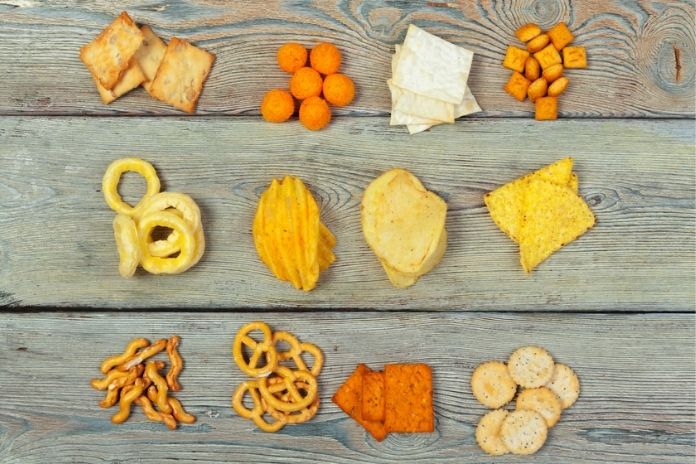
Let’s be honest – Triscuits may be whole grain, but they’re still a packaged processed food. Even the simplest versions include oil and salt, and some flavored varieties contain added sugar, malt syrup, and canola oil.
If you’re munching on these daily, you might unknowingly replace fresher foods like fruits, nuts, and legumes with crackers. That’s where Triscuits’ “good for you” branding becomes a more complex question.
According to a 2019 study, replacing whole foods with processed snacks can reduce micronutrient intake and increase calorie consumption without improving satiety.
Over time, that means even a “healthy” snack like Triscuits can subtly contribute to higher daily calorie intake.
Tip: Keep portions reasonable. 1 to 2 servings (6–12 crackers) a day is fine. Beyond that, you’re just stacking carbs.
Read More: Why Ultra-Processed Foods Are Being Called ‘The Cigarettes of the Future
You’ll Support Digestive Regularity, But Variety Still Matters
Fiber in Triscuits mainly comes from wheat bran, which is great for bowel regularity. Additionally fiber when digested by your gut microbiome produces short-chain fatty acids (SCA) like butyrate, acetate, and propionate that your intestine wall uses for nourishment. SCAs also keep your intestinal lining intact.
But here’s the thing fiber obtained from wheat bran doesn’t feed your gut microbiome as diversely as other fibers (like in oats, beans, and fruits). According to a study, an abundance of healthy gut microbes increases the immune system, moderates gut inflammation, and enhances butyrate production.
Dr. Megan Rossi, gut health researcher at King’s College London, explains that different fibers nourish different species of gut bacteria, so diversity is key. Relying on a single fiber source, even a good one, can limit gut biodiversity.
So while your daily Triscuit habit might help keep things moving, mixing in other fiber sources – chia seeds, lentils, and vegetables – is better for long-term gut health.
Read more: Does Watermelon Make You Poop? What to Know About Its Digestive Benefits
You’ll Probably Feel Fuller, Which Can Help with Weight Management
Because they’re fiber-rich and crunchy, Triscuits can actually help with portion control. People who eat whole-grain snacks often report feeling fuller than people who eat refined crackers.
It can naturally help you eat fewer calories throughout the day, which is why many ask, “Are Triscuits good for weight loss?”
Answer: They can be if you’re mindful of serving size and toppings. But if you’re pairing them with creamy dips or eating straight from the box, those benefits disappear fast.
A 2024 study published in Nutrients found that higher whole-grain intake is linked to improved body composition and lower belly fat, mostly due to better satiety and lower insulin response. Another study showed that eating whole grain foods led to decreased inflammatory markers, lower food intake, and helped with weight loss.
So, yes, are Triscuits healthy? In moderation, they truly are.
Read More: Heart-Healthy Kitchen Essentials: 6 Best Salt Substitutes for Hypertension Management
Final Thought
At the end of the day, Triscuits are proof that not every processed snack is bad. They bridge convenience and real nutrition when used wisely.
To prevent overeating, take a measured portion of your Triscuits instead of eating straight from the box. Practicing mindful eating—by slowing down, enjoying each bite, and paying attention to the taste and texture—can also help you stay in control.
Because, as with most foods, it’s never about just a single cracker – it’s about a pattern that builds your overall health.
Key Takeaway
So what happens when you eat Triscuits every day?
You get:
- Consistent fiber and whole-grain benefits
- Better digestion and satiety
- A mild energy boost
But you also risk:
- Taking too much sodium if you’re not careful
- Replacing fresh foods with processed carbs
Bottom line: Triscuits are a smart snack choice compared to most crackers, but not a food group on their own. Use them as part of a balanced diet, ideally with protein and produce on the side.
FAQs About Eating Triscuits
Q1. Are Triscuits good for weight loss?
Yes, they can be. Their fiber keeps you full – helping reduce overall calorie intake. But moderation and healthy toppings are key.
Q2. Are Triscuits a healthy snack for diabetics?
Yes, in small portions and when paired with protein or healthy fats to balance blood sugar.
Q3. How many Triscuits should you eat per day?
Stick to one or two servings, about 6 to 12 crackers, to enjoy the benefits without overdoing sodium or carbs.
Q4. Are flavored Triscuits unhealthy?
Flavored versions often contain added sugar or oils. Choose original, reduced-fat, or “Hint of Salt” varieties for cleaner ingredients.
Q5. Do Triscuits count as processed food?
Yes! though they’re minimally processed. They’re still packaged, but made from simple ingredients, so they sit in the middle ground between fresh and ultra-processed foods.
Amazon Picks
(for readers looking to explore healthier Triscuit options)
Triscuit Original Whole Grain Wheat Crackers, Vegan Crackers, Healthy Snacks, Lunch Snacks, Family Size, 12.5 oz – ⭐️⭐️⭐️⭐️✨ – Snack Simple. Live Well.
Triscuit Hint of Sea Salt Whole Grain Wheat Crackers, Vegan Crackers, Vegan Snacks, Bulk Snacks – ⭐️⭐️⭐️⭐️✨ – Whole Grains in Every Bite
Triscuit Minis Original Whole Grain Wheat Crackers, Vegan Crackers, Bulk Lunch Snacks, 20 Snack Packs – ⭐️⭐️⭐️⭐️✨ – Bite-Size. Plant-Based. Packed

References
- https://www.foodsco.net/p/triscuit-thin-crisps-original-crackers/0004400003229
- https://www.frontiersin.org/journals/nutrition/articles/10.3389/fnut.2024.1510564/full
- https://www.ncbi.nlm.nih.gov/books/NBK459280/
- https://www.frontiersin.org/journals/nutrition/articles/10.3389/fnut.2022.1025993/full
- https://www.fda.gov/food/nutrition-education-resources-materials/sodium-your-diet
- https://www.mdpi.com/2227-9059/13/3/746
- https://www.frontiersin.org/journals/nutrition/articles/10.3389/fnut.2023.1053196/full
- https://www.ncbi.nlm.nih.gov/pmc/articles/PMC6930825/
- https://doi.org/10.1016/j.cmet.2019.05.008
- https://www.sciencedirect.com/science/article/pii/S2590157522000505?via%3Dihub
- https://www.mdpi.com/2072-6643/16/14/2373
- https://ific.org/resources/articles/gut-check-whole-grains-and-the-microbiome/
- https://www.ncbi.nlm.nih.gov/pubmed/28618173
- https://www.ncbi.nlm.nih.gov/pubmed/29097438
- https://pmc.ncbi.nlm.nih.gov/articles/PMC11819994/
- https://jamanetwork.com/journals/jamanetworkopen/fullarticle/2790576
In this Article