














Rice is one of the most widely consumed and adaptable foods. It is a staple food that is an essential part of the diet in many parts of the world. One type of rice gaining popularity is jasmine rice, often sold as a healthier alternative. However, is jasmine rice actually healthy, and can it aid in weight loss, or is it just another refined carbohydrate with a fancy name?
The answer is more complicated than it first appears. This well-known ingredient, native to Thailand, is used in various Southeast Asian dishes, including stir-fries and curries.
Jasmine rice offers a variety of nutrients, including iron, manganese, folate, and selenium. In this article, we’ll take a closer look at its nutritional profile, explore its potential health benefits and drawbacks, and discuss how to incorporate it into your meals based on your diet and wellness goals.
Read More: The Magic of Red Rice: Why Nutritionists Recommend It for Fat Loss and Metabolic Health
What Is Jasmine Rice?
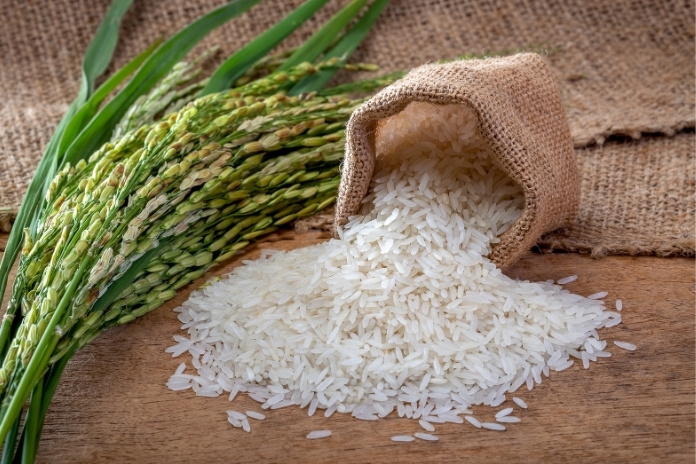
Jasmine rice is characterized by long grains, a soft, cohesive texture, and a distinctive floral aroma similar to that of the jasmine flower. This sweet, delicate-flavored rice is grown in Thailand but also produced in Cambodia, Vietnam, and Laos, and has become a standard pantry item worldwide.
It is somewhat thicker and shorter than other types of rice, such as basmati, and its cohesiveness makes it ideal for eating with chopsticks. When cooked, its grains do not clump; instead, they remain dry and fluffy. The plant produces natural aromatic substances (in small amounts) such as 2-acetyl-1-pyrroline, which are also responsible for the exotic scent.
Known to smell like heated buttered popcorn, this substance is also present in other foods, including white bread and basmati rice.
Jasmine rice comes in white and brown varieties, similar to other types of rice. Brown rice retains all three components of the grain, while processing removes the bran and germ from white rice.
Specialty stores also carry red, purple, and black rice varieties, though they are less popular.
Jasmine Rice Nutrition Facts

Jasmine rice is high in carbohydrates and contains trace minerals such as manganese, folate, selenium, and niacin, though the label information may vary somewhat by variety.
The nutrients in one cup (158 grams) of cooked white jasmine rice are:
- Calories, 205
- Carbohydrates, 44.5 grams
- Protein, 4 grams
- Fat, 0.5 grams; Fiber, 0.5 grams
- Manganese, 0.7 milligrams (D. V. = 37%)
- Folate, 91.6 micrograms (D. V. = 23%)
- Selenium, 11.9 micrograms (D. V. = 17%)
- Niacin approx 2.3 milligrams (D. V.12%)
- Iron approx 1.9 mg. (D. V. 11%.)
- Vitamin B6 approx 0.1 mg. (D. V. 7%.)
- Potassium approx 68 mg. (D. V. 7%.)
- Panthothenic Acid approx 0.6 mg. (D. V. 6%.)
- Magnesium approx 19 mg. (D. V. 5%.)
- Zinc approx 0.8 mg. (D. V. 5%.)
- Copper approx 0.1 mg. (D. V. = 5%.)
The nutritional score of brown jasmine rice is somewhat greater in fiber, calcium, and iron than that of white rice, but slightly lower in calories.
Read More: The Benefits of Eating Fermented Rice (A Forgotten Superfood)
Health Benefits of Jasmine Rice
With its many health advantages, jasmine rice is a versatile and enjoyable addition to a variety of dishes.
Jasmine rice reduces Blood Vessel Cholesterol: Because Thai jasmine rice contains Gamma-Oryzanol, which can help lower blood vessel fat and cholesterol. Consequently, it restores circulation to normal. After that, the blood can move to different parts of the body. The body’s main organs, such as the heart, liver, and kidneys, receive sufficient blood supply. After degeneration, every organ can resume its normal function.
Good Source of Iron: Jasmine rice is a fantastic source of iron, with 11 percent of the daily required dose in a single meal. A very essential mineral, iron plays a role in several bodily metabolic functions, such as the synthesis of DNA, the movement of oxygen, and the formation of red blood cells. Iron deficiency causes anemia, a disorder marked by symptoms such as weakness, fatigue, and brittle nails, which can result from a lack of this essential mineral.
Jasmine rice promotes a Healthy Metabolism: A lot of people think that eating rice can quickly make you gain weight. But Thai jasmine rice does exactly the opposite. In reality, jasmine rice can help boost the body’s metabolic system and reduce fat accumulation in various parts of the body.
Rich in Antioxidants: Antioxidants are substances that help combat free radicals and guard against oxidative stress and cell damage. The nutrition profile of jasmine rice is rich and well-rounded, mainly due to its high manganese content. This essential mineral acts as a powerful antioxidant and plays a vital role in maintaining health and preventing disease. There may be even more disease-fighting antioxidants in some types of rice, such as red, purple, and black rice.
Could Aid in the Battle Against Cancer: There is encouraging evidence that eating more whole grains, such as brown rice and jasmine rice, may help lower the chance of developing cancer.
In fact, a study published in Nutrition Reviews summarized the findings of 20 studies, revealing that six of them demonstrated a significant link between eating whole grains and a lower long-term risk of cancer. Due to the high fiber content, brown rice may potentially help prevent certain types of cancer.
Omega-3 fatty acids are present in Jasmine Rice: You may have heard that marine fish contain omega-3 fatty acid, which helps to support brain function. Thai jasmine rice includes omega-3 fatty acids. Eating Thai jasmine rice is, therefore, like feeding the brain. Additionally, it also helps to prevent dementia.
Potential Downsides of Jasmine Rice
Even though jasmine rice is a mainstay in many cultures, there are hazards associated with eating it. This rice poses the following risks:
Blood sugar spikes: Jasmine rice has a very high glycemic index, comparable to other types of rice. Additionally, eating brown jasmine rice may raise blood sugar levels, which can cause headaches in people with type 2 diabetes.
Levels of arsenic: Water, rock, and soil can all contain this toxic heavy metal. Because farmers grow rice in water-flooded fields, researchers have discovered that it accumulates arsenic at levels up to ten times higher than those in other grains.
The Food and Drug Administration (FDA) does not restrict the amount of arsenic in food, allowing the metal’s levels to increase rapidly without immediately damaging cells.
Children may be particularly at risk from this. Make sure to thoroughly wash your rice before cooking it to reduce the arsenic levels.
Read More: 8 Wild Rice Benefits and the Way it Affects Your Health
How to Make Jasmine Rice Healthier
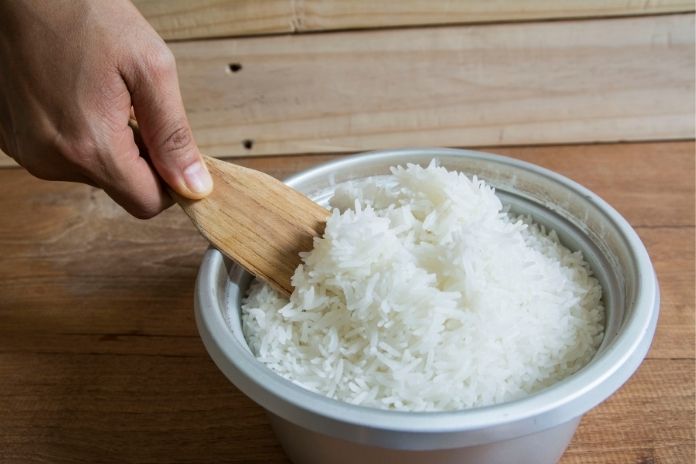
Jasmine rice can be a healthy choice, but making a few wise choices can enhance its nutritional value.
- First, it’s better to choose whole grain varieties of jasmine rice, such as brown, red, and black jasmine rice. Compared to refined white jasmine rice, these varieties contain higher levels of fiber, antioxidants, and minerals because they retain the bran and germ layers.
- Increased fiber improves digestion and increases feelings of fullness or satiety. Combine jasmine rice with high-fiber vegetables and lean proteins, such as chicken, tofu, or fish, to help control blood glucose levels. It will give the body a more consistent supply of energy and a slower rate of carbohydrate digestion.
- Rinse the rice well before cooking to remove excess starch, which helps prevent the rice from becoming sticky and slightly lowers trace levels of arsenic that can build up in rice grains.
- Controlling portion sizes is also essential; based on your caloric requirements, aim for no more than ½ to at least 1 cup of cooked rice per meal. By doing this, you can easily benefit from jasmine rice without consuming too many carbohydrates.
Conclusion
When eaten consciously, jasmine rice is a nutritious, flavorful, fragrant grain and a healthy part of a balanced diet. White jasmine rice provides immediate energy and is easily digestible, while the brown, red, and black varieties offer extra fiber, antioxidants, and essential minerals for good health.
The right type of jasmine rice, combined with vegetables and meats, makes for a delicious food that helps stabilize blood sugar and enhances the overall quality of the diet. Using light cooking methods and controlling portion sizes helps prevent excess calories and fat.
Washing rice before cooking makes it cleaner, reduces its starch content, and enhances its flavor and nutritional value. In conclusion, rice, when properly prepared, becomes a very versatile, nutritious, and sustaining food rather than another of the many processed carbohydrates.
Read More: Millet vs. Oatmeal for Breakfast: Which Is Healthier for You?
References
- https://www.medicinenet.com/jasmine_rice_good_weight_loss_is_it_healthier/article.htm
- https://www.cpthairice.com/5-advantages-of-consuming-thai-jasmine-rice/
- https://www.everydayhealth.com/food-ingredients/nutrition-white-jasmine-rice/
- https://draxe.com/nutrition/jasmine-rice-nutrition/
- https://www.coloradobariatric.com/is-jasmine-rice-a-healthy-choice/
- https://standardcoldpressedoil.com/amazing-health-benefits-of-jasmine-rice-its-side-effects
- https://www.onlymyhealth.com/health-benefits-and-side-effects-of-jasmine-rice-1702031136
- https://livelytable.com/rice/types/jasmine-rice-healthy
In this Article