














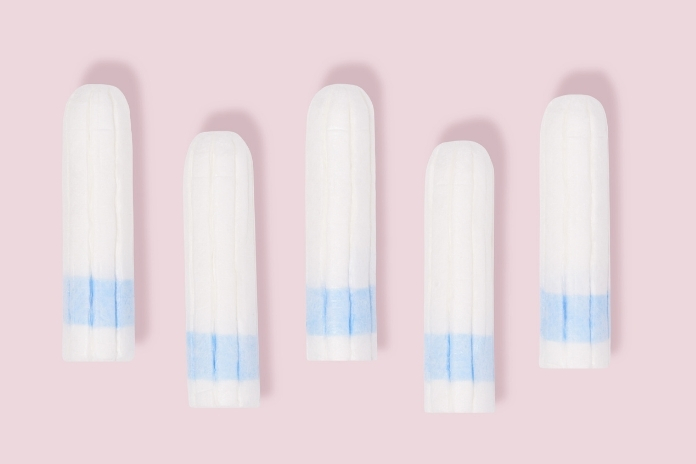
Short answer: No, a tampon can’t travel beyond your vagina. There’s simply nowhere for it to go. The vagina ends at the cervix, which is a closed gateway to your uterus, so a tampon can’t wander off into your body or get “lost” somewhere deep inside.
That said, tampons can occasionally get tucked higher up, especially if inserted in a rush or if the string slips out of reach. Sometimes, people even forget they’re wearing one, which can cause discomfort, an odd odor, or, in rare cases, infection.
In this guide, we’ll break down exactly what happens when a tampon seems to vanish: a quick anatomy refresher, what “lost” really means, how to remove a stuck tampon safely, when to see a doctor, and how to make sure it doesn’t happen again. You’ll also find expert input from gynecologists and links to reliable medical sources so you know what’s normal and what’s not.
Anatomy 101: Why a Tampon Can’t “Disappear”

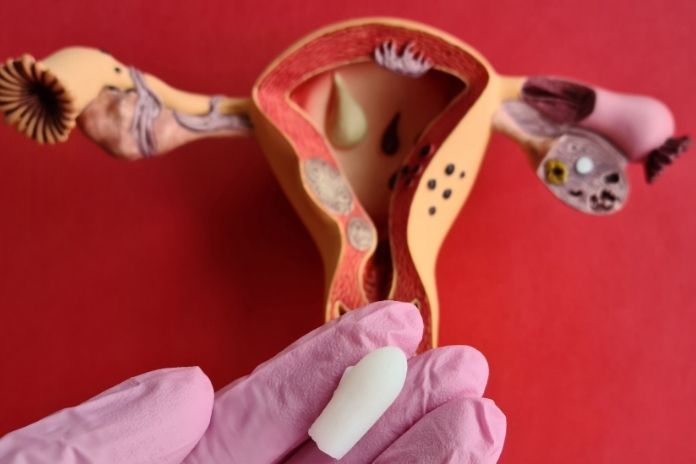
Your vagina isn’t an endless tunnel; it’s a short, flexible canal that connects the outside of your body to your cervix, which is the narrow entrance to the uterus.
Think of it like a hallway that ends at a locked door. That door, the cervix, only opens slightly during menstruation to let blood flow out, and more widely during childbirth. At any other time, the opening (called the external os) is far too small to let something like a tampon pass through.
As Sara Youngblood, CNP at Cleveland Clinic, explains, “The opening to the cervix isn’t even remotely big enough to let a tampon into the uterus. There is no physical way for a tampon to get past your vaginal canal and into the rest of your body.”
So while a tampon might feel out of reach or seem to have vanished, rest assured, it hasn’t gone anywhere; it shouldn’t. It’s still inside the vaginal canal, waiting to be removed.
What Actually Happens When a Tampon “Feels Lost”
When someone says a tampon is “lost,” one of a few things is usually happening:
- The tampon has been pushed higher into the vaginal canal, for example, if a second tampon was inserted without removing the first, or during sex, and the string may be hard to reach.
- The string can be tucked inside, or the tampon can turn sideways, making it harder to feel or pull out.
- In some cases, people genuinely forget to remove a tampon; a tampon can remain in the vagina for hours, days, or (rarely) weeks. That’s not “lost” in the body; it’s a retained object that needs removal.
Even when a tampon is high in the canal, it’s still reachable, either by you with a gentle finger sweep or quickly by a clinician. “It may not be totally easy to find or to remove a tampon,” Sara Youngblood, CNP, says, “but there’s always a way to be able to get it out.”
Signs a Tampon Might be Stuck or Retained
Look out for these warning signals; they’re the most common signs that a tampon is still inside or causing a problem:
- A foul or strong odor develops within a day or two.
- New vaginal discharge (different color, consistency, or smell).
- Vaginal discomfort, pressure, or cramping localized to the pelvis.
- Difficulty locating or removing the tampon string.
- Fever, chills, vomiting, or flu-like symptoms (these are red flags; see a doctor immediately).
These are the same clues that clinicians use to decide whether a tampon has been retained long enough to cause infection or needs medical removal.
How to Safely Remove a “Lost” Tampon
If you think a tampon is stuck, follow these steps first:
- Stay calm, panicking tenses pelvic muscles and makes retrieval harder.
- Wash your hands with soap and water. Trim long nails.
- Get into a comfortable position, sitting on the toilet with knees apart, squatting, or one foot propped on a tub edge can help.
- Bear down as if having a bowel movement; this can move the tampon lower.
- Insert a clean finger and feel for the string or the tampon. Hook it and gently pull it out. Use two fingers if you need to reach.
Do not use tweezers, sharp tools, or unsterile objects; those can damage tissue or push the tampon into a worse position.
When to See a Clinician
Call your doctor, go to urgent care, or visit an OB/GYN if:
- You can’t remove the tampon after a reasonable attempt.
- The tampon has been inside for more than 8 hours, and you can’t be sure it’s out (tampon labels and health agencies advise changing every 4–8 hours).
- You have foul odor, unusual discharge, pelvic pain, fever, or flu-like symptoms (possible infection or TSS).
Clinicians can usually remove a stuck tampon easily, with clean gloved fingers or a small clamp. As Dr. Alyssa Dweck, MD, FACOG, emphasizes: “Your ob-gyn can use a little instrument to fish out a tampon if there is one, and it literally takes 10 seconds.”
Risks of Leaving a Tampon in Too Long

The main danger from a retained tampon is infection, including the rare but serious toxic shock syndrome (TSS).
TSS is caused by toxin-producing bacteria (often Staphylococcus aureus) and can progress rapidly; historically, it was associated with high-absorbency tampons and long wear times. Today, TSS is uncommon, but it remains a medical emergency.
Other risks of forgotten tampons include bacterial vaginosis or localized infection, unpleasant odor, and irritation. Most people will notice a smell or discharge within a day or two if a tampon has been left in. Removing the tampon and, if necessary, treating the infection usually resolves symptoms.
If you develop fever, vomiting, fainting, a sunburn-like rash, or flu-like symptoms while a tampon has been in or soon after, remove the tampon and seek emergency care; these are classic signs of TSS. The FDA and CDC both advise immediate medical attention for these symptoms.
Tampon Safety Advice From Doctors (Practical Rules)

Tampons are safe when used correctly, but a few small habits make a big difference in keeping infections and discomfort away. Whether you’re new to tampons or just want a refresher, these simple rules are what most doctors recommend for everyday use:
- Change tampons every 4–8 hours and use the lowest absorbency that manages your flow. This helps prevent bacterial buildup and lowers the risk of infection.
- Wash your hands before inserting and after removing to avoid introducing germs into the vaginal area.
- Don’t double-insert two tampons at once. It’s a common mistake when you forget you already have one in, and it’s one of the main reasons tampons get stuck or hard to reach.
- Set a reminder on your phone when you insert a tampon, and delete it once you remove it. It’s a simple, doctor-approved trick to avoid forgetting one for too long.
- Skip tampons during an active UTI or vaginal infection. In those cases, stick to pads or period underwear until you’re fully healed.
Following these small but practical steps keeps tampon use comfortable, safe, and stress-free every cycle.
Read More: Sustainable, Safe & Smart: 8 Period Products to Switch to in 2025
FAQs
Can tampons get into the uterus?
No, that’s not possible. The cervix acts like a closed doorway between your vagina and uterus, so a tampon can’t pass through it. It stays safely within the vaginal canal until removed.
Can you pee with a tampon in?
Yes. The urethra, where urine exits, is separate from the vagina, so peeing won’t affect your tampon or your health. If you’re dealing with a UTI, it’s best to switch to pads until the infection clears.
What if I accidentally had sex with a tampon in?
The tampon can get pushed higher up and become tricky to reach, but it still can’t leave the vaginal canal. Try a gentle finger sweep to remove it, and if that doesn’t work or feels painful, see a doctor.
Are menstrual cups safer than tampons?
Both are safe when used correctly. The key is timing; don’t leave either in longer than recommended. If you’ve had toxic shock syndrome (TSS) before, talk to your doctor before using internal products again.
Bottom Line
A tampon can feel “lost,” but it can’t actually vanish inside your body; there’s simply nowhere for it to go. When the string slips out of reach or you forget you’re wearing one, it’s usually sitting just a bit higher in the vaginal canal.
Most of the time, a calm approach and a gentle finger sweep after washing your hands will bring it out without trouble. Squatting or sitting on the toilet and bearing down slightly can also help.
If you can’t remove it yourself, don’t panic or keep trying forcefully. Call your healthcare provider; removal takes only a few seconds in the clinic and doesn’t require any special procedure. What’s important is not leaving it in for too long.
A forgotten tampon can cause irritation, discharge, odor, or, in rare cases, toxic shock syndrome (TSS).
To stay safe, stick to the basics: change your tampon every 4–8 hours, use the lowest absorbency that manages your flow, and always wash your hands before and after. Skip tampons if you’re dealing with a UTI or vaginal infection until you’ve fully recovered.
And remember, there’s no reason to feel embarrassed. Clinicians see and remove stuck tampons all the time. What feels like a crisis to you is just another quick, routine fix for them.
References
- https://www.nhsinform.scot/healthy-living/womens-health/girls-and-young-women-puberty-to-around-25/periods-and-menstrual-health/stuck-or-lost-tampon/
- https://www.healthdirect.gov.au/retained-object-or-tampon
- https://www.medicalnewstoday.com/articles/326472
- https://en.wikipedia.org/wiki/Tampon
- https://www.goodrx.com/health-topic/womens-health/removing-stuck-tampon?
- https://www.hindustantimes.com/lifestyle/health/tampon-guide-101-experts-bust-the-6-biggest-myths-how-to-prevent-toxic-shock-syndrome-101749459110462.html
- https://helloclue.com/articles/culture/tampons-questions-and-misconceptions
- https://kidshealth.org/en/teens/supplies.html
- https://en.wikipedia.org/wiki/Tampon
- https://shebafeminine.co.za/uncategorized/can-a-tampon-get-lost-inside-you-lets-talk-about-it
- https://www.peesafe.com/blogs/news/the-facts-on-tampons-15-fact-you-should-know-about-tampons
- https://health.clevelandclinic.org/tampon-stuck
- https://smytten.com/blogs/wellness/tampon-meaning-101-a-beginners-guide-to-usage
- https://tampax.co.uk/en-gb/how-to-use/what-is-tampon/
- https://www.medicalnewstoday.com/articles/326472
- https://www.nhsinform.scot/healthy-living/womens-health/girls-and-young-women-puberty-to-around-25/periods-and-menstrual-health/stuck-or-lost-tampon/
- https://www.healthdirect.gov.au/retained-object-or-tampon
- https://www.omargailani.com.au/blog/lost-or-stuck-tampon-14107/
- https://nuawoman.com/blog/the-lost-tampon-dilemma-how-to-handle-it-safely-and-confidently
- https://health.clevelandclinic.org/tampon-stuck
- https://www.goodrx.com/health-topic/womens-health/removing-stuck-tampon
- https://www.yourdaye.com/vitals/womens-health/lost-tampon-stuck-inside
- https://www.practo.com/consult/symptoms-of-having-a-tampon-stuck-inside-you/t
- https://tampax.co.uk/en-gb/how-to-use/lost-or-stuck-tampon/
- https://epozytywnaopinia.pl/en/Forgotten-tampon-symptoms-effects-of-TSS-everything-you-need-to-know
- https://www.verywellhealth.com/how-to-remove-a-stuck-tampon-2721976
- https://www.quora.com/I-forgot-if-I-took-my-tampon-out-How-would-I-know-if-it-s-still-in-there
In this Article