















Have you ever wondered if releasing your egg later can make it harder to conceive? Ovulation is when an ovary lets go of an egg; this is the moment during your cycle when the chance of getting pregnant is highest. But late ovulation, when the egg is released much later than usual, can throw off your fertile window.
Why does this matter? Because sperm and egg have only a limited time to meet, and if ovulation happens late, it becomes harder to know exactly when that window opens.
Understanding what causes late ovulation and how it impacts ovulation and fertility will help you make more informed decisions about your health. Stick around to learn what signs to watch, what might be behind the delay, and how you can support your cycle to improve your chances of getting pregnant.
Read More: How to Track Ovulation with Irregular Cycles?
What Is Late Ovulation?
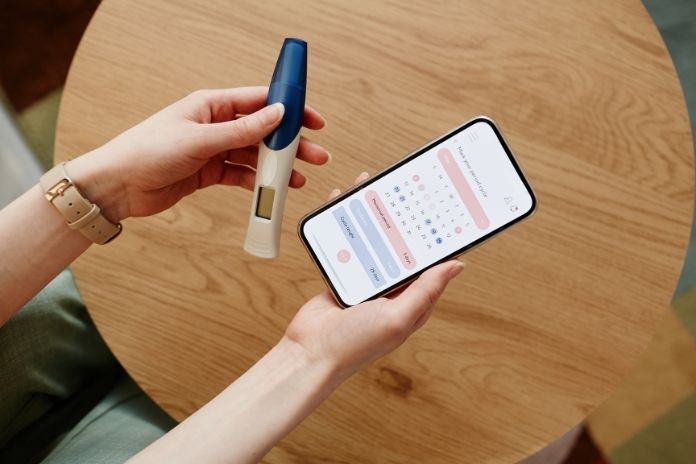
Ovulation is the process by which an egg is released from the ovary. This typically occurs between days 11 and 21 of the menstrual cycle, with day one being the first day of your period.
This range applies even if your cycle varies in length. For example, individuals with a 28-day cycle typically ovulate around day 14, but ovulation can occur anywhere within the 11- to 21-day timeframe.
What Counts as “Late” Ovulation?
Ovulation is considered late when the egg is released after day 21 in a typical 28-day cycle. This pattern indicates a longer follicular phase, the time before ovulation, that shifts your ovulation timing later than average.
Read More: Is it Normal to Feel Depressed Before Ovulation?
Does Late Ovulation Affect Fertility?
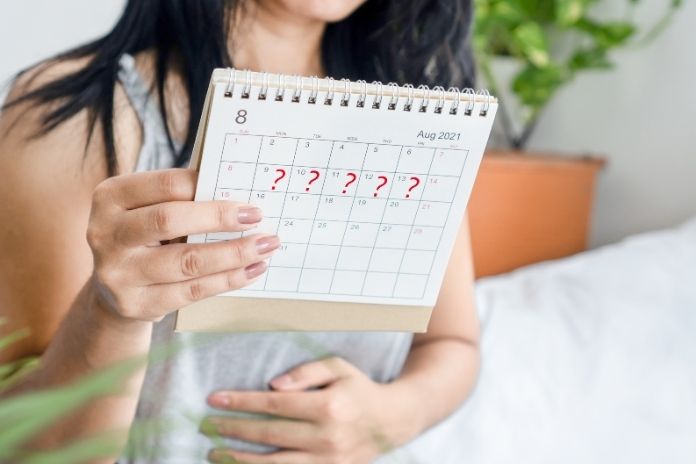
Impact on Egg Quality and Implantation
When ovulation happens late, the egg might be older or less healthy by the time it is released. Older eggs may not fertilize as easily or develop as well, which can lower late ovulation fertility potential.
Additionally, the timing between ovulation and when the uterus is ready for implantation may be mismatched, which can affect the chances of pregnancy.
Short Luteal Phase Risk
The luteal phase is the time between ovulation and the start of the next period. Normally, it lasts about 12–14 days. If ovulation happens too late, the luteal phase may be shorter than normal. This is referred to as a luteal phase defect.
A short luteal phase doesn’t give the fertilized egg enough time to implant securely in the uterine lining. Even if fertilization occurs, implantation problems can make late ovulation pregnancy chances lower.
Increased Risk of Irregular Cycles
Late ovulation is often linked with hormonal imbalances or conditions like PCOS, thyroid issues, or stress.
These factors can lead to irregular cycles, making it harder to predict ovulation and plan for pregnancy. Inconsistent cycles can also result in fewer ovulation events over time, reducing the number of opportunities to conceive each year.
Possible Link to Miscarriage Risk
Some research suggests that late ovulation might be linked to a higher risk of early pregnancy loss. This could be due to poor egg quality or problems with the uterine lining if implantation happens too late.
However, this connection is not fully proven, and many women with late ovulation still go on to have healthy pregnancies. Doctors usually recommend tracking cycles, addressing hormonal issues, or using fertility treatments if late ovulation persists.
Read More: Why Am I Getting Two Periods in a Month?
Can You Still Get Pregnant with Late Ovulation?
Late ovulation can make it harder to predict the right time for conception, but pregnancy is still possible. Understanding how fertility timing, egg quality, and uterine readiness impact the chances of pregnancy with late ovulation helps guide more informed planning.
Yes: Ovulation Matters Most
If ovulation happens, even if it’s later than usual, you still have a chance to get pregnant. Ovulation and conception rely on an egg being released and sperm being present around that time. Many women with late or irregular ovulation still conceive naturally.
Success Depends on Several Factors
- Egg quality: Late ovulation sometimes means the egg is older or exposed to hormone fluctuations for a longer period, which can reduce its ability to fertilize properly.
- Uterine lining health: The uterine lining must be prepared to accept a fertilized egg. If ovulation is late, that readiness may be misaligned with when the embryo arrives.
- Sperm timing: Even if ovulation is late, pregnancy only occurs if sperm is available at the right time (within a few days before ovulation through about 24 hours after). If you miss that window, chances drop.
Predictability vs. Possibility
Late ovulation affects fertility timing more than fertility possibility:
- Harder to predict fertile window: With late or irregular ovulation, it becomes difficult to know exactly when you’ll ovulate. This makes timing intercourse more challenging.
- Missed opportunities: Because you don’t know exactly when the egg will be released, there may be cycles where you don’t have intercourse at the optimal time. This can reduce your chances of becoming pregnant.
What the Research Says
Research suggests that even with late ovulation, many people will still get pregnant naturally, especially with tracking and sometimes treatment if needed.
From Flo Health, Dr. Jennifer Boyle, OB/GYN (Massachusetts General Hospital, US), explains that late ovulation doesn’t always signal a problem and that many women still ovulate enough to become pregnant. Occasional late ovulation can often be managed by tracking and paying attention to cycle patterns.
As medically reviewed in content discussing late ovulation, Dr. Roohi Jeelani, MD, FACOG (Reproductive Endocrinologist & Infertility Specialist) notes that it is absolutely possible to become pregnant even if ovulation is late.
Treatment of underlying hormonal issues or conditions (like PCOS) often helps improve ovulation timing and boost pregnancy chances.
Read More: How Soon Can You Get Pregnant After a Miscarriage?
Causes of Late Ovulation

Late ovulation can make it more challenging to predict your fertile days and may occasionally impact conception. Several factors can delay egg release and disrupt the timing of the menstrual cycle.
Hormonal Imbalances
One of the main causes of late ovulation is when the body’s hormones are out of balance. Important hormones for ovulation include FSH (follicle-stimulating hormone), LH (luteinizing hormone), estrogen, progesterone, and prolactin. If FSH or LH are too low, or if prolactin is too high (a condition called hyperprolactinemia), the trigger for releasing an egg may be delayed.
Polycystic Ovary Syndrome (PCOS)
PCOS is a common condition linked with ovulation abnormalities. In PCOS, many small follicles develop, but one doesn’t mature correctly and release an egg when it should.
There are often high levels of male-type hormones (androgens) and irregular periods. Because of this, ovulation can be delayed or sometimes absent, which lowers fertility chances.
Thyroid Disorders
The thyroid gland plays a crucial role in regulating various body functions, including the production of hormones essential for reproduction. If the thyroid is underactive or overactive, it can throw off the balance of reproductive hormones and delay ovulation. Treating thyroid problems often helps restore more regular ovulation.
Perimenopause or Age-Related Factors
As women grow older and approach perimenopause, hormonal changes become more common; cycles may become irregular. Ovulation may happen later than usual or sometimes not at all. Also, the body’s responsiveness to ovulation-triggering hormones (LH, FSH) may weaken with age.
Lifestyle Causes for Late Ovulation
Various lifestyle and external health factors can also cause delayed ovulation:
- Stress(physical or emotional) can disturb the brain-pituitary-ovary hormonal feedback loops. Extreme stress (e.g., illness, traumatic events) may delay or stop ovulation altogether.
- Illness or any disruption in general health can affect the timing of ovulation.
- Very intense exercise can reduce hormone signals needed for timely ovulation.
- Excess weight or being underweight can disrupt hormonal balance, affecting estrogen and insulin levels. This imbalance may disrupt the menstrual cycle, leading to delayed ovulation and irregular menstrual periods.
Read More: Effective Ovulation Tracking Tools and Methods
How to Know If You’re Ovulating Late
Keeping track of your ovulation can help you determine when you’re most likely to conceive.
Signs of Ovulation (Physical Clues)
- Changes in cervical mucus:When your cervical mucus becomes clear, elastic, and slippery, like raw egg whites, it’s a definite sign that you’re ovulating late.
- Change in Basal Body Temperature (BBT): After ovulation, your resting body temperature tends to increase slightly (usually between 0.3 and 1°F). This is because of progesterone.
- Other signs:Some women experience slight pain in their lower abdomen or pelvis (known as mittelschmerz) around the time of ovulation. You might also notice a little spotting or have a higher sex drive.
Using Ovulation Predictor Kits (OPKs)
You can take urine-based OPKs at home to see if your luteinizing hormone (LH) levels are rising. This normally happens right before your ovary releases an egg. Getting a positive LH result later than you thought could imply that your ovulation is late.
These kits are useful, but if your cycles are late or irregular, you may need to use more of them in a month to catch the surge. Also, be sure to follow the directions exactly (including when to do it and how to collect the sample) so that the results are reliable.
Ovulation predictor kits can be easily found on Amazon.
Tracking Cycles with Apps and Fertility Charting
Tracking your menstrual cycles for a few months can help you understand your patterns. Using Apps, you can record the start and end dates of your cycle, as well as physical symptoms like changes in mucus, basal body temperature (BBT), minor ovulation pain, spotting, and more, using a fertility app or a calendar.
If you notice that your typical signs are occurring later than usual, this may indicate that you are ovulating late. Many fertility apps allow you to log ovulation predictor kit (OPK) results along with your BBT data. Over time, you’ll become better at predicting when you are fertile and identifying any changes in your cycle.
Some well-known and reputable ovulation tracking apps include:
If you have been tracking your cycles for several months and find that your ovulation is consistently late or irregular, consulting a doctor for further guidance or treatment may be helpful.
Read More: Perimenopause vs. PCOS: Overlapping Symptoms Not to Ignore
When to See a Doctor or Fertility Specialist

If Cycles Are Consistently Long or Irregular
If your menstrual cycles are consistently very long, very short, or irregular, and vary significantly from month to month, this may indicate that ovulation isn’t happening reliably.
Medical sources say that such irregular periods can make it hard to know when you ovulate, which makes timing intercourse for conception difficult. If your cycles are outside the usual range, less than about 21 days or more than about 40 days, you should consider an infertility evaluation.
If Pregnancy Hasn’t Occurred After 6–12 Months of Trying
Another clear sign to see a fertility specialist is if you’ve been trying to get pregnant for a while without success. For women under age 35, doctors usually recommend seeking help if there’s no pregnancy after 12 months of regular, well-timed intercourse.
For women aged 35 or over, it’s often advised to reduce that waiting time to 6 months because fertility naturally declines with age.
If Late Ovulation Comes with Other Symptoms
If late ovulation goes along with other warning signs, such as spotting between periods, missed periods, very heavy or very painful menstrual bleeding, sudden changes in cycle length, or symptoms of hormonal issues, then seeing a doctor is wise.
These symptoms might point to underlying conditions like PCOS, thyroid problems, hyperprolactinemia, or other hormonal imbalances. Addressing these can help restore regular cycles and increase your chances of pregnancy with late ovulation.
When you visit a doctor or fertility speci
Treatments and Management for Late Ovulation
alist, expect them to review your medical history (cycles, ovulation tracking, symptoms), run tests (hormone levels, ultrasounds, possibly semen analysis if relevant), and discuss treatment options or lifestyle changes.
The earlier you get evaluated, especially if you’re older or have additional symptoms, the better your chances of improving fertility outcomes.
Read More: How Soon Should You See a Fertility Specialist?
Delayed ovulation might complicate pregnancy planning, but a number of treatments and lifestyle modifications can normalize cycles and enhance chances of fertility. Here’s what you should know:
Medical Interventions
- Fertility Medications: Doctors prescribe medications such as Clomiphene Citrate (Clomid), Letrozole, or gonadotropins to stimulate the ovaries and induce ovulation at the optimal time. These are typically the first step for women who fail to ovulate in a predictable manner.
- Treating Underlying Conditions: If PCOS, thyroid disease, or hormonal imbalance is the cause of late ovulation, curing these conditions may optimize cycle regularity.
- Assisted Reproductive Technologies (ART): For those not responsive to medications or who have other fertility concerns, treatments such as Intrauterine Insemination (IUI) or In-Vitro Fertilization (IVF) are proposed. In certain cases of PCOS, minor surgical treatments such as ovarian drilling might be suggested to enhance ovulation.
Lifestyle Changes
- Stress Reduction & Sleep: Excessive stress and inadequate sleep can disrupt hormone balance. Stress-reducing activities, such as yoga, meditation, or even just deep breathing, can help calm the system and support hormonal balance.
- Balanced Nutrition: A diet rich in zinc, vitamin B6, and omega-3 fatty acids can aid reproductive well-being. Whole grains, lean protein, and good fats help regulate hormones.
- Regular Exercise & Healthy Weight: Maintaining a healthy weight is also important, as excess weight can interfere with hormone levels and delay ovulation. Moderate exercise supports a healthy weight. Note that both being underweight and overweight can impact the timing of ovulation.
Read More: Why Some Women Feel “Hangry” Before Their Period?
Outlook and Key Takeaways
Late ovulation can feel worrying if you’re trying to conceive, but many women with late ovulation still go on to have healthy pregnancies naturally. The key factor is understanding what’s causing the delay.
Hormonal imbalances, conditions like PCOS or thyroid disorders, stress, or even sudden changes in weight can all affect ovulation timing. Once the cause is identified, treatments, from lifestyle changes to medications, often help restore regular cycles and improve fertility success.
Tracking your cycle carefully is important because late ovulation can make it harder to pinpoint your fertile window. Using tools like ovulation predictor kits, fertility apps, or basal body temperature charts, combined with medical guidance if needed, can help you time intercourse more effectively and improve your chances of conception.
If late ovulation continues for several months or comes with other symptoms like irregular periods or missed cycles, consulting a fertility specialist can ensure the right tests and treatments are done early.
With the right approach, cycle tracking, medical support, and healthy lifestyle habits, most women with late ovulation can still achieve their reproductive health and pregnancy goals.
References
- https://triofertility.com/late-ovulation-and-pregnancy/
- https://www.webmd.com/baby/what-to-know-about-late-ovulation
- https://www.medicalnewstoday.com/articles/late-ovulation
- https://pmc.ncbi.nlm.nih.gov/articles/PMC9400390
- https://www.naturalcycles.com/cyclematters/what-is-ovulation-and-when-will-i-ovulate
- https://www.medicalnewstoday.com/articles/322893
- https://www.webmd.com/baby/what-to-know-about-late-ovulation
- https://www.medicalnewstoday.com/articles/late-ovulation
- https://natalist.com/blogs/learn/late-ovulation
- https://flo.health/getting-pregnant/trying-to-conceive/tracking-ovulation/late-ovulation-causes-and-symptoms
- https://www.medicalnewstoday.com/articles/322954#takeaway
- https://www.babycenter.com/getting-pregnant/ovulation/late-ovulation_41001632
- https://www.health.com/ovulation-symptoms-7561616
- https://shop.miracare.com/blogs/resources/late-ovulation-can-it-affect-my-ability-to-get-pregnant
- https://preganews.com/blogs/how-does-late-ovulation-affect-your-chances-of-getting-pregnant/
- https://www.toplinemd.com/womens-care-of-bradenton/blog/late-ovulation-can-you-ovulate-late-and-still-get-pregnant/
- https://www.babycenter.com/getting-pregnant/ovulation/late-ovulation_41001632
- https://www.medicalnewstoday.com/articles/late-ovulation
- https://preganews.com/blogs/how-does-late-ovulation-affect-your-chances-of-getting-pregnant/
- https://www.maxhealthcare.in/blogs/delayed-periods-causes-symptoms-diagnosis-treatment
- https://www.msdmanuals.com/professional/gynecology-and-obstetrics/infertility-and-recurrent-pregnancy-loss/ovulatory-dysfunction#Treatment_v1068840
- https://www.uhcw.nhs.uk/ivf/treatments/oi/
In this Article