
















Have you ever noticed urine that’s too dark? And, by dark, we mean brown.
Noticing that your urine looks brown can be scary. While it may raise concerns about serious health conditions, not all cases of brown urine indicate something dangerous. In many situations, the color change is temporary and caused by dehydration, certain foods, or medications. However, brown urine can also be a sign of underlying medical conditions such as liver disease, kidney problems, or urinary tract issues that require medical attention. When to worry and when not to? Let us find out.
Knowing why your urine is brown is key to knowing whether it’s something trivial or a cause for immediate consultation. This article will discuss the normal urine color, the most common causes of brown urine, related warning signs, and when to visit a doctor. At the end, you will be better able to determine whether you need urgent medical care or it’s not-so-serious.
Read More: Foamy Urine: What It Means About Your Kidney Health
What Does Normal Urine Color Look Like?
Normal urine color varies from pale yellow to dark amber. This color is primarily linked to a yellow pigment known as urochrome. This is a product of hemoglobin breakdown in red blood cells. The more concentrated your urine is, the darker it is.
Various factors determine the color of urine:
- Hydration: Well-hydrated people tend to excrete pale or transparent urine. Dehydration darkens urine.
- Diet: Beets, blackberries, or asparagus can temporarily tint urine.
- Medications and Supplements: Some antibiotics, multivitamins, and even B vitamins can make urine darker.
Mild color changes are generally harmless, but a few major changes, such as brown, red, orange, or cloudy urine, can indicate health problems from infections to organ failure. Knowing what’s normal allows you to identify when something out of the ordinary is occurring.
Common Causes of Brown Urine
Here are a few common causes of brown urine:
Dehydration:

Dehydration is one of the most common causes of dark urine. When your body lacks sufficient fluids, your urine becomes more concentrated with waste products, giving it a darker yellow or brownish hue. This is especially common in hot weather, after exercise, or when you’ve been ill with vomiting or diarrhea. Typically, drinking enough water restores urine to its normal lighter shade within hours. If hydration is not effective in improving color, it could be a sign of an underlying issue.
Diet and Foods:

Some foods will temporarily darken your urine to brown. Fava beans, rhubarb, and aloe fall into this category as they have compounds that change urine color. Dyes in food, especially in processed or artificially colored products, could also be involved. These are temporary changes and usually cease once the food moves through your system.
If you find yourself with a correlation between the food you are eating and the urine’s color, it is usually nothing to concern yourself with. Yet, if the coloration continues after avoiding these foods, see a physician to ensure there isn’t a medical reason.
Read More: What Does Cloudy Urine Mean? Cloudy Urine Causes And Treatment
Medications and Supplements:

Several prescription and over-the-counter drugs can blacken urine. Antibiotics, metronidazole and nitrofurantoin, antimalarial drugs, some laxatives, and iron supplements are common causes. These chemicals can change the chemistry of the urine to produce brown, orange, or even black color.
Vitamin C and multivitamins also temporarily cause changes. This effect is normally harmless, but it’s worth knowing if your drug is responsible. If you have a suspicion, refer to the leaflet that came with the drug or ask your doctor before taking any action.
Exercise-Induced Causes:

Severe or intense physical exercise may sometimes result in brown urine. This occurs in rare events, such as rhabdomyolysis, a condition in which muscle fibers degenerate and release myoglobin into the bloodstream. Myoglobin pigments the urine to make it appear cola-like. In addition to dark urine, rhabdomyolysis frequently results in muscle aching, weakness, and tiredness.
Rhabdomyolysis is a severe condition that needs to be treated by a physician immediately. The majority of those who exercise at a moderate level don’t need to be worried, but those who are in extensive, intense training must be aware of the risks.
Medical Conditions:

Brown urine may also indicate underlying medical issues, particularly with the liver, kidneys, or urinary tract.
- Liver and Gallbladder Problems: Diseases such as hepatitis, cirrhosis, or gallstones may result in excess bilirubin accumulation in the body, and this will lead to dark brown urine. It is usually accompanied by jaundice, that is, yellowing of the eyes and skin. Tolulope Bakare, MD, an assistant professor in the department of urology at UT Southwestern Medical Center in Dallas, shares similar thoughts. “Liver disease can dump a lot of bilirubin into urine, which can make your urine a darker yellow or brown,” she says.
- Kidney Disorders: Conditions such as glomerulonephritis or kidney stones can cause dark urine because of blood or protein loss. These tend to have other features such as pain in the back or flank, leg swelling, or foamy urine.
- Urinary Tract Problems: Hematuria, or blood in the urine, may be brown instead of red at times. Reasons vary from infections of the urinary tract (UTIs) to issues with the bladder or kidneys. If there is burning, urgency, or pelvic discomfort, an infection is likely.
- Other Illnesses: Some uncommon conditions, such as porphyria (an inborn error of metabolism), may cause urine to appear dark. Hemolytic anemia, a breakdown of the red blood cells, can also discolor the urine brown.
These medical causes are often more complex than just dietary or drug-related changes and require thorough and urgent evaluation.
Brown Urine vs. Blood in Urine
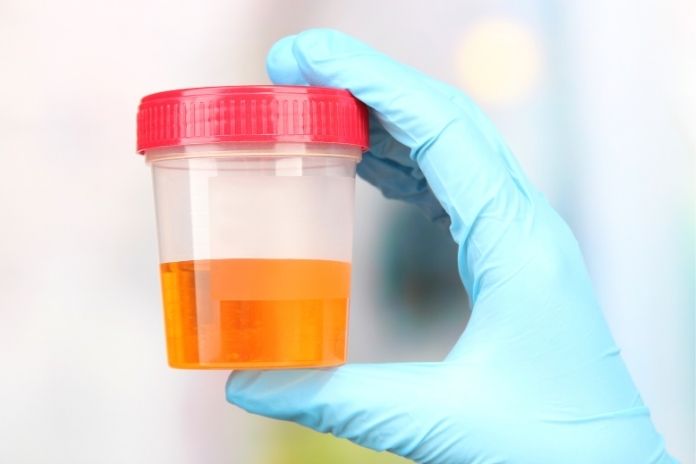
Brown urine is occasionally confused with blood in the urine. Actual hematuria tends to make urine pink, red, or rusty. However, brown urine is more commonly due to bilirubin, myoglobin, or food pigments rather than actual blood.
That being said, blood in the urine may sometimes look brown, particularly if it has been stored in the bladder for a while. Hematuria is indicated by blood clots, pain, or needing to urinate a lot and requires prompt medical care. The two can’t always be told apart without a urinalysis, so none of these occurrences should ever be dismissed when brown urine persists.
Associated Symptoms to Watch For
Brown urine is more concerning if it occurs with other symptoms. The warning signs include:
- Jaundice, which involves yellowing of the eyes and skin, is usually associated with liver illness.
- Abdominal or flank pain, which can be due to kidney stones or infection.
- Fever, nausea, or fatigue, all which indicate infection or systemic illness.
- Swelling in the legs or ankles, which is a common cause, can be due to kidney or liver disease.
- Cloudy urine with odor may indicate a urinary tract infection.
If brown urine appears with one or more of these symptoms, it’s more likely that an underlying condition is present rather than a harmless cause like diet or dehydration. Recognizing these red flags helps you know when medical care is urgent.
Read More: Kidney Stones: Why They Happen and How to Prevent Them
When to See a Doctor

Not all cases of brown urine need emergency care, but some situations warrant immediate attention. Seek urgent help if you experience:
- Severe back or belly pain
- Fever, chills, or nausea
- Blood clots in the urine that are seen
- Dark urine after a recent muscle injury
- Yellow color of skin or eyes (jaundice)
If the urine is brown for longer than 48 hours without a clear cause, such as food or medication, make an appointment with the doctor. A doctor will typically prescribe tests like urinalysis, blood tests, and imaging tests to determine the cause.
Early detection can prevent complications from conditions such as liver disease, kidney damage, or urinary tract infections.
Prevention and Self-Care Tips
You can reduce the likelihood of brown urine through simple lifestyle measures:
- Stay hydrated. Drink enough fluids, especially during exercise or hot weather.
- Check medications that you take regularlyReview prescriptions and supplements with your doctor if discoloration concerns you.
- Watch your diet by limiting foods that commonly cause urine color changes if they bother you.
- Exercise safely and don’t push your body to the limit to lower the risk of rhabdomyolysis.
- Opt for regular screenings to allow monitoring of kidney and liver function.
Although these measures won’t eliminate all reasons for brown urine, they can ensure urinary health and minimize risks from preventable causes.
FAQs
- Can brown urine be caused by dehydration?
Yes, dark yellow to brown-colored concentrated urine due to dehydration. It usually gets cleared after rehydration. - Is brown urine always due to blood?
No, brown urine can result from bile pigments, myoglobin, or food and drug intake. Blood tends to color urine red or pink. - Is pregnancy responsible for changes in the color of urine?
Pregnancy itself is not responsible for brown urine, but during pregnancy, dehydration, supplements, or urinary infection can be.
- Is brown urine dangerous if it occurs only once?
If it occurs once following exercise or consuming some foods, it is unlikely to be serious. However, if it occurs repeatedly, consider having it checked.
Conclusion
Brown urine can be harmless or severe, depending on the underlying cause. Common causes, such as dehydration, diet, or medication, are usually responsible; however, persistent discoloration can indicate problems with the liver, kidneys, or urinary tract. The point is to look at the larger picture: if brown urine is paired with pain, jaundice, fever, or swelling, get professional help.
The bottom line? Don’t dismiss changes in your urine color. Determining if it’s a change that will pass or a medical red flag guarantees you receive timely treatment and protects your overall well-being.
In this Article