














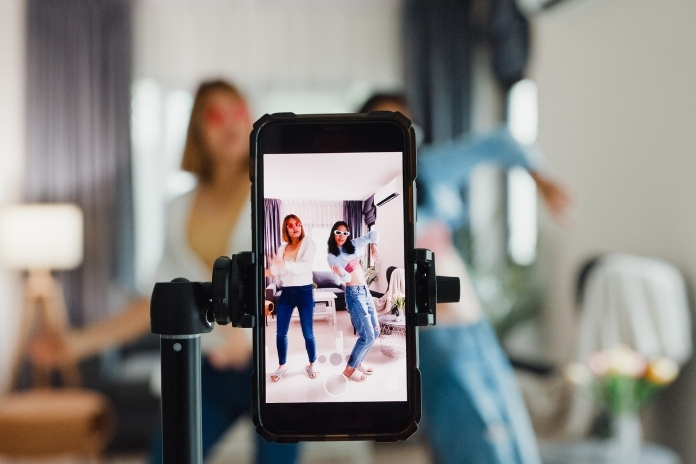
TikTok isn’t just about dance trends or lip-sync videos; it has quickly evolved into an unexpected hub for fitness inspiration. Scroll through the platform and you’ll find millions of bite-sized workout clips promising everything from rapid fat loss to toned abs in 30 days.
These short, snappy routines, often packaged as viral “challenges”, make fitness look fun, accessible, and almost effortless. Whether it’s a treadmill challenge, a plank variation, or a high-energy bodyweight circuit, the app has transformed living rooms and gyms into stages for quick bursts of exercise.
The appeal is obvious: workouts that fit into a minute-long video feel doable, motivating, and less intimidating than traditional fitness plans. Add in music, trending hashtags, and the sense of belonging that comes with joining thousands of others in the same challenge, and you have a recipe for instant virality.
But here’s the question: are TikTok fitness challenges worth the hype? While some are grounded in solid exercise science and can be a great entry point for beginners, others sacrifice form and safety for clicks and likes. A poorly designed trend can leave you with more than just sore muscles; it can increase the risk of injury or lead to burnout when the excitement fades.
This article breaks down the TikTok-inspired WODs (Workouts of the Day) that actually deliver results, explains why these challenges have captured so much attention, and shows you how to incorporate them into a routine that lasts beyond the latest viral wave.
Why TikTok Fitness Challenges Are So Popular
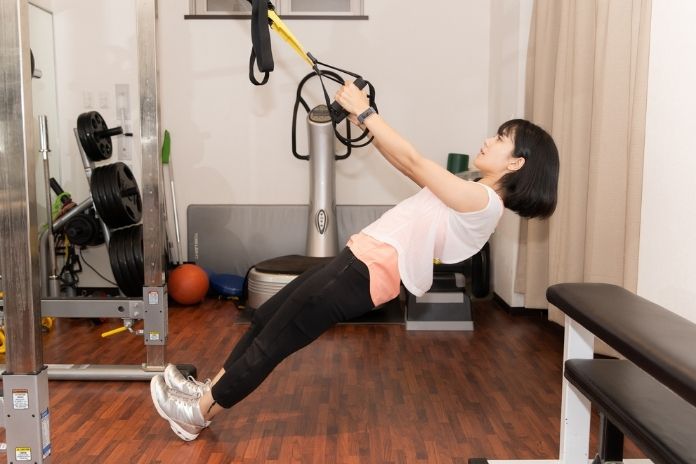
The explosion of TikTok fitness trends signals more than just a passing fad; it reflects a cultural shift in how people consume health and exercise content. Traditional approaches like hour-long YouTube workouts or costly gym memberships often feel time-consuming or intimidating. TikTok, on the other hand, offers workouts that are quick, entertaining, and accessible to anyone with a phone. Here’s why they’ve taken off.
1. Short, Snackable Workouts
The average TikTok video runs under a minute, making it perfectly suited to today’s shrinking attention spans. Instead of committing to a 45-minute routine, users can watch and replicate a workout that feels manageable in just a few seconds. This bite-sized format lowers the barrier to entry, turning exercise into something approachable rather than overwhelming.
It also resonates with younger audiences. According to Soax, in 2024, 36.2% of TikTok users were between 18 and 24 years old, a group that tends to prioritize convenience, immediacy, and flexibility over traditional, structured programs. For them, fitness that fits into the flow of scrolling feels natural.
2. Community and Accountability
TikTok thrives on participation, and fitness challenges are no exception. Hashtags like #12330challenge or #plankchallenge invite millions of users to join in, document their progress, and cheer each other on. This creates a sense of accountability that traditional solo workouts often lack.
Dr. Ping Zhou et al. (2022), in a study published in Frontiers in Public Health, found that engagement in online health communities (OHCs) provides both informational and emotional support, which boosts individuals’ health self-efficacy, their belief in their ability to manage their health, and this, in turn, leads to positive lifestyle changes.
In other words, posting your day 7 progress video doesn’t just earn likes; it strengthens your commitment to keep going because you’re part of something larger than yourself.
3. Instant Gratification Culture
In an age where everything from food delivery to entertainment is on demand, workouts that promise fast results feel especially appealing. Viral fitness challenges tap into this desire for quick wins, whether it’s visible progress in a two-week ab challenge or a noticeable stamina boost after completing a treadmill program.
But here’s the caveat: quick results don’t always mean lasting results. Exercise physiologist Dr. Brad Schoenfeld, in his paper “Loading Recommendations for Muscle Strength and Hypertrophy”, discusses how moderate load training tends to be more enjoyable, which can positively impact long-term adherence.
A challenge may kickstart motivation, but sustainable fitness comes from consistent, progressive routines that outlast the hype.
Read More: 9 Fitness Challenges for a Fun and Effective Workout Routine
TikTok-Inspired WODs That Actually Work
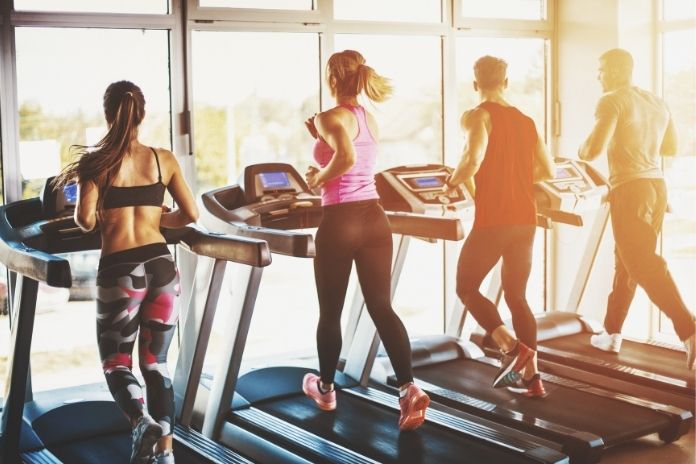
Not every viral workout is a gimmick. Some challenges on TikTok are rooted in real exercise science, focusing on endurance, strength, and functional movement. These trends not only capture attention but can also deliver genuine results when performed correctly. Here are some of the most effective ones:
1. 12-3-30 Treadmill Challenge
What it is: Popularized by influencer Lauren Giraldo, this routine involves walking on a treadmill at a 12% incline, 3 mph speed, for 30 minutes.
Why it works:
- Low-impact cardio: Easier on the joints compared to running.
- Endurance building: Sustained incline walking challenges the cardiovascular system.
- Calorie burn: A 2019 study in JMIR mHealth and uHealth modeled energy expenditure for walking across graded surfaces, confirming that steeper inclines raise energy demands significantly.
Dr. Cedric Bryant, President of the American Council on Exercise, notes that “walking uphill or inclining your treadmill increases the intensity and challenge of the walk.” This approach can offer a more strenuous cardiovascular workout while remaining low-impact compared to high-impact activities like running.
Read More: The Rise of 12-3-30 Workouts: Does This Treadmill Routine Work?
2. Plank Challenge Variations
What it is: Users hold planks for extended times or experiment with variations like side planks, plank-to-shoulder taps, or plank jacks.
Why it works:
- Core stability: Planks engage multiple abdominal and spinal muscles at once.
- Posture benefits: Supports spinal alignment and reduces lower back pain risk.
- Scalability: Suitable for beginners and adaptable for advanced athletes.
Kim et al. (2016) published in Sports Biomechanics, titled “Comparison of EMG activity on abdominal muscles during the plank exercise combined with the bilateral and unilateral isometric hip adduction”, which found that abdominal muscle activity was significantly increased during plank exercise when combined with hip adduction.
3. Wall Sit Challenge
What it is: Holding a static squat position with knees bent at 90 degrees for as long as possible.
Why it works:
- Strength endurance: Develops muscular stamina in the quadriceps and glutes.
- Mental toughness: Tests focus and resilience against discomfort.
- Minimal equipment: Can be done anywhere with a wall.
Isometric holds like wall sits increase time under tension, improving muscular endurance. A 2019 systematic review in the Scandinavian Journal of Medicine & Science in Sports confirmed that isometric training substantially increases strength at the joint angle that was trained, which helps explain why wall sits are particularly effective for building quadriceps endurance and strength at deeper knee angles.
4. Jump Rope (Skipping WOD)
What it is: Jump rope routines featuring moves like crossovers, double-unders, and freestyle tricks.
Why it works:
- High-calorie burn: Harvard Medical School estimates 10–16 calories burned per minute.
- Coordination and agility: Improves rhythm, timing, and neuromuscular control.
- Cardiovascular fitness: Consistent practice enhances VO₂ max.
“Jumping rope is a highly efficient cardio exercise that significantly boosts coordination and balance,” says Katie Lawton, MEd, Exercise Physiologist at Cleveland Clinic. “It engages both rhythm and cardiovascular conditioning in a way traditional running doesn’t.”
5. Stair or Step Challenge
What it is: Climbing stairs or stepping onto platforms, often measured by time or total steps completed.
Why it works:
- Functional strength: Mimics everyday movements like stair climbing.
- Lower-body conditioning: Targets calves, quads, glutes, and hamstrings.
- Accessible cardio: Requires little to no equipment, just stairs.
A 2019 study in Applied Physiology, Nutrition, and Metabolism found that short bouts of stair-climbing throughout the day (“exercise snacks”) significantly improved peak oxygen uptake (VO₂max) in sedentary young adults.
How to Build a TikTok-Inspired WOD at Home
One of the biggest appeals of TikTok challenges is their accessibility. They’re short, engaging, and feel more like play than work. You can combine several of these into a structured workout to get variety, intensity, and results, all while keeping the “fun factor” alive.
Step 1: Warm-Up (5 minutes)
Even if you’re following a trend, don’t skip the basics. A proper warm-up primes your muscles and joints, reduces injury risk, and sets the right tone for the workout.
- Dynamic stretches: Arm circles, hip openers, and leg swings loosen tight joints.
- Cardio activation: Jog in place or do 30 seconds of high knees to get your heart rate up.
- TikTok twist: Turn your warm-up into a mini-dance challenge by picking a trending sound and doing a few simple moves. It makes the process feel less like “work” and more like part of the fun.
Step 2: Main Set (12–15 minutes)
Here’s where you bring the TikTok flavor into a proper workout structure. Instead of doing one random challenge, you can layer them like stations in a circuit.
Option A: 12-3-30 Treadmill Walk or Stair Climb (10 minutes)
This trend blew up for a reason: it’s steady, effective, and manageable for beginners. If you don’t have a treadmill, mimic the incline by walking up stairs or using a stepper.
Option B: Plank Variations (3 x 1 minute)
TikTok is full of creative plank challenges, elbow-to-hand transitions, shoulder taps, and even plank jacks. Mix one static hold with two dynamic versions to target your core from multiple angles.
Option C: Jump Rope Intervals (3 x 2 minutes)
Jump rope videos trend constantly, and they’re great for cardio endurance. Start with basic jumps, then spice it up with double-unders or crossover hops if you’re confident. Rest 30 seconds between each set.
Step 3: Add TikTok-Inspired Mini Challenges
To make it more engaging, sprinkle in quick “challenge sets” between the main exercises. Examples:
- Wall Sit Hold to a Viral Song: Pick a trending audio clip and hold a wall sit until the track ends (usually 30–60 seconds).
- Push-Up Challenge: Follow one of the many rep-count videos where you match push-ups to beat drops.
- Dance-Cardio Burst: Learn a trending dance and use it as your active rest.
This way, you’re not just working out, you’re recreating the viral fun in a structured way.
Step 4: Cooldown (5 minutes)
TikTok rarely shows the recovery side, but it’s just as important as the workout itself.
- Static Stretches: Hamstrings, quads, shoulders, and lower back, hold each for at least 20 seconds.
- Deep Breathing: Try TikTok’s viral “box breathing” method (inhale 4 seconds, hold 4, exhale 4, hold 4). It calms your nervous system.
- Mindful Finish: Reflect on how much more fun your workout felt compared to a traditional gym session.
Sample 20-Minute TikTok WOD
- 5 min: jog in place + dance warm-up
- 10 min: 12-3-30 treadmill/stairs
- 3 x 1 min: plank holds with variations
- 3 x 2 min: jump rope
- Bonus: wall sit or push-up challenge to a trending sound
- 5 min: cooldown and box breathing
This way, you’ve got a workout that feels trendy, creative, and effective. It keeps the viral fun intact while giving your body real structure, balance, and safety.
The Science Behind Why These WODs Work

The TikTok workouts that rise above the noise often have more in common than catchy music or trending hashtags. They work because they are built on solid exercise principles that support long-term fitness gains. Most of the effective challenges share three core foundations:
1. Functional Movements
Walking, planking, stair climbing, and jumping aren’t random; they’re fundamental human patterns. These movements mimic everyday activities like climbing stairs, stabilizing your core while standing, or walking uphill.
Because they mirror real-life tasks, they don’t just build fitness; they enhance mobility, balance, and efficiency in daily living. Functional exercises are also safer for most people, since they train the body the way it naturally moves, rather than isolating muscles in artificial ways.
2. Time Under Tension
Static holds, such as planks and wall sits, put muscles under continuous strain for extended periods. This concept, known as time under tension (TUT), is a key driver of muscular endurance and strength.
Morton et al. (2019) published in The Journal of Physiology (not European Journal of Applied Physiology) showed that both high-load and low-load resistance training to the point of failure activate type I and type II muscle fibers equally, suggesting that load magnitude is less important when the effort is taken to task failure.
3. Cardio + Strength Balance
A standout feature of many TikTok WODs is how they combine cardio-driven exercises (like treadmill walking or jump rope) with strength-focused movements (like planks and wall sits).
This blend boosts cardiovascular health while also developing muscular endurance and stability. Balancing these two elements not only improves overall fitness but also reduces injury risk, strength supports the joints, while cardio builds endurance for longer, more sustainable activity.
Safety Tips for TikTok Fitness Challenges
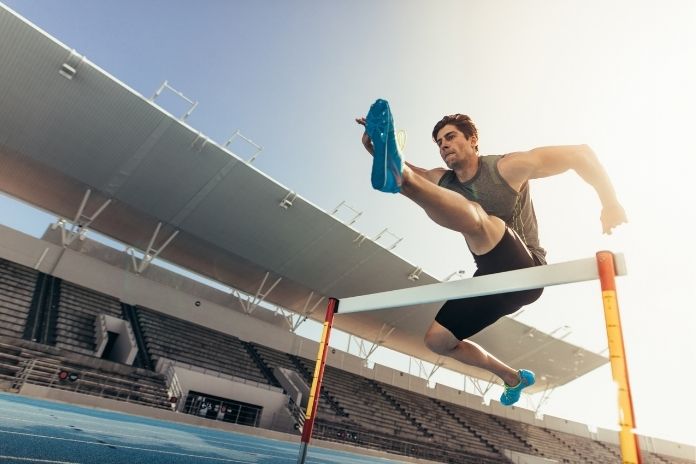
While many TikTok fitness challenges can be fun and effective, safety should always come first. Without proper precautions, even the most popular routines can lead to injury or burnout. Here are some key tips to keep in mind:
1. Start Slow
Jumping straight into a 30-minute treadmill incline walk or a 5-minute plank hold can do more harm than good. If you’re new to exercise, build up gradually, begin with shorter sessions, lower inclines, or fewer reps, and increase as your fitness improves.
2. Prioritize Form Over Time
In workouts like planks or wall sits, poor posture can put unnecessary strain on the lower back, knees, or shoulders. Always focus on maintaining correct form, even if it means holding the position for a shorter duration. Quality beats quantity.
3. Listen to Your Body
Mild discomfort is part of training, but sharp pain, dizziness, or unusual fatigue are red flags. Stop immediately if you experience these symptoms and give your body time to recover before trying again.
4. Adapt to Your Fitness Level
Not every challenge is one-size-fits-all. Adjust the intensity to suit your current ability, for example, reduce treadmill incline, shorten plank times, or break jump rope sessions into intervals. Consistency and progression matter more than matching what you see online.
5. Follow Expert Guidelines
The American College of Sports Medicine (ACSM) recommends using the FITT principle (Frequency, Intensity, Time, and Type) when designing or starting a new exercise program, ensuring that workouts are tailored, progressive, safe, and still leave room for variety.
Read More: The Dark Side of Fitness Challenges: Are They Hurting Your Body?
When TikTok Workouts May Not Be Enough
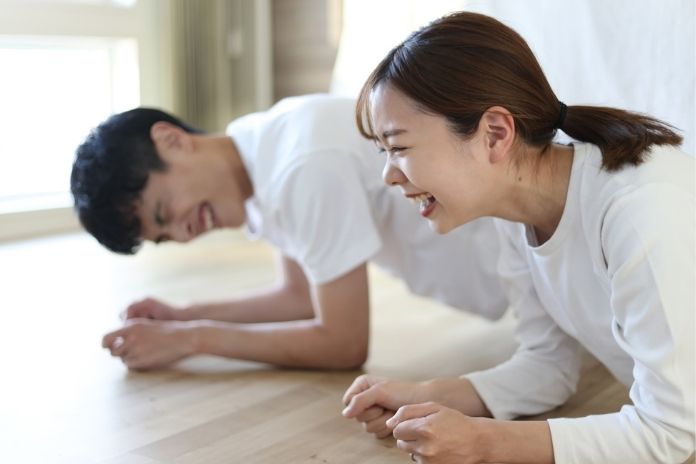
Viral fitness routines can be great entry points, but they often fall short when it comes to long-term results. Exercise science emphasises the importance of progressive overload, which involves increasing intensity, resistance, or volume to continue improving. Static challenges, while motivating, rarely provide this progression.
Where They Fall Short
- 12-3-30 Challenge: Builds endurance and burns calories, but won’t significantly increase muscle strength without added resistance.
- Plank Challenges: Strengthen the core and improve stability, but don’t develop maximal strength or dynamic power.
- Wall Sits: Boost muscular endurance, but won’t translate into overall lower-body strength without variation and load.
The Solution: Pair With Structured Training
To move beyond the limits of TikTok routines, combine them with a well-rounded fitness plan. That means adding:
- Resistance training for muscle growth and bone strength.
- Mobility work to maintain flexibility and prevent injury.
- Adequate recovery for muscle repair and long-term progress.
Dr. Michael Joyner of the Mayo Clinic stresses the importance of realistic and sustainable exercise routines. He cautions against setting goals that are too extreme, noting that showing up consistently, even at low intensity, is beneficial for long-term health.
Conclusion
TikTok has redefined how people approach fitness, making workouts more accessible, social, and engaging than ever before. Viral challenges like 12-3-30, planks, wall sits, jump rope routines, and stair climbs prove that you don’t need a gym membership or fancy equipment to get moving. They resonate because they emphasize functional movement, time under tension, and a balance of cardio and strength, all cornerstones of effective training.
Still, it’s important to remember that these challenges are gateways, not destinations. They can spark motivation, build consistency, and create a sense of belonging, but they rarely provide the progression needed for long-term results. That’s where structured programs come in, combining resistance training, mobility, and recovery to create a sustainable fitness journey.
The real power of TikTok workouts lies in their ability to break down barriers. They remove excuses, invite people into a global community, and remind us that exercise can be fun, creative, and adaptable. The challenge is not to stop there. Use them as a springboard to explore deeper training methods, set meaningful goals, and build habits that last beyond the latest viral trend.
At the end of the day, fitness isn’t about keeping up with hashtags; it’s about building a healthier, stronger version of yourself. Trends will come and go, but the lifestyle you create is what stays with you.
References
- https://www.bbc.com/news/articles/c5ydj07r0gro
- https://www.nytimes.com/2024/03/12/well/move/fitness-challenge-workout-diet-tiktok.html
- https://www.cnet.com/health/fitness/everything-we-know-about-75-hard-and-75-soft-tiktok-fitness-challenge/
- https://www.stylist.co.uk/fitness-health/workouts/tiktok-fitness-trends-workouts/759402
- https://www.universalstudentliving.com/blog/5-tiktok-fitness-trends-to-help-you-get-moving
- https://www.sciencedirect.com/science/article/pii/S1740144524000913
- https://www.independent.co.uk/life-style/health-and-families/tiktok-fitness-b2675249.html
- https://www.gq-magazine.co.uk/lifestyle/article/tik-tok-fitness
- https://www.vitastudent.com/en/blog/wellbeing/tiktok-fitness-trends-how-to-separate-truth-from-myth/
- https://membersolutions.com/tiktok-fitness-trends-gym-owners-guide/
- https://kriya.fit/blogs/lifestyle-wellness/fitness-challenges-on-social-media-joining-the-trend-for-motivation
- https://www.buzzfeed.com/farrahpenn/i-tried-the-most-viral-tiktok-workouts-for-30-days
In this Article