














In today’s wellness-driven culture, it’s easy to feel like you’re falling short. One scroll through social media and you’re hit with an endless stream of green juice cleanses, 10,000-step challenges, meditation streaks, and reminders to book your next health check-up. The message is clear: if you’re not constantly optimizing your body, you’re doing something wrong.
Taking care of yourself is, of course, a smart investment. Eating nourishing food, moving regularly, prioritizing rest, and staying on top of preventive care can add quality years to your life. But here’s the catch: when the pursuit of health turns into pressure, it can stop being protective and start being harmful. For some, wellness routines become less about support and more about control, leading to stress, guilt, or even obsession.
That’s where the fine line shows up. On one side, we have health-conscious living, choices that build resilience and peace of mind. On the other hand, there’s health anxiety, constant worry about illness, compulsive body-checking, or spiraling into worst-case scenarios over the smallest symptom. The two can look similar on the surface, but they feel very different from the inside. And knowing the difference can mean the shift from calm self-care to daily distress.
This article unpacks where that line lies, why it matters, and how to strike a healthier balance between caring for your body and protecting your mind.
What is Health Anxiety?

Health anxiety, also known as illness anxiety disorder and previously called hypochondria, is a recognized mental health condition. It’s not about exaggerating or “faking” illness; it’s about living with an overwhelming fear that something is seriously wrong with your health, even when medical reassurance says otherwise.
At its core, health anxiety is driven by the misinterpretation of normal body sensations. A skipped heartbeat, a tension headache, or a harmless rash gets magnified into a possible sign of cancer, heart disease, or another life-threatening condition. This creates a cycle of worry, reassurance-seeking, and more worry, one that feels nearly impossible to escape.
Common behaviors include:
- Excessive symptom checking: Constantly scanning the body for lumps, bumps, or unusual sensations.
- Frequent doctor visits: Seeking repeated reassurance, but feeling relief only for a short time.
- Compulsive online searching: Turning to Google for answers, only to spiral deeper into catastrophic “what ifs.”
- Catastrophic thinking after minor changes: Interpreting a cough as lung cancer or a mole as melanoma.
According to Dr. Jonathan S. Abramowitz, PhD, clinical psychologist at the University of North Carolina and a leading researcher on anxiety disorders: “Health anxiety goes far beyond the normal ups and downs of worrying about our well-being. People who struggle with it often misinterpret ordinary bodily sensations, like fatigue, headaches, or stomach upset, as signs of a serious disease. This persistent fear doesn’t just come and go; it can dominate their thinking, drive repeated checking or reassurance-seeking, and interfere significantly with daily life and relationships.”
The toll isn’t just emotional. A 2024 study published in BMC Psychiatry found that health anxiety significantly lowered overall quality of life, particularly among students, in part due to depression and sleep problems. Ironically, the anxiety itself can produce physical symptoms, racing heart, chest tightness, and stomach distress, that mimic illness, reinforcing the belief that something must be wrong.
In other words, health anxiety becomes a loop: the more you worry, the more symptoms you feel, the more you worry.
What Does Healthy Living Really Mean?
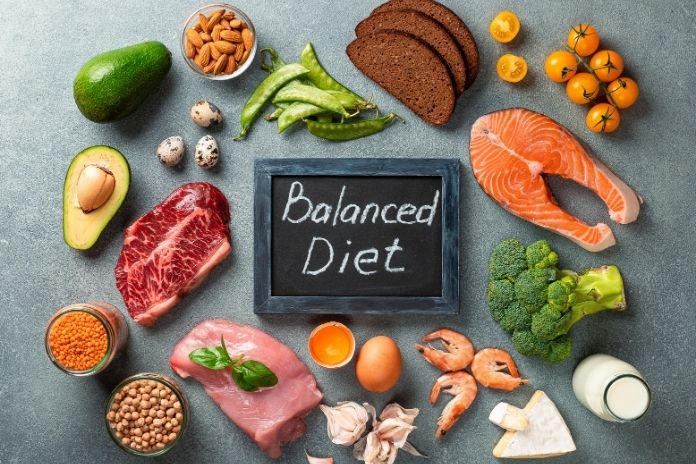
Healthy living is often misunderstood. It’s not about chasing perfection, counting every calorie, or obsessing over the latest biohacks. At its core, healthy living is about balance, a way of caring for your body and mind that enhances life rather than consumes it. It’s the difference between living for health and living with health.
Where health anxiety is rooted in fear and control, healthy living is rooted in self-respect and flexibility. It’s about building routines that support your well-being without stealing your peace of mind.
The Core Pillars of Healthy Living:
- Balanced nutrition: Eating a variety of whole foods, fruits, vegetables, proteins, healthy fats, without rigid rules or punishment for “slip-ups.” Food becomes fuel and enjoyment, not a source of guilt.
- Regular movement: Staying active in ways that feel good for your body, whether that’s walking the dog, dancing, yoga, or lifting weights. Consistency matters more than intensity.
- Adequate sleep: Treating rest as a necessity, not a luxury. Good sleep supports everything: hormonal balance, mental clarity, immunity, and emotional resilience.
- Stress management: Actively making space for calm, through mindfulness, journaling, creative hobbies, or simply connecting with people who recharge you.
- Positive relationships: Recognizing that health isn’t only physical. Strong social connections protect against depression, anxiety, and even chronic illness.
- Avoidance of risky substances: Keeping alcohol, tobacco, or other harmful habits in check, or cutting them out entirely.
“I routinely summarize lifestyle as medicine as a six‑cylinder engine. The six cylinders are feet, forks, fingers, sleep, stress, and love.” – Dr. David Katz, MD, MPH, Founding Director of the Yale‑Griffin Prevention Research Center, explaining how physical activity (feet), diet (forks), avoidance of harmful substances (fingers), restorative sleep, stress management, and social connection (love) must all run in sync for vitality.
But perhaps the most important distinction is this: healthy living isn’t driven by the fear of illness, it’s inspired by the joy of health. It’s about energy, resilience, and fulfillment. The goal isn’t to obsess over every heartbeat or symptom; it’s to create a life where your body supports what matters most to you.
Read More: 14 Ways To Maintain A Healthy Lifestyle For A Rejuvenated Mind And Body
Signs You Might Be Crossing the Line
The difference between caring for your health and worrying about it nonstop isn’t always obvious. You might start with habits meant to protect you, like eating better or tracking your steps, but if those behaviors begin to spark fear instead of confidence, the balance may be tipping. The same probiotic taken for gut support can feel very different if it’s paired with panic every time you feel a little bloated.
Here are some red flags that health awareness is drifting into health anxiety:
- Compulsive Googling: Searching “causes of chest tightness” or “is bloating cancer” late into the night. Instead of clarity, you end up more overwhelmed, convinced the most catastrophic answer must be the true one.
- Constant reassurance seeking: Visiting multiple doctors for the same symptom, or asking friends and family over and over if you “look sick.” Relief comes, but only briefly, before the fear returns.
- Avoidance behaviors: Steering clear of gyms, public transport, or even social gatherings because you’re terrified of germs, viruses, or potential injury. What starts as “caution” gradually shrinks your world.
- Obsession with metrics: Relying on numbers to define your health, calories, heart rate, and sleep cycles, until every small fluctuation feels like a crisis. Instead of guiding you, the data starts controlling you.
- Emotional spirals: Feeling anxious, hopeless, or even panicked after hearing about someone else’s illness or reading a health article online. Other people’s stories become triggers for your own fears.
Dr. Steven Taylor, author of The Psychology of Pandemics and a clinical psychologist at UBC, describes a dangerous feedback loop where relentless health monitoring crosses the line from helpful vigilance into anxiety: When monitoring health crosses from being helpful into excessive control, it can trigger a self‑perpetuating cycle of anxiety, the more you try to control every perceived risk, the more powerless and overwhelmed you may feel.
In short, if health practices that were meant to empower you are now leaving you tense, fearful, or restricted, it’s worth stepping back. True wellness should add freedom to your life, not take it away.
Read More: Emotional Numbness – Why You Feel Nothing and How to Regain Joy
The Hidden Dangers of Health Anxiety
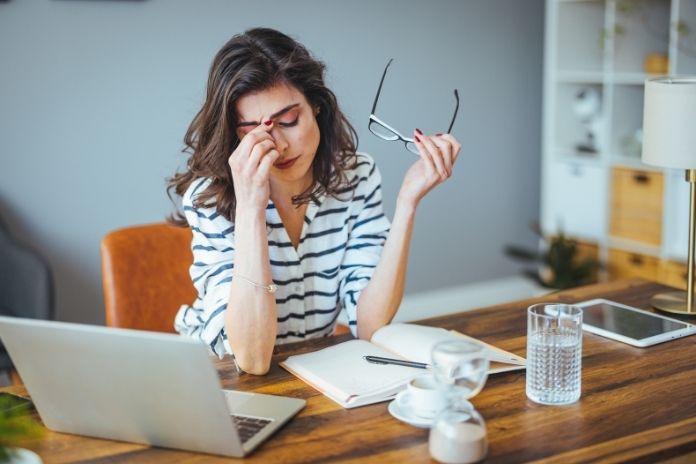
On the surface, health anxiety might look like the “safer” problem. After all, isn’t it better to worry too much than too little? But research shows that excessive preoccupation with health doesn’t just steal peace of mind, it creates new risks for both body and life.
- Physical stress response: The body treats chronic worry like a constant emergency. Anxiety activates the fight-or-flight system, flooding the bloodstream with cortisol and adrenaline. In the short term, this means a racing heart, muscle tension, or digestive discomfort.
Psychological stress impairs wound healing by disrupting crucial phases such as inflammation, cell proliferation, and tissue repair, ultimately slowing recovery.
- Strained relationships: Health anxiety rarely stays contained within one person. Friends and family may grow weary of endless reassurance-seeking, while loved ones’ attempts to soothe often backfire, providing only fleeting comfort before the cycle restarts.
Repeated doctor visits can also create friction in the patient-doctor relationship, leading to frustration on both sides, patients feeling unheard, and doctors feeling pressured. What begins as personal worry can slowly erode trust and connection.
- Paradoxical symptoms: One of the cruelest aspects of health anxiety is how it produces real symptoms that mimic illness. Palpitations, chest tightness, dizziness, and nausea, these sensations are genuine, caused by heightened anxiety.
But instead of offering reassurance, they reinforce the fear that something must be seriously wrong. The cycle strengthens: worry fuels symptoms, and symptoms fuel more worry.
- Life disruption: A 2023 systematic review in BMC Public Health reveals that individuals with hypochondriasis (health anxiety) experience significant economic burdens, ranging from approximately US$857 to over US$21,000 per person per year. These costs include both direct healthcare expenses and indirect costs like missed workdays, productivity loss, and increased disability-related expenses.
The constant preoccupation with illness leaves less energy for career, hobbies, and meaningful experiences, robbing life of joy in the name of preserving it.
In other words, health anxiety isn’t “healthy caution.” It’s a trap. And the longer it goes unchecked, the more it reshapes how you feel, how you relate, and how you live.
Finding the Balance Between Awareness and Obsession
The challenge isn’t whether to care about your health, it’s how much and in what way. Paying attention to your body is wise; letting that attention spiral into constant fear is where things go wrong. The sweet spot lies in evidence-based moderation: habits that protect your well-being without letting worry hijack your life.
Practical Guidelines for Healthy Awareness:
- Anchor in evidence: Stick to what’s proven, like 150 minutes of moderate exercise per week, 5 servings of fruits and vegetables a day, and adequate sleep. These basics carry far more weight than chasing every new supplement trend or miracle diet.
- Set boundaries with research: If Googling symptoms leaves you more anxious than informed, create limits. A time cap, a trusted source list, or, better yet, avoiding online self-diagnosis altogether can protect your peace of mind.
- Trust professional checkups: Preventive screenings and annual doctor visits offer far more reliable guidance than self-monitoring every sensation. When you’ve had a clean bill of health, remind yourself that professional input carries more weight than anxious thoughts.
- Focus on joy, not fear: Let healthful habits be fueled by enjoyment, not dread. Dance because it’s fun, not just because it burns calories. Cook colorful meals because they taste good, not because you fear nutrient gaps. When wellness is rooted in joy, it’s easier to sustain.
- Practice mindful attention: Notice your body with curiosity rather than suspicion. As Dr. Judson Brewer, psychiatrist at Brown University, writes in Unwinding Anxiety: “Mindful attention, being curious rather than fearful, can transform health behaviors from a compulsion into a choice rooted in self-care.”
In other words, balance comes from shifting the driver’s seat: health decisions should be guided by knowledge and care, not by fear and compulsion.
Coping Strategies for Health Anxiety

If you recognize yourself in the patterns above, you’re not alone. Health anxiety is far more common than people realize, and importantly, it’s treatable. The goal isn’t to silence every worry, but to loosen the grip fear has on your daily life. Here are some proven strategies that can help:
- Cognitive Behavioral Therapy (CBT): CBT remains the gold standard for treating health anxiety. Instead of trying to “stop worrying,” CBT teaches you how to challenge catastrophic thoughts and replace them with more balanced, realistic ones.
For example, a headache doesn’t automatically equal a brain tumor; CBT helps you slow down, test the thought against evidence, and reframe it. A 2016 meta-analysis in BMJ confirmed that CBT not only reduces symptoms but also improves day-to-day functioning.
- Relaxation practices: Anxiety keeps the nervous system stuck in overdrive. Mind-body practices like meditation, deep breathing, yoga, or journaling act as a reset button, calming the body’s fight-or-flight response.
Even five minutes of slow breathing before bed or jotting down racing thoughts in a notebook can lower physiological arousal and give perspective. Small, consistent practices matter more than occasional big efforts.
- Limit health-related content: Your digital diet shapes your mental state as much as your food diet shapes your body. If endless scrolling through wellness influencers, symptom forums, or alarming headlines makes your anxiety spike, it’s time to curate. Unfollow accounts, mute notifications, or schedule specific times to consume health-related content. Reducing triggers gives your mind space to breathe.
- Community support: Health anxiety can feel isolating, like you’re trapped in a loop no one else understands. Support groups, whether online or in person, break that isolation. Sharing your experience with people who “get it” can be profoundly relieving. Sometimes the simple act of hearing “me too” softens the intensity of the fear.
- Lifestyle anchors: Consistency is a powerful antidote to anxiety. Regular exercise, balanced meals, and good sleep hygiene act like anchors, reminding your body and mind that you’re safe and supported. These routines don’t erase health anxiety, but they create a stable foundation that makes it easier to manage spirals when they happen.
Read More: Stress Management Tools: 7 Relaxation Aids for Calming the Mind and Body
When to Seek Professional Help
Self-awareness is powerful, but professional guidance may be necessary if health anxiety significantly disrupts life.
Consider reaching out to a mental health professional if:
- Health anxiety dominates your thoughts and daily routines.
- You avoid activities, work, or social situations due to fear of illness.
- Reassurance from doctors or loved ones doesn’t ease your worry.
- Compulsive behaviors, like checking your pulse or researching symptoms, feel uncontrollable.
Therapy, medication, or a combination of both can make a meaningful difference. As Dr. Rebecca Gladding, psychiatrist and co-author of You Are Not Your Brain, emphasizes: “Seeking help isn’t about dismissing your fears, it’s about retraining the brain so fear doesn’t dictate your life.”
A Quick Self-Check: Healthy Living or Health Anxiety?

Sometimes it’s hard to know if you’re being proactive about health or slipping into anxiety. A simple way to check is to pause and ask yourself a few key questions:
- Do my health habits give me energy, or drain it? If exercise, food choices, or tracking apps make you feel stronger and more confident, that’s healthy living. If they leave you tense, guilty, or exhausted, anxiety may be creeping in.
- Am I motivated by joy, or by fear? Cooking a colorful meal because you enjoy it is different from avoiding certain foods because you’re terrified they’ll make you sick. Fear-driven choices often feel rigid; joy-driven ones feel flexible.
- Do I trust professionals, or only my own checking? Healthy living relies on preventive checkups and medical advice. Health anxiety, by contrast, leans on constant self-monitoring and endless Googling, often overriding professional reassurance.
- Do I live more fully, or more narrowly? True health habits expand your life; they give you stamina for relationships, work, and hobbies. Anxiety-driven ones shrink it, making you avoid situations or obsess over “what ifs.”
If most of your answers lean toward fear, control, or restriction, it may be time to step back, reframe your habits, and seek support if needed.
Conclusion
At first glance, healthy living and health anxiety can look almost identical. Both involve attention to diet, movement, rest, and preventive care. But dig deeper, and the difference is profound. The line isn’t in the behaviors themselves; it’s in the why behind them.
Healthy living grows out of balance, resilience, and a genuine joy in caring for your body. It gives you energy to live more fully, flexibility to adapt, and peace of mind that your choices are supporting, not controlling, you.
Health anxiety, on the other hand, is fueled by fear. It turns self-care into self-surveillance, and wellness into worry. What begins as an effort to stay safe often ends up undermining both physical and mental health, robbing you of the very vitality you’re trying to protect.
The key takeaway is simple but vital: awareness empowers, anxiety controls. When your health habits are guided by evidence, anchored in moderation, and infused with mindfulness, they can strengthen both body and mind. When they’re driven by fear, they shrink your life instead of expanding it.
So the real measure of health isn’t just how many steps you take or how clean your diet is, it’s whether your habits give you freedom, confidence, and calm.
References
- https://www.sane.org/information-and-resources/facts-and-guides/healthy-living
- https://www.medicinenet.com/healthy_living/article.htm
- https://www.ucsfhealth.org/education/healthy-lifestyles-healthy-outlook
- https://iris.who.int/bitstream/handle/10665/108180/EUR_ICP_LVNG_01_07_02.pdf
- https://www.health.harvard.edu/blog/healthy-lifestyle-5-keys-to-a-longer-life-2018070514186
- https://venusremedies.com/blog/living-healthy
- https://www.prime-health.co.uk/blog/importance-of-living-a-healthy-lifestyle/
- https://www.nhsinform.scot/healthy-living/food-and-nutrition/eating-well/health-benefits-of-eating-well/
- https://www.self-love-therapyllc.com/post/practical-tips-for-finding-balance-with-ocd
- https://pmc.ncbi.nlm.nih.gov/articles/PMC3533260/
- https://www.linkedin.com/pulse/find-right-balance-between-exercise-obsession-hayley-campbell-iue1c
- https://www.federicoferrarese.co.uk/2025/01/04/understanding-somatic-ocd/
In this Article