














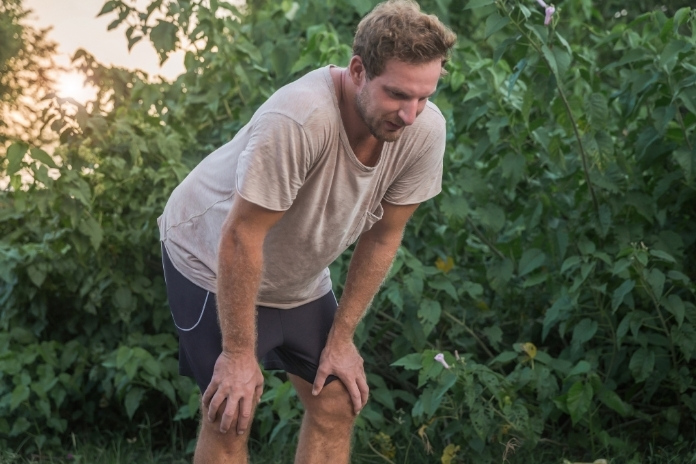
We’ve all been there: You’re feeling confident after your morning run or yoga class, yet climbing just a flight or two of stairs leaves you gasping. It makes you wonder: “Am I really this out of shape?” Rest assured, you’re far from alone, and being briefly breathless in such moments isn’t automatically a red flag.
Shortness of breath after climbing stairs, technically called exertional dyspnea, is surprisingly common, even among those of us who exercise. It doesn’t always mean there’s something wrong.
Here’s why it’s worth breaking it down:
- You’ll understand how stair climbing uniquely stresses your body; it’s not just walking up.
- You’ll see completely harmless reasons behind the breathlessness you feel.
- You’ll also learn when it could hint at something more serious, and what signs warrant a doctor’s attention.
- Finally, you’ll walk away with practical strategies to improve your stair-climbing endurance for good.
Let’s decode what’s happening, so your next stairs feel more like a challenge than a shock.
How Climbing Stairs Challenges Your Body
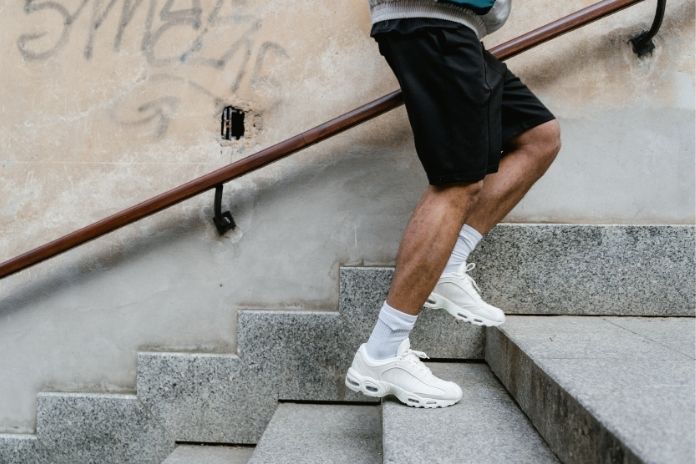
Climbing stairs might look simple, but physiologically, it’s one of the most demanding forms of everyday movement. Compared to walking on flat ground, stair climbing is steeper, more forceful, and more energy-intensive, which is why your breathing rate can spike within seconds.
It’s a Full-Body Cardio + Strength Workout
When you ascend stairs, you’re not just moving forward; you’re moving upward against gravity. This requires:
- Quadriceps (front thighs) and gluteus maximus (buttocks) to extend your hips and knees.
- Hamstrings and calves to stabilize and push you upward.
- Core muscles to maintain balance and upright posture.
- Upper body muscles (if using handrails) for support and momentum.
The coordinated demand on large muscle groups forces your heart and lungs to work harder to deliver oxygen-rich blood to those muscles.
Read More: 5 Incredible Benefits of Cardio-Based Exercise
Increased Oxygen Demand
A 2019 study published in Applied Physiology, Nutrition and Metabolism investigated the effects of brief, vigorous stair-climbing “exercise snacks” on peak oxygen uptake (VO₂max). It found that sedentary young adults who performed three daily bouts of climbing a three-flight stairwell, spread throughout the day, significantly improved their VO₂max after six weeks compared to a non-training control group.
That sudden need often outpaces your cardiovascular system’s ability to match it instantly, which is why you may feel winded for the first 30–60 seconds.
Higher Heart Rate and Blood Pressure
Stair climbing is classified as a high-intensity interval activity, short bursts of effort that elevate heart rate rapidly. In a 2023 randomized trial of overweight young women, three 20-second bouts of stair climbing at ≥80% of age-predicted HRmax per session (with rest intervals) led to notable improvements in VO₂peak and body composition over just 4 weeks.
The heart must pump more forcefully to:
- Push blood upward against gravity.
- Overcome the resistance of contracting large leg muscles.
- Meet the sudden oxygen demands.
Why It Feels Harder Than Other Cardio
On a treadmill or during a run, you usually have a gradual start, allowing your body to warm up. With stairs, you go from a low-effort state (standing) to high-effort propulsion in seconds, skipping the “ramp-up” period.
Normal Reasons You Might Feel Breathless
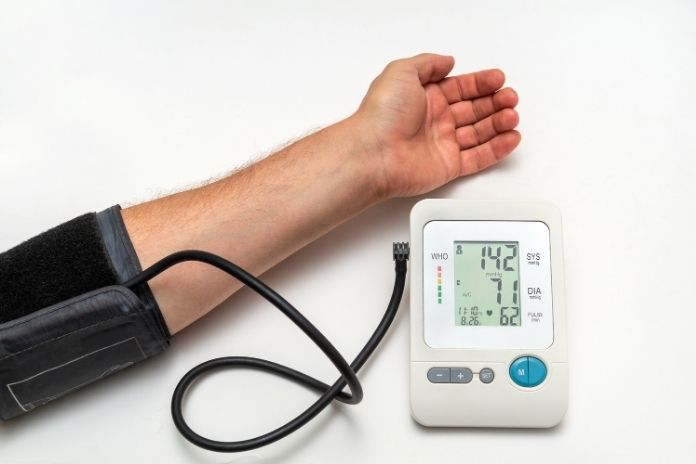
Feeling winded after climbing stairs doesn’t automatically mean you’re out of shape or facing a health problem. In fact, there are several perfectly normal reasons this happens, even for people who work out regularly and have good endurance in other areas.
1. Sudden Burst of Effort
The moment you start climbing, your body taps into its anaerobic energy systems, the quick-access fuel that doesn’t rely on oxygen, before your cardiovascular system has time to fully engage. This temporary oxygen deficit makes your breathing pick up rapidly.
Think of it like a car engine revving high before the gears shift. Even elite athletes experience this when going from a resting state to a near-sprint, because the body always needs a few moments to “catch up” with the sudden demand.
2. High Heart Rate and VO₂ Demand
Stair climbing is deceptively intense. Your muscles require significantly more oxygen per second compared to most daily activities. If you bound up quickly, your oxygen demand can spike to nearly double that of brisk walking, according to the American College of Sports Medicine.
This forces your heart to beat faster and your lungs to work harder, creating that out-of-breath feeling. It’s not a sign of poor health, just a reflection of how much harder your body has to work in those moments.
3. Deconditioning in Specific Movements
Fitness isn’t a one-size-fits-all skill; it’s highly specific to the activities you train for. You could be an incredible swimmer or cyclist, yet still feel winded on the stairs if you rarely train with vertical, bodyweight-based movement.
Stairs challenge your quads, glutes, and calves in ways that most horizontal endurance activities don’t.
4. The Compounding Effect
Unlike walking on flat ground, stairs combine strength and cardiovascular effort into one continuous motion. Every step is a mini squat, and as you repeat that motion rapidly, the strain compounds.
That means your breathing may stay elevated even after you stop climbing, not because you’re out of shape, but because your body is still repaying that oxygen debt from the anaerobic burst at the start.
Lifestyle and Environmental Factors
Not every episode of breathlessness is rooted in poor fitness or a health condition. Sometimes, your surroundings, timing, or simple daily habits make breathing harder than it needs to be. These situations don’t necessarily indicate a problem; they just challenge your body in ways you might not notice until you’re short of breath.
- Carrying extra weight – Whether it’s body fat or a heavy grocery bag, an extra load means more effort for your muscles and lungs. Every step demands more oxygen, and your breathing naturally speeds up to keep pace.
- Right after a meal – Your body sends a big share of blood to your digestive system. That means less oxygen-rich blood is available for your muscles, so even a small climb can leave you puffing.
- Poor ventilation or high altitude – In places with low oxygen levels, like stuffy rooms, polluted air, or mountain regions, your lungs have to work harder to draw in the oxygen your body needs.
- Rushed pace – Climbing stairs slowly is one thing; charging up them to catch a train is another. Moving too fast spikes your heart rate before your body can adjust, making you breathe harder almost instantly.
When It Could Signal an Underlying Health Issue
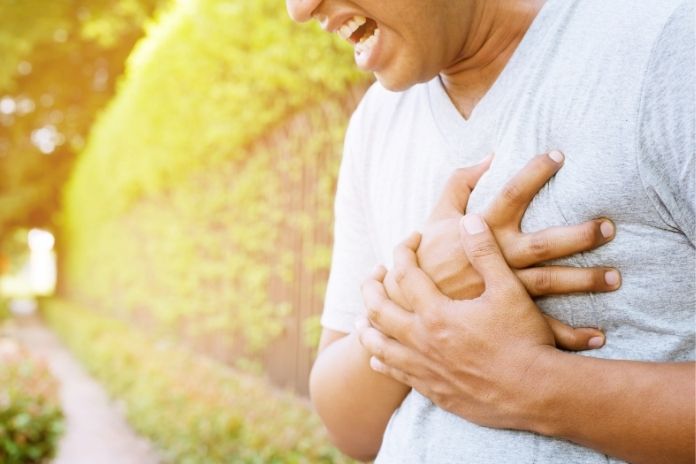
Most shortness of breath on stairs comes from normal exertion, but when it’s frequent, disproportionate, or worsening, your body might be waving a red flag. Persistent breathlessness can be tied to heart, lung, blood, or even lifestyle-related issues. Here’s what to watch for.
1. Cardiovascular Causes
If the heart can’t pump efficiently or rhythmically, oxygen delivery to muscles drops, making even light exertion feel harder.
- Coronary artery disease: Reduced blood flow to the heart muscle.
- Arrhythmias: Irregular heartbeats that affect cardiac output.
- Heart failure: Weak pumping action causing fluid buildup.
Clues to note: Chest pain or pressure, palpitations, ankle or leg swelling, breathlessness that feels excessive for the effort.
2. Respiratory Causes
When the lungs can’t move air effectively, oxygen intake and carbon dioxide removal suffer, leaving you winded quickly.
- Asthma or exercise-induced bronchoconstriction: Airways narrow during or after activity.
- COPD: Chronic lung damage, often from smoking or pollution.
- Post-COVID or pneumonia effects: Lingering reduction in lung capacity.
Clues to note: Wheezing, chronic cough, or recovery that feels unusually slow after exertion.
3. Anemia
Low hemoglobin means your blood can’t carry enough oxygen, forcing your heart and lungs to work harder. The result? Early muscle fatigue and breathlessness, even at mild effort levels.
4. Deconditioning from a Sedentary Lifestyle
You can hit the gym but still be “functionally unfit” if most of your day is spent sitting. Long periods of inactivity reduce cardiovascular endurance in everyday movements. Jennifer Cohen, performance coach and author of No Gym Required, promotes integrating movement into daily life outside the gym, emphasizing that real-life fitness isn’t confined to workout sessions.
Other Factors That Can Exaggerate Breathlessness
Not all shortness of breath comes from physical strain alone. Sometimes, the way we breathe or the mental state we’re in can amplify the feeling. These factors don’t necessarily mean your lungs or heart are in trouble, but they can make climbing stairs feel like a bigger challenge than it should be.
- Stress and anxiety: Mental tension triggers your body’s fight-or-flight response, increasing adrenaline levels. This causes faster, shallower breaths even when your oxygen needs aren’t that high. As a result, you feel winded sooner than expected. Chronic anxiety can make this a recurring issue.
- Poor breathing technique: Many people breathe mainly from the chest, which limits air intake and reduces oxygen exchange efficiency. Diaphragmatic breathing, where you expand your belly with each inhale, allows deeper breaths, more oxygen per cycle, and better endurance.
- No warm-up: Jumping straight from sitting to high-intensity movement shocks your cardiovascular system. Without a gradual ramp-up, your heart rate and breathing spike faster than your body can adapt, making those first few minutes of activity feel harder than they actually are.
When to Seek Medical Advice
Mild breathlessness after a steep climb or intense workout is usually nothing to worry about. But when shortness of breath shows up unexpectedly, feels severe, or comes with other warning signs, it’s your body asking for help. Ignoring these signals can delay diagnosis of serious conditions like heart disease, lung disorders, or anemia.
You should seek medical evaluation promptly if:
- Breathlessness occurs with chest pain, dizziness, or fainting – These can indicate a heart attack, severe arrhythmia, or other cardiovascular emergencies.
- You have swelling in the legs/ankles or unexplained weight gain – This could be fluid buildup from heart failure or kidney disease.
- Symptoms are worsening over time – Progressive breathlessness, even without obvious triggers, warrants investigation.
- You get breathless after minimal exertion or at rest – This is not normal and may point to serious lung or heart issues, severe anemia, or other systemic conditions.
- Breathing suddenly becomes difficult – Especially if accompanied by wheezing, choking sensation, or bluish lips/skin, which requires emergency attention.
The bottom line: if your breathlessness feels “different” from your usual, is out of proportion to your activity, or is accompanied by other worrying symptoms, get it checked without delay. Early action can make all the difference.
Tips to Improve Stair Climbing Endurance
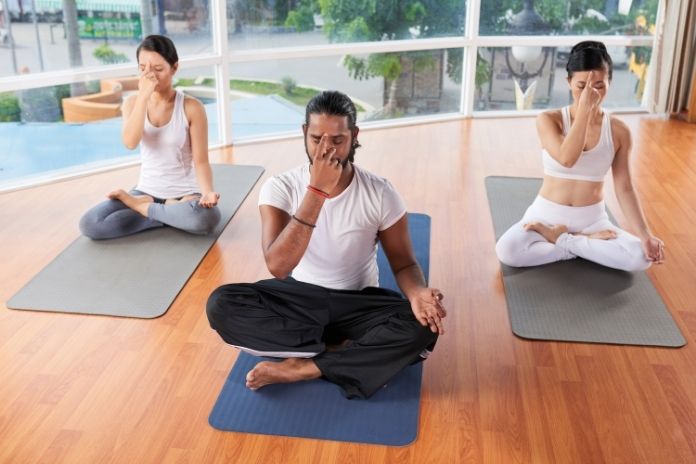
Climbing stairs without gasping for breath isn’t just about leg strength; it’s about combining muscular endurance, cardiovascular fitness, and efficient breathing. Here’s how to build all three so you can take on flights of stairs with ease.
1. Add Stairs or Hills to Your Training
The most direct way to improve at climbing stairs… is to climb more stairs. Short, intense bursts work best. Sprint or power-walk up for 20–60 seconds, then walk down to recover. Gradually increase the number of repetitions over time to strengthen your legs and improve both your cardiovascular and muscular endurance.
2. Breathing Technique
Many people tire quickly because their breathing is shallow or irregular. To maintain oxygen flow, inhale through your nose and exhale through your mouth during exertion. Practice diaphragmatic breathing (belly breathing) even when you’re not on the stairs, so it becomes second nature during climbs.
3. Maintain Cardiovascular Conditioning
If you’re winded halfway up a flight, your overall cardio fitness might be the limiting factor. Aim for at least 150 minutes per week of moderate-intensity exercise (like brisk walking or cycling) or 75 minutes of vigorous activity (like running or HIIT), as per WHO guidelines.
4. Address Deficiencies
Low energy or quick fatigue may be linked to nutritional gaps. Iron, vitamin B12, and vitamin D play a big role in oxygen transport and muscle performance. Get tested and address deficiencies through diet or supplements under medical guidance.
5. Maintain a Healthy Weight
Every extra pound adds more load to your muscles and heart when climbing. Gradually moving toward a healthy weight can significantly reduce strain and make stair climbing far easier.
How to Tell the Difference Between Normal and Worrying Breathlessness
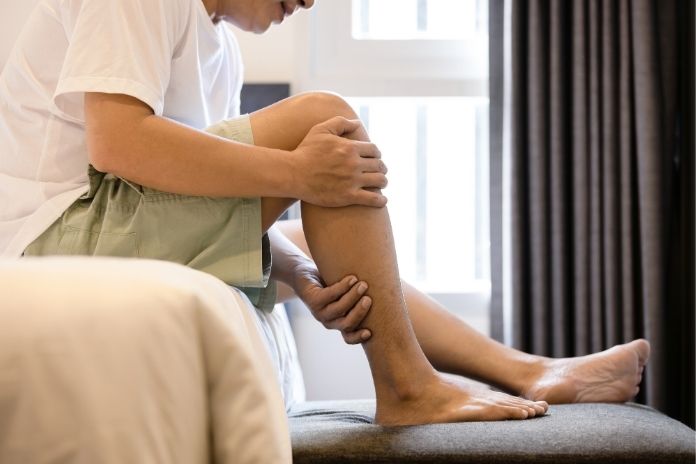
Here’s the thing: not all breathlessness is the same. The kind that fades after a short rest is a world apart from the kind that sticks around, keeps getting worse, or comes with other symptoms. Knowing the difference means you won’t ignore something serious, and you won’t panic over what’s normal.
1. Recovery time matters
Normal: You’re back to easy breathing within 30–90 seconds after stopping.
Concerning: You’re still puffing minutes later, or you need to sit or lie down just to slow your breathing.
2. Breathing pattern
Normal: Breathing is quick but steady, then gradually eases.
Concerning: Breathing feels uneven, strained, or comes with wheezing, tightness, or a choking feeling.
3. Muscle fatigue vs. whole-body fatigue
Normal: Your legs feel heavy or burn briefly; that’s just muscle work.
Concerning: You feel weak all over, lightheaded, or drained in a way that’s way out of proportion to the effort.
4. The “talk check”
Normal: After 30 seconds of rest, you can get a short sentence out without gasping.
Concerning: Even a few words leave you struggling for air.
5. Symptom clusters
If breathlessness shows up with chest pain, ankle swelling, bluish lips, or fainting, skip the guesswork. That’s a straight-to-the-doctor situation.
6. Compare to your baseline
If stairs that were easy last month now leave you wiped out, something’s shifted in your health or fitness. That’s worth figuring out.
7. Context matters
Situational: You’re at a high altitude, hauling a heavy bag, or shaking off a cold; breathlessness here is usually temporary.
Red flag: You’re indoors, at rest, and doing nothing strenuous; that’s never normal.
The takeaway: Get to know your “breathlessness fingerprint.” Normal post-stair recovery is quick, predictable, and symptom-free. If it’s prolonged, feels different from your usual, or comes with other warning signs, don’t wait; get it checked. Treat these changes like your body’s version of a warning light: you might be fine, but ignoring it can turn a small issue into a serious one.
Bottom Line
Climbing a flight of stairs can feel like a mini sprint. Even if you’re otherwise healthy, that sudden burst of demand forces your heart, lungs, and muscles to work at full tilt. For most people, breathlessness here is just physiology doing its job; your body catches up quickly, oxygen levels normalize, and you’re fine.
The real concern starts when breathlessness doesn’t fit your usual pattern. If you’ve always handled stairs without much trouble but now find yourself gasping halfway, or if the recovery takes noticeably longer, your body might be flagging an underlying issue. That’s especially true if it’s paired with chest tightness, dizziness, swelling, or unexplained fatigue. These signs don’t mean panic, but they do mean pay attention.
Here’s the thing: prevention beats reaction. Regular movement, maintaining a healthy weight, staying hydrated, and managing stress all improve how efficiently your body uses oxygen. But no matter how fit you are, listening to your limits is key. Pushing through when something feels off is not toughness; it’s negligence.
So, the takeaway is simple:
- Breathlessness after stairs is common and often harmless.
- If it’s new, unusual, or paired with other symptoms, get it checked.
- Treat your body like a partner, not a machine, and notice its signals before they become alarms.
Because sometimes, catching your breath isn’t just about oxygen. It’s about catching a problem before it catches you.
References
- https://www.bbc.com/future/article/20250529-why-climbing-the-stairs-can-be-good-for-your-body-and-brain
- https://www.everydayhealth.com/fitness/stair-climbing-workouts/guide/
- https://pmc.ncbi.nlm.nih.gov/articles/PMC10656261/
- https://www.olivaclinic.com/blog/10-benefits-of-climbing-stairs/
- https://indianexpress.com/article/lifestyle/fitness/what-happens-climbing-2-flights-of-stairs-daily-benefits-9549965/
- https://www.youtube.com/watch?v=N63rMK3S6ko
- https://pmc.ncbi.nlm.nih.gov/articles/PMC10656261/
- https://hr.duke.edu/wellness/exercise/take-stairs/benefits-taking-stairs/
- https://www.everydayhealth.com/health-impacts/cant-climb-stairs/
- https://www.self.com/story/stair-workout
- https://www.vantagefit.io/en/blog/stair-climbing-challenge-at-work/
- https://www.stadiumstomp.com/seven-things-about-stair-climbing-that-may-surprise-you/
- https://www.vinmec.com/eng/blog/can-climbing-stairs-lose-weight-en
- https://www.axisbank.com/axisactive/blog/stair-climbing-one-of-the-best-exercises.html
- https://www.teladochealth.com/library/article/take-flight-with-5-stair-exercises
In this Article