















Living with asthma in today’s world isn’t just about managing symptoms—it’s about finding an environment that doesn’t worsen them. With rising air pollution, allergens, and urban stressors, where you live can significantly impact your respiratory health.
Fortunately, some U.S. cities are taking the lead in creating healthier atmospheres for those with asthma. From clean air initiatives to proactive healthcare systems, these locations have become havens for easier breathing.
How Does Place Affect Your Asthma
Certain environmental factors tied to geographic location can significantly impact asthma control. While medication plays a key role in managing symptoms, reducing exposure to local triggers can make day-to-day life much easier for those with asthma.
From polluted cityscapes to pollen-heavy suburbs, the environment you live in often determines how frequently you experience flare-ups.
The most important location-based asthma triggers include:
- Air Pollution: Elevated levels of ozone, smog, and particulate matter in overpopulated or industrialized cities can irritate the airways and impair lung function.
- Pollen: Tree, grass, or weed pollen, particularly in spring and autumn, can cause allergic asthma in areas with high vegetation cover and inadequate pollen control.
- Humidity and Mold: Humid, warm environments foster mold and dust mites, both of which are significant indoor asthma triggers.
- Dry, Dusty Air: In the desert, minute dust particles irritate the respiratory system and increase symptoms.
- Secondhand Smoke: Urban areas lacking strong anti-smoking rules or indoor air circulation are at higher risk due to tobacco smoke.
- Uncertain Weather: Sudden changes in temperature or barometric pressure, prevalent in certain locations, also cause asthma attacks.
Based on the latest insights from National Jewish Health, here are the top five cities for people with asthma—and why they stand out.
11. Abilene, Texas: A Quiet Leader in Asthma-Friendly Living
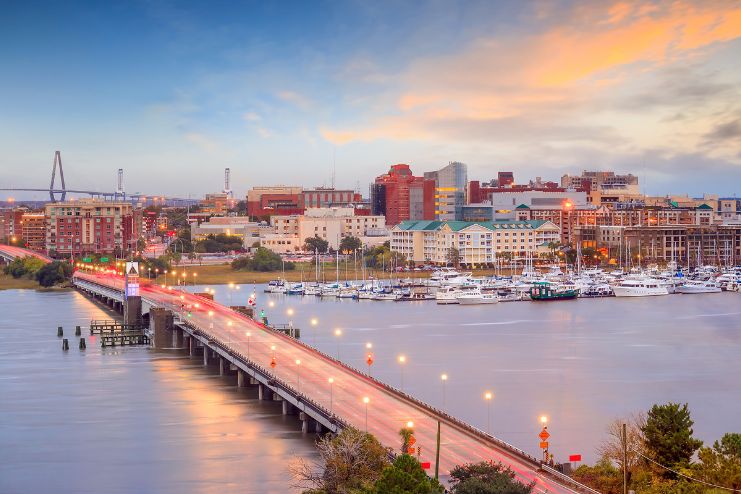
Abilene is not a city that usually makes national news, but it’s a paradise for asthma sufferers. Years ago, the city implemented a public smoking ban, an important move in keeping individuals away from secondhand smoke, one of the most prevalent asthma inducers.
What makes Abilene ideal:
- The city has a low rate of asthma. Abilene always has below-average rates of asthma, which makes it statistically healthier for residents with respiratory issues.
- Albaine has strict smoking laws. By long-prohibiting smoking in public places and workplaces, the city reduces airborne irritants.
- The place is pleasant and has a consistent climate. Although not allergen-free, Abilene’s drier climate reduces mold and dust mite growth, two other stimuli for many asthmatics.
The combination of community health policies and comparatively clean air makes Abilene a secret gem for those looking for asthma relief.
22. San Jose, California: Tech City with a Green Heart
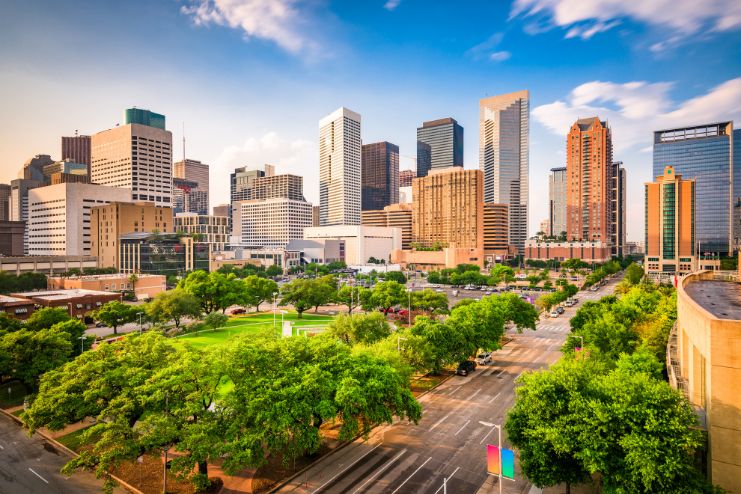
San Jose is not just the capital of Silicon Valley—it’s also at the forefront of environmental consciousness. While other California cities tend to experience ozone issues, San Jose strikes a balance between city growth and air quality programs.
How San Jose is different:
- San Jose participates in the Bay Area “Spare the Air”program, which includes public alerts and incentives for curtailing automobile use on high-pollution days. This program is run by the Bay Area Air Quality Management District and issues alerts to the residents when air quality reaches unhealthy levels. Here, they also encourage the citizens to take steps to reduce pollution.
- San Jose, like other Bay Area cities, joins these efforts, particularly during the summer months when ozone levels rise and pose health risks.
- The city has moderate pollen levels. While pollen is a problem in some areas of California, San Jose has moderate pollen levels that are less taxing on allergy-induced asthma.
- San Jose is known for its affordable healthcare. With top-notch medical facilities and asthma specialists, the city residents enjoy reliable healthcare for long-term asthma control.
- The city always has certain proactive clean air initiatives taking place. Public transportation improvements and city-wide awareness campaigns contribute to ongoing air quality enhancement.
This balance of urban sophistication and eco-conscious planning makes San Jose an excellent choice for asthma-friendly living.
33. Seattle, Washington: Evergreen Air and Accessible Care
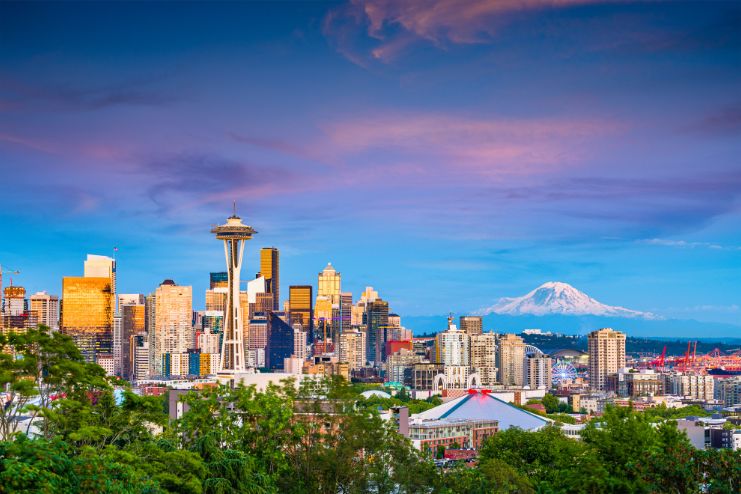
Seattle is known for its lush greenery, consistent rainfall, and scenic vistas. But beyond the beauty lies a city that’s actively improving conditions for asthma patients.
Seattle’s key benefits:
- The city has low rates of poverty. Stability in the economy usually goes hand in hand with improved healthcare, nutrition, and living arrangements—three of asthma’s key determinants.
- Seattle is popular for its clean lakes and natural scenery. Nature serves as a buffer against urban pollutants, and Seattle’s high number of parks and waterways adds to cleaner air.
- Although the Pacific Northwest has its fair share of allergens, Seattle enjoys moderate pollen levels for most of the year.
City officials are investing in the expansion of green spaces and reducing auto emissions. These efforts include expanding tree canopy cover, enhancing indoor air quality, and minimizing exposure to common asthma triggers such as mold and dust.
Another instance is the Duwamish Air Improvement Study for Children (DAISY) Project. This project provides air purifiers and contaminant monitors to homes with children in Georgetown and South Park, helping to monitor and limit indoor air pollutants.
Seattle’s growing commitment to health-forward urban planning makes it one of the top asthma-friendly cities in the Pacific Northwest.
44. Boise, Idaho: High Altitude, Low Pollution
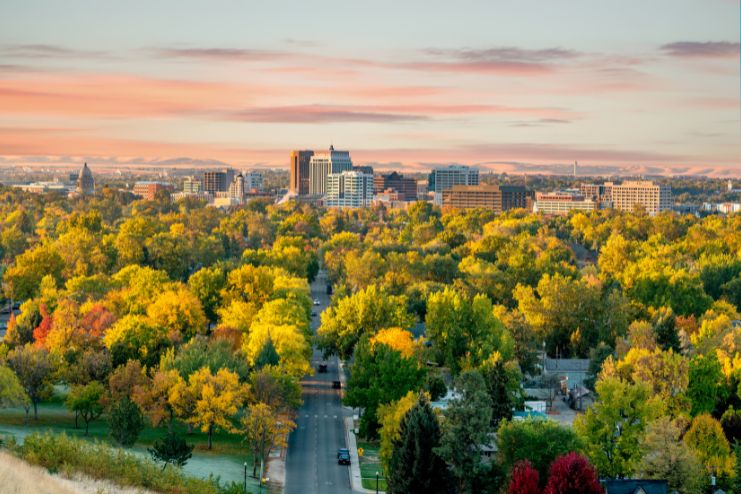
Boise has gained a reputation as one of America’s top cities for people with asthma. It’s fresh air, outdoor accessibility, and low humidity that combine to create healthy lungs.
Why Boise is a top contender:
- The city has excellent air quality. With minimal industrial pollution and relatively light traffic jams, Boise has some of the freshest air in the nation.
- Boise has a low exposure to pollen. Idaho’s plant ecology means fewer airborne allergens for asthma sufferers to contend with..
- We see that Boise has low rates of poverty. Economic indicators are an important aspect of controlling asthma, and Boise’s residents as a whole typically have improved access to healthcare and prevention.
Boise has seasons, but the lack of excessive humidity or extended pollen seasons reduces asthma attacks.
For people who love an active lifestyle and fresh air, Boise presents a lung-friendly blend of nature and well-being.
55. San Francisco, California: Breathing Easier with Policy and Innovation

San Francisco earns a spot on this list not only due to geography but also due to its dedication to public health. This Bay Area city has been a pioneer in several initiatives specifically aimed at asthma prevention and control.
What sets San Francisco apart?
- The city operates a specially designed program, the Asthma Task Force, that combines healthcare, housing, and community support to enhance asthma outcomes.
- San Francisco has stringent smoking regulations in the country, substantially reducing secondhand smoke exposure.
- With its coastal weather pattern, San Francisco tends to have lower pollen levels and fewer airborne allergens than other cities located inland.
- San Francisco has comprehensive healthcare and education. Family-based asthma education programs enable families to learn about how to live with the condition and prevent triggers.
This synergy of public policy, education, and environmental regulation has made San Francisco an ideal city for asthma-friendly living.
Breathing Better Starts With Where You Live: Final Thoughts
No city can provide an entirely asthma-free atmosphere, but where you live can make all the difference in how you deal with the condition. The cities mentioned above are not ideal, but they are at the forefront of making air cleaner, easy healthcare, and public areas safer for those with respiratory sensitivities.
Asthma is not just about medication; it’s about minimizing exposure to triggers such as pollution, smoke, and allergens. These highly ranked cities demonstrate that strategic urban planning, community health programs, and forward-thinking policy can directly enhance quality of life for asthma patients.
Whether you’re considering a move, planning travel, or simply finding ways to improve your surroundings, it’s worth learning from what these asthma-friendly cities are doing right. As air quality and environmental health take the center stage, these locations offer a glimpse of what’s possible when clean air becomes a priority.
Ultimately, healthier breathing begins with healthier environments, and these cities show that healthy living is not a wish, but a choice.
6References
- https://pmc.ncbi.nlm.nih.gov/articles/PMC6452888/
- https://www.cdc.gov/pcd/issues/2014/14_0235.htm
- https://www.sfmta.com/press-releases/air-district-announces-new-details-about-pilot-bike-share-system
- https://www.texasoncology.com/cancer-blood-disorders/cancer-facts/smoking-bans
- https://www.nationaljewish.org/education/health-information/infographics/best-worst-cities-for-asthma
In this Article