













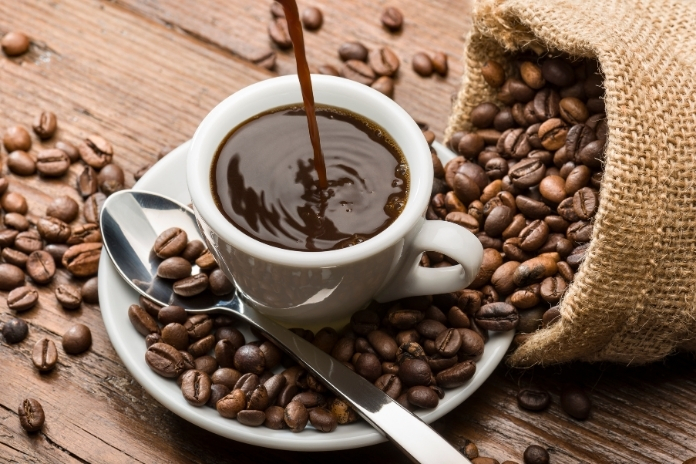
Are you among the millions of coffee drinkers worldwide? Think of coffee first thing in the morning. According to a 2021 article in the International Journal of Environmental Research and Public Health, individuals consume an estimated 500 billion cups of it every day, as it provides more energy and jump-starts the brain.
If you are, you might have noticed that your morning coffee stimulates both your intestines and your brain. Some people find that coffee causes them to use the restroom more frequently.
However, may this normal reaction be an indication of a healthy stomach or something else?
This article will explain what precisely occurs in your body after drinking coffee, discuss the reasons for this effect on your bowels, and discuss whether this is a reason for celebration or a cause for alarm.
Read More: 6 Causes of White Poops in Toddlers
Why Does Coffee Make You Poop?
It’s science at work when you suddenly feel the need to use the restroom after your morning coffee.
Every night, more than your mind goes to sleep. When you go to sleep, your digestive system slows down, and the first meal or beverage you consume upon waking up reactivates it. Coffee immediately starts your colon working if it’s the first thing you eat each day.
Your body moves food through your colon by a process called peristalsis, which is the contraction and relaxation of muscles in your digestive system. A review published in Nutrients in 2020 states that these contractions may begin as soon as four minutes after consuming coffee. As the rest of your body awakens, any stool in the colon may start to move toward the rectum.
The caffeine in coffee provides most individuals with a morning boost. One classifies caffeine as a stimulant. However, it does more than help you feel more rational. It may also stimulate the muscles of your digestive tract.
Caffeine, however, might have additional consequences. Studies suggest that caffeine can loosen the anal sphincter, the muscle responsible for controlling the release of stool. It facilitates bowel movements.
The lining of your stomach produces the hormone gastrin. Coffee prompts the stomach to produce the hormone gastrin. Peristalsis, a series of contractions in your stomach, is triggered by this. A process called peristalsis moves food and liquids through the intestines. It causes bowel movements in certain persons.
Drinking coffee, whether it’s caffeinated or decaffeinated, can stimulate the stomach to produce gastrin. Although decaf has a milder impact, it still contributes to this effect.
“Coffee can cause bowel movements because it contains acids that increase the hormone gastrin,” says Andrew Boxer, M.D., a gastroenterologist based in New Jersey. “Gastrin causes involuntary muscle contractions in the stomach (peristalsis), which can get the bowels moving.”
Is It Normal to Poop After Coffee?
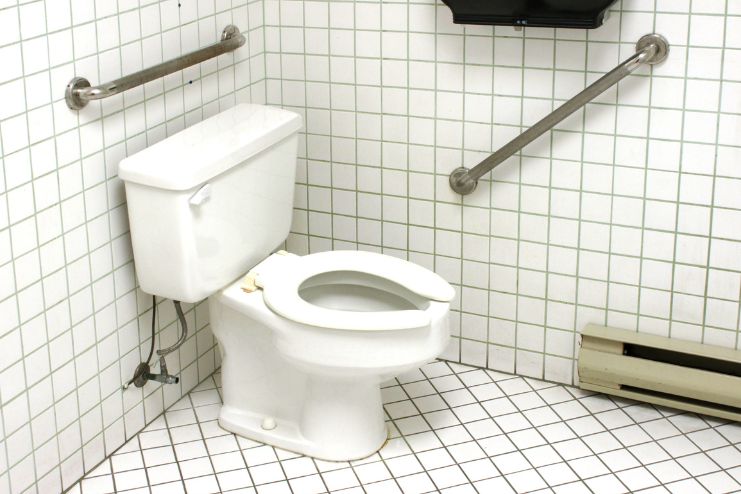
Yes, it is pretty natural to poop after drinking coffee; in fact, many people do this frequently. However, there can be significant individual differences in the frequency or speed of occurrence. Within minutes of drinking their cup, some people experience the desire, while others might not even notice any changes in their digestive system.
Is coffee a dependable solution for relieving constipation? Coffee makes you poop. After all, according to the National Institute of Diabetes and Digestive and Kidney Diseases, 16% of individuals in the United States suffer from constipation symptoms.
“Caffeine stimulates the muscles in the digestive system, including the colon, which can increase the movement of stool through the intestines and result in more frequent bowel movements,” says Danielle Kelvas, M.D.
Three different types of contractions occur in the colon, which work together to mix, knead, and eventually expel waste. Muscular, neurological, and pharmacological factors affect the occurrence, timing, and frequency of these contractions.
According to studies, caffeinated coffee causes 60% more intestinal spasms than water. Halfway through your coffee, you might feel the sudden urge to go to the bathroom because this surge in colon activity occurs as soon as four minutes after drinking a potent brew.
Read More: Period Poop: Why It Happens and How to Ease Digestive Issues
Coffee and Gut Health
The goal of clever marketing is to offer you the newest and best superfoods. However, what if you already eat a potent superfood each morning? It’s coffee, indeed. Whether it’s a classic black coffee, a chilled vanilla latte, or a rich café mocha, the love for coffee runs deep and strong—just like a bold cold brew.
But the question remains, can coffee wreak havoc on your digestive system? It depends on the sensitivities of the person, according to Adrian Dobrowolsky, M.D., general surgeon, Foregut Program of Hoag Digestive Health Institute.
Coffee supports a longer lifespan, lowers the risk of cardiovascular disease, and helps protect against a certain type of cancer, including colon, breast, prostate, and liver cancer, among others.
Coffee is an excellent source of antioxidants. Magnesium and vitamin B are among the many vitamins and minerals it contains. Coffee has even been shown to improve the microbiota. According to one study, coffee drinkers have higher levels of an anti-inflammatory microbiome—more specifically, Bifidobacteria.
Additionally, it’s widely regarded as a reliable way to start the day. However, it’s crucial to monitor how coffee affects you to identify a remedy if you suffer from acid reflux disease, which is also known as GERD.
Pros and Cons of Coffee
Avoid Drinking Coffee on an Empty Stomach: Coffee’s acidity may cause stomach upset and exacerbate morning acid reflux symptoms. As an appetite suppressant, it may disrupt your circadian rhythm in the morning and cause you to miss breakfast. We recommend drinking coffee after a healthy breakfast and at least one 16-ounce glass of water. Caffeine absorption can be delayed by consuming foods rich in fats and proteins.
If Your Cortisol Is High, Avoid Coffee: Unfortunately, high cortisol levels mean skipping coffee in the morning. If cortisol and adrenaline are already high, caffeine can exacerbate energy and hormone imbalances. Somatic activities, EFT tapping, box breathing, and yoga can help you stop fighting or fleeing.
Avoid Coffee with Mycotoxins: Mycotoxins, chemical compounds generated by poisonous mold, require their own category. The liver metabolizes mycotoxins, which are mold elements that can make you sick. Due to inadequate processing, storage, and environmental factors, many regular coffee brands contain mycotoxins. If you have a sensitive gut, opt for an organic coffee brand that regularly tests for mycotoxins and pesticides.
Don’t Cover Up Fatigue with Coffee: Have you lived if you haven’t pulled an all-nighter on coffee and determination alone? Coffee shouldn’t be used as a means to cope with continuous exhaustion. Coffee provides a terrific morning energy boost, but taking it to disguise exhaustion is a dangerous indication. Reduce your coffee intake and focus on maintaining hormone balance, regulating your circadian rhythm, promoting intestinal health, and practicing natural detoxification.
Read More: Do Blueberries Make You Poop? Benefits And Causes
Does Decaf Coffee Also Make You Poop?

Although there is no scientific evidence to support the idea that decaf coffee causes bowel movements, studies have demonstrated that coffee can trigger a gastrocolic reflex, a reaction involving the brain and hormones. Your hormone levels start to shift, and your brain begins to transmit signals after that first cup of coffee in the morning.
Such signals trigger your nervous system and stimulate your colon to move more actively. Regardless of whether coffee is decaf or caffeinated, this is the case.
Decaf coffee may cause some people to experience nausea; however, not all coffee drinkers experience this. The same is true with decaf coffee; no one who drinks caffeinated coffee has a bowel movement after drinking it.
When to Be Concerned
While it is normal for coffee to cause one to have a bowel movement, some signs may be indicative of a more serious problem.
Consuming more coffee can lead to pesky side effects, such as gas, diarrhea, or cramping, if you are initially coffee-sensitive. It may also overload you with excessive caffeine, which will leave you with insomnia and render you more susceptible to having other symptoms of caffeine, such as the jitters and heart palpitations.
Your blood pressure can also be affected by excessive caffeine consumption. Systolic blood pressure (upper number) but not diastolic blood pressure (lower number) went up with the use of caffeine, according to a 2021 study in Nutrients. A 2023 review in Current Problems in Cardiology could not make the same findings; however, it stated that individuals can develop tolerance to caffeine.
Chronic heart conditions are more probable if you’ve consistently high blood pressure, especially if it has a hereditary history along with other risk factors.
Read More: What Does It Mean When Your Poop Floats? 8 Possible Causes
Tips to Manage the “Coffee Poop” Effect

Eat Before or with Your Coffee: Eating before or with your coffee can reduce the caffeine’s effect and eliminate the sudden urge.
Drink Cold Brew or Low-Acid Coffee: These options are gentler on the stomach and may help alleviate bowel movements or other stomach issues.
Consider the Time when you drink your Coffee: To avoid embarrassing toilet breaks, try to avoid having it around important meetings, long commutes, or long drives.
Drink Water All Day: Stay hydrated by drinking a lot of water throughout the day to keep your digestive system healthy and prevent dehydration complications, as caffeine is a mild diuretic.
Read More: Why Does Coffee Make You Poop? 8 Possible Reasons
Conclusion
After coffee, are you going to the bathroom? It’s entirely normal for most people, and it can even suggest that your gut is running well. Coffee is a typical bathroom stimulant because it naturally prompts bowel movement through its chemicals, warmth, and even scent.
It’s time to rethink your coffee habit, though, if the after-effects become clumsy, pressing, or intrusive. Simple actions, such as eating before drinking coffee, using low-acid or decaf coffee, or sharing your cup throughout the day, can have a significant impact on your health.
Don’t hesitate to consult your doctor if symptoms such as bloating, diarrhea, or cramps persist.
Ultimately, your stomach and coffee have a special relationship that, depending on how your body responds to it, will be beneficial or infuriating.
References
- https://www.eatingwell.com/why-does-coffee-make-you-poop-8558449
- https://www.goodrx.com/well-being/gut-health/why-does-coffee-make-you-poop
- https://zoe.com/learn/why-does-coffee-make-you-poop
- https://my.clevelandclinic.org/podcasts/health-essentials/why-does-coffee-make-you-poop-with-dr-christine-lee
- https://pmc.ncbi.nlm.nih.gov/articles/PMC7824117/
- https://pubmed.ncbi.nlm.nih.gov/18350336/
- https://health.clevelandclinic.org/why-does-coffee-make-you-poop
- https://www.bonappetit.com/story/coffee-poop
- https://ronsaff.com/breathing-dysfunction-and-head-posture/
- https://www.doximity.com/pub/danielle-kelvas-md
- https://pmc.ncbi.nlm.nih.gov/articles/PMC8778943/
- https://www.mindbodygreen.com/articles/why-does-coffee-make-you-poop
- https://www.hoag.org/articles/coffee-and-gut-health-friend-or-foe/
- https://www.mdpi.com/2072-6643/15/7/1747
- https://hsph.harvard.edu/news/coffee-may-improve-gut-health/
- https://cornercoffeestore.com/does-decaf-coffee-make-you-poop/
- https://pmc.ncbi.nlm.nih.gov/articles/PMC8538539/
- https://www.sciencedirect.com/science/article/abs/pii/S0146280623003092
In this Article