















As people age, they often face various health challenges, and one of the most common, yet difficult to discuss, is incontinence. This condition affects millions of older adults worldwide and can significantly impact their daily lives. For many, it represents more than just a physical concern; it becomes an emotional and social challenge that can lead to feelings of embarrassment, isolation, and frustration.
Understanding the causes of incontinence, which often stem from natural aging processes, is essential for healthcare providers, caregivers, and individuals themselves. When we address this condition with empathy and practical solutions, it becomes more manageable, and quality of life can improve substantially.
Incontinence in older adults is typically linked to various age-related changes in the body, including weakened muscles and alterations in the bladder and urinary tract. While these changes are part of normal aging, they can present unexpected challenges. However, it’s crucial to recognize that incontinence is not something people must simply “live with.”
Through effective coping mechanisms and treatment options, we can help individuals regain confidence and independence. Whether through medical interventions, lifestyle adjustments, or supportive care, there are numerous ways to manage the condition beyond merely addressing symptoms.
At the heart of addressing incontinence is compassion and understanding. It’s easy to overlook how this condition affects a person’s emotional well-being, but it’s important for family members, caregivers, and healthcare providers to offer support with kindness and patience.
By fostering an open, non-judgmental environment, we enable older adults to seek help without shame. Together, we can create a world where incontinence is managed with dignity and respect, improving not only the physical health of older adults but also their emotional and social well-being.
Types and Causes of Incontinence

Incontinence can present in several ways, each requiring a unique approach to management. Understanding the different types is essential for finding the most effective treatment options and improving quality of life. The main forms of incontinence include stress incontinence, urge incontinence, mixed incontinence, overflow incontinence, and functional incontinence. Each type has distinct characteristics and underlying causes, making a personalized approach to treatment necessary.
Types of Incontinence and Their Characteristics
- Stress Incontinence: Stress incontinence occurs when pressure on the bladder increases, such as when laughing, sneezing, coughing, or exercising, causing urine to leak. This type is often due to weakened pelvic floor muscles, commonly resulting from childbirth or age-related muscle atrophy.
- Urge Incontinence: Urge incontinence is characterized by a sudden, intense urge to urinate, often leading to leakage if the person cannot reach the bathroom in time. This condition may be related to neurological disorders such as multiple sclerosis or Parkinson’s disease, which interfere with communication between the bladder and brain.
- Mixed Incontinence: Mixed incontinence occurs when an individual experiences both stress and urge incontinence simultaneously. This combination is particularly common in older adults and women, presenting unique management challenges.
- Overflow Incontinence: Overflow incontinence happens when the bladder becomes too full and continuously leaks small amounts of urine. This type can be caused by blockages or obstructions in the urinary tract that prevent complete bladder emptying.
- Functional Incontinence: Functional incontinence occurs when physical or mental disabilities make it difficult for a person to reach the bathroom in time. This can result from conditions like arthritis, dementia, or other impairments that hinder mobility and coordination.
A 2024 population-based study published in the Journal of Family and Community Medicine found that:
- Stress incontinence was the most common type (71%), typically caused by weakened pelvic floor muscles.
- Urge incontinence (21%) was often linked to overactive bladder or neurological conditions.
- Mixed incontinence was more prevalent among older adults, especially women.
- Overflow and functional incontinence were less common but more closely tied to underlying medical or mobility issues.
The study emphasized that proper identification of incontinence type is crucial for personalized treatment and improving quality of life.
Understanding the Causes
Each type of incontinence has specific underlying causes that must be identified for effective management:
- Stress Incontinence is often linked to weakened pelvic floor muscles resulting from pregnancy, childbirth, or age-related changes.
- Urge Incontinence typically occurs due to neurological issues that disrupt normal communication between the bladder and brain.
- Mixed Incontinence combines elements of both stress and urge incontinence.
- Overflow Incontinence may be caused by urinary tract obstructions preventing complete bladder emptying, or medication side effects.
- Functional Incontinence often results from physical or cognitive impairments that make timely bathroom access challenging.
Understanding these specific causes is essential for both individuals and healthcare professionals in developing effective management strategies. With proper knowledge, targeted treatments can be applied to improve overall incontinence management and enhance quality of life.
Age-Related Changes Contributing to Incontinence

As people age, natural physiological changes significantly impact bladder function, making older adults more susceptible to incontinence. Understanding these age-related changes is crucial for recognizing why incontinence becomes more common in later years and helps caregivers and healthcare providers offer better care and treatment.
Age-Related Changes Affecting Bladder Function
- Decreased Bladder Capacity: One of the primary changes with aging is reduced bladder capacity to hold urine. As the bladder becomes less able to store larger volumes, older adults often experience increased urinary frequency. This reduced storage capacity can lead to urgency and, in some cases, incontinence when the bladder cannot hold urine long enough for the person to reach the bathroom.
- Weakened Pelvic Floor Muscles: The pelvic floor muscles play a vital role in urinary control and bladder support. As these muscles lose tone with age, stress incontinence becomes more common. This type occurs when physical activities like coughing, laughing, or exercising put pressure on the bladder, leading to leakage due to insufficient muscle support.
- Impaired Brain-Bladder Communication: Nerve function, particularly the connection between the brain and bladder, is closely linked to bladder control. As people age, nerve signals that help control urination may become less efficient. This disruption can lead to urge incontinence, where individuals experience sudden, intense urges to urinate that may be difficult to control.
As Dr. Katie Propst, MD, a board-certified urogynecologist at the Cleveland Clinic, emphasizes, “there are a number of types of urinary incontinence. I would say the most common types in women are stress incontinence, and that’s leakage of urine with activity or really anything that puts pressure on the bladder… Another type is overactive bladder and urge incontinence… These conditions can happen simultaneously, so some patients may have both urge and stress incontinence.”
The Impact of Hormonal Changes and Comorbid Conditions
- Hormonal Changes During Menopause: For women, menopause brings decreased estrogen levels, which can affect both bladder function and pelvic floor support. These hormonal changes contribute to incontinence by weakening the muscles and tissues that help maintain bladder control, increasing the likelihood of urinary issues.
- Comorbid Conditions: Other health conditions that become more common with age, such as diabetes, neurological disorders, or obesity, can worsen incontinence symptoms. These conditions may interfere with nerve function, bladder control, or urinary system integrity, adding complexity to incontinence treatment and management.
Tailored Approaches to Managing Incontinence
Given the multiple factors contributing to incontinence in older adults, healthcare providers must approach each case with a personalized plan. By understanding specific age-related changes, such as decreased bladder capacity, weakened pelvic muscles, and impaired nerve function, healthcare providers can offer targeted interventions.
Whether through physical therapy to strengthen pelvic floor muscles, medications to improve bladder control, or lifestyle changes to manage comorbid conditions, the goal is to improve quality of life and reduce incontinence-related discomfort.
Read More: How To Deal With Elderly Incontinence? Know What Science Suggests
Risk Factors and Prevention Strategies

Understanding risk factors for incontinence in older adults is essential for effective prevention and management. With a proactive approach, healthcare providers and caregivers can implement targeted interventions that address specific causes. Let’s explore the most common risk factors and how they can be managed to improve quality of life.
Common Risk Factors
- Obesity: Excess weight is a leading risk factor for incontinence, as it puts additional pressure on the bladder and pelvic floor muscles, impairing their ability to control urine. The added strain makes it harder for the body to manage bladder function, potentially leading to leakage or urgency. Maintaining a healthy weight through balanced nutrition and regular physical activity is essential for reducing incontinence risk.
- Mobility Issues: As individuals age, mobility can become challenging due to natural aging or physical disabilities. Difficulty moving quickly or reaching the bathroom in time can increase incontinence risk. Mobility issues may prevent individuals from responding to bladder urges promptly, resulting in accidents. Encouraging physical therapy or providing assistive devices can help improve mobility and reduce its impact on bladder control.
- Cognitive Decline: Cognitive deterioration, such as that seen in dementia or Alzheimer’s disease, is another significant risk factor. Older adults with cognitive impairments may not recognize the need to urinate or may have trouble remembering to get to the bathroom in time, leading to involuntary urination. Additionally, some medications used to treat cognitive decline may exacerbate incontinence symptoms.
According to a 2023 meta-analysis, “middle‑aged and elderly women with obesity class II are significantly more likely to develop urgent urinary incontinence”. In addition, studies emphasize that mobility limitations and cognitive impairment greatly increase the risk of functional and urge incontinence in older adults .
Preventive Measures
- Lifestyle Modifications: Maintaining a healthy lifestyle can significantly prevent or reduce incontinence. Regular exercise and a balanced diet that supports a healthy weight can relieve pressure on the bladder and pelvic floor muscles. Additionally, staying appropriately hydrated while limiting caffeine and alcohol intake can help improve bladder control.
- Improving Mobility: Addressing mobility issues is critical for managing incontinence. Physical therapy, assistive devices, and other interventions can help individuals regain or maintain the ability to move more freely. These tools ensure that people can respond to bladder urges in time, preventing accidents and promoting independence.
- Cognitive Support: For individuals experiencing cognitive decline, creating structured routines and using cognitive stimulation techniques can help manage incontinence. Encouraging regular bathroom breaks and maintaining consistent schedules can reduce accident likelihood. Additionally, caregivers should be mindful of medication side effects and work with healthcare providers to adjust treatments when needed.
By understanding and addressing these risk factors, healthcare providers and caregivers can take effective preventive measures to support older adults. A comprehensive approach that includes lifestyle changes, mobility improvement, and cognitive support can greatly reduce incontinence impact and improve quality of life.
Coping Strategies and Management Techniques
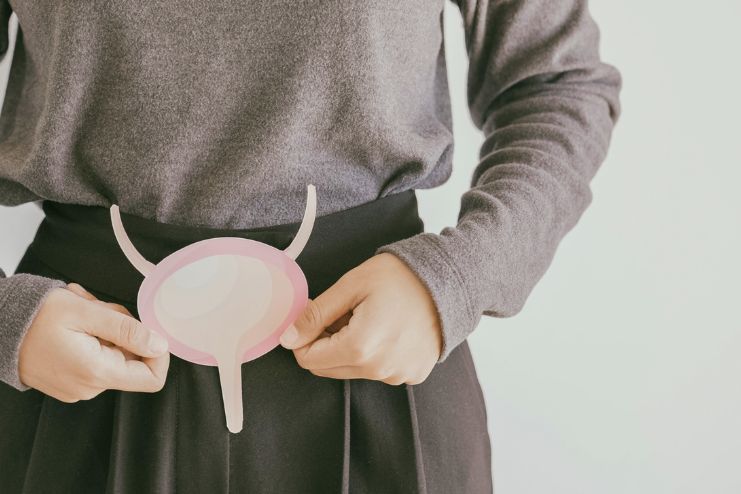
Managing incontinence requires a comprehensive approach that addresses both physical and mental health aspects. It’s not just about controlling symptoms; it’s about improving overall quality of life and ensuring that individuals can continue living with dignity and confidence. A multimodal approach incorporating practical coping mechanisms can effectively manage incontinence.
- Bladder Training: One effective technique for managing incontinence is bladder training. This strategy involves scheduling bathroom breaks at regular intervals, gradually increasing the time between urinations.
- Pelvic Floor Exercises: Strengthening the pelvic floor muscles is crucial for managing incontinence. These muscles play a vital role in supporting the bladder and controlling urine flow.
Read More: Pelvic Floor Exercises: Strengthening Solutions for Incontinence
- Avoiding Bladder Irritants: Diet plays an important role in managing incontinence. Certain foods and beverages, such as caffeine, spicy foods, and acidic drinks, can irritate the bladder and worsen symptoms.
- Maintaining Proper Hydration: While reducing bladder irritants is important, staying properly hydrated is equally essential. Dehydration can make urine more concentrated and increase bladder irritation.
- Maintaining Cleanliness: Good hygiene practices are essential for both physical health and mental well-being. Regular washing, changing clothes, and using specialized incontinence products can help manage the condition while promoting dignity and comfort.
- Incontinence Products: Specialized products like pads, adult briefs, and protective bedding offer discreet, reliable solutions for managing incontinence. These products provide security and confidence, allowing individuals to go about their day without constantly worrying about accidents.
- Professional Support: Incontinence can be difficult to manage alone, making open conversations with healthcare professionals crucial. A doctor or specialist can help guide treatment plans, recommend coping strategies, and provide tailored advice based on individual needs.
- Emotional and Social Support: Coping with incontinence can be emotionally challenging. Connecting with support groups or speaking with loved ones can provide the reassurance and encouragement needed to maintain a positive outlook.
Psychological and Emotional Impact
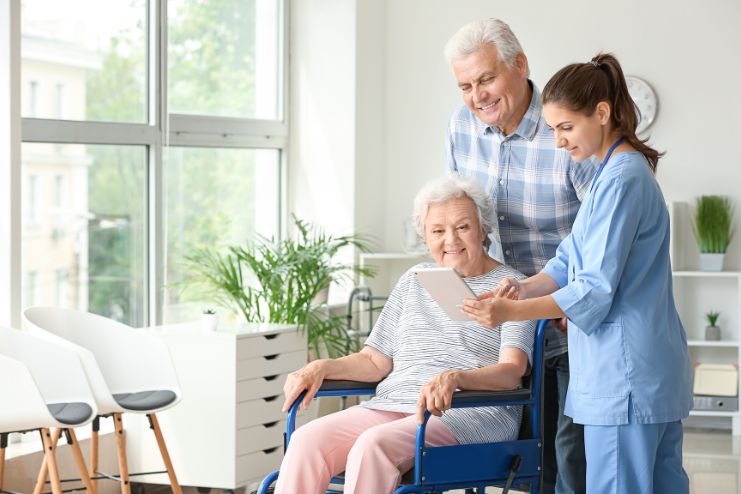
Incontinence, often viewed solely as a physical condition, actually has significant psychological and emotional implications, particularly for older adults. The experience of involuntary leakage can trigger feelings of embarrassment, shame, and vulnerability, deeply affecting an individual’s self-perception. These emotional struggles extend beyond physical symptoms, influencing an older person’s confidence, social interactions, and overall well-being.
- Feelings of Shame and Embarrassment
Incontinence often brings about negative emotions like shame and embarrassment. Individuals may feel vulnerable, leading them to withdraw from social situations to avoid potential humiliation or judgment. This isolation can further exacerbate emotional distress, creating a cycle of loneliness that impacts both mental and physical health.
- Impact on Self-Esteem and Social Confidence
The stigma surrounding incontinence can damage self-esteem, making individuals feel less confident in social settings. Fear of accidents or being judged may deter them from participating in activities they once enjoyed, causing them to withdraw socially. Over time, this lack of social engagement can deepen feelings of depression and anxiety.
- Open Dialogue and Support
It’s essential to acknowledge and address the emotional aspects of incontinence. Encouraging open conversations about the condition can help individuals feel heard and understood. When people can discuss their experiences and concerns freely, it reduces the isolation they may feel. Healthcare professionals play a critical role by offering not only medical advice but also emotional support, helping address the mental health challenges associated with incontinence.
- Therapeutic Interventions
In some cases, therapeutic interventions such as counseling or cognitive behavioral therapy (CBT) may be necessary to help individuals cope with the emotional toll of incontinence. These therapies can provide valuable tools for managing the psychological stress that accompanies the condition, helping individuals build resilience and develop healthier coping mechanisms.
- Caregiver and Family Support
The role of caregivers and family members is vital in providing emotional support. Encouraging a supportive environment where older individuals feel safe and valued can significantly combat the psychological impacts of incontinence. Caregivers can provide comfort, understanding, and reassurance, making it easier for affected individuals to accept their condition and seek help when needed.
- Support Groups and Shared Experiences
Participating in support groups can be highly beneficial. These groups provide a space for individuals to connect with others experiencing similar challenges. Sharing stories and coping strategies fosters empathy and helps combat isolation. Knowing that others understand and share their struggles can be incredibly comforting, offering new insights and encouragement.
Enhancing Quality of Life
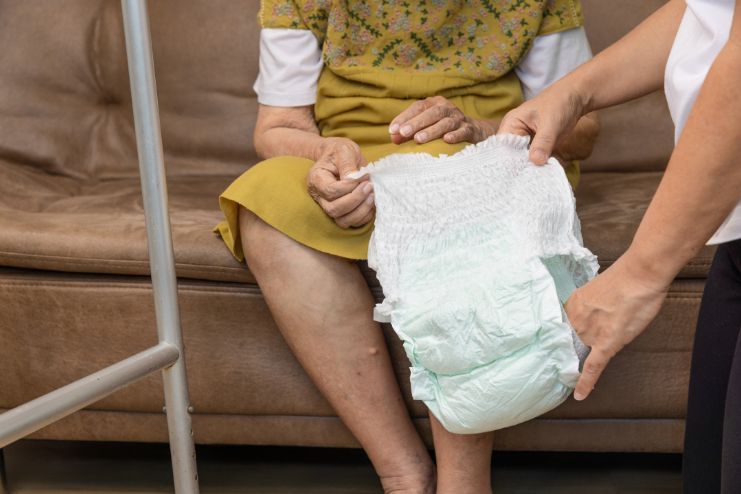
Incontinence doesn’t have to overshadow quality of life for older individuals. With thoughtful strategies and a proactive approach, it’s entirely possible to improve both well-being and independence. By focusing on key areas like maintaining social connections, staying active, and accessing appropriate healthcare resources, older adults can better manage incontinence and continue living fulfilling lives.
- Social Support System
One of the most important aspects of managing incontinence is having a strong social support system. A supportive network of family, friends, and caregivers can provide understanding, encouragement, and assistance, which is essential for reducing the isolation that can accompany incontinence. Staying socially connected not only combats loneliness but also provides motivation and emotional support.
- Staying Active
Maintaining an active lifestyle plays a vital role in managing incontinence and improving overall health. Regular physical activity, tailored to individual capabilities, can help maintain a healthy weight, enhance muscle tone, and improve bladder function. Simple exercises can build strength, particularly in the pelvic floor muscles, which are essential for bladder control.
- Routine Check-ups and Professional Care
Regular visits to healthcare professionals are key to managing incontinence effectively. These check-ups allow doctors to assess the condition, provide personalized treatment plans, and address any underlying health issues that may contribute to incontinence. Access to appropriate medical resources ensures that older individuals receive the care and attention they need for day-to-day management.
- Practical Coping Strategies
One of the best ways to improve the quality of life for older adults dealing with incontinence is through education. Teaching practical coping strategies, such as pelvic floor exercises and bladder training, can help them gain better control over their condition. When individuals understand how to manage their symptoms, it boosts their confidence and sense of control.
- Encouraging Independence
Encouraging older individuals to take ownership of their health fosters a sense of self-efficacy and dignity. Using discreet and effective incontinence products allows them to continue their daily lives with comfort and confidence. These products help preserve independence by allowing them to engage in activities without worrying about accidents or discomfort.
- Mental, Social, and Physical Health Integration
The key to improving quality of life for older adults with incontinence lies in a holistic approach to care. This means integrating physical health with mental and social support to create a well-rounded strategy. Addressing not just the physical symptoms but also the emotional and social aspects of incontinence can lead to a more fulfilling and balanced life.
Conclusion
This comprehensive examination has revealed important insights into how incontinence impacts older adults, highlighting the various age-related changes that affect bladder function, common risk factors, and effective coping strategies. Managing incontinence requires a deeper understanding of these complexities, whether addressing physical changes or recognizing the emotional and psychological toll.
One of the most important takeaways is the value of a holistic approach to care. Encouraging older individuals to maintain their independence and social connections can dramatically improve their quality of life. It’s not just about managing symptoms; it’s about creating an environment where people feel supported, empowered, and able to live with dignity.
The importance of fostering open communication between individuals, caregivers, and healthcare professionals cannot be overstated; it forms the foundation of effective care. Older adults and their caregivers must take a proactive approach to managing incontinence. The journey toward better well-being begins with seeking support, whether from healthcare providers, family, or support groups.
By engaging in open conversations and developing personalized strategies, people can face incontinence challenges with respect, understanding, and practical solutions, ultimately leading to a better, more fulfilling life.
References
- https://www.health.harvard.edu/bladder-and-bowel/types-of-urinary-incontinence
- https://www.ncbi.nlm.nih.gov/books/NBK559095/
- www.urineincontinence.com.au/urinary-incontinence/types-urinary-incontinence
- https://www.brighamandwomens.org/obgyn/urogynecology/types-of-incontinence-and-risk-factors
- https://www.frontiersin.org/articles/10.3389/fragi.2021.791833/full
- https://physoc.onlinelibrary.wiley.com/doi/full/10.1113/jphysiol.2013.262634
- https://www.ncbi.nlm.nih.gov/pmc/articles/PMC5609730/
- https://medlineplus.gov/ency/article/004010.htm
- https://www.hindawi.com/journals/jar/2020/2425945/
- https://www.in.gov/health/files/UI_AGS.pdf
- https://www.ncbi.nlm.nih.gov/pmc/articles/PMC10474661/
- https://www.nhs.uk/conditions/urinary-incontinence/10-ways-to-stop-leaks/
- https://www.ncbi.nlm.nih.gov/pmc/articles/PMC3411204/
- https://familydoctor.org/bladder-training-urinary-incontinence/
- https://www.mayoclinic.org/diseases-conditions/urinary-incontinence/in-depth/bladder-control-problem/art-20046597
- https://www.sciencedirect.com/science/article/abs/pii/S0033350622002542
- https://bmcurol.biomedcentral.com/articles/10.1186/s12894-017-0214-6
- https://journals.sagepub.com/doi/10.1177/0300060520931348
- https://www.betterhealth.vic.gov.au/health/conditionsandtreatments/incontinence-tips-for-carers
- https://health.gov/sites/default/files/2023-06/PAG_MidcourseReport_508c_final.pdf
- https://www.ncbi.nlm.nih.gov/pmc/articles/PMC9866478/
In this Article