













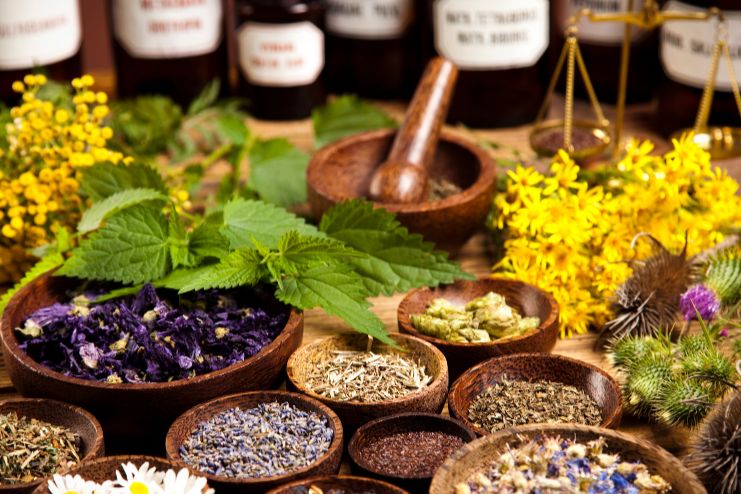
Feeling stressed, run-down, or tired of relying on pills for every minor ache? You’re not alone—and you’re not out of options. As more people turn toward natural solutions, herbal medicine is experiencing a remarkable resurgence.
Once considered the domain of old-world healers and folklore, herbal remedies are now backed by growing research and embraced by wellness seekers looking for gentler, plant-based approaches to boost immunity, ease anxiety, soothe pain, and address various health concerns.
From calming chamomile to digestion-friendly ginger, herbs offer a time-tested path to better health without the extensive list of side effects often associated with conventional medications. In this article, we’ll guide you through building your own herbal medicine cabinet, which plants to keep on hand for common health concerns, and how to use them safely and effectively.
Read More: DIY Herbal Teas: 7 Home Remedies to Soothe Common Ailments
Setting Up Your Herbal Medicine Cabinet
At the heart of herbal medicine lies a simple yet powerful principle: plants possess the ability to heal. Used for centuries to support wellness, herbs offer a natural way to care for your body, whether you’re soothing a headache, calming anxiety, or boosting your immune system.
Building your own herbal medicine cabinet isn’t about replacing modern medicine—it’s about empowering yourself to care for your loved ones with gentle, effective remedies that work in harmony with your body’s natural processes.
Unlike pharmaceuticals, which often target specific symptoms, herbs support the body holistically, helping restore balance and activate your natural healing response. When used consistently, they can help prevent illness before it begins.
The beauty of herbal remedies lies in their integration into daily life. Sip a mineral-rich tea in the morning, stir immune-boosting herbs into soups or smoothies, or unwind in a rose petal bath after a long day. Herbal healing isn’t just medicinal—it can be nourishing, delicious, and even luxurious.
What You’ll Need to Start
To establish a basic herbal medicine cabinet, begin with these versatile, easy-to-find dried herbs:
- Chamomile – for sleep, stress, and digestion
- Peppermint – to ease headaches and reduce gas and bloating
- Ginger – a powerful anti-inflammatory and digestion aid
- Echinacea – to support immune health
- Lavender – for stress relief and skin care
For topical care, stock essential oils like tea tree (antimicrobial) and lavender (calming and skin-soothing).
Essential tools for preparing remedies include:
- Glass jars for storing dried herbs and infusions
- A fine sieve or strainer for making teas and infusions
- A mortar and pestle for grinding herbs when needed
With these basics, you’ll be well-equipped to create a home apothecary that’s both practical and empowering.
Must-Have Herbs and Their Uses
1. Chamomile: Calming and Digestive Aid
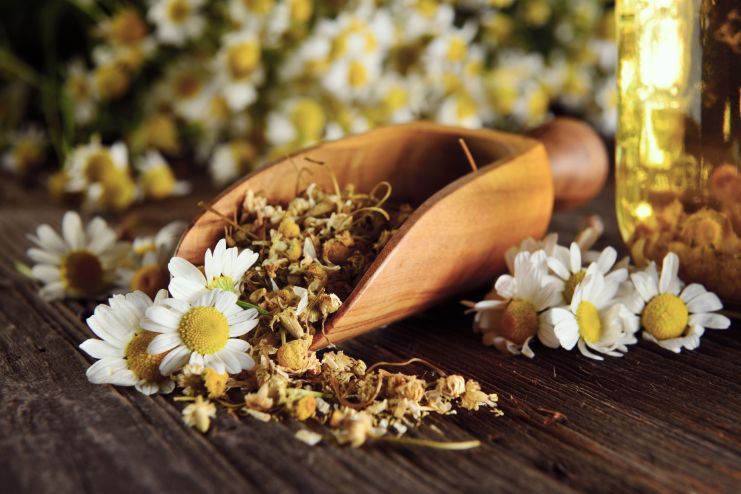
Chamomile (Matricaria chamomilla) is a delicate white flower from the daisy family, but don’t let its gentle appearance fool you—it’s a powerhouse in natural healing. Packed with beneficial flavonoids and aromatic oils, chamomile has been used for centuries to address everything from anxiety to upset stomachs.
Why It Works: Chamomile contains natural compounds that relax the smooth muscles of the digestive tract, helping relieve cramps, bloating, and acid reflux. Its slightly bitter properties stimulate digestive enzymes, making it an effective post-meal tea. Beyond digestion, chamomile is widely recognized for its calming, sleep-promoting effects, making it one of the most beloved herbal remedies for stress, restlessness, and mild insomnia.
Taste & Experience: Mild, floral, and naturally sweet, chamomile tea is as comforting in flavor as it is in function. It’s the perfect evening ritual or gentle support for your nervous system when life feels overwhelming.
How to Use It:
- Tea: For optimal results, steep one tablespoon of dried chamomile flowers in hot (not boiling) water for 20 minutes. Keep covered to preserve volatile oils. Drink 1-2 cups daily, especially after meals or before bed.
- Extract: Create an alcohol or glycerine-based extract by filling a sterile glass jar with chamomile flowers, covering with high-proof vodka or vegetable glycerine, sealing, and storing in a cool, dark place for 2-6 weeks, shaking occasionally.
Plant Part Used: The yellow centers of chamomile flowers, which have a mellow, apple-like flavor.
Contraindications:
- Use caution during pregnancy, especially in high doses
- May cause cross-sensitivity in people allergic to plants in the daisy family (ragweed, elecampane, arnica)
- Should be used cautiously by people with asthma, particularly those with allergies to the plant
Read More: 5 Ancient Alternative Medicine Practices That Stand the Test of Time
2. Echinacea: Immune-Boosting Powerhouse
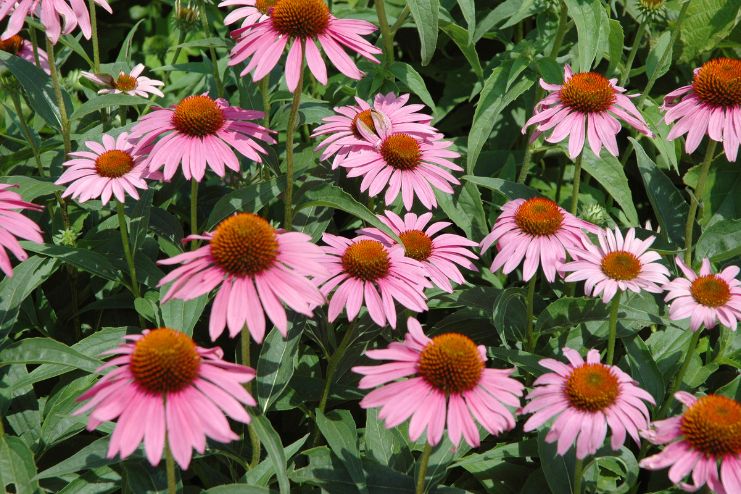
Purple coneflower, better known as echinacea (Echinacea spp.), is more than just a stunning garden addition—it’s a tried-and-true herbal defender of your immune system. Used for centuries by Native American and European herbalists, echinacea is prized for its ability to help your body fight infections and recover faster.
Why It Works: Echinacea contains active compounds in its roots, leaves, and flowers that stimulate white blood cell production, enhance lymphatic drainage, and reduce inflammation. It’s most commonly used to help prevent or shorten the duration of colds, especially when taken at the first sign of symptoms like sore throat, sinus pressure, or fatigue.
“Echinacea is a booster to the immune system and supports the lymphatic system,” notes Brittney Sounart, Registered Herbalist. She cautions that “it does not build the immune system and can be contraindicated in autoimmune conditions.”
Taste & Experience: Echinacea tea has an earthy, slightly floral taste with a subtle tingling sensation on the tongue—a sign of its immune-activating alkylamides at work. “The tingling sensation is how we identify good quality echinacea,” notes Brittney.
Plant Part Used: Roots, leaves, and flowers all have medicinal properties.
How to Use It:
- Tincture: Take a few drops under the tongue or in water for quick absorption—ideal when symptoms start
- Tea: Steep 1-2 teaspoons of dried echinacea flowers in hot water for 10-15 minutes. Echinacea root is easier to source, but it should be decocted or simmered for 15-20 minutes to release its therapeutic properties.
- Capsules: A convenient option for consistent immune support
Since echinacea is not an immune builder or a preventative remedy, it should be used as needed for acute infections.
Brittney recommends “using it at first signs of infection and taking it every 2-3 hours during the infection. It can be used daily, but that is going to be in a formula for lymphatic support.”
Contraindications: Echinacea should not be taken by individuals with:
- Tuberculosis (TB)
- Leukemia
- Diabetes
- Connective tissue disorders
- Multiple sclerosis (MS)
- AIDS or HIV
- Autoimmune conditions (rheumatoid arthritis, lupus)
- Liver abnormalities (possible risk)
3. Peppermint: Digestive Support and Headaches
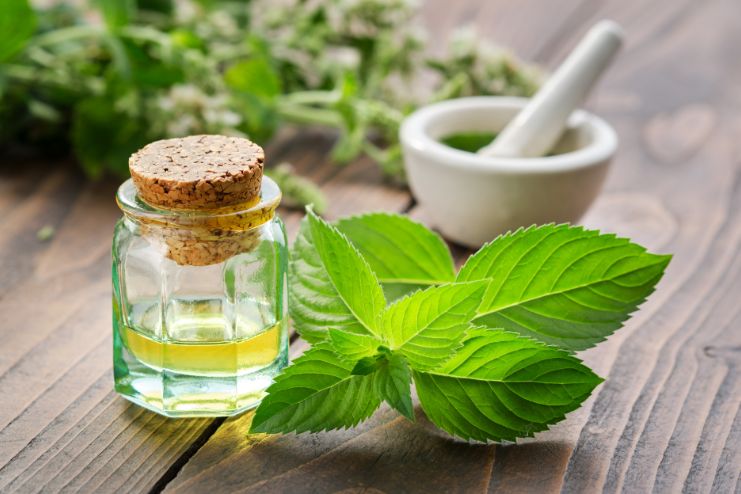
Peppermint (Mentha piperita) is one of the most beloved herbs in both traditional and modern medicine. With its refreshing flavor and powerful healing compounds, it’s a go-to remedy for everything from indigestion to tension headaches.
Why It Works: Peppermint contains menthol, a cooling compound with natural analgesic (pain-relieving), anti-inflammatory, and muscle-relaxing effects. Research shows that enteric-coated peppermint oil capsules are particularly effective for digestive discomfort, including IBS, because they release the oil in the intestines where it can gently relax intestinal muscles and relieve cramping without causing stomach irritation.
Taste & Experience: Peppermint tea is bright, minty, and cooling—both in taste and effect. It can lift brain fog, ease stomach tension, and refresh your senses.
How to Use It:
- Tea: Steep 1-2 teaspoons of dried peppermint leaves in hot water for 5-10 minutes. Cover to preserve volatile oils. Sip after meals to support digestion.
- Capsules: Choose enteric-coated peppermint oil capsules for digestive support, especially for IBS or persistent bloating
- Essential oil: Dilute with a carrier oil and apply to the stomach for cramps or temples for headaches
Plant Part Used: Leaves and flowering tops, especially when flowers are barely opening. Peppermint oil is extracted from leaves and stems.
Contraindications:
- People with GERD or heartburn should avoid peppermint oil as “it relaxes the whole digestive system, including the esophagus sphincter, which can make it worse,” notes Brittney.
- G6PD deficiency prevents safe use of peppermint oil in aromatherapy
- May inhibit CYP3A4 enzyme, affecting medication metabolism—consult healthcare providers if taking prescription drugs
- Never apply peppermint oil to the faces or chests of babies and small children
Read More: Cleanse Your Body Naturally: 6 Herbal Detox Supplements for Whole-body Cleansing
4. Lavender: Stress Relief and Skin Care
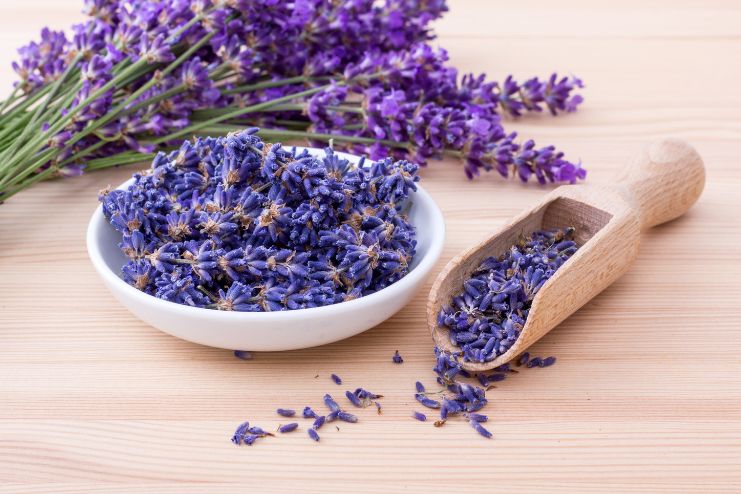
Few herbs are as beloved or versatile as lavender (Lavandula). Known for its soothing scent and beautiful purple blooms, lavender has long been used to ease stress, promote restful sleep, and support skin health.
Why It Works: Lavender’s essential oils contain natural compounds like linalool and linalyl acetate, which interact with neurotransmitters in the brain to help reduce anxiety, lower stress levels, and improve mood. When inhaled, lavender directly affects the limbic system—the part of your brain that regulates emotions and memory. Lavender is also antibacterial and anti-inflammatory, making it useful for skin care.
Brittney uses lavender extract or tea in client formulas “to calm a chattery mind, reduce nausea, gas and bloating, and to support sleep.”
Scent & Experience: Earthy, floral, and slightly sweet, lavender’s scent is instantly recognizable and deeply relaxing. Just a few deep breaths can signal your nervous system to slow down.
How to Use It:
- Tea: Steep 1-2 teaspoons of dried lavender buds in hot water for 5-10 minutes. Cover while steeping to preserve volatile oils. Note: lavender has a strong taste that can taste soapy if too much is used.
- Essential oil: Add a few drops to a diffuser or warm bath for aromatherapy. Dilute with carrier oil for topical application to wrists, temples, or chest.
- Culinary: Add small amounts of culinary-grade dried lavender to baked goods, teas, or infused syrups.
Plant Part Used: All parts of the plant are used, but flowers and buds are most common for their aromatic properties.
Contraindications:
- Pregnant or nursing women should consult healthcare providers before use
- Not recommended for children under age two due to potential skin irritation
- Always perform patch tests for those with sensitive skin or allergies
- May interact with certain medications, especially hormone-sensitive conditions
5. Ginger: Anti-nausea and Anti-Inflammatory
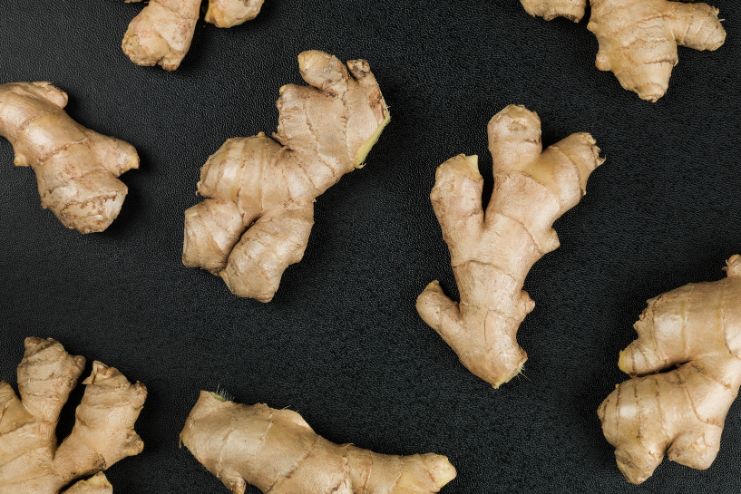
Ginger (Zingiber officinale) is one of the most versatile and well-researched herbs in natural medicine. Known for its warm, spicy flavor and invigorating kick, this knobby root does more than spice up food—it’s a powerful digestive and anti-inflammatory ally.
Why It Works: Ginger contains potent compounds called gingerols and shogaols, which support digestion, reduce inflammation, and increase circulation. It’s especially helpful for nausea, bloating, indigestion, motion sickness, and morning sickness. Ginger also supports the immune system by warming the body and improving circulation, making it invaluable during cold and flu season.
Taste & Experience: Ginger has a bold, spicy flavor with a touch of sweetness. It’s energizing and grounding simultaneously—perfect when you’re feeling sluggish, cold, or heavy after eating.
How to Use It:
- Tea: Slice or grate a small piece of fresh ginger (about 1 inch) and steep in hot water for 10-15 minutes. Add lemon or honey for enhanced flavor and benefits. “For a stronger, more therapeutic remedy, steep covered for a longer period,” recommends Brittney.
- Powder: Add 1/4 to 1/2 teaspoon of dried ginger powder to teas, smoothies, or soups
- Culinary: Use fresh ginger in stir-fries, broths, and marinades for both taste and therapeutic effects
Plant Part Used: The rhizome (underground horizontal stem), which has a peppery, pungent taste and is used fresh, dried, or powdered.
Contraindications:
- Generally safe but may cause mild side effects like heartburn, stomach discomfort, or diarrhea
- Higher doses (over 5 grams daily) increase the risk of side effects
- May increase bleeding risk during pregnancy—consult healthcare providers
- Use with caution if taking blood-thinning medications
Read More: DIY Herbal First Aid Kit: 7 Home Remedies for Common Ailments
Safety Considerations
Herbal medicine can be incredibly effective — but it’s not risk-free. Herbs are powerful, and like conventional medications, they can interact with other drugs or medical conditions. Here’s how to use them safely and responsibly:
Talk to Your Healthcare Provider: Before starting any herbal remedy, consult with your doctor, especially if you’re pregnant, breastfeeding, taking prescription medications, or managing a chronic condition. Avoid self-diagnosing or self-prescribing.
Do Your Research: Get informed about the herbs you’re using. Read about their benefits, potential side effects, and contraindications. Reliable sources include licensed herbalists, naturopathic doctors, and reputable herbal product manufacturers.
Follow Label Instructions Carefully: Always use herbal supplements exactly as directed on the label. Never exceed the recommended dose, and check for warnings about drug interactions or pre-existing health conditions.
Work With a Qualified Expert: Partner with a certified herbalist or registered naturopath who has experience and training in herbal medicine. They can help you choose the right herbs and avoid unnecessary risks.
Watch for Side Effects: Stop using the herb and consult a healthcare provider if you experience:
- Headaches
- Dizziness
- Nausea
- Rash or itching
- Upset stomach
If symptoms persist or worsen, seek medical attention.
Herbal medicine is a powerful tool for wellness, but it works best when used with knowledge, care, and professional guidance.
Read More: 10 Pros and Cons of Alternative Medicine – Is Contemporary Medicine Worthy?
Conclusion
Building your own herbal medicine cabinet is a meaningful step toward natural health and empowered self-care. With the right knowledge and carefully chosen herbs, you can support your body in gentle yet powerful ways—easing stress, boosting immunity, calming digestion, and addressing various health concerns.
Herbal remedies aren’t just about treating symptoms; they’re about nurturing your body’s innate ability to heal itself. Whether you’re sipping calming tea before bed or using botanical oil to soothe skin irritation, herbs help you reconnect with a more grounded, intentional approach to wellness.
You don’t need to be an expert to begin—just curiosity, care, and willingness to learn. As interest in holistic health continues growing, now is the perfect time to explore the benefits of herbal medicine for yourself and your family.

References
- https://experiencelife.lifetime.life/article/medicine-cabinet-makeover
- https://pmc.ncbi.nlm.nih.gov/articles/PMC2995283
- https://www.homeopathypetcoaching.com/the-remedy-room/echinacea
- https://www.banyanbotanicals.com/pages/plants-echinacea-benefits
- https://thocc.org/about/news-press/news-detail?articleId=60994&publicid=461
- https://www.aafp.org/pubs/afp/issues/2007/0401/p1027.html
- https://www.hopkinsmedicine.org/health/wellness-and-prevention/ginger-benefits
- https://www.medicinenet.com/how_do_you_use_ginger_for_nausea/article.htm
- https://pubsapp.acs.org/subscribe/archive/mdd/v05/i04/html/04news4.html
- https://www.stanfordchildrens.org/en/topic/default
- https://www.hopkinsmedicine.org/health/wellness-and-prevention/herbal-medicine
- https://www.nhs.uk/conditions/herbal-medicines
In this Article