













Have you ever been sitting quietly, reading a book, watching TV, or lying in bed, when you suddenly noticed your heart speeding up or slowing down for no clear reason? It can feel unsettling, especially when your body is at rest, but your heart seems to be doing its own thing.
The good news? Mild fluctuations in your resting heart rate are often completely normal. In fact, they can be a sign of a healthy, adaptable cardiovascular and nervous system. Your heart isn’t a metronome; it responds to subtle shifts in your breathing, stress levels, body position, hydration, hormones, and even temperature.
That said, it’s also important to understand what’s normal for you. Learning the difference between healthy variability and patterns that may signal something more serious is key to staying informed and proactive about your heart health.
In this guide, we’ll break down:
- What does your resting heart rate tell you?
- Why might it fluctuate (and when that’s okay)?
- When might changes warrant a visit to your doctor?
So if your heart sometimes skips a beat or races for no reason, read on. You may be surprised to learn how intelligent your heart really is.
What is a Resting Heart Rate?
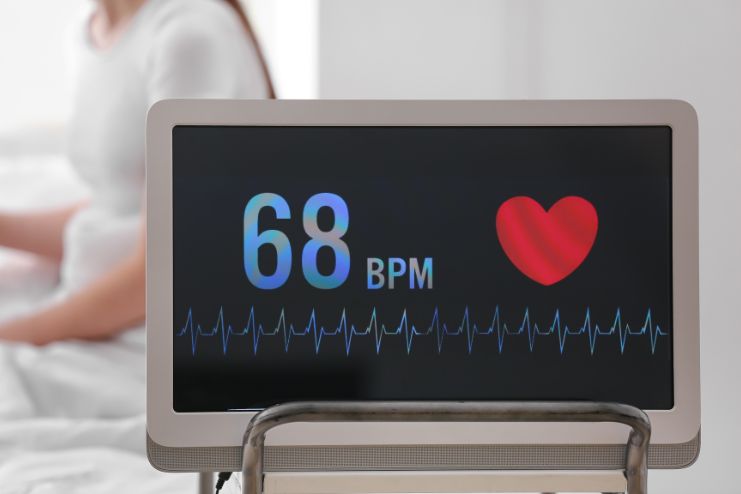
Your resting heart rate (RHR) is the number of times your heart beats per minute when your body is awake but completely at rest, not exercising, not stressed, not digesting a heavy meal. It’s one of the most straightforward, reliable snapshots of your heart health, and a key indicator of how efficiently your cardiovascular system is working when you’re in a relaxed state.
For most healthy adults, a typical resting heart rate falls between 60 and 100 beats per minute (bpm). However, this range isn’t one-size-fits-all. Well-conditioned athletes or highly fit individuals often have resting heart rates as low as 40–60 bpm, a reflection of a strong heart that doesn’t need to beat as often to circulate blood effectively.
On the other hand, a consistently high RHR (above 100 bpm), a condition known as tachycardia, or a very low RHR (below 50 bpm) in non-athletes, called bradycardia, may sometimes indicate an underlying medical issue that requires evaluation.
Several factors can influence your resting heart rate day to day:
- Age: Your RHR may gradually rise with age due to changes in heart tissue or cardiovascular function.
- Fitness level: The more aerobically fit you are, the lower your RHR tends to be over time.
- Stress and emotions: Anxiety, excitement, fear, or even anticipation can cause temporary spikes.
- Body temperature: A fever or being overheated increases your metabolic rate, which in turn raises your heart rate.
- Medications: Drugs like beta-blockers or calcium channel blockers slow the heart rate, while stimulants or decongestants may elevate it.
- Sleep quality and body position: Restlessness, poor sleep, or even how you’re lying down (especially on your left side) can slightly impact your RHR.
Understanding these natural influences can help you interpret your heart’s signals more accurately. Occasional variation is normal, and often, it’s your body simply responding to what it needs in the moment.
The key is to observe your baseline over time and take note of any sustained or unexplained changes, especially if they come with symptoms like dizziness, fatigue, or shortness of breath.
Reasons Your Heart Rate Might Fluctuate at Rest

Noticing your heart rate speed up or slow down while you’re sitting, lying in bed, or simply relaxing can feel confusing, even alarming. But in many cases, these fluctuations are completely normal and simply reflect your body’s built-in adaptability. Here’s a breakdown of the most common and often harmless reasons behind these shifts:
1. Natural Heart Rate Variability (HRV)
Your heart doesn’t tick like a mechanical clock. Even when you’re perfectly still, the time between each heartbeat changes slightly, a phenomenon known as heart rate variability (HRV).
This natural variability is actually a sign of a resilient and responsive nervous system. HRV reflects the dynamic balance between:
- Your sympathetic nervous system (fight-or-flight), and
- Your parasympathetic nervous system (rest-and-digest)
The higher and more flexible your HRV, the better your body can handle emotional, physical, and environmental stress. So, when your resting heart rate subtly rises and falls throughout the day, or even from breath to breath, it’s often a marker of good health, not a warning sign.
2. Emotional Stress or Anxiety
Even if your body is at rest, your mind might not be. Emotions directly influence your heart rate through the autonomic nervous system. Feelings like worry, anticipation, or anxiety can activate your sympathetic response, causing your heart to race even when you’re simply sitting on the couch.
If you’re someone who experiences frequent anxiety or panic attacks, these sensations might be more noticeable, sometimes showing up as palpitations, fluttering, or a quickened pulse at rest. Occasional stress-induced fluctuations are common, but if they become disruptive, it’s worth speaking with a mental health professional or doctor.
3. Caffeine, Dehydration, or Medications
Your heart responds quickly to what you consume, even hours after the fact. Here’s how:
- Caffeine, a stimulant found in coffee, tea, energy drinks, and even dark chocolate, can temporarily increase your heart rate, especially if consumed in large amounts or if you’re particularly sensitive to it.
- Dehydration causes a drop in blood volume, making the heart beat faster to maintain circulation.
- Medications like decongestants (pseudoephedrine), certain thyroid drugs, or antidepressants can elevate heart rate. Conversely, medications like beta-blockers or some sedatives are designed to slow it down.
A 2017 crossover study found caffeine delayed post-exercise heart rate and blood pressure recovery in young adults by reducing parasympathetic reactivation and suppressing sympathetic nerve activity for up to 60 minutes.
If you’ve recently changed your medication, hydration habits, or caffeine intake, noticing variations in your resting heart rate is completely normal.
4. Sleep Cycle and Body Position
Your heart rate fluctuates significantly while you sleep, especially during REM sleep, the dream-rich stage of your cycle. It can temporarily rise to levels similar to waking hours, something that may feel jarring if you wake up mid-dream or from a nightmare.
Even your position while resting can impact your heart rate. Lying flat, especially on your left side, shifts your internal anatomy slightly and may mildly increase heart rate in some people. Shifting positions, stretching, or waking suddenly can all cause brief, noticeable spikes.
5. Hormonal Changes
Hormones quietly but powerfully influence how your heart behaves, even at rest.
- Menstrual cycle fluctuations, especially in estrogen and progesterone levels, can cause noticeable changes in resting heart rate, particularly in the days leading up to menstruation.
- Pregnancy increases blood volume and cardiac demand, which can raise resting heart rate by 10–20 bpm.
- Menopause may trigger palpitations or irregular rhythms due to declining estrogen.
- Thyroid hormones are direct regulators of your heart’s rhythm:
- Hyperthyroidism (overactive thyroid) can cause a racing heart.
- Hypothyroidism (underactive thyroid) often slows the heart rate.
If you’re experiencing other symptoms like fatigue, weight changes, or mood shifts along with heart rate fluctuations, it may be worth checking your hormone levels.
When is Fluctuation a Red Flag?

While occasional resting heart rate changes are normal, certain patterns or accompanying symptoms can signal a more serious issue. Pay attention if you notice:
- Consistently high or low resting heart rate – A heart rate above 100 bpm (tachycardia) or below 50 bpm (bradycardia) when you’re not an athlete should be evaluated, especially if persistent.
- Dizziness or lightheadedness – Feeling faint with changes in heart rate can signal insufficient blood flow to the brain.
- Shortness of breath or chest pain – These are signs you should seek medical care immediately, as they could indicate heart rhythm problems or other cardiovascular conditions.
- Fainting or near-fainting episodes – This suggests your heart may not be pumping effectively.
- Irregular heartbeats or pronounced palpitations – Skipped beats, rapid fluttering, or irregular rhythms can be signs of arrhythmias like atrial fibrillation.
Some conditions to consider if you have these symptoms include arrhythmias (irregular heartbeats), thyroid disorders, electrolyte imbalances, or heart disease.
You’re at higher risk if you have a history of heart disease, diabetes, high blood pressure, or other chronic illnesses. In these cases, don’t ignore persistent changes; speak with your doctor.
How to Monitor Your Heart Rate (Accurately)

Keeping an eye on your resting heart rate can help you catch changes early and track your overall health.
Best time to check: In the morning, right after you wake up and before getting out of bed. This provides a consistent baseline when you’re fully rested and not stressed.
How to check manually:
- Find your pulse on your wrist or neck.
- Count the beats for 30 seconds.
- Double the number for beats per minute (bpm).
Using wearables: Devices like fitness trackers and smartwatches offer continuous heart rate monitoring. While not perfect, they’re accurate enough for tracking trends over time. However, factors like loose straps, tattoos, or certain skin tones can affect optical sensor accuracy.
What to focus on: Trends are more important than one-off spikes. If your average resting heart rate is rising or falling consistently over days or weeks, it could reflect changes in fitness, illness, or stress levels.
Tips to Promote a Healthy Resting Heart Rate

If you’ve noticed your resting heart rate trending higher than usual, or you simply want to support long-term cardiovascular health, small lifestyle changes can make a big impact. Your heart is highly responsive to how you live, move, eat, and rest.
Here’s how to gently guide it into a healthier rhythm:
1. Exercise Regularly
Engaging in aerobic activity strengthens your heart, allowing it to pump more efficiently with less effort, leading to a naturally lower resting heart rate over time.
- Aim for at least 150 minutes of moderate exercise (like brisk walking, swimming, or cycling) or 75 minutes of vigorous activity (like running or HIIT) each week.
- Even light movement, like stretching or walking after meals, helps reduce overall cardiovascular strain.
Consistency is key. You don’t need to train like an athlete to see heart benefits, just move regularly and intentionally.
2. Manage Stress Mindfully
When you’re chronically stressed, your body stays in “fight-or-flight” mode, keeping your heart rate elevated. By calming your nervous system, you invite your heart to relax too.
Try:
- Deep breathing exercises.
- Meditation or mindfulness apps.
- Yoga or tai chi.
- Spending time in nature or with loved ones.
Even just 5–10 minutes of daily stress relief can begin shifting your baseline heart rate toward a healthier range.
3. Limit Stimulants
Substances like caffeine (found in coffee, tea, and energy drinks) and nicotine (from smoking or vaping) stimulate your nervous system and can raise your resting heart rate.
- Try to reduce intake gradually if you’re sensitive to caffeine.
- Avoid these stimulants, especially in the afternoon or evening, when your body should be winding down.
Becoming more mindful of what you consume helps regulate not just your heart rate, but also your sleep and stress levels.
4. Stay Well Hydrated
Even mild dehydration causes a drop in blood volume, making your heart beat faster to compensate. Proper hydration keeps your circulatory system running smoothly.
- Aim for 6–8 glasses of water per day, more if you’re active or live in a hot climate.
- Don’t wait to feel thirsty, by then, you may already be dehydrated.
Clear or pale-yellow urine is a good indicator that you’re well hydrated.
5. Prioritize Restorative Sleep
Sleep is when your body, and especially your heart, repairs and resets. Poor or insufficient sleep disrupts hormone levels, increases stress responses, and elevates resting heart rate.
- Aim for 7–9 hours of quality sleep per night.
- Stick to a regular bedtime and wake-up schedule.
- Limit screen time before bed and create a calm, dark sleep environment.
A rested body equals a calmer heart.
These changes may seem small, but together they train your heart to rest more efficiently and beat with balance. A lower, more stable resting heart rate is a powerful sign of resilience, not just physically, but emotionally too.
Your heart’s rhythm is a reflection of how you live. Treat it gently, and it will return the favor.
Final Thoughts
It’s easy to panic when your heart seems to change its rhythm without warning, especially when you’re at rest. But here’s the truth: your heart isn’t betraying you. It’s communicating with you.
Mild fluctuations in resting heart rate are often a sign of life, not a threat, evidence that your body is responding, adjusting, and keeping you safe. Your heart reacts to everything from your thoughts and emotions to your hydration, sleep, and hormones. And that’s a good thing. That means it’s paying attention.
The key is not to fear these changes, but to understand them. Learn what your normal looks like. Track patterns instead of obsessing over single moments. Get curious about what influences your rhythm, stress, caffeine, sleep, even joy, and use that insight to care for yourself more intentionally.
Most of all, remember: Your heart rate is a guide, not a threat. A reflection, not a verdict. A messenger, not your enemy.
So listen with compassion. Trust your intuition. And if something feels persistently off, don’t hesitate to ask for help. Because honoring what your heart is telling you isn’t a weakness, it’s one of the strongest things you can do for your health.

References
- https://www.heart.org/en/health-topics/high-blood-pressure/the-facts-about-high-blood-pressure/all-about-heart-rate-pulse
- https://www.mayoclinic.org/healthy-lifestyle/fitness/expert-answers/heart-rate/faq-20057979
- https://www.healthdirect.gov.au/resting-heart-rate
- https://www.health.harvard.edu/heart-health/what-your-heart-rate-is-telling-you
- https://my.clevelandclinic.org/health/diagnostics/heart-rate
- https://www.henryford.com/blog/2019/09/resting-heart-rate-says-about-you
- https://en.wikipedia.org/wiki/Heart_rate
- https://www.hopkinsmedicine.org/health/wellness-and-prevention/heart-rhythms-whats-normal-versus-cause-for-concern
- https://www.heart.org/en/health-topics/high-blood-pressure/the-facts-about-high-blood-pressure/all-about-heart-rate-pulse
- https://www.physio-pedia.com/Heart_Rate
- https://www.heart.org/en/news/2021/02/10/watch-your-heart-rate-but-dont-obsess-about-it
- https://health.clevelandclinic.org/does-your-blood-pressure-fluctuate-widely-heres-why-you-need-to-pay-close-attention
- https://www.businessinsider.nl/a-dangerous-heart-rate-involves-more-than-just-your-bpm-here-are-red-flags-that-somethings-wrong
- https://pmc.ncbi.nlm.nih.gov/articles/PMC5658389/
In this Article