













If you suddenly or gradually experience jaw pain on one side of your face, it’s natural to worry about what might be causing your discomfort. While jaw pain isn’t always a serious problem, it can sometimes signal a significant medical issue.
Depending on the cause, you may need to visit the nearest emergency room immediately, or you may be able to wait to see your dentist. For women, especially, jaw pain on one side may indicate a heart attack.
The jaws, teeth, and neck can occasionally be affected by the symptoms of a heart attack or other cardiac event. This condition is not limited to the left side; it may also occur on the right side, particularly in women, according to Dr. Steven Bender, director of the Center for Facial Pain and Sleep Medicine at Texas A&M College of Dentistry, and a clinical assistant professor.
While men typically experience crushing chest pain, women are more prone to less obvious symptoms like nausea, shortness of breath, fatigue, and jaw discomfort.
Understanding the warning signs of jaw discomfort will help you take prompt action and seek emergency medical attention when necessary
Read More: 8 Sleep Essentials for Heart Health: Products to Improve Your Sleep Quality
Can Jaw Pain Be a Symptom of a Heart Attack?
Yes, jaw pain can be a symptom of a heart attack. However, jaw pain is not a direct result of heart problems. Instead, discomfort from heart issues might be felt in the jaw rather than the chest—a phenomenon known as “referred pain.”
Women may exhibit several heart attack symptoms that are not readily apparent. Upper back, left arm, and jaw pain are among the “silent heart attack” symptoms. Since women may experience different heart attack symptoms than men, it’s critical to understand these signs and how to recognize them.
We often mistakenly believe that sudden, excruciating chest pain accompanied by nausea and sweating is the only heart attack symptom. While these symptoms are common and usually cause for concern, heart attacks can also manifest in other, less obvious ways, particularly in women.
Four out of ten heart attack patients report orofacial pain, which may affect the jaw as well as other areas of the mouth or neck.
According to Robert T. Rogers, APRN, Norton Heart & Vascular Institute Heart Rhythm Center nurse practitioner, “Patients, especially women, will frequently experience pain in the shoulder, arms, neck, and jaw, or parts of the upper back, including between the shoulder blades.” “Even though the pain in these body parts might have nothing to do with the heart, heart attacks frequently cause these kinds of symptoms.”
Left vs. Right Jaw Pain: Does the Side Matter?
The location of jaw pain can offer important insight into whether it’s linked to a potential heart attack.
Left Jaw Pain and Heart Attack:
Left-sided jaw pain more commonly indicates a heart attack. Heart pain may be “referred” to the left arm, shoulder, or jaw because the heart nerve pathways favor the left side of the body. This could signal angina or even indicate a possible heart attack.
Although this symptom can affect both men and women, jaw discomfort is more common in women and can be a warning sign of a heart attack. Call your doctor if you experience persistent jaw pain, worsening jaw pain, or any other warning signs of a heart attack, such as nausea or difficulty breathing.
Right Jaw Pain: Less Common but Still Possible:
While doctors don’t classically associate right jaw pain with heart attacks, they cannot rule it out if it’s accompanied by chest tightness, fatigue, or difficulty breathing. Right jaw pain is usually caused by dental issues or musculoskeletal problems.
However, if you’re uncertain or if it’s accompanied by other possible cardiac symptoms, seek medical evaluation to rule out serious causes.
Read More: How to Detect Silent Heart Attacks and Reduce Your Risk
Other Accompanying Symptoms to Watch For

Heart attack symptoms can vary significantly. Some people have mild symptoms, while others experience severe ones. Some people don’t exhibit any symptoms at all.
Typical signs of a heart attack include:
- Sensation of pressure, tightness, pain, squeezing, or aching in the chest
- Pain or discomfort that radiates to the jaw, teeth, neck, shoulder, arm, back, and occasionally the upper abdomen
- Cold sweating
- Fatigue
- Indigestion or heartburn
- Sudden dizziness or lightheadedness
- Nausea
- Shortness of breath
Women may experience atypical symptoms, including sudden, intense pain in the back, arm, or neck. Sudden cardiac arrest can occasionally be the initial symptom of a heart attack.
Some heart attacks happen suddenly. However, many people exhibit symptoms and warning signs for hours, days, or even weeks beforehand. An early warning sign could be persistent chest pain or pressure (angina) that doesn’t improve with rest.
Non-Cardiac Causes of Jaw Pain (When It’s Not a Heart Attack)

Millions of Americans suffer from jaw pain, which is a common problem. Jaw pain is an ache, stiffness, or pain in the jawbone or the area surrounding your ears. It can range from mild to severe and negatively impact your quality of life.
Various conditions can cause jaw pain, including toothaches, gum disease, and teeth grinding. Jaw pain may occasionally indicate more serious issues, such as a fractured or dislocated jaw.
Temporomandibular joint (TMJ) disorders frequently cause jaw discomfort. Other common causes include:
Arthritis: Osteoarthritis and other forms of arthritis may cause the smooth surface between joints to deteriorate, creating friction that can cause bone pain. Inflammatory diseases such as psoriatic arthritis, rheumatoid arthritis, and synovitis also cause joint inflammation. Pain may occur if these disorders affect the jaw joint.
Bruxism: Frequent teeth grinding can lead to jaw discomfort by straining the muscles and affecting the temporomandibular joint.
Dental Conditions: Gum disease, cavities, tooth gaps, broken teeth, and abscesses can cause jaw pain.
Vascular Conditions: Jaw pain may occasionally result from vascular system issues. Angina and temporal arteritis (also known as giant cell arteritis) are vascular disorders that can cause jaw pain.
Mumps: This infectious condition can cause jaw pain because it makes your salivary glands swell. Your salivary glands are located between your jaw and ears.
Infections: Bacterial infections such as sinusitis or tetanus (lockjaw) can cause jaw discomfort.
Read More: 10 Warning Signs A Month Before Heart Attack – Stay Alert!
Diagnosis and What to Expect at the ER
Heart disease ranks as the leading cause of death for both men and women in the United States. Every year, approximately 805,000 Americans suffer a heart attack. Recognizing the warning signs and getting prompt emergency care can significantly increase the likelihood of survival and recovery.
Hospital emergency departments provide 24-hour care because emergencies can occur at any time. We understand that going to an emergency room isn’t always anticipated and can be frightening.
Many people find it challenging to know when to seek emergency care. However, the signs of a heart attack are not always obvious. For instance, it can be difficult to determine whether symptoms result from heartburn or a heart emergency.
Emergency rooms prioritize treatment based on the severity of conditions. If you arrive with heart attack symptoms, they’ll see you immediately. Physicians will work to address the issue, alleviate your symptoms, and confirm your diagnosis.
Your evaluation may include:
- Medical history review
- Physical examination
- Intravenous fluids (IV)
- An electrocardiogram (EKG) to diagnose a heart attack
- Continuous EKG monitoring to check for arrhythmias or irregular heartbeats
- Blood tests to confirm a heart attack
- Medications including oxygen, nitroglycerin, aspirin, and clot-busting drugs
Be prepared to answer questions about:
- Your symptoms and pain
- Past and current health issues, including any history of heart disease
- Risk factors
- Lifestyle choices, such as drinking, smoking, or recreational drug use
- Current medications, including over-the-counter and prescription drugs
- Herbal and dietary supplements you’re taking
- Any allergies, particularly to medications
Preventive Steps for Heart Health
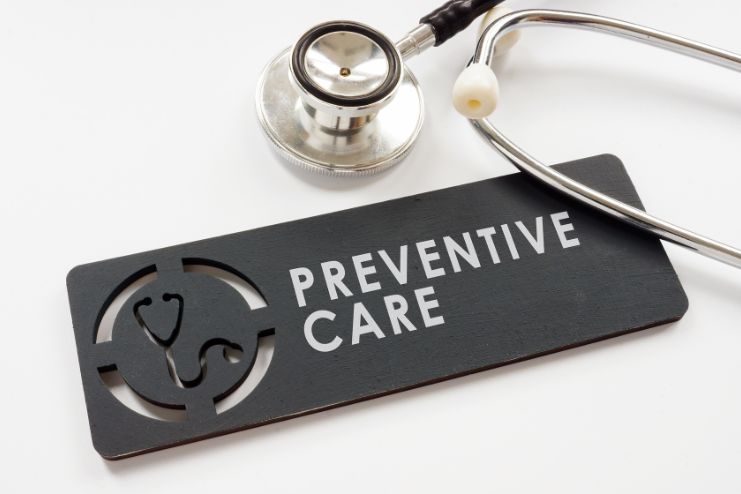
Heart disease refers to several heart disorders. Coronary artery disease is the most common type of heart disease in the United States, affecting blood flow to the heart. Inadequate blood flow can result in a heart attack.
Fortunately, there are steps you can take to help prevent heart disease through lifestyle decisions and monitoring your body’s health metrics:
Pay Attention to What You Eat and Drink: A balanced diet is vital for your body and heart. It should include lean proteins, fruits, vegetables, whole grains, low-fat dairy products, and nuts. Foods that are low in cholesterol, trans fats, and saturated fat and high in fiber can help prevent high cholesterol. Limiting sugar and salt can help prevent or manage diabetes and lower blood pressure.
Maintain a Healthy Weight: Obesity and excess weight increase the risk of heart disease by straining the heart and blood vessels. Use a BMI calculator to determine your Body Mass Index.
Maintain an Active Lifestyle: Research has demonstrated that exercise can reduce blood pressure, cholesterol, and body weight while enhancing energy and reducing stress. Aim for moderate exercise for 30 minutes daily, five days a week. Choose activities you enjoy, such as hiking, dancing, gardening, running, or walking your dog.
Monitor Your Cholesterol: You should have blood tests to determine your cholesterol levels every four to six years. If you have high cholesterol or a family history of high cholesterol, you should have your levels checked more frequently. Discuss with your doctor when you should get this simple blood test.
Control Your Diabetes: If you have diabetes, regular blood sugar monitoring is very important. Discuss diabetes management strategies with your healthcare physician. They might suggest lifestyle modifications to help you maintain control over your blood sugar, which can prevent heart disease.
Read More: Monitoring Heart Health at Home: 7 Essential Devices You Need
When to See a Doctor or Call Emergency Services

Many conditions can cause jaw pain, but you should never overlook certain warning signs. Sudden, severe jaw pain that radiates to the shoulder, neck, arm, or chest, usually on the left side, is a sign of a potential heart attack.
The situation becomes even more concerning if you experience other symptoms of heart problems, such as nausea, lightheadedness, shortness of breath, a sensation of pressure in the middle of the chest, or sudden weakness.
Pain that doesn’t improve with rest, changes in jaw position, or over-the-counter medication is also a red flag. This suggests that the issue may be related to your heart rather than your teeth or muscles.
Rather than waiting, call emergency services immediately. Taking quick action can save lives, reduce heart damage, and improve the chances of complete recovery.
Read More: Women’s Heart Health: Tips for Prevention and Early Detection
Conclusion
Take jaw pain seriously, especially on the left side, as it could be a precursor to a heart attack. It’s easy to mistake this pain for a pulled muscle or dental problem, but you need to be aware of the possibility of something more serious.
This is especially crucial if you are over 40 and have known risk factors such as high blood pressure, high cholesterol, diabetes, or a family history of heart disease. You’ll know it’s time to seek help when jaw pain is accompanied by fatigue, nausea, shortness of breath, or chest tightness.
Early treatment saves lives. Don’t gamble on the pain disappearing or wait for more classic symptoms to develop. If the pain is unexplained or sudden, especially if accompanied by other cardiac symptoms, seek medical attention immediately.

References
- https://health.tamu.edu/experts/steven-bender.html
- https://vitalrecord.tamu.edu/detecting-a-different-kind-of-jaw-pain
- https://nortonhealthcare.com/news/shoulder-jaw-and-neck-pain-signs-of-heart-attack/
- https://my.clevelandclinic.org/health/symptoms/24447-jaw-pain
- https://www.sleepbetterdoylestown.com/forum/65-plus/what-is-the-link-between-jaw-pain-and-heart-attack
- https://www.honorhealth.com/medical-services/cardiac-care/heart-health/heart-attack-symptoms-and-warning-signs
- https://www.mayoclinic.org/diseases-conditions/heart-attack/symptoms-causes/syc-20373106
- https://www.heart.org/en/health-topics/heart-attack/warning-signs-of-a-heart-attack
- https://www.mayoclinic.org/diseases-conditions/heart-attack/symptoms-causes/syc-20373106
- https://my.clevelandclinic.org/health/symptoms/24447-jaw-pain
- https://www.webmd.com/heart-disease/what-to-expect-in-the-er
- https://www.emergencyphysicians.org/article/know-when-to-go/heart-attack
- https://www.cdc.gov/heart-disease/data-research/facts-stats/index.html
- https://www.heart.org/en/health-topics/heart-attack/life-after-a-heart-attack/lifestyle-changes-for-heart-attack-prevention
- https://www.mayoclinic.org/diseases-conditions/heart-disease/in-depth/heart-disease-prevention/art-20046502
In this Article