














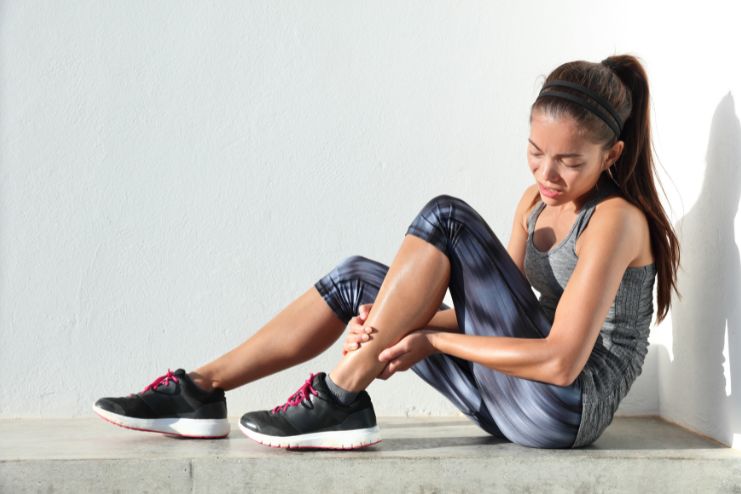
Muscle pain usually starts after working out and is often referred to as delayed-onset muscle soreness (DOMS). Typically, it occurs one to two days after exercise. You won’t have DOMS while working out.
Muscle soreness can affect anyone, whether they’re just starting out or have been exercising consistently but have recently increased the intensity, duration, or variety of their workouts.
Acute muscle soreness, which occurs during or immediately after exercise, differs from delayed-onset muscle soreness (DOMS). This immediate discomfort—often described as a burning feeling—is caused by the buildup of metabolic byproducts in the muscles during intense physical activity. Once or soon after you stop exercising, it usually goes away.
Tightness and tenderness in the muscles are prevalent symptoms of DOMS, which usually begin the day after an exercise. The following article will examine scientifically supported strategies for reducing DOMS without sacrificing gains.
Read More: Relief at Your Fingertips: 6 Topical Pain Relief Creams for Joint and Muscle Discomfort
What Is DOMS and Why Does It Happen?
This week, do you find it difficult to walk after working out? You’re likely suffering from delayed onset muscle soreness, or DOMS.
Muscle fever, also known as delayed-onset muscle soreness (DOMS), is a sore, aching, and uncomfortable sensation in the muscles that occurs after intensive exercise that is new or unfamiliar.
Experts believe that inflammation and transient muscle injury, often caused by eccentric activities, are the primary sources of this soreness. Restoring muscular strength and performance levels may depend on preventing and controlling DOMS and then recovering from exercise-induced muscle damage (EIMD), which may require implementing recovery techniques following exercises that elicit DOMS.
DOMS is classified as a type 1 muscular strain injury, with a 12—to 24-hour pain-free interval and a 24—to 72-hour peak discomfort period.
A New York-based physical therapist named Robert Andrews, DPT, told Health that employing more resistance than your body is accustomed to, such as utilizing larger weights or a thicker resistance band, could cause DOMS.
Common Triggers for DOMS
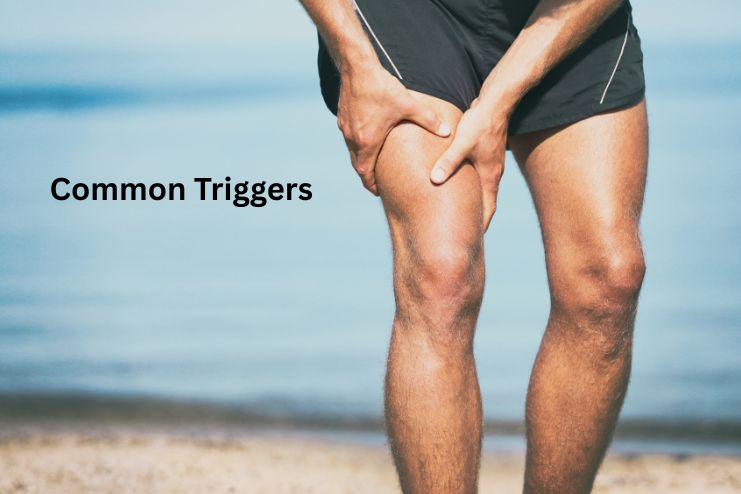
The specific cause of DOMS is unknown. Researchers have suggested that inflammation, muscular injury, spasms, and damage to connective tissue are potential causes.
Exercise, for instance, has been shown to produce acute muscular injuries. The severity of the soreness tends to rise with more intense workouts. As your muscles heal from the strain, the discomfort you feel may also become more pronounced.
To generate DOMS, you must engage your muscles at a level that is unfamiliar to them to create enough microtrauma. Even if you are incredibly fit, increasing the intensity of your workouts may put you at greater risk.
Micro-trauma may also result from eccentric exercise, which occurs when you tense your muscles while they are lengthened. Eccentric exercises include squats, where you descend very slowly and rise regularly. Certain motions harmed your muscles more than others.
Exercises using eccentric contractions may increase the likelihood of DOMS. During these activities, a muscle simultaneously contracts and extends.
The following factors may impact DOMS:
- Muscular stiffness
- Contraction angle
- Fatigue
- Contraction velocity
Read More: Soothe Sore Muscles: 7 Top-Rated Massage Guns for Post-Workout Recovery
Myth-Busting: No Pain ≠ No Gain
There is a widespread misunderstanding that greater pain during training and exercise equates to greater muscle growth or other physical advantages. You can be hurting yourself more than you realize if you approach your training program with the mentality that there is “no pain, no gain.” Here’s how ignoring the pain can exacerbate pre-existing injuries and result in new ones.
According to a military report, cumulative microtrauma accounts for more than 75% of all injuries sustained by active duty service members.
You can run the risk of suffering a serious injury if you disregard your pain during training or exercise. Chronic harm could result from pushing through pain that is higher than a three on a pain scale of 1 to 10. You can prevent the following frequent overuse injuries by being aware of your degree of pain:
- Achilles tendonitis
- The wrist’s carpal tunnel syndrome
- Tennis elbow
- Golfer’s elbow
- Jumper’s knee
- Little League elbow
- Small league shoulder
It’s also crucial to distinguish between your discomfort and actual pain. For instance, while muscle pain may feel more pronounced during exercise and at rest, muscles that are injured may feel more tender and constricted.
Prevention Tips: How to Reduce DOMS Without Sacrificing Results

If you’re starting to work out again after a lengthy break or pushing your workout regimen to a new level, you may realize that this increased activity level comes with a price. Muscles that hurt.
Anguish where you’ve never experienced it before! Any increase in the intensity of your workout and exercise regimen may result in Delayed Onset Muscle Soreness (DOMS), a normal bodily reaction that, despite its occasional discomfort, is nothing to be alarmed about.
DOMS can be detrimental and are not always a sign of a successful workout. DOMS is a typical bodily reaction to vigorous or any new exercise. Some behaviors may lessen its severity, help prevent it, or reduce its duration. Among them are:
1. Warm Up Properly
Warming up properly before a workout is one of the easiest and most efficient strategies to lower DOMS. Begin with 5–10 minutes of easy cardio to increase your heart rate and start blood flowing to your muscles. Dynamic stretches, such as arm circles and leg swings, should follow next.
Warming up before exercising helps people prepare physically and mentally for their activity. Static and dynamic stretching may increase the range of motion by stimulating the connections between the muscles and nerves. However, there is currently a lack of strong evidence supporting the idea that warming up reduces delayed-onset muscle soreness (DOMS).
Read More: 18 Natural Muscle Relaxers – Bid Adieu to Muscle Pain and Cramps
2. Cool Down & Stretch After Workouts
Just as warming up prepares your body for physical activity, cooling down enables both your body and mind to gradually return to a relaxed, resting state. After working out, people frequently cool off with static or dynamic stretches.
According to a 2018 review published in Sports Medicine, active cooldowns may hasten respiratory and cardiovascular recovery, thereby encouraging a state of serenity that some may find advantageous. However, according to an analysis, they do not prevent muscle discomfort or recovery.
3. Incorporate Active Recovery
You don’t have to spend your rest days lounging on the couch. Light exercise can help alleviate DOMS and accelerate recovery. Active recuperation can help with this. One of the most effective strategies to avoid DOMS is active recovery. Low-intensity exercise while your muscles are still warm after a workout is known as “active recovery.”
It might involve something gentle like a casual swim or an easy-paced jog. The objective is to improve the blood flow to the muscles without overtaxing them. It will hasten the healing process and lessen inflammation. Therefore, the next time you’re experiencing DOMS pain, try active recovery and begin moving instead of just sitting around!
4. Stay Hydrated & Nourished
The foods you eat before and after working out extensively impact how quickly your muscles recover. Maintaining adequate hydration promotes healthy circulation and keeps muscle tissues supple, which in turn reduces inflammation and cramps.
Staying hydrated during your workout is essential because electrolyte deficiency can lead to muscular discomfort. Hydration is far more crucial and effective than just soothing your thirst because your muscles work harder, requiring more oxygen and blood to pump around. Water makes up almost 82% of blood volume.
A simple method of staying hydrated is to keep a water bottle with you during your workouts and drink water after each set or every five minutes of cardio, such as on a treadmill.
Read More: Nordic Curls – The Secret Exercise for Bulletproof Hamstrings
5. Progress Gradually
People most often attribute DOMS to the rapid start of a workout program, especially when beginning a new routine or resuming regular exercise after a prolonged period of inactivity. While dedication is commendable, if you push too hard too soon, your muscles will fatigue excessively, and the recovery period afterward will be prolonged, hindering your long-term goals.
A better approach is to follow the “10% rule,” which means raising your training intensity, weight, or volume by no more than 10% per week to avoid injury and promote steady progress.
This way, you build your muscles without overstressing or overstretching them while allowing your body to adapt. Instead of big jumps, focus on small, steady steps. This is especially important if you are starting an exercise regimen or have recently returned to activity after an injury.
6. Use Recovery Tools Wisely
To protect yourself from DOMS, try improving your blood flow. One way to do this is to work out any tightness or knots in your muscles with a massage ball or foam roller.
Another option is to practice yoga or light stretching. Finally, you can take a warm bath or use a heating pad on the sore muscles. These activities can help combat DOMS, as they increase circulation.
Increased circulation provides the muscles with more oxygen and nutrients, which aids the recovery process. The quicker your sore muscles recover, the less time you must endure the frustrating pain of DOMS.
7. Optional: Cold Therapy or Contrast Showers
Cold therapy (ice baths, icy plunges, cryotherapy, etc.) has become more popular due to its promise of reducing muscle soreness and inflammation. A trick that may help reduce soreness and improve circulation is using contrast showers, alternating between hot and cold water.
Some research suggests that exposure to cold has a reduction effect on soreness, especially after vigorous exercise. However, habitual cold therapy can also impede long-term muscle growth and adaptation by impairing the inflammatory processes responsible for adaptation.
Therefore, cold therapy should be protected and employed occasionally (e.g., after a highly taxing workout, during deload weeks, or during competition).
Read More: The Link Between Flexibility and Longevity – How to Keep Your Body Young
Supplements That May Help DOMS (Evidence Varies)
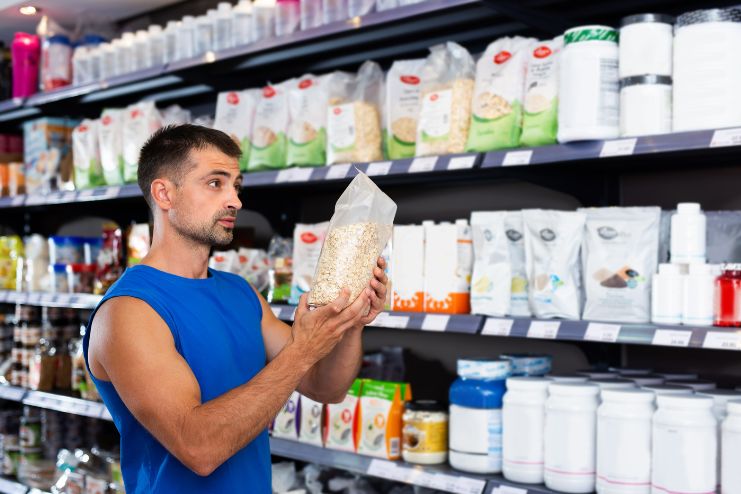
It’s not just about training. Nutrition is crucial if you want to increase your muscular mass, strength, or athletic ability. Additionally, some nutrients are necessary for your muscles to heal. It enables them to recover from the harm that training inevitably causes and return stronger.
Eating a balance of nutrient-dense whole meals will help you acquire the necessary nutrients for muscle rehabilitation. However, vitamins can help you compensate for any dietary deficiencies. Following intense exercise, they can also help you obtain adequate amounts of specific nutrients.
Curcumin: The main ingredient in turmeric is curcumin, which is also present in supplements. It contains anti-inflammatory and antioxidant properties in the body.
150–1,500 mg of daily curcumin supplementation decreased perceived muscular discomfort, lowered creatine kinase levels (a blood enzyme that indicates muscle damage), and improved muscle function, according to a 2020 review published in Nutrition. The review included data from 11 studies with 237 participants.
Creatine: Creatine is an amino acid. Your body naturally produces about 1 g of creatine each day, and you consume about the same amount from your diet. The majority of the creatine is then stored as energy in your skeletal muscles.
During the first few seconds of vigorous activity, your muscles consume creatine. Increasing the creatine your muscles receive from supplements can enhance their output during exercise. It may also ease muscle soreness, lower inflammation, and promote faster recovery after exercise.
Omega-3 Fatty Acids: Your body uses these good fats to produce energy and develop new cells. Because they reduce inflammation, they are typically considered healthier than other fats (including saturated and trans fats). Thus, omega-3 fatty acids help relieve muscular pain after exercise.
According to sports dietitian Hillary Ake, RD, CSSD, “It appears that omega-3 fatty acids must be in your body before exercise for them to be most effective.” Eating a diet high in omega-3 fatty acids or taking a fish oil supplement daily is more beneficial than taking a supplement right after working out.
Tart Cherry Juice and Supplements: Sweet and tart cherries are two main varieties. People frequently dry and powder tart cherries to encapsulate them as a source of vitamins, while they usually consume sweet cherries fresh.
The antioxidants in tart cherries work as a vasodilator, or blood flow enhancer, reducing muscle damage and aiding in recuperation. Thanks to the increased blood flow, the impacted muscles receive the oxygen and nutrients they need to heal.
When Soreness Is a Red Flag
After exercising, it is common to experience mild to severe soreness. While some symptoms are normal, others should not be overlooked. Localized swelling, intense or stabbing pain, and soreness lasting longer than 5 to 7 days could indicate a muscular strain, overtraining, or, in rare situations, a potentially dangerous condition such as rhabdomyolysis.
Knowing the difference between being injured and feeling challenged is critical. Instead of feeling sharp and immobilizing, normal DOMS (Delayed Onset Muscle Soreness) feels achy and dull.
Read More: Does Foam Rolling Really Help Recovery? What The Science Says
Conclusion
You do not have to suffer day in and day out to get stronger. Some pain is unavoidable every time you work out your muscles, but excessive pain will definitely hamper your progress and drain your will to keep going. Genes do not drive recovery; you can quickly learn the recovery skill. Active recovery, smart nutrition, progressive adaptation, effective warm-ups, and cool-downs are all key to minimizing DOMS without sacrificing performance.
Adopting these evidence-based strategies can help you improve, save yourself unnecessary misery, and train more effectively. Not hurting does not necessarily mean you’re not training hard; it means you’re training effectively.
References
- https://www.healthline.com/health/doms
- https://www.medicalnewstoday.com/articles/delayed-onset-muscle-soreness#symptoms
- https://www.physio-pedia.com/Delayed_Onset_Muscle_Soreness
- https://www.health.com/fitness/delayed-onset-muscle-soreness-doms
- https://www.hss.edu/profiles/rehab/robert-andrews
- https://www.methodisthealthsystem.org/press-releases/2020/june/busting-the-myth-of-no-pain-no-gain-/
- https://www.health.mil/News/Dvids-Articles/2024/09/19/news480476
- https://www.technogym.com/us/newsroom/5-tips-beat-doms-workout/
- https://www.insidetracker.com/a/articles/supplements-for-workout-recovery
- https://examine.com/outcomes/muscle-soreness/
- https://www.goodrx.com/well-being/supplements-herbs/best-supplements-for-muscle-recovery
In this Article