














Water sustains life by keeping our cells hydrated, aiding digestion, regulating temperature, and removing toxins. But is drinking water before bed a good idea? While some believe a glass of water at bedtime helps them sleep well, others experience sleep disruptions as a result.
Dr. Jessica Vensel Rundo, MD, MS, a sleep disorder specialist, emphasizes the importance of maintaining proper hydration before bed. However, the decision isn’t as straightforward as it may seem. While it’s necessary to prevent dehydration—which can negatively impact your overall well-being and sleep quality—overindulging in water intake before sleeping can disrupt your sleep pattern by causing frequent nighttime bathroom trips.
This article explores the pros and cons of drinking water at night, optimal timing and amounts, and expert advice to help you make the best decision for your health.
Read More: Have You Been Drinking Water After Meals? Science Says it Might Not Be a Favourable Option
The Benefits of Drinking Water Before Bed
Drinking water before bed offers benefits that extend far beyond quenching thirst. Proper hydration before sleep can improve heart and brain function, enhance skin radiance, and help you awaken feeling refreshed.
- Maintains Proper Hydration: Having a glass of water before bedtime supports overnight hydration. When you consume adequate water, your cardiovascular system functions optimally, digestion improves, and toxins are efficiently eliminated from your body.
- Prevents Headaches and Promotes Brain Health: Hydration directly affects brain function. Staying properly hydrated helps you sleep more soundly because dehydration can cause headaches and cognitive fog, even during nighttime hours.
- Enhances Skin Health: Water consumption before bed helps maintain supple, hydrated skin, potentially reducing the appearance of wrinkles and fine lines. Adequate hydration supports the skin’s natural regeneration and repair processes during sleep, resulting in a healthier, more radiant complexion when you wake up.
- Controls Body Temperature: Water helps regulate your core temperature, keeping your body balanced during rest. For some people, staying hydrated reduces the risk of overheating or night sweats, promoting overall comfort and potentially improving sleep quality.
- Improves Breathing: If you suffer from asthma or allergies, keeping water nearby can be beneficial. Dehydration causes airways to constrict, making breathing more difficult. Having a glass of water before bed helps keep your respiratory system relaxed and hydrated.
Potential Drawbacks: When Drinking Water Before Bed Can Backfire
Nocturia (Nighttime Urination)
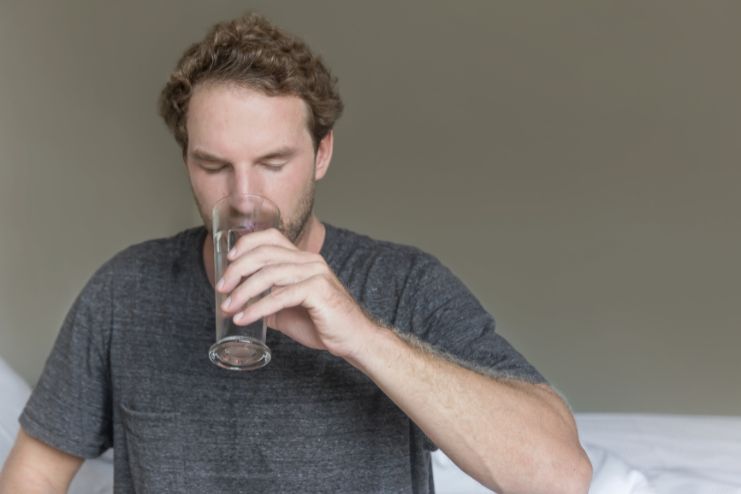
The most significant drawback of drinking water before bed is nocturia—waking up repeatedly during the night with an urgent need to use the bathroom. This condition deprives your mind and body of restorative sleep, and chronic sleep loss can lead to depression, accidents, and reduced productivity.
Dr. Andrew Foderaro, a pulmonologist at the Rhode Island and Miriam Hospitals, notes that drinking too much liquid before bedtime can lead to multiple bathroom trips throughout the night, significantly interrupting sleep quality.
Risk Factors for Increased Nighttime Urination
Several factors can increase your likelihood of experiencing nocturia:
- Obesity: Research indicates that overweight individuals are more likely to need to urinate at least once per night
- Heart Disease: People with heart conditions often take diuretic medications that increase urination frequency
- Mental Health Medications: Some psychiatric medications can increase urine production
- Bladder Issues: Existing bladder problems, such as infections or an overactive bladder, increase nighttime bathroom needs
Overhydration Concerns
While staying hydrated is essential, drinking excessive amounts of water before bed can disrupt your electrolyte balance and potentially strain your kidneys. Balance is key—maintain steady water intake throughout the day rather than consuming large amounts before sleep.
Adult Bedwetting
Another potential issue is adult bedwetting, which can be triggered by stress, illness, or medication. This problem can be minimized by reducing fluid intake a few hours before bed and emptying your bladder just before sleep.
Read More: Drinking Water Before Bed – Is It Medically Advisable?
How Long Before Bed Should You Stop Drinking Water?
Timing is crucial for avoiding midnight bathroom trips while maintaining proper hydration.
Dr. Deirdre Conroy, a behavioral sleep specialist at the University of Michigan, suggests that while you don’t need to eliminate water intake entirely at night, moderation is important. She recommends limiting intake to “no more than 12 ounces in the couple of hours before you go to bed.”
The general recommendation is to limit fluid intake at least one to two hours before bedtime. This gives your body sufficient time to process and eliminate excess water. If you feel thirsty closer to bedtime, small sips are acceptable, but avoid drinking entire glasses.
A better strategy is to increase your water intake earlier in the day rather than compensating with large amounts in the evening, which can interfere with valuable sleep time.
Who Should Be Cautious About Drinking Water at Night?

While staying hydrated is necessary for everyone, certain individuals should take special precautions:
Individuals with Overactive Bladder or Nocturia: Those who already experience frequent nighttime urination should be particularly careful about evening fluid intake, as even small amounts can trigger sleep disturbances.
People with Sleep Disorders: Individuals struggling with insomnia or other sleep disruptions should avoid nighttime bathroom trips, as even brief awakenings can make it difficult to fall back asleep.
Kidney Disease Patients or Those on Fluid Restrictions: People with kidney disease or prescribed fluid restrictions must carefully monitor their total water consumption. Excessive intake can cause fluid overload or additional kidney strain.
Pregnant Women: Pregnancy, particularly in the third trimester, naturally increases urination frequency. Limiting fluid intake before bed may help reduce nighttime bathroom trips.
If you’re unsure about your personal hydration needs, consult your healthcare provider for guidance tailored to your specific health status and daily activities.
Read More: Benefits Of Drinking Water On An Empty Stomach
Best Times to Drink Water for Optimal Health
The timing of your water consumption significantly impacts how your body functions throughout the day. Here are the optimal times for hydration:
- Upon Waking: Start your day with a large glass of water to combat overnight dehydration. This practice boosts energy levels, improves mood, and enhances cognitive function.
- Before and During Meals: Drinking water before meals can aid weight management by promoting satiety and preventing overeating. Water consumed with meals supports digestion, especially when eating high-fiber foods.
- During Midday Energy Slumps: Instead of reaching for coffee, try a large glass of water with lemon or other natural flavoring to lift your spirits and combat afternoon fatigue.
- When You Sweat: Replenish fluids lost through perspiration during exercise, hot weather, or sauna use. Drink 16-20 ounces before activity, 6-12 ounces every 10-15 minutes during activity, and 16-24 ounces afterward.
- When Experiencing Headaches: Dehydration is a common headache trigger. Increasing water intake can help alleviate current headaches and reduce the frequency and intensity of future migraines.
- When You’re Ill: Staying hydrated is crucial for recovery from illness, especially when experiencing fever, vomiting, or diarrhea. Avoid alcohol and caffeinated beverages, which can further dehydrate your system.
Tips to Stay Hydrated Without Disrupting Sleep

Follow these strategies to maintain proper hydration while promoting restful sleep:
- Focus on Daytime Hydration
The National Academies of Sciences, Engineering, and Medicine recommend that adult men consume approximately 125 fluid ounces (15.5 cups or 3.7 liters) of water daily. In comparison, adult women should consume 91 fluid ounces (11.5 cups or 2.7 liters). Instead of consuming a large amount at once, spread out your intake throughout the day.
- Limit Evening Dehydrators
Avoid alcohol at least three hours before bedtime, and drink a glass of water for every alcoholic beverage consumed. Similarly, limit caffeine intake in the evening hours.
- Sleep with Your Mouth Closed
If you consistently breathe through your mouth during sleep, consult your doctor about solutions such as a chin strap to reduce nighttime dehydration.
- Keep Emergency Water Nearby
Place a small glass or bottle of water beside your bed for brief nighttime thirst, but avoid keeping large quantities that might tempt overconsumption.
- Monitor Your Hydration Status
Check your urine color throughout the day—pale yellow indicates proper hydration, while dark yellow suggests you need more fluids.
Read More: 16 Unexpected Benefits Of Drinking Hot Water That You Didn’t Know Of
Conclusion
Consuming water before bedtime isn’t inherently unhealthy; it is all about timing and moderation. One or two sips will have you comfortable and hydrated for the rest of the night, but having a lot of water too close to your bedtime will likely disrupt sleep and leave you groggy. As everybody is unique, get to know your body and adjust accordingly.
Keeping the body well-hydrated benefits kidney function, temperature regulation, sleep quality, and overall health. The optimal balance can be helped by not using diuretics at night, drinking water during the day in small quantities, and monitoring your nighttime fluid intake.
References
- https://www.sleepfoundation.org/nutrition/drinking-water-before-bed
- https://health.clevelandclinic.org/drink-water-before-bed
- https://www.medicinenet.com/is_drinking_water_at_night_before_bed_bad_for_you/article.htm
- https://www.tasteofhome.com/article/drinking-water-before-bed/
- https://medicine.umich.edu/dept/psychiatry/news/archive/202012/when-stop-drinking-alcohol-water-or-caffeine-bed-better-sleep
- https://www.happiesthealth.com/articles/sleep/drinking-water-before-sleep
- https://www.allrecipes.com/article/drinking-water-before-bed/
- https://sleepopolis.com/education/drinking-water-before-bed/
- https://www.webmd.com/diet/ss/slideshow-best-times-drink-water
- https://www.healthxchange.sg/food-nutrition/food-tips/drinking-water-right-time
- https://www.nationalacademies.org/news/2004/02/report-sets-dietary-intake-levels-for-water-salt-and-potassium-to-maintain-health-and-reduce-chronic-disease-risk
- https://www.sleepnumber.com/post/9-ways-to-stay-hydrated-for-a-great-nights-sleep
In this Article