














Managing hypertension requires careful dietary adjustments to maintain overall health and reduce the risk of cardiovascular disease. Since dietary management plays a vital role in blood pressure regulation, exploring effective strategies is essential. One key approach is using salt substitutes as alternatives to regular table salt. These alternatives not only enhance flavor but also help reduce sodium intake, a major contributor to high blood pressure.
In this article, we’ll explore how dietary changes can help manage hypertension and examine the benefits of using salt substitutes to promote heart health.
Understanding Hypertension and Salt Intake
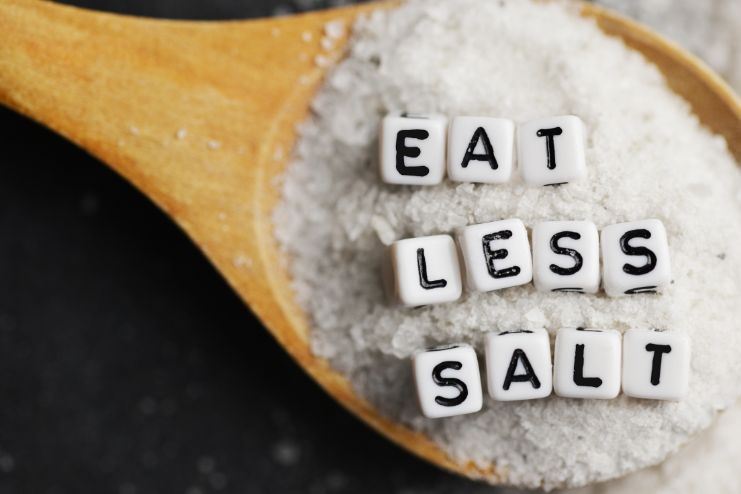
Hypertension, commonly known as high blood pressure, is a chronic medical condition characterized by consistently elevated blood pressure readings that exceed the normal range. Excessive salt consumption has been directly linked to the development of hypertension, with studies showing a clear association between the two.
While salt (sodium chloride) is essential for maintaining proper fluid balance in the body, excessive amounts can cause fluid retention and increased blood volume. This creates additional pressure on blood vessel walls, ultimately leading to elevated blood pressure.
According to the American Heart Association guidelines, individuals with hypertension should limit their sodium intake to less than 2,300 milligrams (mg) daily. For people with specific conditions or higher cardiovascular risk factors—such as advanced age or diabetes—the recommended sodium intake may be even lower, around 1,500 mg per day. For those with hypertension, following these stricter guidelines can play a crucial role in managing blood pressure more effectively and reducing the risk of complications.
Understanding the relationship between salt intake and high blood pressure is essential for making informed dietary choices and successfully managing blood pressure levels.
Read More: 5 Morning Habits That Can Impact Your Hypertension
Benefits of Salt Substitutes
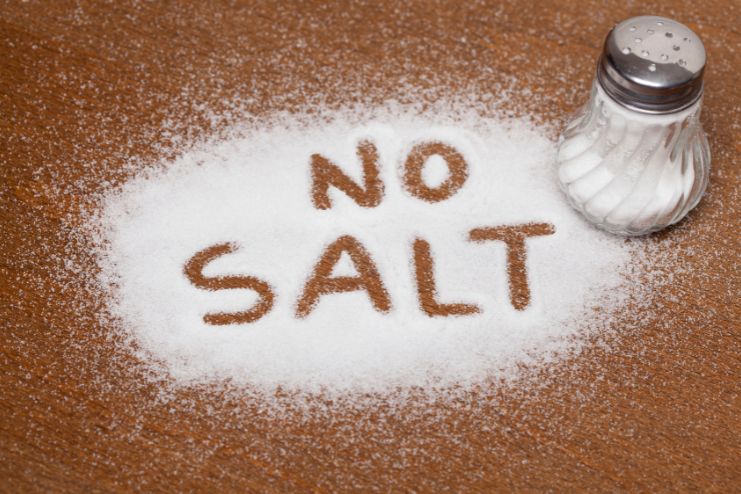
Salt substitutes offer several advantages over regular table salt, particularly for individuals managing hypertension or trying to reduce sodium intake. The primary benefit is that they provide flavor without the health risks associated with excessive sodium consumption.
Unlike regular table salt, which consists primarily of sodium chloride, salt substitutes often contain ingredients such as potassium chloride, along with herbs and spices. By replacing regular salt with these alternatives, you can significantly reduce sodium intake without compromising taste.
Potassium chloride, a common ingredient in many salt substitutes, not only provides a salty taste but also supplies essential nutrients that support heart and cardiovascular health. Many salt substitutes also incorporate natural flavorings like herbs and spices, further enhancing food taste without relying solely on sodium, while helping manage hypertension.
Incorporating salt substitutes into your diet allows you to enjoy flavorful meals while effectively reducing sodium consumption. This makes it easier for those with high blood pressure or at risk of cardiovascular disease to meet recommended daily sodium limits. Using these substitutes is a practical, convenient way to maintain a heart-healthy diet without sacrificing flavor or culinary enjoyment.
Read More: 8 Ways To Reduce Salt Intake Quickly For Better Well Being
Top 6 Salt Substitutes
Here are the top 6 salt substitutes you can try
1. Himalayan Pink Salt
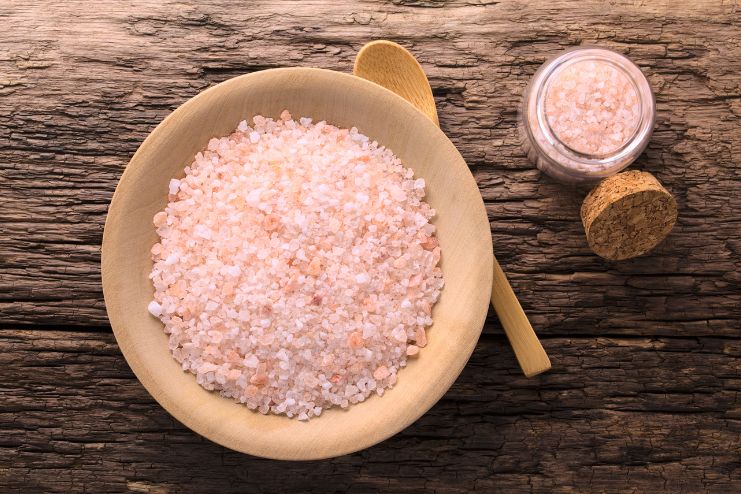
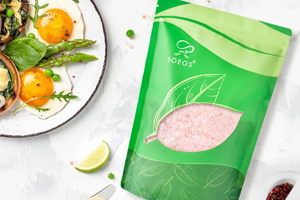
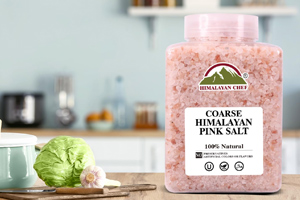
Himalayan Pink Salt is extracted from ancient sea salt deposits and serves as a mineral-rich alternative to regular table salt. This salt owes its characteristic pink color to trace minerals like potassium, magnesium, and calcium. It’s believed to offer several health benefits, including improved hydration, electrolyte balance, and digestion.
Himalayan salt is commonly used as a finishing salt, perfect for enhancing flavors in salads, grilled meats, and roasted vegetables. Due to its subtle flavor and distinctive texture, it has become popular among people seeking a natural substitute for conventional table salt.
Check out our top favorite picks here:
1. Soeos Himalayan Pink Salt, Fine Grain
2. Himalayan Chef Pink Himalayan Salt Coarse Grain
2. Sea Salt
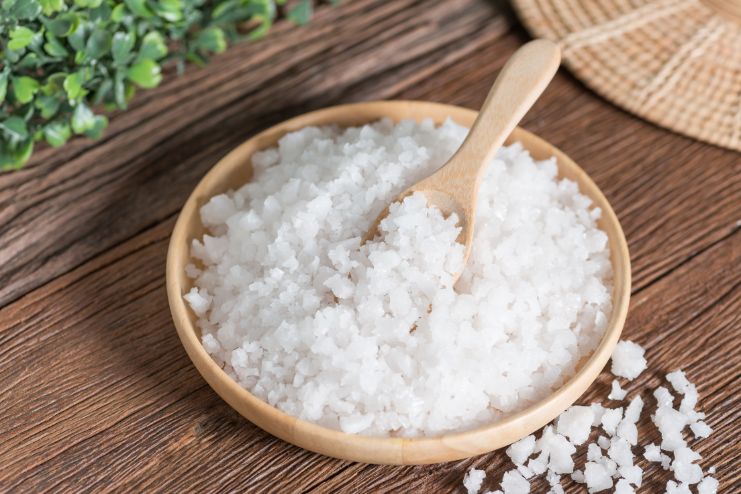
Sea salt is produced through the evaporation of seawater and contains essential minerals such as magnesium, potassium, and calcium. Unlike table salt, which is highly processed and often contains additives, sea salt undergoes minimal refinement, preserving its natural flavor, texture, and mineral composition.
Sea salt offers a more complex flavor profile depending on its geographic source, with subtle differences that make each variety unique. Its main advantages include enhancing food flavors while supplying trace minerals. Due to its coarse texture, distinctive taste, and natural mineral content, sea salt remains popular among food enthusiasts seeking a more wholesome, less processed salt option.
You can check a few popular options available online:
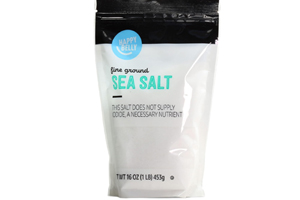
1. Amazon Brand – Happy Belly, Sea Salt, Fine Ground, 1 pound
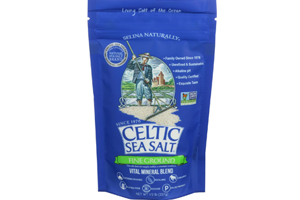
2. Celtic Sea Salt, Fine Ground, 8 Ounce
3. Potassium Chloride
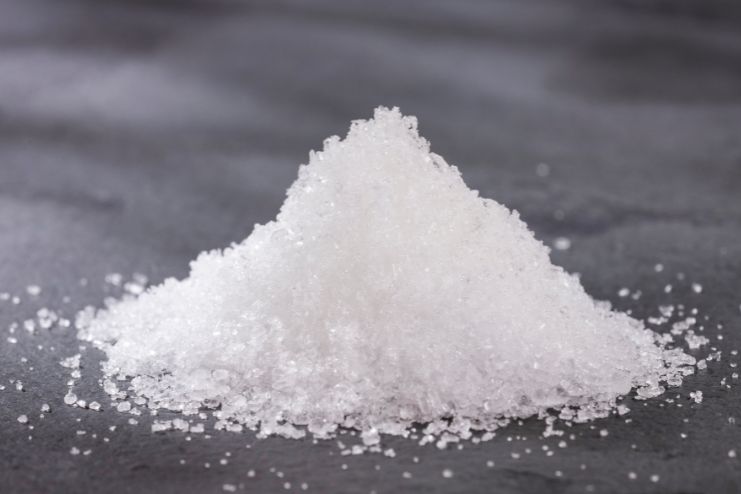
Potassium chloride is a salt substitute frequently used to reduce sodium intake while providing the essential nutrient potassium. It offers several benefits, including supporting electrolyte balance and cardiovascular health. However, certain individuals should exercise caution, particularly those with kidney disorders or those taking specific medications, as it may not be suitable for everyone.
Consulting with a healthcare professional before incorporating potassium chloride into your diet is highly recommended. When used appropriately, potassium chloride can be an excellent seasoning addition, providing a salty taste without the harmful effects commonly associated with excessive sodium consumption.
You can explore a few options available online here:
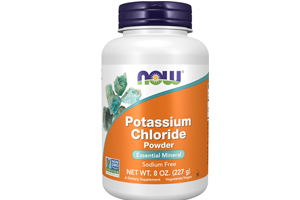
1. NOW Foods Supplements, Potassium Chloride Powder
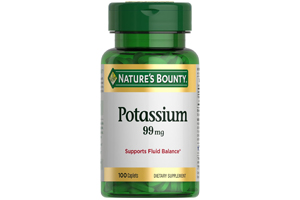
2. Nature’s Bounty Potassium 99mg
4. Mrs. Dash Seasoning Blends
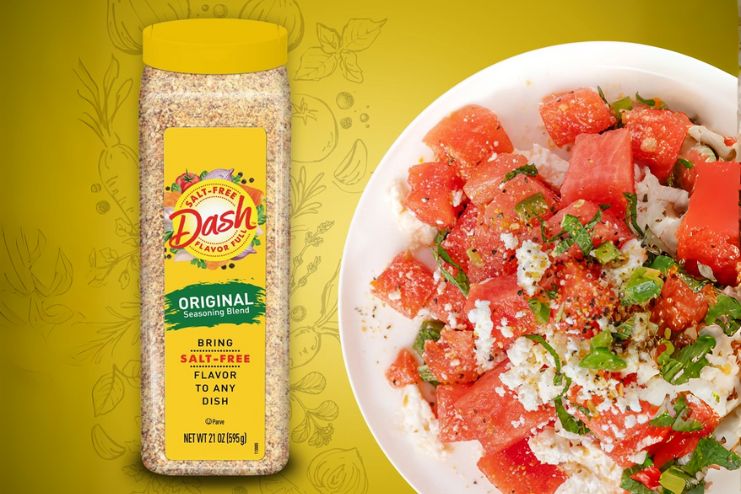
Mrs. Dash offers a variety of sodium-free seasoning blends made from herbs, spices, and natural flavors. These blends come in numerous varieties, including Garlic & Herb, Lemon Pepper, and Italian Medley. Since they contain no sodium, they’re an excellent choice for people wanting to reduce salt intake without sacrificing flavor.
Mrs. Dash Salt-Free blends are versatile and can be used in various recipes, including soups, salads, meats, and vegetables. They provide convenient options for seasoning meals without relying on salt.
Here are a few you can try:
1. Dash Salt-Free Seasoning Blend
2. Salt-Free Seasoning Blend, Table Blend
5. Lemon or Lime Juice
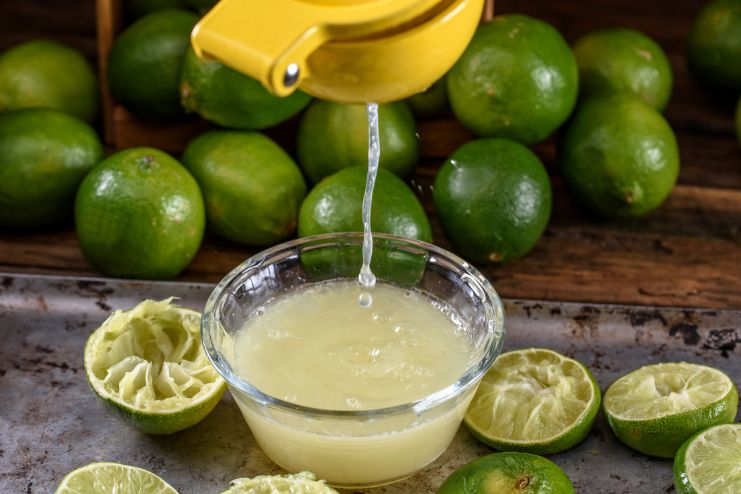
Fresh lemon or lime juice is an excellent salt substitute, adding acidity and brightness to dishes. These citrus juices contribute a refreshing tartness that enhances natural flavors. They’re extremely versatile—commonly used to marinate seafood and grilled meats, or as vibrant ingredients in salads and dressings. They also work wonderfully as garnishes that can enliven various dishes.
Beyond their culinary appeal, lemon and lime juices help reduce sodium consumption, making it possible to create flavorful meals without excessive salt use. Their versatility and health benefits make them valuable additions to any heart-healthy, low-sodium diet.
Read More: Cooking for Heart Health: Delicious Recipes to Lower Cholesterol
6. Herb and Spice Mixtures
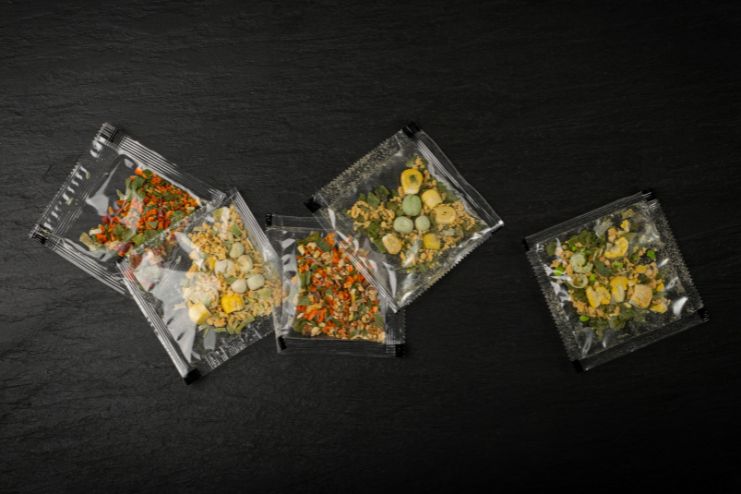
Herb and spice combinations are flavorful alternatives to salt that incorporate blends of aromatic herbs and spices. Combinations such as Italian seasoning, curry powder, and Herbes de Provence provide unique flavors to dishes without adding sodium. These blends can enhance the taste and aroma of meats, vegetables, sauces, and marinades, making them perfect for heart-healthy cooking.
Experimenting with different herb and spice blends not only adds variety but also encourages culinary creativity, allowing you to season food boldly while dramatically reducing added salt.
Here are our top picks:
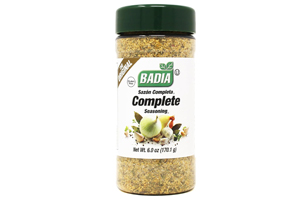
1. An affordable option – Complete Seasoning, 6 oz – All-Purpose Spice Blend
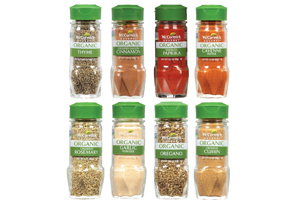
2. McCormick Gourmet Organic Spice Rack Refill Variety Pack
How to Incorporate Salt Substitutes into Your Diet

Following a few simple strategies can help you transition smoothly to using salt substitutes in your diet.
Begin by experimenting with various salt substitutes when preparing meals. Start gradually—reduce the amount of regular table salt you typically use and replace it with your chosen alternative. Options like Himalayan pink salt, sea salt, potassium chloride, or herb and spice blends can effectively replace traditional salt. Pay attention to how each substitute affects your dishes’ taste, and adjust quantities to suit your preferences.
When using salt substitutes, think beyond simple replacement—enhance flavors with other fresh ingredients. Add fresh herbs, citrus juice, garlic, onions, or vinegar to create bold, vibrant flavors without relying on sodium. These additional flavor layers make meals more satisfying while helping you maintain a low-sodium diet.
Challenge yourself to create recipes that prominently feature salt substitutes. For example, try marinating meats or vegetables in blends of lemon juice, spices, and herbs for delicious, savory results. Use salt-free seasonings like Mrs. Dash to enhance soups, salads, or stir-fries without excess sodium. You can also explore global cuisines, such as Mediterranean or Asian dishes, which typically use less salt, adapting them with your chosen salt substitutes for healthier yet flavorful cooking.
By implementing these recommendations and experimenting with different recipes, you’ll successfully incorporate salt substitutes into your diet while continuing to enjoy savory, delicious meals.
Precautions and Considerations

Certain precautions must be taken before adding salt replacements to your diet. This is especially important if you have specific health concerns or dietary limitations.
It’s essential to exercise caution when using potassium chloride-based salt substitutes, particularly for individuals with specific health conditions. People with kidney disease or those taking medications that affect potassium levels need to be particularly careful. Potassium chloride can raise blood potassium levels, which can be harmful for individuals with compromised kidney function or those taking certain medications.
Read More: Healing Herbs in Your Backyard: 7 Home Remedies Using Fresh Garden Herbs
Conclusion

Salt substitutes provide an excellent way to help manage hypertension and promote heart health. By reducing salt consumption and adopting alternatives such as Himalayan pink salt, potassium chloride, and herb and spice seasonings, you can still enjoy flavorful foods while protecting your cardiovascular system.
Exploring these options and implementing heart-friendly cooking habits is an important step toward better health. Through careful dietary adjustments and smart substitutions, you can effectively manage blood pressure and enhance overall well-being. By embracing these changes, you take an active step toward protecting your health, adopting a lifestyle that nurtures the heart, elevates well-being, and preserves the rich, satisfying experience of flavorful eating.
References
- https://www.uhhospitals.org/blog/articles/2023/06/salt-substitutes-a-healthy-alternative-to-the-real-thing
- https://topsecretrecipes.com/mrs-dash-salt-free-seasoning-blend-copycat-recipe.html
- https://www.thepioneerwoman.com/food-cooking/cooking-tips-tutorials/g46331507/salt-substitutes/
- https://www.bhf.org.uk/informationsupport/heart-matters-magazine/nutrition/herbs-and-spices
- https://www.webmd.com/food-recipes/difference-between-sea-salt-and-table-salt
- https://mrsdash.com/about/
- https://www.webmd.com/diet/himalayan-salt-good-for-you
- https://www.science.org/content/article/substituting-even-bit-regular-salt-can-reduce-stroke-heart-attack
- https://www.escardio.org/Journals/E-Journal-of-Cardiology-Practice/Volume-22/salt-and-hypertension-current-views
- https://www.actiononsalt.org.uk/salthealth/factsheets/pressure/
- https://www.ncbi.nlm.nih.gov/pmc/articles/PMC6770596/
- https://www.who.int/news-room/fact-sheets/detail/hypertension/
- https://health.clevelandclinic.org/are-salt-substitutes-a-healthy-way-to-lower-your-sodium-intake
- https://www.ncbi.nlm.nih.gov/pmc/articles/PMC10305088/
- https://www.evidentlycochrane.net/salt-substitutes-vs-regular-salt-a-quick-look/
- https://www.healthline.com/nutrition/pink-himalayan-salt
- https://www.mayoclinic.org/healthy-lifestyle/nutrition-and-healthy-eating/expert-answers/sea-salt/faq-20058512
- https://www.medicalnewstoday.com/articles/potassium-chloride
- https://www.webmd.com/drugs/2/drug-676-7058/potassium-chloride-oral/potassium-extended-release-dispersible-tablet-oral/details
- https://mrsdash.com/products/
- https://www.medicalnewstoday.com/articles/325228
- https://www.steric.com.au/the-many-uses-of-lemon-and-lime-juice-in-your-foodservice-kitchen/
- https://my.clevelandclinic.org/health/articles/11726-flavoring-foods-without-salt
- https://www.poconorecord.com/story/lifestyle/2002/04/10/methods-techniques-for-salt-substitute/51010096007/
- https://streetsmartnutrition.com/how-to-make-a-low-sodium-diet-taste-better/
- https://newsnetwork.mayoclinic.org/discussion/3-15-ready-mayo-clinic-minute-are-you-using-a-salt-substitute/
- https://www.ncbi.nlm.nih.gov/pmc/articles/PMC9363242/
In this Article