













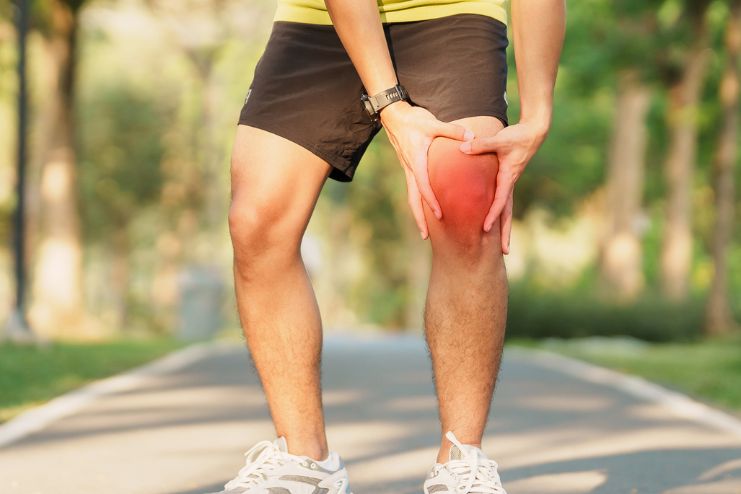
Think joint pain is just part of getting older? Think again.
Osteoarthritis (OA), the most common form of arthritis, affects millions of people worldwide, causing persistent pain, stiffness, and reduced mobility. For years, OA was seen as a natural outcome of aging or physical wear and tear. But today, science tells a different story.
Osteoarthritis is not inevitable. It’s a complex condition influenced by multiple factors, such as inflammation, past injuries, weight, genetics, and lifestyle habits. And while there is no cure, early diagnosis and consistent management can significantly slow its progression.
This article outlines six proven methods to help you manage OA effectively, preserve joint function, and live more comfortably for years to come.
Read More: 7 Tips to Protect Your Joints and Prevent Osteoarthritis Progression
Can You Stop Osteoarthritis from Progressing?
While there’s no cure for osteoarthritis (OA), the progression of the disease can be slowed, and in some cases, its symptoms significantly reduced. The key lies in early intervention and consistent management.
What you can’t do:
You can’t fully reverse the joint damage already caused by OA. Cartilage loss is typically permanent, and advanced structural changes to the joint are not naturally restored.
What you can do:
You can prevent further deterioration, reduce pain, maintain mobility, and avoid or delay surgery by adopting the right strategies.
Here’s how:
- Manage weight: Excess weight adds pressure to weight-bearing joints, accelerating cartilage breakdown. Even modest weight loss can reduce joint strain significantly.
- Stay active (safely): Regular low-impact exercise strengthens the muscles that support joints, improves flexibility, and reduces stiffness.
- Address inflammation: Through diet, medications, and stress management, reducing inflammation can protect joint tissues from further damage.
- Avoid joint overuse: Give inflamed joints rest, avoid repetitive strain, and use assistive devices when needed to prevent further stress.
- Stick to a personalized treatment plan: Combining lifestyle changes, physical therapy, and (when needed) medications or injections provides the best long-term results.
The Bottom Line:
You can’t “stop” osteoarthritis entirely—but you can absolutely slow its progression and reduce its impact. Think of OA as a condition you manage, not just endure. The earlier and more consistently you take action, the better your long-term outcomes will be.
Understanding Osteoarthritis
According to the Centers for Disease Control and Prevention, Osteoarthritis is the most prevalent form of arthritis, impacting more than 32.5 million Americans.
It is a degenerative joint disease in which the cartilage that cushions the ends of bones wears down over time. This causes pain, inflammation, stiffness, and loss of mobility. While it can affect any joint, OA most often impacts the knees, hips, hands, and spine.
It is a complex condition influenced by a combination of factors, not just age or wear and tear. Inflammation, genetics, weight, joint injuries, and even lifestyle choices can all play a role in its development and progression.
Common symptoms include:
- Joint pain that worsens with activity
- Morning stiffness lasting less than 30 minutes
- Swelling or tenderness
- A grinding or clicking sensation when moving the joint
- Decreased range of motion
OA was once considered a purely natural result of aging. But it’s now recognized as a disease of the entire joint, affecting cartilage, bone, ligaments, and surrounding tissues. That means you can take action to manage it, especially if caught early.
Read More: Osteoarthritis – Causes, Symptoms, Diagnosis, And Treatment
Early Diagnosis and Regular Monitoring
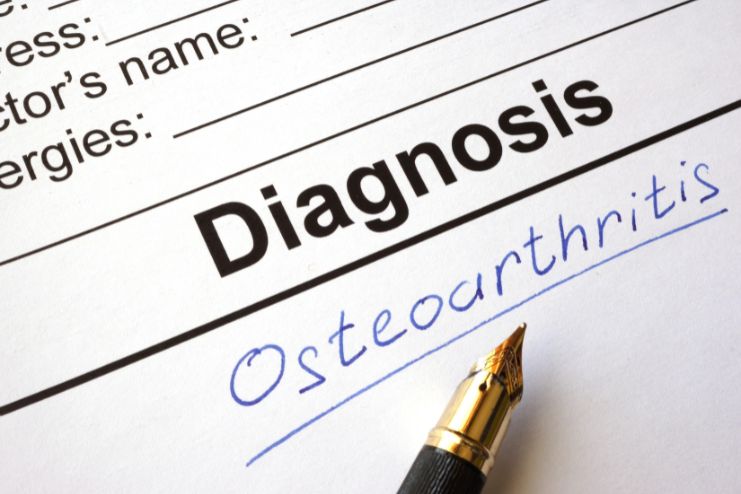
Early diagnosis can make a big difference in slowing OA progression. Unfortunately, many people dismiss early symptoms like mild joint discomfort or occasional stiffness until damage has already occurred.
What to watch for:
- Persistent joint discomfort
- Stiffness after periods of inactivity
- Mild swelling or reduced flexibility
If you notice these signs, consult your doctor. Early interventions—such as physical therapy, lifestyle changes, or joint-friendly exercises—are most effective when initiated before the damage becomes severe.
Regular monitoring helps track progression and ensures your treatment plan stays effective. Your healthcare provider may recommend periodic imaging (such as X-rays or MRIs), range-of-motion tests, or symptom assessments to adjust your care as needed.
Dr. Shinjini Kundu of Carnegie Mellon University and the University of Pittsburgh, along with Dr. Gustavo Rohde of the University of Virginia, led a research team that investigated the potential use of artificial intelligence to identify osteoarthritis early on in MRI images and predict the development of the condition.
They used MRI images from 86 individuals who did not exhibit any early symptoms or outward indications of illness. After three years, osteoarthritis affected about half of the patients.
Lifestyle Modifications to Slow Disease Progression
Your everyday habits play a huge role in how osteoarthritis develops and progresses. Lifestyle changes can reduce joint stress, improve function, and relieve symptoms.
Key strategies:
- Manage your weight: Excess weight adds stress to joints, especially the knees and hips. Every extra pound adds up to 4 pounds of pressure on your knees and 6 pounds on your hips.
- Stay active: Low-impact exercises such as swimming, cycling, walking, or yoga help maintain flexibility and strengthen supportive muscles.
- Rest when needed: Avoid overusing inflamed joints. Short rest periods during flare-ups can prevent further damage.
- Prioritize sleep: Quality rest supports immune function and pain regulation. Fatigue can make symptoms feel worse.
- Eat an anti-inflammatory diet: The Mediterranean and DASH diets—rich in vegetables, whole grains, healthy fats, and fish—can help reduce inflammation and support joint health.
While lifestyle changes lay the foundation, medications and supplements can help manage pain, reduce inflammation, and support joint health, especially during flare-ups.
Medications and Supplements for Osteoarthritis

Common medication options include:
- Analgesics (pain relievers): Medications like acetaminophen and tramadol help reduce pain but don’t address inflammation.
- NSAIDs (nonsteroidal anti-inflammatory drugs): Ibuprofen, naproxen, and celecoxib reduce both pain and inflammation. These are commonly used but can cause stomach upset or increase cardiovascular risk, especially with long-term use.
- Topical treatments: Creams or gels with NSAIDs or capsaicin can be applied directly to painful joints for localized relief.
Supplements to consider (with doctor guidance):
- Glucosamine and chondroitin: Popular for joint support, though research on effectiveness is mixed.
- Omega-3 fatty acids: Found in fish oil, these can help reduce joint inflammation.
- Vitamin D and calcium: Essential for bone health, particularly if OA is accompanied by osteoporosis.
Before starting any supplement or medication, always consult your healthcare provider to prevent interactions and tailor your treatment plan to your specific health needs.
Read More: 5 Herbs To Fight Osteoarthritis Pain
Physical and Occupational Therapy
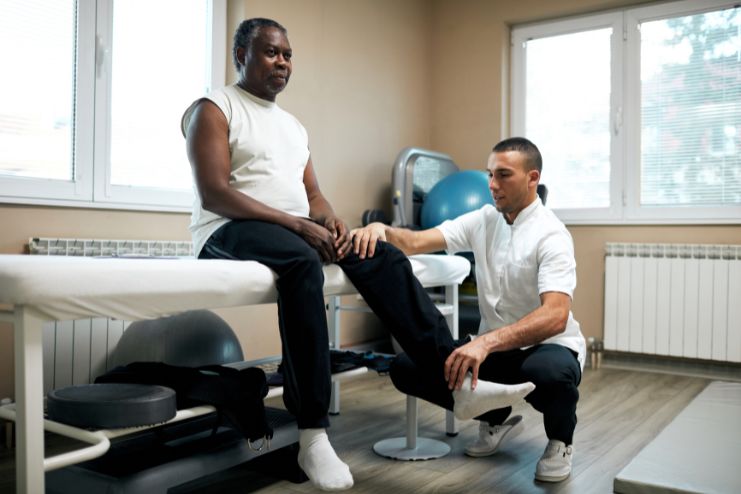
Therapeutic interventions are a cornerstone of OA management. They focus on preserving mobility, improving strength, and adapting everyday activities to reduce joint strain.
Physical therapy (PT) helps:
- Strengthen the muscles surrounding affected joints
- Improve flexibility and range of motion
- Reduce pain and risk of falls
A physical therapist will design a customized exercise program and may use modalities like ultrasound or manual therapy to reduce stiffness and inflammation.
Occupational therapy (OT) focuses on:
- Adapting tasks to reduce joint stress
- Using assistive tools (e.g., jar openers, ergonomic tools) to ease hand pain
- Training patients to move more efficiently during daily routines
Carole Dodge, an experienced occupational and hand therapist at the University of Michigan Health System, Ann Arbor, emphasizes the importance of consulting an occupational therapist promptly after receiving an arthritis diagnosis.
Early involvement with PT and OT can dramatically improve quality of life by maintaining independence and slowing physical decline.
Surgical Options for Advanced Osteoarthritis
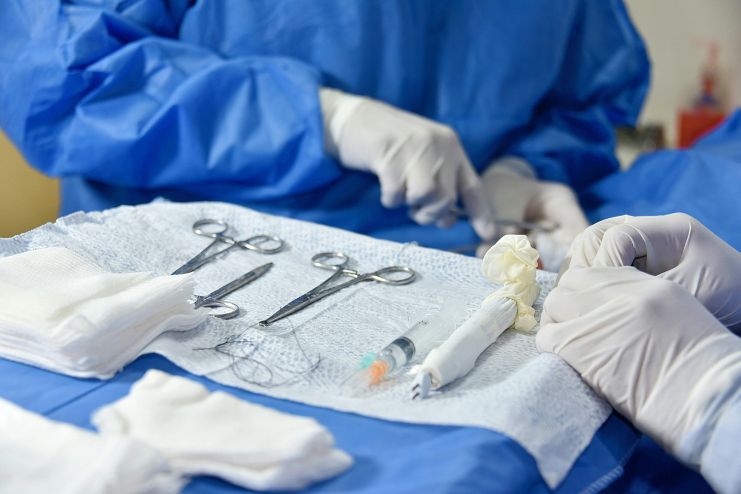
When OA symptoms can’t be managed with conservative treatments, surgical intervention may be necessary. Surgery can restore mobility, reduce pain, and improve quality of life.
Surgical options include:
- Joint replacement (arthroplasty): The most common procedure. Damaged joint components are replaced with artificial implants, typically in the hips or knees.
- Joint fusion (arthrodesis): Bones are permanently joined to eliminate painful movement, usually in smaller joints like the ankle or wrist.
- Osteotomy: The surgeon realigns bones to shift weight off the damaged part of the joint. This is more common in younger patients with early-stage OA.
- Revision surgery: If a joint implant wears out after 15–20 years, it may need replacement.
Surgery isn’t the first step, but for advanced OA, it can be life-changing. Speak with an orthopedic specialist to explore timing and options if other treatments no longer provide relief.
Read More: Top 5 Orthopedic Knee Pillows to Alleviate Discomfort and Improve Sleep
Home Remedies and Natural Therapies

Many people with OA find relief using natural or complementary therapies alongside conventional care. These approaches can reduce pain and support mobility, without the side effects of medications.
Popular options include:
- Hot and cold therapy: Cold packs reduce inflammation and numb sharp pain; heat (via warm towels or baths) eases stiffness and muscle tension.
- Epsom salt soaks: The magnesium in Epsom salt may relieve minor aches and swelling.
- TENS (transcutaneous electrical nerve stimulation): Small devices that use electrical currents to reduce pain perception.
- Massage therapy and acupuncture: These can help relax muscles, reduce pain, and improve blood flow to affected joints.
- Mind-body techniques: Meditation, yoga, and tai chi not only improve flexibility but also reduce stress, an often-overlooked pain trigger.
While evidence for some of these methods is still growing, many patients find real relief. Always discuss new treatments with your provider before starting them.
Read More: Stay Active with Arthritis: 6 Low-Impact Exercise Equipment for Joint Health
Conclusion
While osteoarthritis is a chronic condition without a definitive cure, the good news is that its progression can be effectively slowed—and in some cases, significantly managed—through early intervention and proactive strategies.
By understanding the factors that influence OA development and committing to lifestyle modifications, medical treatments, and therapeutic support, individuals can reduce symptoms, maintain joint function, and preserve their mobility for years to come.
Remember, each person’s experience with osteoarthritis is unique, making it essential to work closely with healthcare professionals to create a personalized treatment plan. Taking control early and staying consistent with management approaches empowers you to protect your joints, improve your quality of life, and face OA with confidence rather than resignation.
Key Takeaway: Osteoarthritis is manageable. Empower yourself with knowledge, work closely with your healthcare team, and commit to consistent care—you have more control over your joint health than you may think.
References
- https://kerlanjobe.org/slowing-the-progression-of-osteoarthritis-what-works-what-doesnt-and-whats-next/
- https://www.arthritis.org/diseases/more-about/slowing-osteoarthritis-progression
- https://www.arthritis.org/diseases/osteoarthritis
- https://www.mayoclinic.org/diseases-conditions/osteoarthritis/diagnosis-treatment/drc-20351930
- https://arthritis-research.biomedcentral.com/articles/10.1186/ar3845
- https://www.pnas.org/doi/10.1073/pnas.1917405117
- https://www.floridapainmedicine.com/post/7-healthy-lifestyle-habits-that-help-slow-the-progression-of-osteoarthritis
- https://www.healthline.com/health/osteoarthritis-prevention#lifestyle-changes
- https://www.arthritis.org/health-wellness/treatment/complementary-therapies/supplements-and-vitamins/12-supplements-for-osteoarthritis
- https://www.nhs.uk/conditions/osteoarthritis/treatment/
- https://www.webmd.com/osteoarthritis/medicines-treat-oa
- https://www.choosept.com/guide/physical-therapy-guide-osteoarthritis
- https://www.webmd.com/arthritis/physical-occupational-therapy-devices
- https://www.arthritis.org/health-wellness/treatment/complementary-therapies/physical-therapies/occupational-therapy-for-arthritis
- https://pmc.ncbi.nlm.nih.gov/articles/PMC9319328/
- https://www.medicalnewstoday.com/articles/surgery-for-osteoarthritis#types
- https://www.nih.gov/news-events/nih-research-matters/machine-learning-detects-early-signs-osteoarthritis
In this Article