












Your diet isn’t just fuel; it’s the foundation for fertility. Nutrients impact hormone production, egg and sperm quality, uterine lining readiness, and even embryo development. While trendy tips (pineapple for implantation, fads, detoxes) are compelling, research shows that consistent, well-researched nutritional habits are what truly shift fertility issues.
In this deep dive, we’ll explore why food matters, what to include, what to skip, and how to support both partners on their fertility journey.
Read More: Diet And Sperm Quality Are Related, New Study Suggests
Why Nutrition Plays a Key Role in Fertility
Your reproductive system and hormones depend on nutrients. Macronutrients (proteins, fats, and carbohydrates) drive hormonal processes, and micronutrients (vitamins, minerals, antioxidants) protect against oxidative stress and support cellular processes. A 2025 science review indicates how optimally balanced nutrition fosters reproductive health in both genders.
Several decades of research confirm this.
Mediterranean eating styles (high in plants, healthy fats, and whole grains) are associated with dramatically enhanced IVF outcomes, sperm health, and live births—women aged <35 appeared to have up to a 2.7-fold increase in live birth chance.
Plant-based protein intake has been associated with a 50% reduction in ovulatory infertility when substituting for animal proteins.
In men, nutrients such as antioxidants and omega-3s aid in more vigorous sperm, enhancing count, motility, and DNA integrity.
This is greater than just coincidence; nutrition is a modifiable power lever for fertility.
Top Fertility‑Boosting Foods to Include
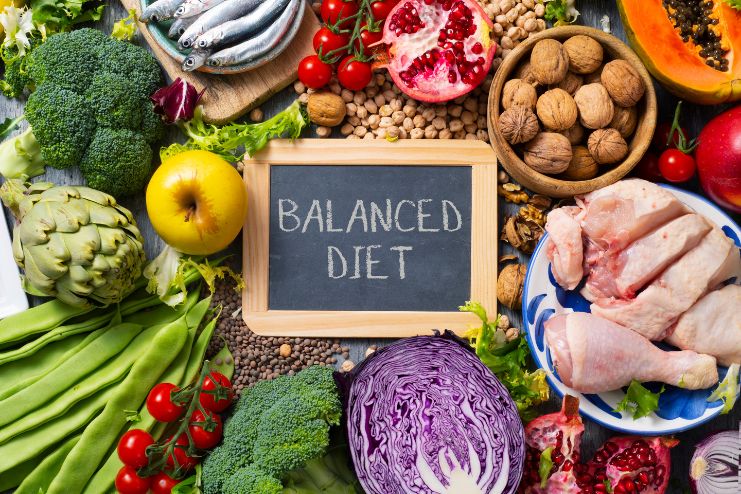
In terms of fertility, eating strategically is as important as not indulging in unhealthy habits. Some food feeds your reproductive system by improving hormone balance, safeguarding egg and sperm cells, and enhancing implantation chances.
Plant-Based Proteins and Whole Grains
Plant-based protein sources offer amino acids without the inflammatory burden that comes with red meat. Whole grains offer complex carbohydrates to maintain stable insulin levels, essential for ovulation and hormone health.
To get the most out of plant-based proteins, try including the following in your diet:
- Lentils and beans – Full of iron and folate
- Chickpeas and black beans – High in plant protein and fiber
- Oats and quinoa – Packed with B vitamins and maintain blood sugar regulation
These foods lower the risk of ovulatory disorders and provide a healthy reproductive environment.
Read More: Genetic mutation of sperm could be because of cannabis exposure, new study suggests
Healthy Fats and Omega-3s
Healthy fats contribute to hormone production and minimize inflammation that can disrupt ovulation and implantation. Omega-3s are also important for promoting egg quality and increasing blood flow to reproductive organs.
Include:
- Avocados and olive oil – Rich in monounsaturated fats
- Nuts and seeds (walnuts, flaxseed, chia) – Contain omega-3s
- Fatty fish (sardines, salmon) – High in DHA for fetal brain formation
Adding these fats to your daily diet maintains a properly regulated cycle and fertility.
Leafy Greens and Folate Sources
Folate is essential in DNA replication and the development of neurons early in pregnancy. Natural folate is more readily absorbed by many people compared to synthetic folic acid.
Try to add the following to your diet:
- Spinach, kale, and arugula – Packed with iron and folate
- Broccoli and Brussels sprouts – Also high in antioxidants and vitamin C
- Asparagus and legumes – Best dietary sources of folate
Eating a variety of folate-containing foods gets your body ready to maintain early embryonic development and reduce the chance of neural tube defects.
Antioxidant-Rich Colorful Produce
Antioxidants fight oxidative stress, a major reason behind compromised egg and sperm quality. By stopping free radicals, they protect DNA integrity and enhance embryo well-being.
A few antioxidant-rich foods include:
- Berries (blueberries, raspberries, strawberries) – Rich in vitamin C and polyphenols
- Citrus fruits – Offer vitamin C and bioflavonoids that help increase iron absorption
- Vibrant vegetables (carrots, bell peppers, tomatoes) – Loaded with beta-carotene and lycopene
A rainbow plate isn’t just attractive—it’s a fertility superfood.
Full-Fat Dairy (Moderation)
Full-fat milk, unexpectedly, is perhaps a better choice for fertility than low-fat alternatives. A study in the New York Times indicates that those who ate full-fat dairy experienced fewer ovulatory infertility issues.
Include the following dairy products in your daily diet to boost fertility:
- Greek yogurt – It contains probiotics and calcium
- Whole milk and cheeses like cheddar – They have fat-soluble vitamins A, K, and D
Moderation is essential, particularly for those experiencing lactose intolerance or hormonal disorders associated with dairy.
Zinc, Iron and Selenium Sources
These trace minerals are responsible for reproductive hormone function, immune defense, and the maturation of the egg. Zinc is particularly important for ovulation and sperm development.
- Pumpkin seeds and sesame seeds – Both are rich in zinc and healthy fats
- Eggs – Rich in selenium, zinc, and choline
- Lentils and spinach – Supply plant-based iron for endometrial well-being
- Having these in your weekly rotation provides optimal nutrient status for conception.
Read More: Important Ways To Keep Your Sperm Healthy
Nutrients You Should Prioritize Before Conception
The preconception months are essential for getting your body ready. Throughout the preconception period, optimal nutrient stores are crucial in supporting egg maturity, sperm formation, hormone balance, and the well-being of future embryos. Even with a well-balanced diet, specific nutrients have uniquely significant roles to play in fertility and should be deliberately given priority.
Key Nutrients to Prioritize
- Folate (Natural) and Folic Acid (Synthetic): Folate helps DNA replication and corrects neural tube formation in the embryo. Women who wish to conceive should have 400–800 micrograms of folate/day, via diet or supplements.
- Iron: Iron is essential to deliver oxygen to reproductive tissues and support ovulation cycles. Combine iron sources with vitamin C for quicker absorption.
- Vitamin D: Vitamin D is necessary for hormone balance and follicular development. It is recommended to get your levels checked before starting supplements.
- Zinc: Zinc is critical for sperm development and egg maturation. Even a slight deficiency can interfere with hormone secretion.
- Coenzyme Q10 (CoQ10): CoQ10 supports egg and sperm energy production, particularly in older couples or those who are receiving fertility treatment.
- Omega-3 Fatty Acids: Omega-3 fatty acids modulate inflammation, maintain sperm membrane health, and aid implantation.
All these nutrients are best obtained from food, but might require supplementation under professional advice.
Foods and Habits That May Harm Fertility
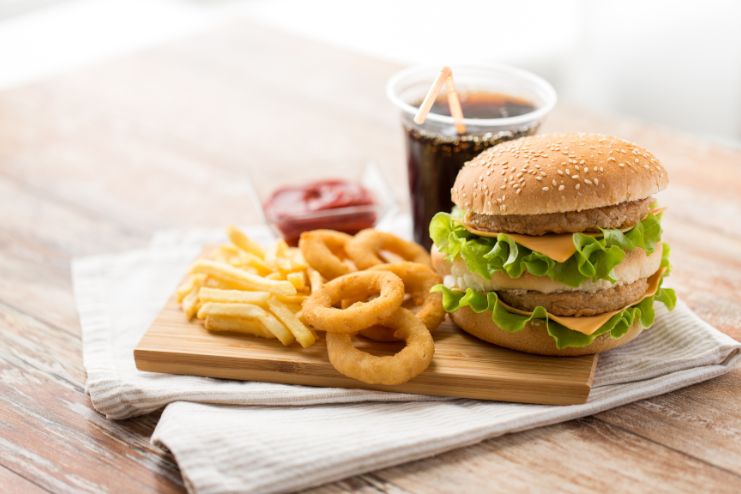
Although feeding your body with fertility-rich foods is vital, avoiding certain food traps is just as necessary. A few ingredients, additives, and habits can disrupt your hormonal balance or raise the chances of compromised egg and sperm quality.
Caffeine and Alcohol in Excess
Caffeine: Consuming more than 200–300 mg/day (about 2–3 cups of coffee) can postpone conception and increase miscarriage chances.
Alcohol: Inhibits estrogen, progesterone, and testosterone production, decreasing IVF success and damaging sperm.
Trans Fats and Processed Foods
Avoid fried foods, processed snacks, margarine, and baked goods prepared with hydrogenated oils. These heighten inflammation and insulin resistance.
Added Sugars and High-Glycemic Foods
Cut down on sugary cereals, soda, and white bread. Replace with whole grains and fruits to level out blood sugar and minimize PCOS risk.
Mercury-Rich Fish
- Avoid: Swordfish, shark, king mackerel
- Choose: Salmon, sardines, tilapia
Other Hidden Dangers:
- Pesticides: Opt for organic versions of the “dirty dozen” whenever possible
- BPA and Plastics: Skip the endocrine disruptors with glass or stainless steel containers
These choices add up to influence hormone balance and reproductive cell quality, so minor changes can make a difference.
Special Considerations for Men’s Fertility Nutrition
Half the equation is male fertility, and diet has an influential role in optimizing sperm health. Sperm recycles every 70–90 days, so improvements in the diet can have benefits after three months.
Fertility-Friendly Foods for Men:
Men must include the following foods to boost their fertility:
- Zinc: Necessary for testosterone production and sperm quantity.
Food sources: pumpkin seeds, shellfish, and red meat
- Selenium: Shields sperm from oxidative stress.
Food sources: Brazil, nuts and eggs
- Vitamin C and E: Vitamins C and E promote motility and guard against DNA damage. Food sources: citrus fruits, almonds, and green leafy vegetables.
- CoQ10: CoQ10 boosts mitochondrial energy production in sperm.
- Omega-3s: Omega-3s enhance sperm morphology and motility.
Food sources: flaxseed, walnuts, and fatty fish.
Men must also limit alcohol, caffeine, processed meat, and trans fats to safeguard sperm health.
Read More: Can You Get Pregnant During Your Period? What You Need to Know
Should I Try a Fertility Diet Plan (e.g., Mediterranean Diet)?
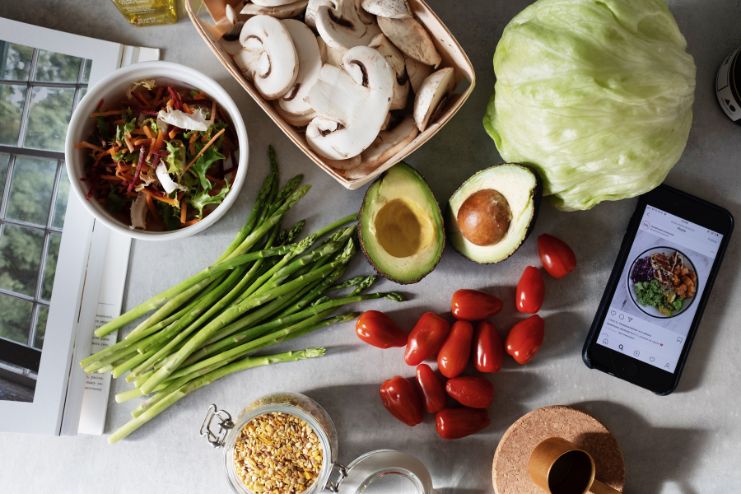
Yes, if you’re interested in a sustainable, science-supported approach to fueling your body. The Mediterranean diet, teeming with vegetables, fruits, legumes, fish, and healthy fats, has also been linked to better fertility for both men and women.
What Research Says?
Research indicates that couples on a Mediterranean-type diet have better IVF success, better egg and sperm quality, and reduced markers for inflammation.
Sample Day of Fertility-Friendly Food:
- Breakfast: Greek yogurt with berries, chia seeds, and honey
- Lunch: Quinoa salad with chickpeas, spinach, olive oil, and avocado
- Snack: Walnuts handful + orange slices
- Dinner: Grilled salmon, steamed broccoli, roasted sweet potatoes
Can It Be Customized?
Yes. In cases of PCOS, insulin resistance, or thyroid conditions, adjustments (such as reducing gluten, dairy, or carbohydrates) can be beneficial. Consult with a nutritionist or fertility professional to customize your strategy.
Conclusion: Nourish to Conceive
Dozens of small, daily choices influence fertility, with what’s on your plate being one of the most important. While no one food guarantees conception, prioritizing whole, nutrient-dense foods and avoiding harmful dietary triggers can enhance your chances of a healthy pregnancy. Whether you’re just starting to try or preparing for fertility treatments, think of your nutrition as a long-term investment in reproductive health.
Your fertility journey can be fueled with nourishment, not deprivation.
References
- https://www.netmeds.com/health-library/post/iron-and-vitamin-c-why-we-need-both-and-how-to-add-them-to-diet
- https://www.cdc.gov/folic-acid/about/intake-and-sources.html
- https://www.nytimes.com/2007/03/14/health/14iht-snvital.4906063.html
- https://pmc.ncbi.nlm.nih.gov/articles/PMC11081602/
- https://www.biome.com.au/collections/hemp-food
- https://www.milann.co.in/blogs/key-factors-for-robust-sperm-health-and-boosted-fertility
- https://www.mdpi.com/2072-6643/16/16/2807
In this Article