












Imagine being able to boost muscle growth and strength while lifting weights that feel surprisingly light. This is known as occlusion training, also called blood flow restriction (BFR) training. This technique is gaining serious traction among athletes, bodybuilders, and even physical therapists for its unique ability to deliver real results without the joint strain of traditional heavy lifting.
The method is relatively straightforward: by applying specialized bands or cuffs to the limbs, you restrict blood flow to the muscles during low-intensity exercises.
But with every fitness trend comes questions: Is it really effective? How does it work? Are there risks involved? In this article, we’ll break down the science behind BFR training, explore its potential benefits and drawbacks, and offer practical tips for using it safely and effectively, so you can decide whether it deserves a place in your workout routine.
What Is Occlusion Training?
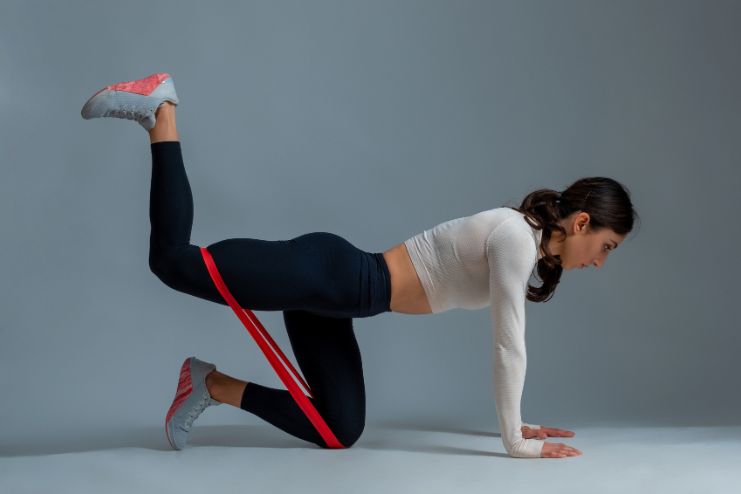
Occlusion training, also called blood flow restriction (BFR) training, is a specialized technique that involves partially restricting blood flow from a working muscle during exercise. This is usually done by wrapping bands, cuffs, or straps tightly—but safely—around the upper arms or legs. The key idea is to limit venous blood flow out of the muscle while still allowing arterial blood to enter.
This causes the muscle to become engorged with blood, increasing metabolic stress and triggering muscle growth signals. Because of this metabolic buildup, you can stimulate hypertrophy using much lighter weights—typically only 20–30% of your one-rep max (1RM)—making the technique ideal for those wanting to avoid heavy lifting.
Originally developed in Japan in the 1960s as “Kaatsu training” (which means “pressure training”), BFR has since gained widespread acceptance. Today, it’s used not just for muscle growth, but also in rehabilitation settings, helping people recover strength without aggravating joints.
Why is it popular?
- It allows effective muscle building with light weights.
- It reduces joint and tendon strain compared to heavy lifting.
- It’s useful for injury recovery and for people with mobility limitations.
How Occlusion Training Works

The effectiveness of BFR training comes down to its unique impact on your muscles and nervous system:
- Arterial blood continues to flow into the muscle, delivering oxygen and nutrients necessary for energy.
- Venous blood flow is restricted, which traps blood and metabolic waste, such as lactic acid, inside the muscle.
This trapped metabolic environment creates significant metabolic stress, one of the strongest triggers for muscle growth. Metabolic stress accelerates the recruitment of fast-twitch muscle fibers, which are responsible for strength and size gains, even though you’re lifting lighter loads.
Beyond muscle fiber activation, BFR also stimulates important hormonal responses. BFR can increase growth hormone levels by as much as 290% after exercise. Growth hormone supports muscle repair, recovery, and protein synthesis, making BFR particularly effective for rehabilitation and anti-aging purposes.
Key Benefits Of The Physiological Effects:
- Engages muscle fibers typically activated only by heavy lifting.
- Boosts hormone levels that support muscle growth and recovery.
- Allows muscle gains with reduced mechanical stress on joints and connective tissue.
In summary, occlusion training creates a potent internal environment for muscle growth without the need for heavy weights, making it a powerful option for athletes, rehab patients, and fitness enthusiasts alike.
Benefits of Occlusion Training

Occlusion training offers several compelling advantages, especially for those seeking effective muscle growth and strength gains without the risks associated with heavy lifting.
1. Muscle Growth with Lighter Weights
One of the biggest draws of BFR is its ability to stimulate significant muscle hypertrophy using light loads. This makes it an excellent option for people dealing with joint pain, injuries, or physical limitations who can’t safely lift heavy weights. A 2019 meta-analysis published in Frontiers in Physiology found that low-load BFR training produces muscle growth comparable to traditional heavy resistance training.
2. Increased Strength Gains
Despite using lighter weights, BFR still effectively promotes strength development. This is particularly beneficial for beginners and individuals recovering from injury, as it helps rebuild strength without overloading vulnerable tissues.
3. Improved Endurance and Recovery
BFR training boosts levels of growth factors and induces cell swelling, both of which contribute to faster recovery times. Studies show that BFR enhances muscle protein synthesis and mitochondrial function, key processes that support muscle endurance and repair.
4. Joint-Friendly Training
Because BFR involves lighter loads, it places much less mechanical stress on joints and connective tissues compared to conventional heavy lifting. This makes it ideal for older adults or those undergoing rehabilitation, as it minimizes wear and tear on cartilage, tendons, and ligaments.
Risks and Precautions of Occlusion Training

While occlusion training can be highly effective, it’s not without its risks, especially when performed incorrectly or by individuals with certain health conditions. As with any specialized training technique, proper education and medical guidance are essential before starting.
Potential Risks to Be Aware Of
Although rare when done correctly, improper use of BFR training can result in complications. Some of the most cited risks include:
- Nerve damage may occur if the cuffs are applied too tightly or placed incorrectly.
- Increased risk of blood clots, especially in those with preexisting vascular or clotting conditions.
- Rhabdomyolysis, a serious muscle breakdown condition that can occur if BFR is overused or not balanced with adequate recovery.
These risks highlight the importance of careful implementation and medical clearance before integrating BFR into your routine.
Safe Practice Guidelines
To minimize risks and get the most benefit from occlusion training, experts recommend the following precautions:
- Cuff Placement: Apply cuffs only to the upper arms or upper thighs—never below the joint.
- Pressure Management: Use between 40–80% of arterial occlusion pressure; ideally, measure with a Doppler ultrasound to avoid guesswork.
- Session Length: Limit each session to no more than 20 minutes per limb to prevent prolonged restriction.
Who Should Avoid BFR Training?
Occlusion training isn’t suitable for everyone. Individuals in the following categories should avoid or proceed only under professional supervision:
- Those with cardiovascular conditions, including arrhythmias and heart disease.
- Individuals with uncontrolled high blood pressure.
- Anyone with a history of blood clotting disorders or deep vein thrombosis.
Expert Tip: Always consult a physician or certified physical therapist before starting BFR, especially if you have underlying health concerns. Proper guidance ensures safety and maximizes results.
Read More: 8 Best Plant-Based Proteins for Muscle Building
How to Implement Occlusion Training

Getting started with BFR training is simpler than it may seem. With the right equipment and programming, even beginners can safely incorporate it into their workout routines — or use it as a recovery strategy on lighter days.
Equipment You’ll Need:
- Occlusion Bands or Cuffs – Preferably those with pressure calibration for safety.
- Resistance Tools – Dumbbells, resistance bands, or just your body weight.
Pro Tip: Use wide cuffs (5–10 cm) for legs and narrower ones for arms for better comfort and blood flow control.
Best Exercises to Start With:
You don’t need to reinvent your workout plan. BFR works best with simple, isolation, or bodyweight exercises:
- Upper Body:
- Bicep curls
- Tricep extensions
- Push-ups (modified or full)
- Lower Body:
- Leg extensions
- Leg curls
- Bodyweight squats
- Calf raises
Suggested BFR Training Protocol:
According to current best practices in sports science, follow this rep-rest scheme for safe and effective results:
- Load: Use only 20–30% of your one-rep max (1RM).
- Reps: 1 set of 30 reps, followed by 3 sets of 15 reps.
- Rest: Keep it short – 30 seconds between sets.
- Frequency: 2–3 times per week per targeted muscle group.
Combining BFR with Traditional Training:
BFR isn’t meant to replace all resistance training — instead, it complements it.
- Alternate heavy lifting days with BFR sessions to reduce joint stress.
- Use BFR on recovery days or during deload weeks for sustained muscle stimulation without fatigue.
Read More: Best Blood Flow Restriction (BFR) Bands for Strength Training
Occlusion Training for Rehabilitation and Recovery

One of the most valuable applications of BFR is in the realm of rehabilitation. Its low-impact nature makes it ideal for preserving or regaining strength during recovery.
Real-World Applications in Rehab:
- Post-surgical Recovery – Especially after procedures like ACL reconstruction or rotator cuff repair.
- Elderly Patients – For muscle maintenance without the risk of heavy loading.
- Disuse Atrophy or Fractures – Helps maintain muscle mass during periods of immobility.
A 2020 study in The Journal of Orthopaedic & Sports Physical Therapy found that patients recovering from knee surgeries retained significantly more strength and muscle mass when BFR was incorporated into rehab protocols.
Why It Works in Rehab:
- Promotes muscle protein synthesis even at low loads.
- Improves neuromuscular engagement without mechanical strain.
- Encourages early movement, helping speed up return-to-function timelines.
BFR helps bridge the gap between complete rest and traditional rehab, offering a smarter path to recovery.
Occlusion Training vs. Traditional Strength Training

While BFR training offers impressive benefits, it’s not a one-size-fits-all replacement for conventional weightlifting. Understanding the pros and cons of each can help you plan your programming more effectively.
Benefits of BFR Over Traditional Strength Training:
- Reduced Joint Stress – Ideal for those with joint pain or injury
- Shorter Workouts – Great for busy schedules or travel
- Faster Recovery – Less CNS fatigue, allowing more frequent training
Benefits of Traditional Strength Training:
- Superior for Maximum Strength Development – Especially at >80% of 1RM
- Greater Exercise Variety – Compound lifts like deadlifts, squats, etc
- Minimal Equipment Needs – No cuffs or pressure tools required
When Should You Use Each Approach?
- Use BFR:
- During injury recovery
- In deload weeks
- When you need a joint-friendly workout
- Use traditional lifting:
- During hypertrophy or strength phases
- When training for performance or power
- For full-body movement patterns and skill development
Can BFR Replace Traditional Training Entirely? Not quite. While BFR is powerful for hypertrophy, traditional strength training remains superior for max strength, explosive power, and athletic performance. Ideally, use both methods strategically based on your goals and physical condition.
Conclusion
Occlusion training represents a paradigm shift in how we think about building muscle and recovering from injury. By leveraging simple physiological principles—like blood flow manipulation and metabolic stress—it offers a remarkably effective way to stimulate growth and strength using only a fraction of the load required in traditional training.
This makes it not only appealing for athletes seeking performance optimization but also a lifeline for those sidelined by pain, surgery, or chronic conditions. The growing body of research and endorsements from rehabilitation professionals and exercise scientists alike signal that BFR is no longer a fringe technique—it’s a validated, evidence-backed method.
From preserving muscle mass during post-surgery recovery to boosting hypertrophy in gym-goers with joint limitations, the versatility of occlusion training is hard to overstate. When performed correctly and with proper guidance, it can safely complement or even accelerate progress in both athletic and clinical settings.
However, like any powerful tool, it demands respect. Misuse can lead to serious complications, and it’s not suitable for everyone. The key lies in understanding its mechanisms, adhering to best practices, and consulting qualified professionals before incorporating it into your routine.
References
- https://www.webmd.com/fitness-exercise/what-is-occlusion-training
- https://health.clevelandclinic.org/blood-flow-restriction-training
- https://www.youtube.com/watch?v=uw-ysIHuOxc
- https://www.scientificamerican.com/article/build-strength-and-muscle-fast-with-occlusion-training/
- https://www.physio-pedia.com/Blood_Flow_Restriction_Training
- https://pmc.ncbi.nlm.nih.gov/articles/PMC8811521/
- https://www.rebootclinic.co.uk/occlusion-training-in-rehabilitation/
- https://www.acefitness.org/continuing-education/certified/october-2021/7955/blood-flow-restriction-training-what-you-need-to-know/
- https://mikereinold.com/the-science-of-blood-flow-restriction-training/
- https://www.scienceforsport.com/blood-flow-restriction-training/
- https://pmc.ncbi.nlm.nih.gov/articles/PMC8329318/
In this Article