















The approach to weight control has evolved significantly in recent years with the rise of injectable medications. Of these, Mounjaro has also surfaced as a hopeful choice, receiving attention for its dual action in treating type 2 diabetes and also in weight reduction. This article covers the complete information of Mounjaro, including its mechanism, effectiveness, side effects, and so on.
The higher rates of obesity across the world have highlighted the necessity for effective weight management. Conventional approaches like diet and exercise tend to prove less effective for most people. Pharmacological interventions such as Mounjaro have emerged as a new option with substantial weight loss results and enhanced metabolic well-being.
Read More: Top 5 Fat Burner Supplements for Effective Weight Loss
What is Mounjaro?
Mounjaro is the commercial name for tirzepatide, a drug produced by Eli Lilly and Company. It is mainly used for the treatment of type 2 diabetes in adults, with the purpose of enhancing control of blood sugar when used with diet and exercise. In addition to its effects on lowering glucose, Mounjaro has been found to have substantial capability for weight reduction and thus has become a topic of interest for those interested in weight control.
Unlike other drugs that act on a single hormone, Mounjaro’s dual mechanism makes it stand out. This dual action not only helps in glycemic management but also helps in significant weight loss, making Mounjaro a multifaceted weapon against both diabetes and obesity.
How Does Mounjaro Work?
Mounjaro is a dual agonist of two major hormones: glucose-dependent insulinotropic polypeptide (GIP) and glucagon-like peptide-1 (GLP-1). Through the activation of both GIP and GLP-1 receptors, tirzepatide increases insulin release, decreases appetite, and delays gastric emptying. This multi-modal action not only helps to regulate blood sugar, but also assists with decreased food intake and resultant weight loss.
The balance between GIP and GLP-1 receptor stimulation promotes insulin sensitivity and beta-cell function. The slowed-down gastric emptying also gives the sense of fullness, lowering caloric consumption.
Read More: The Reverse Dieting Trend: Can Eating More Help You Maintain Weight Loss?
Clinical Efficacy for Weight Loss
Clinical trials have revealed Mounjaro’s remarkable weight loss results. Participants with no diabetes had a considerable weight decrease in the SURMOUNT-1 trial. For example, one study achieved a mean weight loss of 26.6% after 84 weeks. Such findings place Mounjaro as a powerful candidate among weight loss drugs, even outperforming other drugs such as Ozempic.
Subsequent research has validated these results. In the SURMOUNT-2 study, patients with type 2 diabetes lost an average of 15.7% of their weight at the maximum dose of 15 mg. These results underscore Mounjaro’s efficacy in a range of populations, proclaiming its utility as a generalist agent in weight reduction regimens.
FDA Approval and Off-Label Use

Until today, Mounjaro has been FDA-approved for type 2 diabetes management. Due to its weight loss effects, off-label use for treating obesity has followed. The FDA recognized the potential and approved a similar drug, Zepbound (also tirzepatide-containing), to address chronic weight control in adults with obesity or being overweight. This approval highlights increasing acceptance of the use of tirzepatide as a weight loss therapy.
The Zepbound approval is an important milestone, showing the strong clinical data of tirzepatide’s effectiveness as a weight loss tool. The advance gives healthcare professionals a new option for the treatment of obesity, a disease complicated by many comorbid conditions, improving patient care and outcomes.
Dosage and Administration

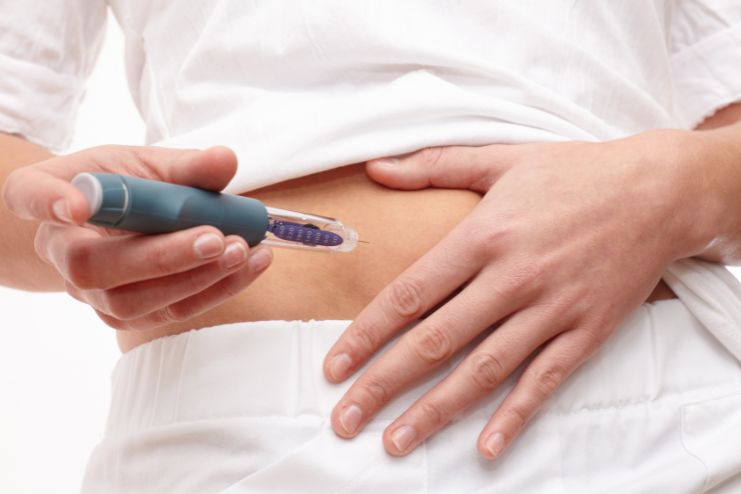
Mounjaro is given as a weekly subcutaneous injection. The dosing schedule is usually started at 2.5 mg weekly, with titration up to a maximum of 15 mg weekly, depending on patient tolerance and therapeutic effect. It’s crucial to stick to the dosing regimen instructed by a healthcare professional to reduce side effects and maximize benefits.
- Proper administration methods are important for safety and efficacy.
- Patients must alternate injection sites between the abdomen, thigh, and upper arm to avoid tissue damage.
- Mounjaro must not be combined with insulin in the same syringe, but they can be injected in the same body area as long as injections do not happen next to each other.
Potential Side Effects and Risks

Common Side Effects:
- Nausea
- Diarrhea
- Appetite loss.
- Vomiting
- Constipation
- Indigestion
- Pain in the abdomen
Serious Risks:
- Thyroid Tumors: Animal studies suggest a risk of thyroid tumors, such as medullary thyroid carcinoma. Whether or not this risk is extrapolated to humans is unknown, but patients with a personal or family history of these disorders should not take Mounjaro.
- Pancreatitis: Inflammation of the pancreas has been reported. Symptoms are severe abdominal pain that radiates to the back, with or without vomiting.
- Hypoglycemia: When used with other glucose-controlling medications, Mounjaro can raise the risk of low blood sugar.
- Kidney Issues: Side effects on the stomach and intestines can cause dehydration, which may worsen kidney function.
- Severe Stomach Problems: A few users complained about severe stomach issues, requiring medical care.
It is important to see a doctor before using Mounjaro in order to determine possible risks and also for appropriate monitoring during the treatment.
Read More: Shadow Boxing for Weight Loss: Can You Punch Your Way to a Leaner Body?
Who Should Consider Mounjaro?
Mounjaro is mostly used for adults with type 2 diabetes to control the level of glycemia. But even people who are overweight or have obesity, particularly those with related medical conditions, can profit from its potential for weight loss. It is important to undergo a detailed medical checkup to decide on suitability, taking into consideration risks and contraindications.
Additionally, its safety during pregnancy and breastfeeding is not established, necessitating caution among such women.
Cost and Accessibility

The price of Mounjaro may fluctuate depending on insurance coverage, location, and pharmacy prices. In certain areas, insurance covers the drug for diabetes treatment but not for weight loss. Patients are encouraged to speak with their insurance company and healthcare providers to determine coverage options and see if they qualify for financial assistance programs provided by the manufacturer.
Regional regulatory approvals can also impact accessibility. For example, Mounjaro is approved for type 2 diabetes in the U.S., but its approval for weight management might vary elsewhere, impacting availability and prescribing habits.
Conclusion
Mounjaro (tirzepatide) is a major breakthrough in the management of type 2 diabetes and has promising weight loss benefits. Its dual activity mechanism targets both blood glucose control and appetite inhibition, which saw significant weight loss in its clinical trials. Still, anyone wishing to use it should be informed of the risks and side effects involved.
Informed dialogue with healthcare professionals is critical to ascertain whether Mounjaro is a suitable choice according to individual health profiles and objectives.
As the medical field continues to evolve, we learn more about Mounjaro. Its potential to address the connected issues of diabetes and obesity is a ray of hope for all of us!
References
- https://investor.lilly.com/news-releases/news-release-details/fda-approves-lillys-mounjarotm-tirzepatide-injection-first-and
- https://pmc.ncbi.nlm.nih.gov/articles/PMC4490680/
- https://www.ema.europa.eu/en/documents/product-information/mounjaro-epar-product-information_en.pdf
- https://investor.lilly.com/news-releases/news-release-details/lillys-surmount-1-results-published-new-england-journal-medicine
- https://investor.lilly.com/news-releases/news-release-details/lillys-surmount-2-results-published-lancet-show-tirzepatide
- https://www.lilly.com/news/media/media-kits/mounjaro
In this Article