















As women cross the milestone of 40, it marks more than just another birthday—it signals a period of transformation within the body, particularly in terms of hormone levels. These internal shifts, often subtle at first, gradually become apparent.
Maybe your energy isn’t what it used to be, your mood feels a little off, or the number on the scale starts creeping up despite no major changes in your habits. It’s not your imagination, these are real effects of hormonal changes that begin to unfold during this stage of life.
Perimenopause, menopause, and post-menopause are all part of the natural rhythm of aging, yet when you’re in the thick of it, nothing about them feels particularly “natural.” Hot flashes, disrupted sleep, irritability, and weight gain are just a few of the common challenges.
But here’s the empowering truth: while we can’t stop the hormonal rollercoaster, we can learn to ride it better—and exercise is one of the most powerful tools we have.
In this article, we’ll explore the best types of exercise for hormonal health after 40.

Understanding Hormonal Changes After 40

Hormonal changes don’t just arrive one day out of the blue—they often start as quiet shifts. Feeling more tired, noticing that your jeans suddenly feel tighter, or being more reactive are symptoms experienced by many women over 40. This indicates that your body is undergoing a hormonal shift.
From a biological standpoint, this stage marks the transition into perimenopause, the period leading up to menopause. During this time, two key hormones—estrogen and progesterone—begin to fluctuate and gradually decline.
These changes can result in:
- Increased fat storage, especially around the midsection.
- Mood swings, anxiety, and irritability.
- Hot flashes and night sweats disrupt daily comfort and sleep.
- Irregular or poor-quality sleep.
- Decreased energy and motivation.
And these aren’t the only hormonal shifts happening. Cortisol (the stress hormone) may increase during midlife, especially in women juggling work, caregiving, and health responsibilities. On top of that, insulin sensitivity tends to decrease, raising the risk for metabolic issues like weight gain and type 2 diabetes.
Thyroid imbalances may also surface, adding to fatigue and mood changes. These changes are real, complex, and often frustrating—but they’re not without solutions.
Read More: Empowering Women: Understanding Hormonal Changes Throughout Life Stages
Why Exercise Is Key to Hormonal Balance After 40

While it’s common to turn to supplements, diets, or hormone therapies, consistent movement is one of the most scientifically supported, low-risk strategies to support hormonal health during this time of transition.
Here’s what the evidence says:
- Regulates Estrogen and Progesterone: Physical activity helps modulate estrogen levels, making the fluctuations less severe and reducing the risk of estrogen-dominant symptoms such as bloating and mood changes.
- Lowers Cortisol: Moderate exercise, such as brisk walking, yoga, strength training, or swimming, has been shown in multiple studies to reduce cortisol, your body’s main stress hormone. Chronic high cortisol can disrupt sleep, increase abdominal fat, and drain energy.
- Improves Insulin Sensitivity: According to the American Diabetes Association, resistance training and aerobic exercise both help your cells respond better to insulin, reducing the risk of prediabetes or type 2 diabetes, a growing concern for women after 40.
- Supports Thyroid Function: Although exercise doesn’t directly increase thyroid hormone production, it improves mitochondrial efficiency and boosts metabolism, both of which are beneficial if your thyroid function is slowing down.
Regular movement is also associated with fewer hot flashes, more stable moods, better sleep quality, and increased daily energy benefits that have been confirmed by women in midlife across countless clinical and lifestyle studies.
Expert Tip: The goal isn’t to push harder or exhaust yourself. It’s to find a balanced, sustainable routine that works with your changing physiology, not against it.
The Best Exercises for Hormonal Health After 40

As women transition through their 40s and beyond, the body undergoes powerful hormonal shifts that affect everything from energy and mood to metabolism and sleep.
But here’s the good news: exercise is one of the most powerful tools for restoring balance and reclaiming vitality. Certain workouts don’t just boost physical strength—they also help regulate key hormones like estrogen, cortisol, insulin, thyroid hormones, and growth hormone.
This guide dives into seven of the most effective types of exercise for hormonal health, explaining how each one supports your body and mind during this unique life stage.
1. Strength Training
Strength or resistance training is one of the most effective ways to improve hormonal health after 40. It helps to:
- Increase resting metabolic rate.
- Improve insulin sensitivity.
- Support healthy estrogen levels.
- Preserve bone density (critical post-menopause).
Recommended Strength Training Exercises:
- Squats
- Lunges
- Deadlifts
- Push-ups
Start with bodyweight exercises or resistance bands. Gradually incorporate dumbbells or kettlebells for increased resistance.
More Benefits:
- Stronger bones and joints.
- Improved posture and muscle tone.
- Higher energy levels.
- Better balance and mobility.
Tip: Aim for 2–3 full-body strength training sessions per week.
2. Yoga
Yoga is a mind-body practice that blends movement, breath, and stillness. It’s especially effective for:
- Reducing cortisol (the stress hormone).
- Supporting adrenal and thyroid function.
- Calming the nervous system.
- Improving menstrual regularity in perimenopause.
Best Yoga Poses for Hormonal Balance:
- Child’s Pose– Promotes deep relaxation.
- Downward Dog– Improves circulation and flexibility.
- Warrior I & II – Builds strength while reducing tension.
Incorporate pranayama (breathwork) techniques like alternate nostril breathing to soothe the endocrine system.
More Benefits:
- Enhanced flexibility and joint health.
- Improved mental clarity and emotional balance.
- Relief from hot flashes and anxiety.
Tip: Even 20 minutes daily can provide noticeable benefits.
3. High-Intensity Interval Training (HIIT)
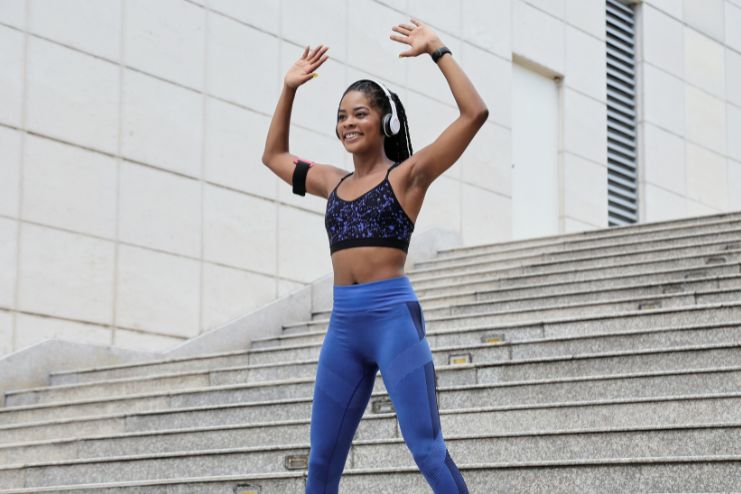
HIIT involves quick bursts of intense activity followed by short recovery periods. It’s ideal for women over 40 because it:
- Stimulates growth hormone production.
- Improves insulin sensitivity.
- Burns fat while preserving muscle.
- Enhances mitochondrial health (energy production).
Sample 20-Minute HIIT Routine:
- 30 sec jumping jacks – 30 sec rest
- 30 sec mountain climbers – 30 sec rest
- 30 sec burpees – 30 sec rest
- 30 sec squats – Repeat 3–4 rounds
More Benefits for Mind and Body:
- Reduces anxiety and depression.
- Boosts stamina and confidence.
- Supports long-term metabolic health.
Tip: 2 sessions per week are enough to see hormonal benefits without overexertion.
4. Walking
Often overlooked, walking is a simple yet highly effective way to:
- Lower cortisol.
- Stabilize insulin levels.
- Boost serotonin and dopamine (mood regulators).
Optimal Walking Routine:
- Aim for 8,000–10,000 steps per day.
- Break into 15–30 minute walks throughout the day.
- Walk after meals to help balance blood sugar.
More Benefits:
- Improves cardiovascular health.
- Enhances sleep and mental well-being.
- Lowers the risk of chronic disease.
Tip: Integrate movement effortlessly into your routine by turning meetings into walking sessions or making family walks a daily habit.
5. Pilates
Pilates is a low-impact, highly focused workout that uses breath and control to:
- Strengthen core muscles and posture.
- Lower cortisol.
- Build lean muscle mass.
Ideal Pilates Exercises:
- Plank – Activates deep core muscles.
- Roll-Up– Improves spine flexibility and strength.
- The Saw– Promotes spinal mobility and coordination.
More Benefits:
- Improves mind-body connection.
- Reduces fatigue and anxiety.
- Increases body awareness.
Tip: Start with 1–2 sessions per week, focusing on slow, intentional movement.
6. Swimming

Swimming is especially beneficial for midlife women because it:
- Works all major muscle groups.
- Enhances cardiovascular fitness.
- Relieves pressure on joints and bones.
Recommended Swimming Plan:
- Alternate between strokes: freestyle, breaststroke, backstroke.
- Swim 30 minutes, 2–3 times a week.
- Add interval laps to increase intensity.
More Benefits:
- Reduces cortisol and tension.
- Increases serotonin and sleep quality.
- Supports metabolism without joint strain.
Tip: Water aerobics and light pool sessions count too!
7. Cardio Exercise
Cardio activities elevate your heart rate and stimulate hormonal health in several ways:
- Lowers stored body fat (which can harbor excess estrogen).
- Improves insulin and thyroid function.
- Enhances endorphin and dopamine release.
Great Cardio Choices:
- Brisk walking
- Jogging or treadmill
- Biking
- Dance-based fitness classes
More Benefits:
- Reduces estrogen dominance.
- Improves sleep, focus, and emotional balance.
- Supports heart and brain health.
Tip: Mix moderate and vigorous cardio 3–4 times weekly for best results.
You don’t need to become a fitness guru overnight. What matters most is finding a sustainable, enjoyable exercise that fits your life and supports your hormones.
Remember, hormonal health isn’t just about surviving your 40s—it’s about thriving through them and beyond.
Read More: Biohacking for Better Hormonal Balance
Creating a Balanced Exercise Routine for Hormonal Health
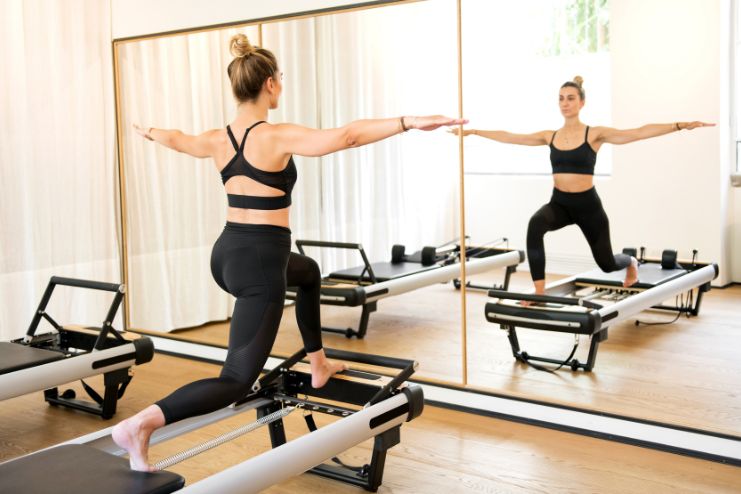
There’s no one-size-fits-all workout for hormonal balance. Instead, building a well-rounded routine that blends various types of movement is the most effective and sustainable approach for women over 40.
This ensures you’re targeting multiple aspects of hormonal health—from cortisol reduction and insulin sensitivity to estrogen regulation and metabolic support.
- Strength Training – 2 to 3 times per week: Supports muscle growth, boosts metabolism, and helps regulate estrogen levels. Focus on compound movements like squats, lunges, deadlifts, and push-ups.
- Cardiovascular Exercise – 3 to 4 times per week: Choose moderate to vigorous options such as brisk walking, cycling, or dance-based workouts. Cardio enhances blood circulation, supports thyroid health, and helps manage weight and insulin levels.
- Yoga or Pilates – 2 times per week: Both practices emphasize breath, alignment, and controlled movement, making them excellent for reducing cortisol and improving mind-body connection. They also improve posture, flexibility, and joint health.
- High-Intensity Interval Training (HIIT) – 1 to 2 times per week: Short bursts of effort followed by rest periods stimulate growth hormone, support lean muscle development, and improve insulin sensitivity. These sessions can be brief yet highly effective.
- Swimming – 1 to 2 times per week (optional): An excellent low-impact option for full-body conditioning. It supports cardiovascular health, boosts serotonin, and reduces joint stress.
The Role of Recovery
A solid exercise routine is incomplete without attention to recovery. Rest and restoration are essential to hormone health.
- Sleep: Aim for 7 to 9 hours of quality sleep per night to support cortisol regulation, metabolism, and cellular repair.
- Hydration: Staying adequately hydrated helps maintain hormonal equilibrium and supports detoxification pathways.
- Rest Days: Take at least one to two full rest days per week to avoid overtraining and hormonal imbalances.
- Stretching and Mobility Work: Incorporating light stretching after workouts enhances muscle recovery and reduces inflammation.
Consistency is more important than intensity. The goal is to create a movement routine that supports your hormones, fits your lifestyle, and is sustainable over time. Choose exercises that you enjoy and that leave you feeling balanced, not burned out.
Read More: Top 8 Hormone-Balancing Foods: Supporting Women’s Hormonal Health Naturally
Frequently Asked Questions (FAQs)
1. What is the most effective exercise for hormonal balance after 40?
The most effective approach combines strength training, cardiovascular workouts, and mind-body practices like yoga or Pilates. This diverse routine addresses metabolic health, stress reduction, and overall hormonal balance.
2. Can exercise genuinely help with menopause and perimenopause symptoms?
Yes. Numerous studies confirm that regular physical activity can ease common symptoms of menopause, including hot flashes, mood swings, sleep disturbances, and weight gain. Exercise also improves mental clarity and emotional resilience during this transition.
3. How frequently should I exercise to support hormonal health?
Aim for at least 4 to 5 days of movement each week. Incorporate a mix of strength training, cardio, and flexibility-focused exercises, while allowing for 1–2 rest or recovery days. Consistency and variety are key to long-term results.
4. Is high-intensity interval training (HIIT) safe for women over 40?
Yes, when practiced with proper technique and moderation. Short HIIT sessions (15–20 minutes) can be safe and effective for women over 40, particularly when paired with sufficient recovery. Always consult your healthcare provider before starting a new high-intensity routine.
5. Why is strength training important for women’s hormonal health after 40?
Strength training supports multiple hormonal functions. It helps balance estrogen levels, improves insulin sensitivity, increases resting metabolism, and protects against age-related muscle and bone loss, making it essential during and after the perimenopausal years.
Conclusion
Hormonal changes after 40 can feel overwhelming, but they don’t have to define you. With the right approach to movement, you can reclaim your energy, stabilize your mood, and support your body through every phase of this transition.
Exercise is not just a tool for weight loss or fitness—it’s a powerful ally for hormonal health. Whether it’s the strength you build in the gym, the calm you cultivate on the yoga mat, or the vitality you feel after a brisk walk, each form of movement plays a role in supporting your physical and emotional well-being.
There’s no perfect routine—only the one that works for you. Start where you are, listen to your body, and commit to consistency over perfection.
References
- https://my.clevelandclinic.org/health/diseases/21608-perimenopause
- https://www.mayoclinic.org/diseases-conditions/perimenopause/symptoms-causes/syc-20354666
- https://navacenter.com/symptoms-of-hormonal-changes-at-40/
- https://www.health.harvard.edu/womens-health/perimenopause-rocky-road-to-menopause
- https://www.echelon.health/ageing-and-hormones-in-women-over-40/
- https://www.draliabadi.com/womens-health-blog/8-ways-womens-bodies-can-change-after-40-and-what-to-do-about-it/
- https://www.healthline.com/health/fitness/how-female-hormones-affect-exercise-at-every-age
- https://www.piedmont.org/living-real-change/how-exercise-helps-balance-hormones
- https://www.medicalnewstoday.com/articles/324031
- https://pmc.ncbi.nlm.nih.gov/articles/PMC11591795/
- https://www.miye.care/en/how-to-cope-with-hormonal-imbalance-after-the-age-of-40/
In this Article