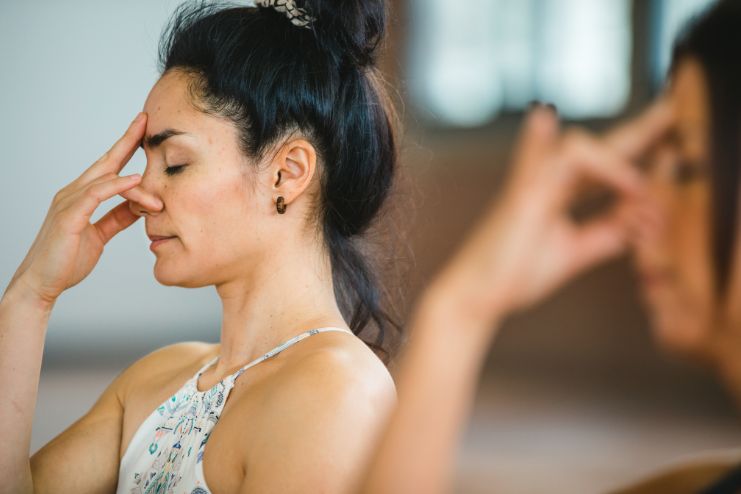
In today’s fast-paced world, sleeplessness, stress, and mental overload have become commonplace rather than the exception. Endless to-do lists, long work hours, and constant distractions pull us further away from balance and peace. While you might think the solution lies in expensive massages or exotic retreats, one of the most effective and accessible tools for managing stress is already within you: your breath.
Breathing isn’t merely a mechanical function that sustains life. When practiced mindfully, controlled respiration can profoundly impact your nervous system, heart rate, blood pressure, and mental health. Clinical studies have shown that simple breathwork can reduce anxiety, improve concentration, and help stabilize emotions.
From ancient yogic pranayama practices to modern therapeutic techniques, the transformative power of conscious breathing is well-documented.
If you’re feeling overwhelmed or disconnected, dedicating just a few minutes daily to breath control can yield remarkable benefits. Here are five scientifically-backed breathing techniques that will help calm your mind, reduce stress levels, and enhance mental clarity.
Read More: 4 Breathing Techniques That Help Burn Fat and Control Appetite Naturally
The Science Behind Controlled Breathing
Before diving into the techniques, it’s important to understand why controlled breathing works so effectively. Your breathing pattern directly influences your autonomic nervous system (ANS), which regulates automatic functions like heart rate, digestion, and stress response.
Shallow, rapid breathing activates the sympathetic nervous system (your “fight or flight” response), while slow, deep breathing engages the parasympathetic system (your “rest and digest” mode), promoting relaxation and healing.
Controlled breathwork helps lower cortisol levels, reduce blood pressure, improve heart rate variability, and enhance oxygen delivery to cells. This improved physiological state supports better mental clarity, emotional resilience, and overall physical health.
5 Breathing Techniques for Stress Relief and Mental Clarity
11. Equal Breathing (Sama Vritti)
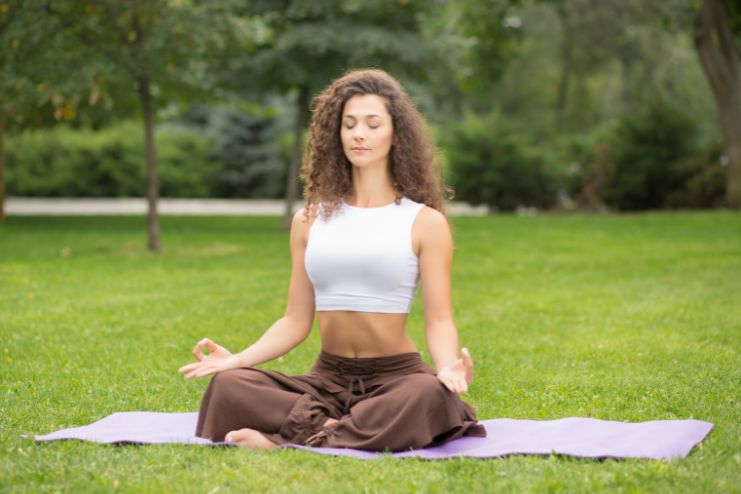
Sama Vritti, meaning “equal fluctuation” in Sanskrit, is a foundational pranayama technique that involves breathing in and out for equal durations. This rhythmic breathing pattern helps balance the sympathetic and parasympathetic nervous systems.
How to Practice:
- Sit or lie comfortably with your eyes closed and shoulders relaxed
- Inhale slowly and deeply through your nose for a count of 4
- Exhale completely and evenly through your nose for the same count of 4
- Keep your mouth gently closed and maintain steady, smooth breathing
- Continue for 5-10 minutes; once comfortable, you can increase the count to 6 or 8
Benefits: Equal breathing activates the vagus nerve, which slows heart rate and promotes calm. It also helps regulate blood pressure and can reduce cortisol levels.
When to Use: Perfect for moments when you feel overwhelmed or before bedtime to prepare your mind for restful sleep. It’s discreet enough to practice at work or in public settings.
22. Diaphragmatic (Belly) Breathing
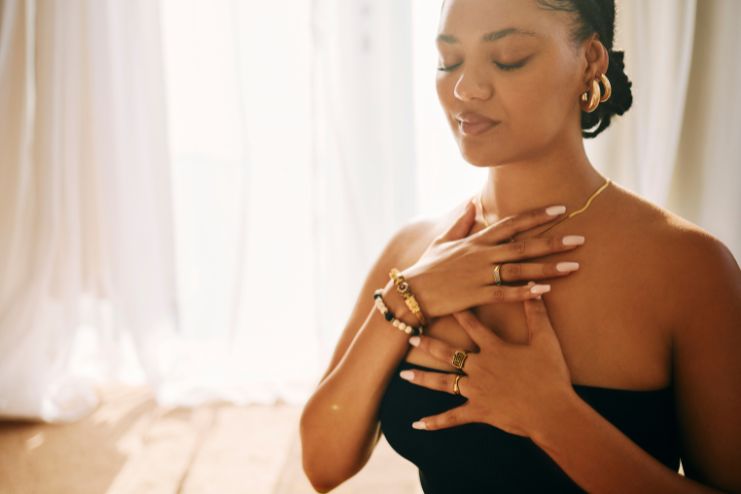
Most people unconsciously breathe with shallow chest breaths, especially during stress, which can actually increase tension and anxiety. Diaphragmatic breathing engages the large dome-shaped muscle beneath your lungs, allowing for deeper, more efficient oxygen exchange and activating your body’s relaxation response.
How to Practice:
- Sit comfortably or lie down
- Place one hand on your chest and the other on your belly
- Breathe slowly through your nose, allowing the hand on your belly to rise while keeping chest movement minimal
- Exhale slowly through your nose or mouth, letting your belly fall naturally
- Continue for 10-15 slow, controlled breaths
- Practice for 5-10 minutes daily
Benefits: Regular diaphragmatic breathing can significantly lower blood pressure and heart rate, reduce anxiety symptoms, and improve emotional regulation. It also enhances oxygen exchange, reducing fatigue and mental fog.
When to Use: Practice before stressful situations like presentations or exams. Breathing apps with biofeedback can help you monitor your progress.
Read More: Nasal Breathing vs. Mouth Breathing: Which Is Better for Your Health?
33. Progressive Muscle Relaxation with Breath
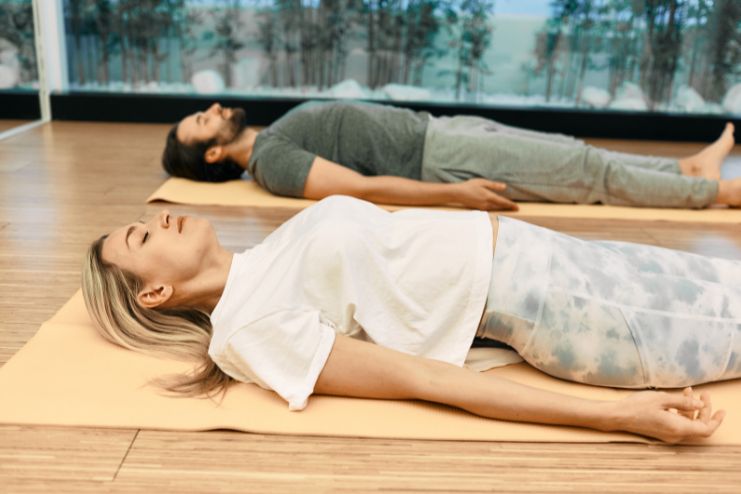
Progressive Muscle Relaxation (PMR) combined with deep breathing is a powerful mind-body technique for releasing physical tension and stress. By systematically tensing and relaxing muscle groups while coordinating your breath, you increase body awareness and achieve deeper relaxation.
How to Practice:
- Sit or lie down in a quiet space
- Close your eyes and begin with several slow, deep breaths
- Start with your feet: tense the muscles while inhaling deeply
- Hold the tension for 5 seconds
- Exhale completely while releasing all tension
- Move systematically upward through calves, thighs, abdomen, hands, arms, shoulders, neck, jaw, and face
- Coordinate deep, slow breathing with each muscle group
- Complete 1-2 full cycles
Benefits: PMR reduces muscle tension and anxiety while lowering cortisol levels and improving sleep quality. The added breath control delivers more oxygen to muscles, promoting faster relaxation.
When to Use: Ideal after long workdays, before bedtime, or whenever you notice physical tension building in your body.
44. Alternate Nostril Breathing (Nadi Shodhana)
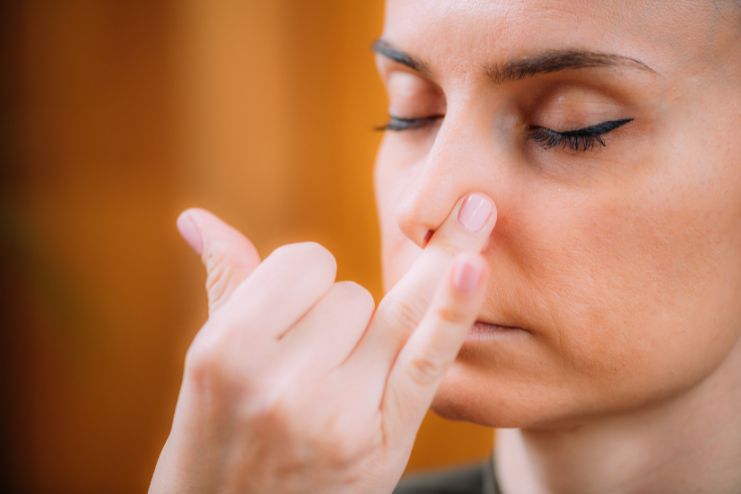
Nadi Shodhana is an ancient yogic pranayama technique designed to balance the body’s energy channels. By alternating breathing between nostrils, this practice promotes mental clarity and emotional equilibrium.
How to Practice:
- Sit comfortably with a straight spine
- Use your right thumb to close your right nostril
- Inhale slowly and deeply through your left nostril
- Use your ring finger to close your left nostril while lifting your thumb
- Exhale through your right nostril
- Inhale through your right nostril
- Close your right nostril and exhale through your left nostril
- This completes one cycle; continue for 5-10 minutes
Benefits: Research shows that alternate nostril breathing improves cognitive function and reduces stress by balancing activity between the brain hemispheres. It also decreases sympathetic nervous system activity, promoting relaxation.
When to Use: Excellent for afternoon breaks, study sessions, or anytime you need mental refreshment and focused concentration.
Read More: Box Breathing Technique – A Beneficial Requisite For Stress Management
55. Kapalabhati Pranayama (Skull-Shining Breath)
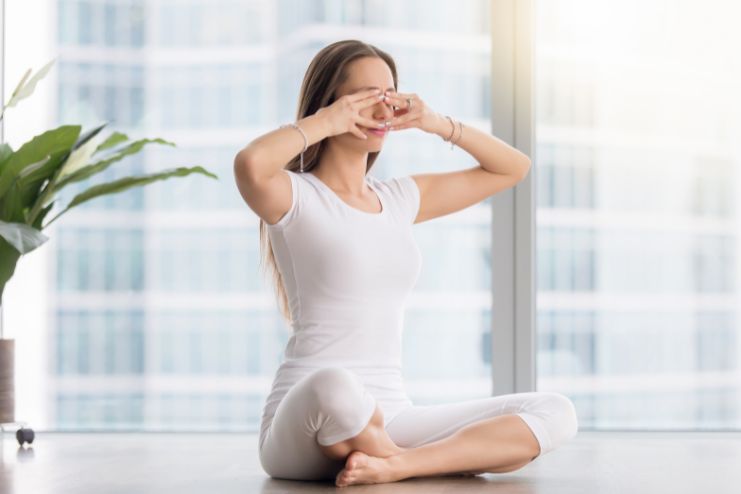
Kapalabhati, known as “skull-shining breath,” is an energizing breathing technique that cleanses the respiratory system while boosting alertness and vitality.
How to Practice:
- Sit with a straight back and relaxed shoulders
- Take a deep inhalation
- Begin rapid, forceful exhalations through your nose by quickly contracting your abdominal muscles
- Allow inhalations to happen naturally and passively
- Start with 20-30 breaths per round, rest briefly, then repeat for up to 3 rounds
Important Note: Avoid this technique if you have high blood pressure, heart conditions, or are pregnant.
Benefits: Kapalabhati improves lung capacity, stimulates digestion, and increases blood oxygen saturation. It’s naturally energizing and helps clear mental fog.
When to Use: Best practiced in the morning or when feeling sluggish—it’s nature’s caffeine-free energy boost.
Making Breathwork a Daily Habit
Consistency is Key: Even 5 minutes daily can create meaningful changes over time.
Create a Quiet Space: Find a peaceful location to minimize distractions during practice.
Use Technology Wisely: Apps like Insight Timer, Breathe, or Pranayama by Saagara can guide beginners effectively.
Listen to Your Body: If you feel dizzy or uncomfortable, slow down or take a break.
Mix and Match: Try different techniques at different times—Sama Vritti before bed, Kapalabhati in the morning.
6Final Thoughts
Your breath is an ever-present ally, always available and completely free. In our pressure-filled world, it serves as a profound resource for restoring balance and tranquility. These five breathing techniques, rooted in ancient wisdom yet validated by modern science, offer practical tools for managing stress, improving sleep, and enhancing mental clarity.
Don’t wait for burnout to derail your well-being. Start your practice today, one breath at a time, and discover the transformative power of conscious breathing.
Controlled breathwork helps lower cortisol (the stress hormone), reduce blood pressure, balance heart rate variability (HRV), and improve oxygen delivery to cells. This improved physiological state supports better mental clarity, emotional resilience, and physical health.
7References
- https://www.prana-sutra.com/post/sama-vritti-pranayama-box-breathing
- https://www.sciencedirect.com/science/article/abs/pii/S1744388121000141
- https://pmc.ncbi.nlm.nih.gov/articles/PMC10741869/
- https://www.arogyayogaschool.com/blog/nadi-shodhana-pranayama-the-cleansing-breath/
- https://www.va.gov/WHOLEHEALTHLIBRARY/tools/progressive-muscle-relaxation.asp
In this Article