














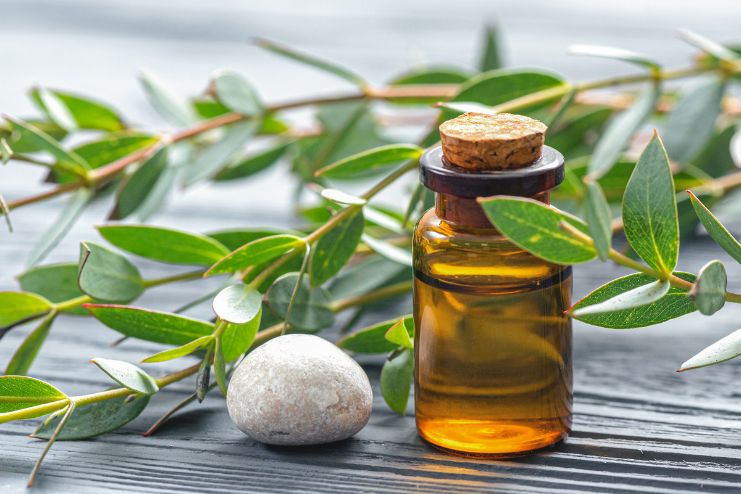
Essential oils have become increasingly popular in American households, with each offering unique therapeutic properties. Some promote relaxation and better sleep, while others provide an energizing boost. Today, we’re exploring the remarkable health benefits of eucalyptus essential oil and how you can incorporate it into your daily wellness routine.
Eucalyptus essential oil, distilled from the leaves of the Australian eucalyptus tree, has been the subject of extensive clinical research. Recent studies have confirmed its potent antimicrobial properties, making it effective against various bacteria, fungi, and viruses. This powerful essential oil contains active compounds that can help reduce inflammation and support overall health.

Read More: Top Functions of Eucalyptus Essential Oil
Primary Uses of Eucalyptus Essential Oil
11. Respiratory Relief and Sinus Support
Eucalyptus oil is widely recognized for its effectiveness in treating respiratory conditions. Research shows that it can help alleviate symptoms of sinusitis, bronchitis, and the common cold. The oil’s antimicrobial properties work by fighting respiratory infections and reducing inflammation in the airways.
How to use: You can apply eucalyptus oil topically by mixing it with a carrier oil (such as coconut or jojoba oil) and massaging it onto your chest, neck, and shoulders. For aromatherapy benefits, add a few drops to a diffuser or create a steam inhalation by adding drops to a bowl of hot water and breathing the vapors with a towel over your head.
Safety note: Always dilute eucalyptus oil with a carrier oil before applying to skin, and avoid use on children under 3 years of age.
22. Natural Household Cleaner

Eucalyptus oil serves as an effective, non-toxic cleaning agent that’s particularly valuable for families with children and pets. Its antimicrobial properties make it excellent for disinfecting surfaces, while its natural composition avoids harsh chemicals found in commercial cleaners.
How to use: Mix several drops of eucalyptus oil with water in a spray bottle to create a natural cleaning solution. This mixture can effectively remove stains and disinfect various surfaces throughout your home.
33. Energy and Mental Clarity
Unlike some essential oils that promote relaxation, eucalyptus oil has stimulating properties that can help combat fatigue and improve mental focus. This makes it particularly useful for those experiencing exhaustion from work stress, lack of sleep, or travel.
How to use: Add a few drops to your diffuser during work hours, or apply diluted oil to pulse points for an energizing effect. Some people find success adding a drop to their morning tea or coffee, though this should be done cautiously and only with high-quality, food-grade oils.
Read More: 10 Best Essential Oil Blends for Detoxification and Wellness
44. Asthma and Breathing Support
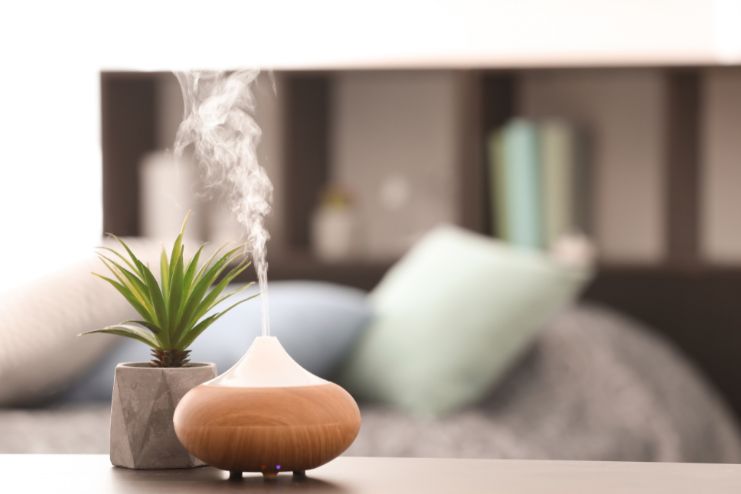
Research indicates that eucalyptus oil may provide relief for asthma symptoms, similar to its effectiveness with other respiratory conditions. The oil’s anti-inflammatory properties can help open airways and reduce breathing difficulties.
How to use: Use in a diffuser to inhale the vapors, or dilute with a carrier oil and apply to the chest area. Always consult with a healthcare provider before using essential oils as part of asthma management.
55. Pain and Inflammation Relief

Recent studies have highlighted eucalyptus oil’s anti-inflammatory properties, making it useful for relieving muscle and joint pain. The oil’s cooling effect can provide temporary relief from soreness and inflammation.
How to use: Mix with a carrier oil and massage into affected areas. The oil can be particularly helpful for post-workout recovery or general muscle tension.
66. Antimicrobial and Wound Care
Eucalyptus oil’s proven antimicrobial properties make it valuable for minor wound care and skin disinfection. Its ability to fight bacteria, viruses, and fungi can help prevent infection in minor cuts and scrapes.
How to use: Dilute with a carrier oil and apply to clean, minor wounds. Always clean wounds thoroughly before application and consult a healthcare provider for serious injuries.
77. Insect Repellent
Eucalyptus oil, particularly oil of lemon eucalyptus (OLE), has been recognized by the CDC as an effective mosquito repellent. This natural alternative to DEET provides protection against various insects.
How to use: Dilute with a carrier oil and apply to exposed skin, or use in a diffuser to create an insect-repelling environment. Note that OLE has a different chemical composition than regular eucalyptus oil.
Read More: Manage Psoriasis With Essential Oils
Safety Considerations and Precautions
While eucalyptus oil offers numerous benefits, it’s important to use it safely:
- Always dilute with a carrier oil before topical application
- Avoid use on children under 3 years of age
- Do not apply undiluted oil directly to skin
- Consult healthcare providers before using during pregnancy or while breastfeeding
- Keep away from eyes and mucous membranes
- Store safely away from children and pets
Choosing Quality Eucalyptus Oil
When selecting eucalyptus essential oil, look for:
- 100% pure, therapeutic-grade oil
- Proper botanical name (Eucalyptus globulus or Eucalyptus radiata)
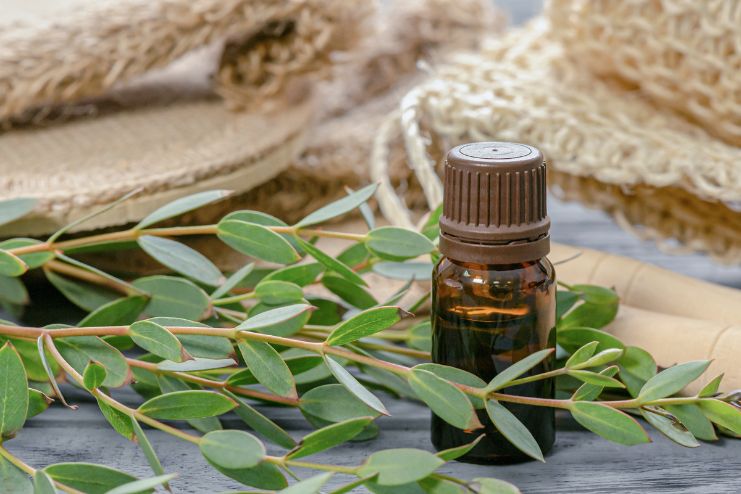
- Dark glass bottles to preserve potency
- Reputable manufacturers with third-party testing
Here are a few of our favorite Eucalyptus Essential oils, available online:
8Conclusion
Eucalyptus essential oil offers a wide range of health benefits backed by scientific research. From respiratory support and natural cleaning to pain relief and antimicrobial protection, this versatile oil can be a valuable addition to your natural health toolkit. Remember to always use essential oils safely and consult with healthcare professionals when using them for specific health conditions.
With proper use and quality products, eucalyptus oil can provide natural, effective support for various aspects of your health and home care routine.
In this Article