












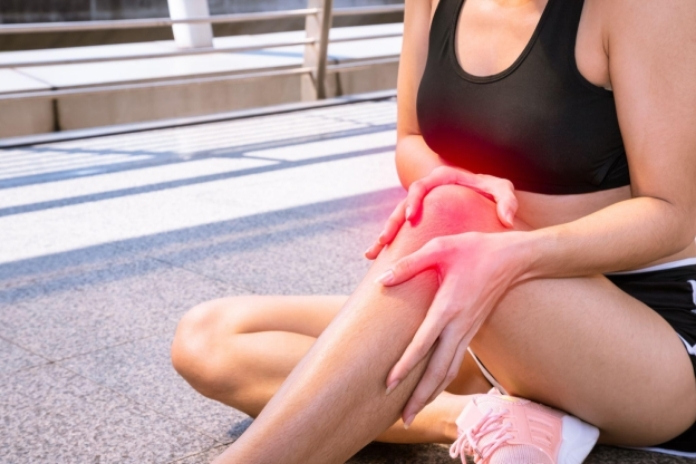
Experiencing swelling, tightness, or pain behind your knee? You might be dealing with a Baker’s cyst, also known as a popliteal cyst.
This condition develops when excess joint fluid collects behind the knee, usually due to arthritis, cartilage damage, or a knee injury. Swelling behind the knee, stiffness, and occasional pain, especially when the knee is extended or bent, are the most common signs.
The good news is that many people find real relief through natural approaches. In this article, you’ll learn about research-backed home remedies, safe exercises, recovery timelines, prevention strategies, and when medical treatment becomes necessary.
What Causes a Baker’s Cyst?
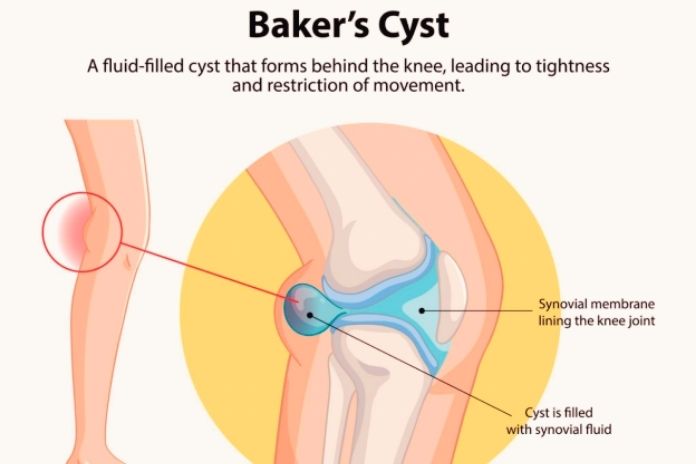
A Baker’s cyst, also known as a popliteal cyst, forms when inflammation in the knee joint triggers the overproduction of synovial fluid, the lubricating liquid that cushions the joint. When there’s too much of this fluid, it gets pushed into a pouch-like structure at the back of the knee, forming the cyst.
In adults, Baker’s cyst is most often linked to degenerative conditions such as osteoarthritis, rheumatoid arthritis, and meniscal tears. Research indicates that up to 94% of adult Baker’s cysts are associated with underlying joint pathology.
When a meniscal tear is present, the meniscus acts as a one-way valve, pushing synovial fluid out of the joint and into the cyst cavity.
Symptoms of a Popliteal Cyst
The most common signs of a Baker’s cyst include:
- A visible lump or bulge behind the knee
- Stiffness
- A dull ache that worsens when the knee is fully straightened or bent.
In more severe cases, the knee cyst can rupture, releasing fluid into the calf and causing sudden, sharp pain and lower-leg swelling.
These symptoms can closely resemble deep vein thrombosis (DVT), so a proper diagnosis matters. A healthcare professional can confirm whether you have a Baker’s cyst and recommend appropriate treatment options for knee cysts.
RICE Method for Baker’s Cyst Relief
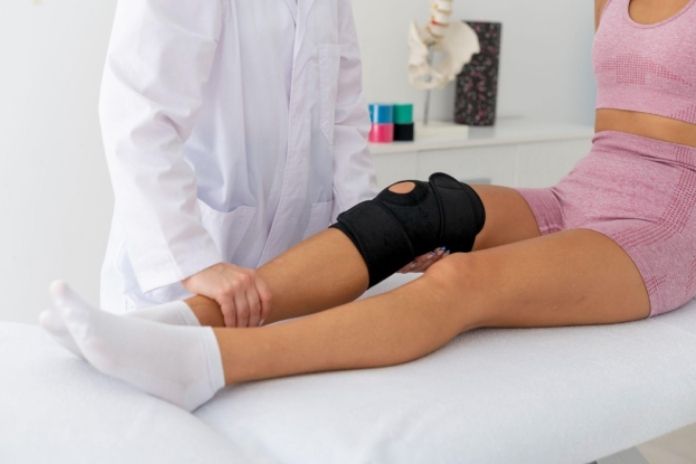
One of the simplest and most commonly recommended approaches for easing Baker’s cyst or popliteal cyst discomfort is the RICE method. This gentle technique helps reduce swelling and supports the body’s natural healing response without putting additional strain on the knee.
Rest
Allow the knee time to recover, especially during flare-ups. Cut back on activities that involve excessive bending, kneeling, or joint strain. Light movement is still beneficial, but overexertion should be avoided.
Ice
Apply a cold compress to the back of the knee for about 15 to 20 minutes at a time to calm inflammation and ease pain. Wrap the ice pack in a soft cloth to protect the skin, and repeat a few times throughout the day when swelling is noticeable.
Compression
A supportive knee wrap or elastic bandage helps control fluid buildup and provides gentle stability. It should feel firm but not tight enough to cause numbness or discomfort.
Elevation
Keeping the leg propped up on a pillow while resting allows excess fluid to drain more effectively. Raising the knee slightly above heart level for short periods can noticeably reduce swelling over time.
Natural Remedies for Baker’s Cyst: What the Research Says
The remedies below include those with clinical research support as well as traditional approaches backed by anecdotal use. Where evidence is limited, this is clearly noted so you can make informed decisions.
Science-Backed Remedies
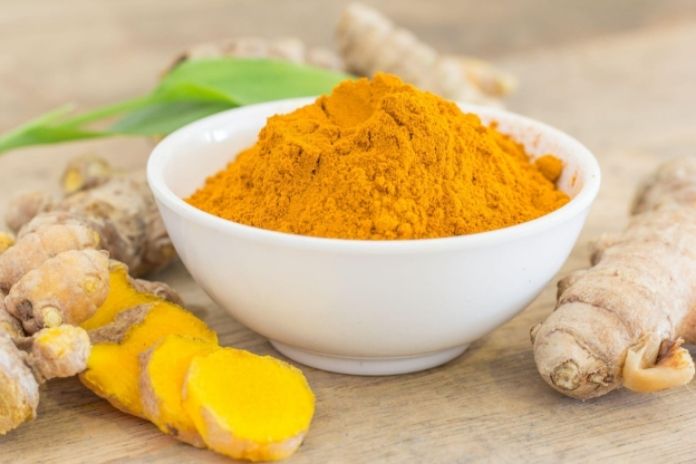
Turmeric contains curcumin, a compound with well-documented anti-inflammatory properties. Multiple meta-analyses of randomized controlled trials have found that curcumin supplements significantly reduce knee pain and improve joint function compared to placebo, particularly in people with osteoarthritis, which is the most common underlying cause of Baker’s cyst.
Adding turmeric to meals or taking a standardized curcumin supplement daily may help reduce inflammation and ease symptoms over time.
Ginger
Ginger contains bioactive compounds, including gingerols and shogaols, that have anti-inflammatory and analgesic effects. A meta-analysis of five randomized controlled trials found that oral ginger produced a statistically significant reduction in pain and disability in osteoarthritis patients, though the evidence is of moderate quality.
Drinking ginger tea once or twice daily, or taking a standardized ginger supplement, may offer modest joint pain relief.
Ice Pack Therapy
Applying an ice pack to the affected knee helps reduce swelling and numbs pain by slowing fluid movement around the joint.
Use a cloth barrier between ice and skin, and apply for 15 to 20 minutes at a time, several times per day during flare-ups.
Elastic or compression bandages reduce fluid accumulation around the knee joint and provide gentle stability. Wearing one during activity can help manage swelling and ease discomfort throughout the day.
Magnesium plays a role in muscle relaxation and helps regulate inflammatory pathways in the body. Taking a daily supplement as directed may support overall joint health.
Consult a healthcare provider before adding any new supplement, especially if you take other medications.
Flaxseed oil is rich in alpha-linolenic acid (ALA), a plant-based omega-3 fatty acid with anti-inflammatory properties. A randomized controlled trial in patients with rheumatoid arthritis found that flaxseed supplementation significantly reduced joint pain, morning stiffness, and inflammatory markers compared to placebo.
Adding flaxseed oil to salad dressings or taking it as a daily supplement may help reduce knee inflammation over time.
Arnica gel or cream is used topically for its analgesic and anti-inflammatory effects. Applied to the back of the knee, it can provide localized relief. It is widely used in sports medicine and is generally well tolerated on intact skin.
A 2003 trial showed Arnica gel significantly improved pain, stiffness, and function in knee osteoarthritis (a common cause of cysts) after 3-6 weeks of twice-daily use, with good tolerability.
Avoid applying to broken or irritated areas.
Willow bark contains salicin, a compound that works similarly to aspirin by blocking prostaglandins that trigger pain and inflammation. A meta-analysis of six randomized controlled trials found significant pain relief and improved physical function with willow bark compared to placebo in people with arthritis.
It can be taken as a tea or oral supplement. Willow bark should be avoided by anyone with an aspirin allergy, bleeding disorders, or those taking blood-thinning medications.
Epsom Salt Compress
Dissolving Epsom salt in warm water and using the solution as a warm compress is a time-honored remedy. The heat itself helps ease muscle tension and improves circulation around the joint.
While skin absorption of magnesium from Epsom salt is unlikely to be significant, many people find warm compresses genuinely soothing for stiffness and discomfort, and this approach is safe when used as directed.
Rest and Elevation
Resting the affected knee and keeping it elevated above heart level reduces swelling and supports fluid drainage from the joint. This simple measure works well alongside other treatments and supports the body’s natural healing process.
Traditional Remedies with Anecdotal Support (Limited Clinical Evidence)
The following remedies are commonly used and generally safe, but current clinical evidence in humans is limited. They may be worth trying as part of a broader self-care approach.
Apple cider vinegar is a popular folk remedy, but the Arthritis Foundation considers ACV a food myth for arthritis, and no large human clinical trials have confirmed anti-inflammatory effects for joint conditions.
Scientific evidence supporting its use for inflammation is limited, and topical application can cause skin irritation if not well diluted. If you try it, always dilute thoroughly before applying to skin or drinking. Avoid using undiluted ACV on the skin.
Cayenne pepper contains capsaicin, a compound that temporarily reduces pain sensation by desensitizing nearby nerve endings. Topical capsaicin is used clinically for pain management, though no clinical trials exist specifically for Baker’s cyst.
A small amount of cayenne mixed with a neutral carrier oil can be applied as a paste to the back of the knee once daily. Wash hands thoroughly after use and avoid contact with the eyes.
Relief & Recovery
12 Home Remedies for a Baker’s Cyst
| Remedy | How It Helps | Application Method | Frequency |
|---|---|---|---|
| Turmeric | Anti-inflammatory | Food or supplement | Daily |
| Ginger | Pain relief / Mobility | Tea or supplement | 1–2 times daily |
| Ice Therapy | Reduces inflammation | Ice pack, 15–20 min | Every 2–3 hours |
| Compression Bandage | Prevents fluid buildup | Knee wrap | During activity |
| Flaxseed Oil | Joint support | Dietary intake | Daily |
| Willow Bark | Natural pain relief | Tea or supplement | As directed |
| Epsom Salt | Muscle relaxation | Warm compress | 1–2 times daily |
| Arnica | Topical pain relief | Topical gel | 1–2 times daily |
| Magnesium | Joint support | Supplement | As directed |
| Apple Cider Vinegar | Anecdotal relief | Diluted compress | Once daily |
| Cayenne Pepper | Nerve pain relief | Topical paste in carrier oil | Once daily |
| Rest and Elevation | Fluid drainage | Leg elevation | Several times daily |
Best Exercises for Baker’s Cyst Relief
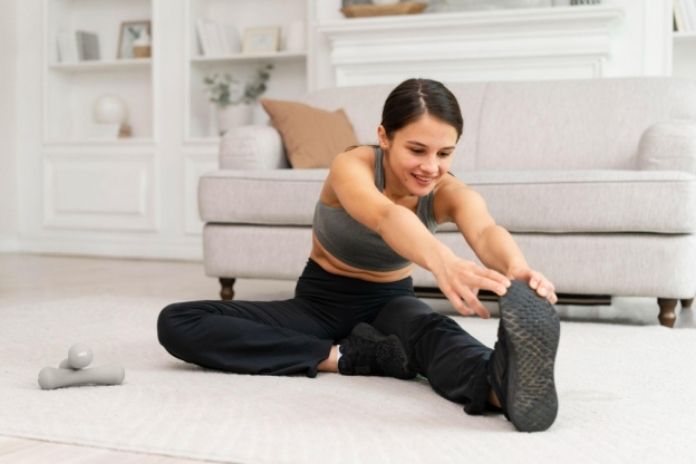
Gentle movement plays an important role in Baker’s cyst recovery. While intense exercise can aggravate symptoms, light stretching and strengthening exercises improve flexibility and help the knee function more comfortably.
Move slowly and do not force the joint. If discomfort increases during any movement, stop and rest.
Hamstring Stretch
Sit comfortably with one leg extended and the other bent inward. Slowly lean forward toward the extended leg until a mild stretch is felt along the back of the thigh. Hold for 20 to 30 seconds and repeat a few times on each side.
Quadriceps Tightening
While sitting or lying down with the leg straight, gently tighten the muscles at the front of the thigh and press the knee downward. Hold briefly, then release. This helps maintain muscle support around the knee without straining it.
Calf Stretch
Stand facing a wall, placing one foot slightly behind the other. Keeping the back heel flat on the ground, lean forward gently until a stretch is felt in the calf. Hold for 20 to 30 seconds and repeat on both sides.
Heel Slides
Lie on your back and slowly slide your heel toward your body, bending the knee comfortably. Straighten the leg again and repeat. This encourages smooth joint movement without excessive strain.
Gentle Wall Support Squats
With your back resting against a wall, slowly bend the knees slightly — only as far as comfortable — then return to standing. Keep the movement shallow and controlled.
Seated Knee Bends
While seated in a chair, gently bend and straighten the knee in a relaxed motion for a minute or two to maintain flexibility.
These exercises may be practiced several times a week, based on comfort level. The goal is to maintain mobility without increasing swelling.
Activities to Avoid With Baker’s Cyst
Certain movements increase pressure within the knee joint and can aggravate symptoms of a popliteal cyst. Being mindful of these during recovery helps prevent flare-ups:
- High-impact activities such as running or jumping
- Deep squatting or lunging movements
- Frequent stair climbing
- Prolonged kneeling
- Standing or sitting in one position for long stretches without movement
Modifying daily habits and taking breaks throughout the day can make a noticeable difference in managing discomfort.
How Long Does Baker’s Cyst Recovery Take?
Recovery timelines vary. In mild cases, swelling may gradually decrease within a few weeks when supportive care and lifestyle changes are followed consistently. When the cyst is linked to a chronic condition such as arthritis, improvement may take longer and depends largely on managing the underlying cause.
Patience and consistency matter. Natural remedies and gentle exercises tend to produce gradual relief rather than immediate results. Some popliteal cysts resolve on their own over time, while others require medical intervention to address the root joint problem.
Compare Your Options
Home Remedies vs. Medical Treatments
| Approach | Effectiveness | Cost | Time to Results | Best Used When |
|---|---|---|---|---|
| Home Remedies | Mild to moderate relief | Low | Weeks to months | Early or mild symptoms |
| Physical Therapy | Highly effective | Moderate | Several weeks | Mobility limitations |
| Medication (Anti-inflammatories) | Fast symptom relief | Moderate | Days to weeks | Pain and inflammation |
| Fluid Drainage (Aspiration) | Immediate relief | Higher | Immediate but temporary | Large cyst causing discomfort |
| Surgery | Long-term solution | High | Months | Severe or recurrent cyst |
How to Prevent Baker’s Cyst
 Preventing recurrence means caring for the knee joint as a whole. Small daily habits go a long way toward reducing strain and supporting long-term joint health:
- Warm up before physical activity and cool down afterward
- Wear supportive footwear during exercise
- Maintain a healthy body weight to reduce pressure on the knee
- Strengthen the muscles surrounding the knee through regular low-impact exercise
- Address knee pain or injury promptly rather than pushing through symptoms
Lifestyle Tips to Manage a Baker’s Cyst
Managing a Baker’s cyst well goes beyond treating symptoms. Long-term relief often depends on consistent daily habits.
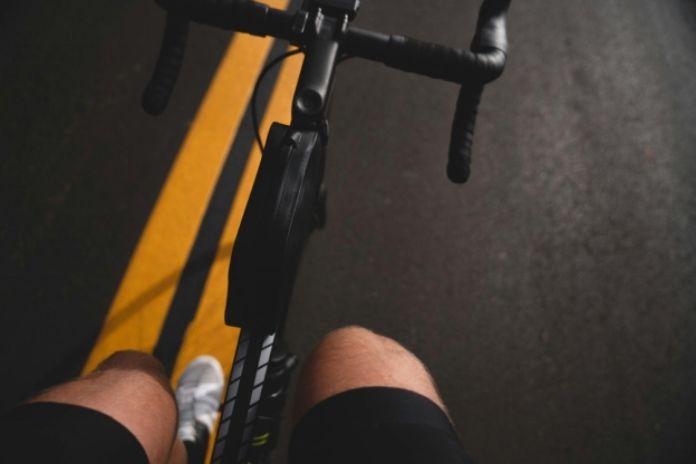
Exercise regularly. Low-impact activities such as swimming or cycling keep joints flexible and build the muscles around the knee without worsening the cyst.
Manage your weight. Maintaining a healthy body weight reduces pressure on the knee joint and may help slow cyst growth or prevent recurrence.
Mind your posture. Good posture reduces uneven stress on the knees and keeps joints properly aligned throughout the day.
Break up long periods of sitting or standing. Alternate positions regularly and take short movement breaks every 30 to 60 minutes to reduce stiffness and prevent fluid from pooling.
Focus on hydration and nutrition. Staying well hydrated and eating plenty of anti-inflammatory foods — including fruits, vegetables, fatty fish, and omega-3-rich oils — supports overall joint health.
Manage stress. Chronic stress can increase systemic inflammation. Gentle yoga, breathing exercises, or regular walks may help keep inflammation in check over time.
When to See a Doctor for a Baker’s Cyst
Baker’s cyst home treatment is quite possible, but certain signs call for prompt medical attention.
Severe pain or rapidly increasing swelling. This may signal a ruptured cyst or deep vein thrombosis, both of which need evaluation. Sudden worsening of swelling behind the knee or in the calf, particularly with tightness or tenderness, should be assessed right away.
Difficulty walking or moving. Persistent trouble bending the knee, bearing weight, or walking normally warrants a doctor’s evaluation. Ongoing stiffness or locking of the knee can also point to cartilage injury or worsening inflammation.
Redness or warmth around the joint. These signs can indicate infection. Spreading tenderness, skin discoloration, or warmth around the knee or calf should not be ignored.
Fever or chills alongside knee swelling. This combination may indicate a systemic infection requiring prompt treatment. General fatigue or body aches paired with joint swelling should also be evaluated.
No Improvement with Home Remedies: If the symptoms do not improve with self-care measures or worsen over time, it is recommended that you speak with a physician to investigate alternative therapies or interventions.
Persistent swelling or repeated flare-ups often point to an underlying joint condition that may benefit from targeted medical treatment (knee cyst treatment).
Signs of a Ruptured Baker’s Cyst
In some cases, a Baker’s cyst may burst, releasing fluid into the calf muscles. Symptoms may include:
- Sudden sharp pain behind the knee or calf
- A sensation of warm fluid running down the calf
- Swelling and redness in the lower leg
- Bruising around the ankle or foot
These symptoms closely resemble those of a blood clot and require immediate medical evaluation.
Signs of Deep Vein Thrombosis (DVT)
Although uncommon, Baker’s cyst symptoms can resemble DVT, which is a potentially life-threatening condition. Seek emergency medical care if you experience:
- Severe calf swelling or tightness
- Warm or discolored skin on the lower leg
- Persistent or worsening calf pain
- Shortness of breath or chest pain (which may indicate a clot traveling to the lungs)
Diagnostic Tests Doctors May Recommend
To confirm the diagnosis and identify the underlying cause, a healthcare provider may recommend:
- Ultrasound:Helps detect fluid buildup and distinguish Baker’s cyst from blood clots or other soft tissue problems.
- MRI scan:Provides detailed images of cartilage, ligaments, and joint structures to identify tears or arthritis-related damage.
- X-rays:Used to detect arthritis or structural abnormalities in the knee joint.
- Physical examination:Doctors assess knee mobility, swelling patterns, and pain response to evaluate severity and possible causes.
Conclusion
Baker’s cyst home treatment is possible, especially in the early or mild stages. Evidence-backed remedies, including turmeric, ginger, flaxseed oil, willow bark, compression, and the RICE method, offer real options for popliteal cyst relief without medications or procedures. Pairing these with gentle exercises and consistent lifestyle habits supports recovery and reduces the risk of the cyst coming back.
That said, home remedies work best as a complement to medical care, not a replacement for it. A healthcare professional can accurately diagnose your condition, identify any underlying knee joint issues, and recommend the most effective treatment plan for your situation. If symptoms are severe, worsening, or not improving, do not delay in seeking care.

References
- Leib, A. D., Roshan, A., Foris, L. A., & Varacallo, M. A. (2025). Baker cyst. In StatPearls [Internet]. StatPearls Publishing.
- Frush, T. J., & Noyes, F. R. (2015). Baker’s cyst: Diagnostic and surgical considerations. Sports Health, 7(4), 359–365.
- Leigheb, M., Pogliacomi, F., Bosetti, M., Bistolfi, A., Bettini, L., & Grassi, F. A. (2025). Ruptured Baker’s cyst demystified: Current evidence, diagnostic strategies, and treatment options for an under-recognized condition. Cureus.
- Corciova, A., Benea, A., Ivanescu, B., & Mircea, C. (2024). Effect of turmeric products on knee osteoarthritis: A systematic review and network meta-analysis. Nutrients.
- Wang, Z., Singh, A., Jones, G., Winzenberg, T., Ding, C., Cicuttini, F., & Cai, G. (2021). The efficacy of high- and low-dose curcumin in knee osteoarthritis: A systematic review and meta-analysis. Phytotherapy Research, 35(11), 6095–6103.
- Shep, D., Khanwelkar, C., Gade, P., & Bhatt, S. (2023). Efficacy and safety of curcumin therapy for knee osteoarthritis: A Bayesian network meta-analysis. Journal of Ethnopharmacology, 316, 116854.
- Bartels, E. M., Folmer, V. N., Bliddal, H., Altman, R. D., Juhl, C., Tarp, S., Zhang, W., & Christensen, R. (2015). Efficacy and safety of ginger in osteoarthritis patients: A meta-analysis of randomized placebo-controlled trials. Osteoarthritis and Cartilage, 23(1), 13–21.
- Ghaseminasab-Parizi, M., Nazarinia, M.-A., & Akhlaghi, M. (2022). The effect of flaxseed with or without anti-inflammatory diet in patients with rheumatoid arthritis: A randomized controlled trial. European Journal of Nutrition, 61(3), 1377–1389.
- Goldberg, R. J., & Katz, J. (2007). A meta-analysis of the analgesic effects of omega-3 polyunsaturated fatty acid supplementation for inflammatory joint pain. Pain, 129(1–2), 210–223.
- Lin, C.-R., Tsai, S. H. L., Wang, C., Lee, C.-L., Hung, S.-W., Ting, Y.-T., & Hung, Y. C. (2023). Willow bark (Salix spp.) used for pain relief in arthritis: A meta-analysis of randomized controlled trials. Life, 13(10), 2058.
- Knuesel O, Weber M, Suter A. Arnica montana gel in osteoarthritis of the knee: an open, multicenter clinical trial. Adv Ther. 2002 Sep-Oct;19(5):209-18.
In this Article