












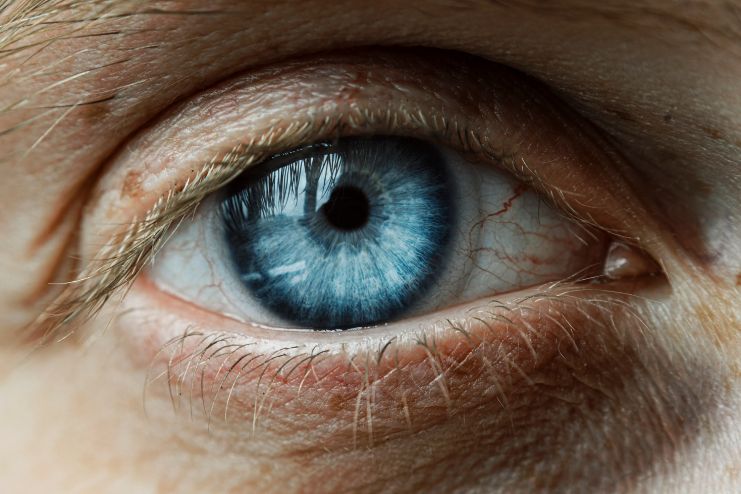
Many changes in the body gradually become apparent with age. Such changes may sometimes be a cause of annoyance. Eye floaters also fall under this category, as they are a bothersome issue common in people over 50. Many try to ignore eye floaters until they become more prominent.
Eye floaters can be distracting at first, but they tend to “settle” at the bottom of the eye and become less bothersome over time. However, they should not be ignored in some instances. Read on to learn about the symptoms, causes, and treatment for eye floaters.
What are Eye Floaters?
Eye floaters are specks or cobweb-like shapes that appear in the field of vision. These floaters may appear as thread-like strands, spots, or squiggly lines in dark, small, shadowy areas. Most floaters move with your eye movements but tend to drift when your eyes stop moving.
Many individuals who begin experiencing eye floaters often do so without any prior family history of retinal detachment or tears. Floaters may start to appear for many people between the ages of 50 and 70.
Steven Yeh, MD, explains that highly nearsighted patients experience floaters more often than the general population, though other factors like recent trauma or uveitis (eye inflammation) can also cause them.
Symptoms of Eye Floaters
- Small shapes in your vision
- Appearance of dark specks or knobby, transparent strings
- Moving spots while moving your eyeballs
- Spots become noticeable when you gaze at a plain, bright background
- Small strings that eventually settle down
What are the Causes of Eye Floaters?

Floaters occur when the vitreous, a gel-like substance, shrinks, a process that typically happens with increasing age. Ideally, the substance fills 80% of the eye and helps maintain its round shape.
However, when vitreous shrinkage occurs, tiny shadows can be cast on the strands of the retina, which are known as floaters. The floaters tend to settle below the line of sight, making them less bothersome.
Other causes of floaters include:
- Inflammation (uveitis)
- Infection
- Retinal tears
- Hemorrhaging
- Eye injury
- Age over 50
- Nearsightedness
- Diabetic retinopathy
- Eye trauma
- Eye inflammation
Thus, older adults, people with nearsightedness, diabetic patients, or those who have had cataract surgery are at increased risk of developing eye floaters.
Inflammation in the layers of the uvea at the back of the eye is called posterior uveitis. This condition causes inflammatory debris to be released into the vitreous, resulting in floaters. It can be caused by inflammation or infection.
Hypertension, diabetes, blocked blood vessels, and injuries can cause bleeding into the vitreous. This bleeding can cause blood cells to appear as floaters in the eye.
Sometimes, retinal tears can cause floaters. When a sagging vitreous tugs on the retina with enough force, a retinal tear occurs, which may lead to retinal detachment.
Air bubbles can form when certain medications are injected into the vitreous. These bubbles are seen as shadows until the eye absorbs them. Additionally, silicone oil bubbles introduced into the vitreous can appear as floaters.
What Causes Eye Flashes?
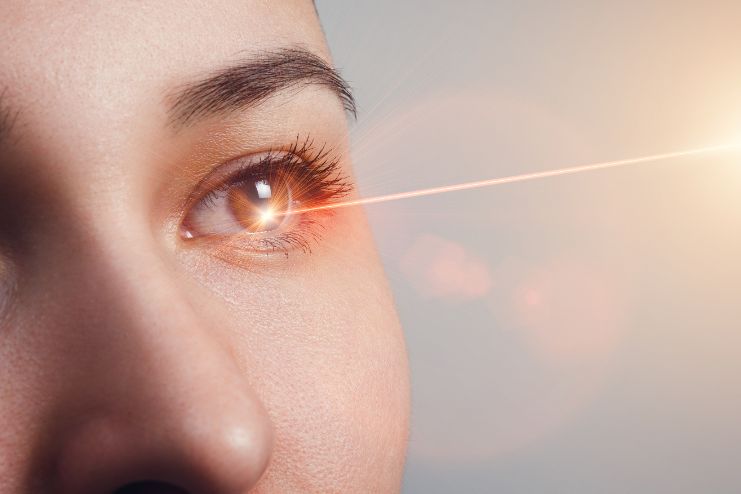
The retina gets stimulated by light entering the eye, which produces an electrical impulse. The optic nerve transmits this impulse to the brain, where it is interpreted as light or an image. This results in an eye flash. The impulse can be construed as a flicker of light when the retina is mechanically stimulated, as a similar electrical impulse is sent to the brain.
- Mechanical Stimulation of the Retina: Additionally, a flicker or flash of light may be noticed when the retina is tugged, detached, or torn from the back of the eye. These flashes may be short-lived or may continue indefinitely, depending on the extent of the traction.
- “Seeing Stars” After a Head Injury: A blow to the head may also cause photopsias (flashes) due to vitreous shrinkage inside the eye. This phenomenon is often referred to as “seeing stars.”
- Blood Vessel Spasms and Migraines: Blood vessel spasms in the brain may also cause flashes that appear as jagged lines or heat waves in both eyes. These may or may not be accompanied by a migraine headache.
Complications of Eye Floaters

Complications associated with eye floaters that may require treatment include:
1. Vitreous Detachment
Vitreous detachment is a condition in which several new floaters suddenly appear. This happens when a section of the vitreous pulls on the retinal fine fibers all at once, rather than gradually. Many times, it is not threatening to vision.
2. Retinal Detachment with Floaters
A serious condition, retinal detachment, can be an extreme case of eye floaters and requires immediate treatment, as it may cause visual impairment and even permanent vision loss.
Visit your eye care professional if you experience:
- Light in peripheral vision
- Increase in floaters
- Light flashes
Your doctor will conduct a complete eye exam, including eye dilation, to check the back of your eyes and the vitreous. Then, they will determine the cause of the floaters.
How to Treat Eye Floaters?
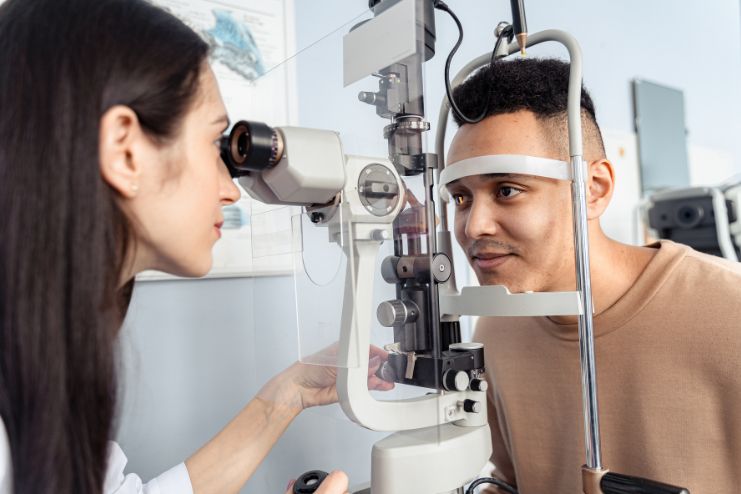
Most of the time, no treatment is needed for eye floaters, even though they can be annoying. In cases where the floaters are dense and numerous, vision may be affected, and vitrectomy may be required. However, the surgery is usually recommended only if the floaters cause serious problems with vision.
- Vitrectomy is a surgical procedure that removes floaters from the vitreous by extracting the vitreous gel and floating debris from the eye. A watery solution replaces the vitreous. No significant change may be noticed even after the surgery.
- However, possible complications can make the operation risky. These include retinal tears, retinal detachment, and cataracts.
- Alternatively, an ophthalmologist may use a laser to disrupt the floaters. This special laser breaks them apart, making them less noticeable.
- This treatment is known to improve vision, but it also carries risks, including potential damage to the retina if the laser is aimed incorrectly.
What to Expect from Laser Treatment?
Laser vitreolysis is a pain-free procedure performed at the ophthalmologist’s office.
- Anesthetic eye drops are applied just before the treatment.
- A special contact lens is placed on the eye.
- Using a biomicroscope (slit lamp), laser energy is precisely delivered to the floaters being treated.
- Dark spots might be noticed during the procedure—these are just pieces of broken-up floaters, so there is no need to worry.
- The treatment typically takes about half an hour to complete.
- Once the procedure ends, the contact lens is removed.
- The eye is rinsed with saline, followed by the application of anti-inflammatory drops.
- The doctor may prescribe additional eye drops for use at home.
- If you see dark spots soon after the treatment, they are likely small gas bubbles that tend to resolve quickly.
- Mild discomfort, blurry vision, or redness may occur after the procedure. These are common, non-harmful effects and do not prevent you from returning to normal activities after laser vitreolysis.
- A follow-up appointment may be scheduled for the next day if a second treatment is needed.
The ophthalmologist will evaluate the shape and borders of your eye floaters. Floaters with “soft” borders and sizable floaters that appear suddenly due to posterior vitreous detachment are often successfully treated with the laser procedure.
Thus, laser vitreolysis could be a good treatment option for your situation.
When are Eye Floaters and Flashes a Medical Emergency?
A shower of floaters and spots accompanied by light flashes requires immediate medical attention. A sudden appearance of eye floater symptoms may indicate that the vitreous is pulling away from the retina (posterior vitreous detachment).
It could also mean the retina is dislodging from the back lining of the inner eye. A torn retina may cause a hole or small tear, leading to retinal detachment.
Studies published in Ophthalmology revealed that 39.7% of people with posterior vitreous detachments (PVDs) experienced sudden symptoms of eye floaters and/or light flashes, while 8.9% had a torn retina (R).
Research also indicates that up to 50% of people with a retinal tear will subsequently develop a retinal detachment (R).
PVDs are more common than retinal detachments and are often not an emergency, like the sudden appearance of floaters. Light flashes may appear as lightning bolts, flickering lights, or random sparks.
Tips or Home Remedies for Eye Floaters
- Simply relax and allow your strained or tired eyes to rest.
- Getting good rest can make a significant difference.
- Close your eyes and gently massage your temples.
- Cover your eyes with a warm cloth.
- Rub your palms together to generate heat and place them over your eyelids.
- Practice eye exercises, such as rolling your eyes in circular motions clockwise and counterclockwise.
- Hold an object at a distance, focus on it, then bring it closer and farther a few times.
- Reduce screen time.
- Stay hydrated to help detox your body and prevent toxin accumulation.
- Eat foods rich in antioxidants, such as pomegranates, blueberries, kale, strawberries, and oranges, to combat free radical damage.
- Manage daily stress through yoga and meditation to help your eyes relax and recover.
- Wear sunglasses to protect your eyes from harmful UV rays.
- Most importantly, ensure you get enough sleep and avoid excessive eye strain.
Conclusion
Eye floaters, albeit generally harmless, can be a persistent nuisance, especially as you age. Although treatment is not required more often than not, be sure to check for any new symptoms, such as retinal detachment, that may require immediate medical attention.
An increase in understanding the condition, including its symptoms and causes, as well as available treatments, ranging from behavioral changes to invasive surgical procedures, may help mitigate its adverse effects on day-to-day activities.
There are other possible measures you can take, such as following a few recommendations and performing required exercises, including reducing screen time and protecting your eyes as much as possible from sunlight.
Your eyes are so valuable, and even the tiniest eye problems need to be observed. Focus on caring for your eyes and pave the way forward for a clearer and healthier future!
References
- https://www.mayoclinic.org/diseases-conditions/eye-floaters/diagnosis-treatment/drc-20372350
- https://my.clevelandclinic.org/health/symptoms/14209-eye-floaters-myodesopias
- https://www.health.harvard.edu/diseases-and-conditions/what-should-you-do-about-those-unpleasant-eye-floaters
- https://www.healthdirect.gov.au/eye-floaters
- https://www.allaboutvision.com/conditions/eye-floaters/natural-treatments/
- https://www.nvisioncenters.com/eye-floaters/natural-treatments/
In this Article