















Did you know that your baby’s teeth actually start forming before they’re even born? By the time you see that first tiny tooth breaking through your little one’s gums, months of development have already taken place beneath the surface.
Every stage of your baby’s development brings a different kind of joy. However, the teething process may not feel quite as joyful. While teething represents a major developmental milestone and shows that your baby is growing naturally, it’s not an easy process for either you or your little one.
Like crawling, talking, and walking, teething is considered one of the most important milestones in your baby’s life. It’s also crucial for many activities your baby will eventually do. In this article, we’ll share essential details about your baby’s teething process, including the different types of teeth and what parents should expect. Read on to learn when teething actually begins.
Read More: Top 9 Baby Products Every New Parent Needs: Essentials for Baby Care
Development Benefits of Teething
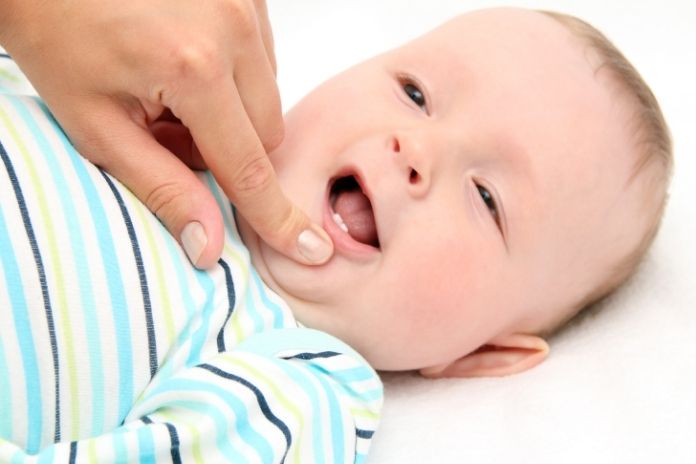
Your baby gains two major advantages when the teething process starts. According to experts, tooth eruption signals that your baby is preparing to eat more solid foods. Your baby will now be able to tear meat and chew beans and vegetables. This development directly impacts your baby’s weight, immunity, and bone and brain development.
Another important milestone that begins after teething is speech preparation. Experts explain that when babies start eating more solid foods after tooth eruption, they’re also exercising and developing their jaw, tongue, cheeks, lips, and oral-motor muscles, which are essential for speech development. Teeth are also necessary for producing specific sounds that require tooth involvement.
When to Expect Teething to Begin
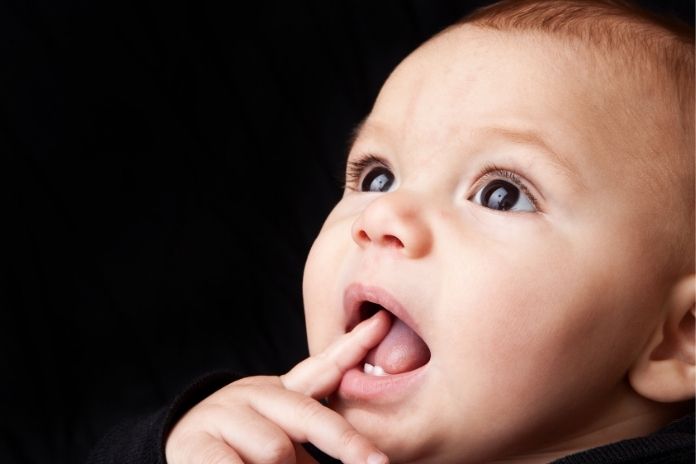
Understanding when to expect your baby’s teething process helps you prepare and stay vigilant. In most babies, teething typically starts between 4 and 6 months of age. However, this isn’t a strict timeline. Some babies may start earlier or later than others.
Experts note that a baby’s tooth eruption timing often depends on the genetic history of tooth development in your family. If you developed teeth early, your baby is likely to follow the same pattern.
“Family history, ethnic background, and inherited jaw characteristics can influence whether teething happens earlier or later for a baby,” explains Irvine-based pediatric dentist Gary Liu.
“Environmental factors such as nutrition, birth weight, and whether the baby was born full-term or premature also play a part. This unique combination of influences means that every baby has their own teething timeline and experience.”
Most commonly, the front two bottom teeth develop first during the initial stage. These are called central incisors. Next, the four upper teeth develop, known as the central and lateral incisors. However, experts note that variations in this process are completely normal. By age three, your child should have developed a full set of baby teeth, according to pediatricians.
Read More: Rethinking Baby Food: The Hidden Dangers of Ultra-Processed Choices
Important Things to Watch For
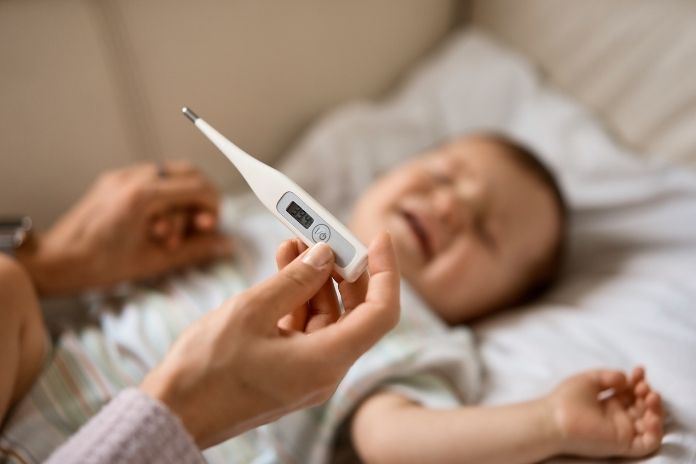
There are certain signs you should monitor during your baby’s developmental processes. Premature babies and those born with low birth weight may experience delays in tooth development, resulting in delayed initial tooth eruption. It’s recommended to discuss this with your pediatrician if your baby is taking longer than expected to show signs of teething.
If your baby experiences concerning symptoms during teething, it’s important to consult your pediatrician. These symptoms include:
- Diarrhea, vomiting, or fever
- Inflamed-looking gums
- Blue-colored gums due to eruption cysts (swelling of gums above a developing tooth). While most cysts are benign and don’t grow, it’s better to have your pediatrician check them to prevent future health problems
- Bumps or lesions on the gums
What Parents Should Expect During Teething
Parents should understand that babies may experience various discomforts during the initial days of tooth eruption. Common symptoms your baby may show during teething include:
- Facial and chin rash from drooling
- Gum sensitivity and swelling
- Increased biting behavior
- Sleep difficulties
- General irritability
Experts also note that babies may refuse to eat or drink during this period and might rub their faces or tug at their ears. While many parents report diarrhea, a runny nose, and mild fever during teething, some experts suggest these symptoms may not be directly caused by teething.
The symptoms with the strongest scientific backing are pain from tiny wounds in the gums that appear as teeth erupt.
Read More: Newborn Slept 6–7 Hours Without Feeding: Is It Normal? What Experts Say
Safe Pain Relief Methods

Experts recommend using cold compresses to help your baby through the teething process. Provide a clean, chilled washcloth or a safe, non-toxic toy for your baby to chew on. Always ensure any toy is non-toxic before giving it to your child. You can also reduce your baby’s pain by gently rubbing their gums with clean fingers or offering chilled foods. If nothing seems to provide relief, consult your pediatrician about appropriate pain medication.
Remember that some teething products can pose risks. Teethers and teething rings may be punctured by newly developed teeth, allowing your baby to ingest harmful substances. Similarly, teething gels can be toxic and potentially harmful to your baby’s health.
Most health agencies don’t recommend using these teething gels. Instead, stick to safe home remedies and wait for the tooth to break through the gums, after which the pain typically subsides.
Final Thoughts
These are the key points all parents should remember about their baby’s teething process. Although teething can be very painful for your baby, it’s definitely an important developmental stage in your loved one’s life. With patience and the right approach, you can help your baby through this challenging but necessary milestone.
Ready to support your teething baby? Remember that every baby is different, and what works for one may not work for another. Stay patient, try different comfort methods, and don’t hesitate to reach out to your pediatrician if you have concerns about your baby’s teething process.
Frequently Asked Questions About Baby Teething
Q: Can teething cause fever in babies? A: While many parents report mild fever during teething, medical experts suggest that high fevers are typically not directly caused by teething. If your baby has a fever over 101°F (38.3°C), it’s best to consult your pediatrician as this may indicate another issue.
Q: Is it normal for my 3-month-old to show signs of teething? A: Yes, some babies can start showing teething signs as early as 3 months, though the actual teeth usually don’t emerge until 4-6 months. Early signs include increased drooling, putting everything in their mouth, and gum sensitivity.
Q: How long does the teething process last? A: The teething process typically continues until around age 2-3 years when all 20 primary teeth have emerged. However, the most intense discomfort usually lasts only a few days as each tooth breaks through the gum.
Q: Are teething gels safe for my baby? A: Most pediatricians and health agencies do not recommend teething gels, especially those containing benzocaine, as they can be harmful to babies. Stick to safer alternatives like cold washcloths or appropriate teething toys.
Q: Should I be worried if my baby’s teeth come in out of order? A: While there’s a typical pattern for tooth eruption, variations are completely normal. Some babies may get their teeth in a different order, and this is usually not a cause for concern. However, if you notice significant delays or other issues, consult your pediatrician.
Q: Can I give my baby pain medication for teething? A: You should always consult your pediatrician before giving any medication to your baby. They can recommend appropriate pain relief options and proper dosing based on your baby’s age and weight.
Q: How do I clean my baby’s first teeth? A: Once your baby’s first tooth appears, start cleaning it with a soft, damp cloth or a soft-bristled infant toothbrush. Use a tiny amount of fluoride-free toothpaste designed for babies until they learn to spit.
References
- https://www.mayoclinic.org/healthy-lifestyle/infant-and-toddler-health/in-depth/teething/art-20046378
- https://pmc.ncbi.nlm.nih.gov/articles/PMC4538790/
- https://www.healthychildren.org/English/ages-stages/baby/teething-tooth-care/Pages/Babys-First-Tooth-Facts-Parents-Should-Know.aspx
- https://www.mayoclinic.org/diseases-conditions/premature-birth/symptoms-causes/syc-20376730
- https://my.clevelandclinic.org/health/articles/11179-teething-teething-syndrome
- https://pmc.ncbi.nlm.nih.gov/articles/PMC4981537/
- https://pmc.ncbi.nlm.nih.gov/articles/PMC2833284/
- https://www.ncbi.nlm.nih.gov/books/NBK556964/
- https://www.healthychildren.org/English/ages-stages/baby/teething-tooth-care/Pages/Teething-Pain.aspx
- https://www.fda.gov/consumers/consumer-updates/benzocaine-and-babies-not-good-mix
In this Article