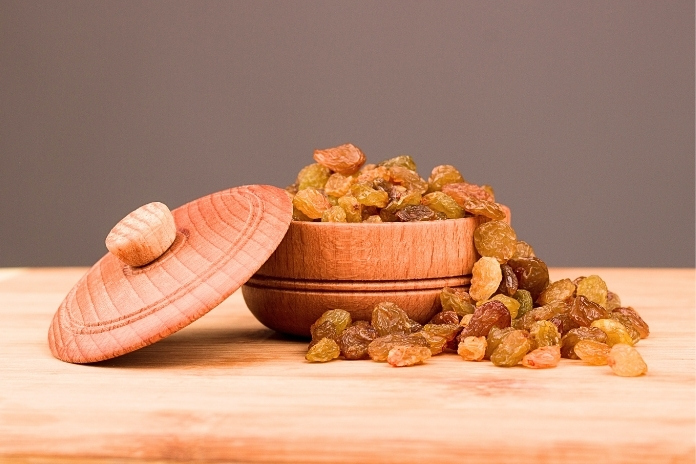
Did you know that a handful of raisins contains more potassium than a banana and can actually help prevent cavities despite their natural sweetness?
Raisins are among the most popular and versatile food products enjoyed by people of all ages. These dried grapes are not only delicious but also packed with essential nutrients that benefit your health, including vitamins, minerals, and electrolytes. They serve as an excellent source of natural energy and offer numerous health benefits that we’ll explore in detail.
This comprehensive guide covers everything you need to know about raisins, from their impressive health benefits to how you can make them at home naturally.
Read More: The Power-Packed Benefits of Dried Fruits and Nuts: A Complete Health Guide
How Are Raisins Made?
Raisins are created from seedless grapes that undergo a natural process of dehydration. During this process, the grapes experience oxidation and caramelization of their natural sugars, which gives raisins their characteristic brown color and sweet taste. While traditional raisins are sun-dried, they can also be dehydrated artificially or through water-dipping methods.
Nutritional Profile of Raisins
Raisins are nutritionally dense and contain various essential nutrients. Here’s what you’ll find in a 1.5-ounce serving of raisins:
- Calories: 129
- Carbohydrates: 34 grams
- Protein:3 grams
- Fat:2 grams
- Sugar:4 grams
- Fiber:6 grams
- Potassium: 322 milligrams
- Iron:8 milligrams
- Vitamin B6:08 milligrams
- Magnesium: 14 milligrams
- Calcium: 22 milligrams
- Vitamin K:5 micrograms
How to Make Your Own Raisins at Home
Making raisins at home is surprisingly simple and requires minimal equipment.
What You’ll Need:
- Fresh seedless grapes
- Baking tray
- Kitchen towel, baking paper, or clean pillowcase
- Access to sunlight
Step-by-Step Process:
- Wash the grapes thoroughly and gently pat them dry
- Spread the dried grapes on a baking tray, ensuring they don’t touch each other
- Cover the tray with a pillowcase or baking paper to protect it from insects
- Secure the covering so it won’t blow away (you can use small weights if needed)
- Place the tray in direct sunlight for approximately three days
- Bring the tray indoors on damp nights to prevent moisture absorption
- Remove any grapes that show signs of rotting during the process
- The sun’s heat will evaporate the water from the grapes and trigger caramelization of the sugars
- Your homemade raisins will be ready when they’re smaller, lighter, and properly dried
Read More: Fruit Juice Or Whole Fruits? Difference and Advantages!
5 Major Health Benefits of Raisins
Raisins are rich in polyphenols, antioxidants, nutrients, and flavonoids that contribute to overall health improvement. Here are the key benefits:
1. Improves Oral Health and Prevents Cavities

Despite their natural sugar content, raisins actually benefit dental health.
Research published in the Journal of Food Science shows that raisins can help reverse cavities and tooth decay naturally. They contain antimicrobial phytochemicals that eliminate oral bacteria associated with dental cavities and gum disease.
These phytochemicals include oleanolic acid, which specifically targets bacteria that cause cavities and periodontal problems. Studies from the National Center for Biotechnology Information confirm that raisins contain compounds that fight oral pathogens without promoting tooth decay.
2. Supports Healthy Digestion:
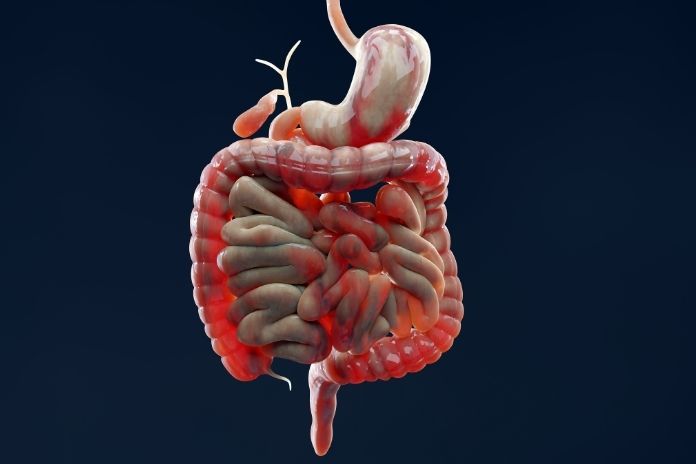
Raisins are high in both soluble and insoluble fiber, making them excellent for digestive health. According to the Mayo Clinic, the fiber content helps prevent digestive issues by keeping food moving through the intestinal tract, reducing the risk of both constipation and diarrhea.
Additionally, the fiber in raisins can support weight management by promoting satiety and healthy digestion.
3. Lowers Blood Pressure and Reduces Stroke Risk:

Regular consumption of raisins has been shown to help lower blood pressure, according to research. Harvard Health reports that people who eat more whole fruits, especially grapes and raisins, are less likely to develop high blood pressure.
Harold Bays, MD, medical director and president of Louisville Metabolic and Atherosclerosis Research Center (L-MARC), conducted a study comparing blood pressure levels in individuals who consumed raisins with those who ate other snacks.
He found that individuals who consumed raisins had lower blood pressure as compared to others. “Raisins are packed with potassium, which is known to lower blood pressure,” Dr. Bays said. “They are also a good source of antioxidant dietary fiber that may favorably alter the biochemistry of blood vessels, causing them to be less stiff, which in turn, may reduce blood pressure.”
Raisins are also an excellent source of potassium, a vital mineral that supports the proper functioning of cells, organs, and tissues throughout the body. According to the American College of Cardiology, adequate potassium intake is associated with a reduced risk of stroke and cardiovascular disease.
Read More: Best Ayurvedic Fruits For Proper Nutrition
4. Helps Manage Diabetes

For people with type 2 diabetes, dark raisins can be particularly beneficial when consumed in moderation. Studies published in the National Center for Biotechnology Information have shown that regular raisin consumption can help improve glycemic control in diabetic patients.
Research in PMC indicates that raisins have a lower glycemic impact compared to many processed snacks, making them a smarter choice for individuals managing diabetes when consumed as part of a balanced diet.
5. Provides Cancer Protection

Dried fruits like raisins contain high levels of phenolic compounds and antioxidants that support overall health and development. Research from the National Center for Biotechnology Information shows that these antioxidants are crucial because they help neutralize free radicals that can cause cellular damage throughout the body.
By preventing free radical damage, antioxidants may help reduce the risk of abnormal cell growth that can lead to cancer, while also supporting overall cellular health.
Recommended Daily Intake
To maximize the benefits of raisins while maintaining a balanced diet, it’s important to consume them in appropriate amounts. According to nutrition experts:
- Women should aim for at least 1.5 cups of fruit daily
- Men should consume about 2 cups of fruit daily
A small box of raisins (1.5 ounces) provides approximately 129 calories and counts toward your daily fruit intake.
Potential Side Effects and Precautions
While raisins offer many health benefits, there are some important considerations:
Sugar Content
Don’t exceed recommended portions, as raisins are naturally high in sugar and carbohydrates, which could affect blood sugar levels if consumed in large quantities.
Sulfur Sensitivity
Some commercial raisins are treated with sulfur dioxide as a preservative. If you have sulfur sensitivities, this may trigger asthma or allergic reactions. Always read packaging labels carefully and opt for natural, sun-dried raisins when possible to avoid sulfur compounds.
Pet Safety
Never give raisins to dogs, as they can cause kidney failure in canines. While the exact mechanism isn’t fully understood, raisins and grapes are toxic to dogs and should be kept away from pets at all times.
Conclusion
Raisins are a nutritious, convenient, and delicious addition to a healthy diet. Their impressive array of health benefits, from supporting oral health to potentially reducing cancer risk, makes them an excellent choice for a natural snack.
Whether you purchase them from the store or make your own at home, incorporating raisins into your daily routine can contribute significantly to your overall health and well-being.
Remember to consume raisins in moderation as part of a balanced diet, and always choose natural, unsulfured varieties when possible for maximum health benefits.
Ready to boost your health naturally? Start incorporating a small handful of raisins into your daily routine and experience the benefits for yourself. Try adding them to your morning oatmeal, afternoon yogurt, or enjoy them as a standalone snack!
Frequently Asked Questions (FAQ)
Q: Can I eat raisins every day?
A: Yes, you can eat raisins daily in moderation. The recommended serving is about 1.5 ounces (a small handful) per day, which provides approximately 129 calories and valuable nutrients without excessive sugar intake.
Q: Are raisins better than fresh grapes nutritionally?
A: Raisins are more concentrated in nutrients and calories than fresh grapes due to water removal during the drying process. While both offer health benefits, raisins provide more fiber, potassium, and antioxidants per serving, but also more sugar and calories.
Q: Do organic raisins offer more health benefits?
A: Organic raisins may be preferable as they’re grown without synthetic pesticides and aren’t treated with sulfur dioxide. While the core nutritional benefits are similar, organic varieties eliminate potential exposure to chemical residues.
Q: Can raisins help with weight loss?
A: Raisins can support weight management when consumed in appropriate portions. Their fiber content promotes satiety, and their natural sweetness can help curb cravings for processed sweets. However, they’re calorie-dense, so portion control is essential.
Q: Are golden raisins different from regular dark raisins nutritionally?
A: Golden raisins and dark raisins have very similar nutritional profiles. The main difference is that golden raisins are treated with sulfur dioxide to preserve their color and are often dried artificially, while dark raisins are typically sun-dried naturally.
Q: How should I store raisins to maintain freshness?
A: Store raisins in an airtight container in a cool, dry place. They can last up to a year at room temperature, or up to two years when refrigerated. If they become hard, you can soften them by soaking in warm water for a few minutes.
Q: Can children safely eat raisins?
A: Yes, raisins are generally safe and healthy for children over 12 months old. However, for toddlers under 4 years, cut raisins in half to prevent choking hazards. Always supervise young children when eating raisins.
Q: Are there any medications that interact with raisins?
A: Raisins are generally safe to consume with most medications. However, due to their potassium content, individuals taking potassium-sparing medications or those with kidney disease should consult their healthcare provider about appropriate intake levels.
References
- https://pubmed.ncbi.nlm.nih.gov/19640974/
- https://www.ncbi.nlm.nih.gov/pmc/articles/PMC2728698/
- https://www.mayoclinic.org/healthy-lifestyle/nutrition-and-healthy-eating/in-depth/fiber/art-20043983
- https://pubmed.ncbi.nlm.nih.gov/24393750/
- https://www.health.harvard.edu/heart-health/eating-more-fruit-may-help-lower-blood-pressure
- https://www.acc.org/about-acc/press-releases/2012/03/25/15/51/raisins_bp
- https://pubmed.ncbi.nlm.nih.gov/25609549/
- https://www.ncbi.nlm.nih.gov/pmc/articles/PMC4153099/
- https://www.ncbi.nlm.nih.gov/pmc/articles/PMC6356098/
In this Article