














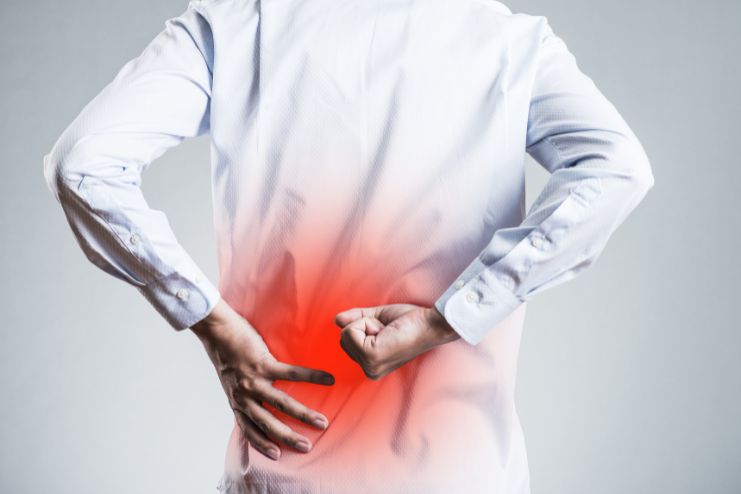
Have you ever experienced a sharp pain in your back that gets worse every time you take a breath? This concerning symptom affects millions of Americans and can range from a minor muscle strain to a serious medical emergency.
Back pain affects 70-80% of people at some point in their lives. When back pain occurs during breathing, it typically indicates issues with the ribs, muscles, or other structures that support respiration.
Think of being outside and taking a nice, refreshing breath of fresh air, and then suddenly a stab of pain comes to your upper back. It diminishes or disappears when you begin breathing more shallowly. Or perhaps you’ve been experiencing a dull ache for a few days or weeks, and it seems to get worse when you take deeper breaths.
What Causes Back Pain When Breathing?

“There are multiple potential causes for back pain with breathing,” according to Su Hlaing Hnin, M.D., an internal medicine physician with Medical Offices of Manhattan in New York City.
“Any irritation of the body tissues around the upper back region can cause this kind of pain, and it can also be linked to different organ systems, illnesses, infections, and conditions.”
Musculoskeletal Causes
Rib injuries are the most common cause of breathing-related back pain. When ribs are strained or sprained, the normal expansion and contraction of the chest during breathing can cause sharp pain in the back. This occurs because the ribs attach to the spine, and any irritation at these connection points affects chest movement.
Muscle strain from heavy lifting, sudden movements, or poor posture can cause back muscles to spasm. These spasms become more noticeable during deep breathing when the muscles are asked to expand and contract.
Serious Medical Conditions
A heart attack can cause both chest and back pain that worsens with breathing. According to the American Heart Association, this pain may spread to the shoulders, neck, or jaw and requires immediate medical attention.
Angina occurs when the heart doesn’t receive enough blood flow. The Mayo Clinic explains that this condition can cause chest pain that radiates to the back and may worsen during physical activity or stress.
Anxiety can cause muscle tension and rapid, shallow breathing that leads to back pain. Anxiety attacks often include chest tightness and back pain.
Read More: 12 Alarming Signs That You Are Suffering From Anxiety Disorder
Symptoms to Watch For
Back pain while breathing typically includes:
- Sharp or aching pain that worsens with deep breaths
- Muscle spasms or stiffness
- Tenderness when touching the affected area
- Pain that may spread to the shoulders or neck
- Difficulty taking deep breaths
- Pain that increases with coughing or sneezing
Seek immediate medical care if you experience:
- Severe chest pain with shortness of breath
- Pain radiating to your arm, jaw, or neck
- Dizziness or lightheadedness
- Rapid heartbeat or sweating
Treatment Options

Immediate Relief
Rest and movement balance: Avoid prolonged bed rest, as it can exacerbate stiffness. Instead, stay gently active with light walking or stretching as tolerated.
Hot and cold therapy: Apply ice packs for the first 24-48 hours to reduce inflammation. After this period, use heat to relax muscles and improve blood flow.
Medical Treatment
- Over-the-counter pain medications (ibuprofen, acetaminophen)
- Physical therapy for chronic issues
- Professional evaluation for persistent or severe pain
Read More: Best PEMF Therapy Devices for Pain Relief & Cellular Recovery
When to See a Doctor
Contact your healthcare provider if:
- Pain persists longer than a few days
- Pain is severe or getting worse
- You have difficulty breathing
- You experience chest pain with other concerning symptoms
Prevention Tips
- Maintain good posture throughout the day
- Strengthen your core and back muscles with regular exercise
- Use proper lifting techniques (bend your knees, not your back)
- Stay at a healthy weight to reduce strain on your back
- Don’t smoke, as it reduces oxygen flow and can worsen breathing-related pain
Read More: Yoga For Sciatica Pain Relief
Bottom Line
While back pain during breathing is often caused by muscle strain or rib issues that resolve with rest and conservative treatment, it can sometimes indicate serious conditions requiring immediate medical attention.
Pay attention to accompanying symptoms and don’t hesitate to seek medical care if you’re concerned about chest or back pain that affects your ability to breathe.
Contact your healthcare provider today to discuss your symptoms and develop an appropriate treatment plan. Early intervention can prevent minor issues from becoming chronic problems.
Frequently Asked Questions
Q: How long should back pain while breathing last? A: Minor muscle strains typically improve within a few days to a week with rest and conservative treatment. If pain persists longer than 7-10 days or worsens, consult your healthcare provider.
Q: Can anxiety really cause back pain when breathing? A: Yes, anxiety can cause muscle tension and rapid, shallow breathing patterns that lead to back pain. Harvard Health Publishing notes that stress and anxiety can create physical symptoms, including muscle tension and pain.
Q: Is it normal for back pain to get worse when I cough or sneeze? A: Yes, coughing and sneezing put additional pressure on the back muscles and ribs. However, if the pain is severe or accompanied by other symptoms, it’s worth discussing with your doctor.
Q: Should I use ice or heat for back pain while breathing? A: Use ice for the first 24-48 hours to reduce inflammation, then switch to heat to relax muscles and improve blood flow. The Mayo Clinic recommends this approach for most back injuries.
Q: When should I go to the emergency room for back pain while breathing? A: Seek immediate medical attention if you experience severe chest pain, shortness of breath, pain radiating to your arm or jaw, dizziness, sweating, or rapid heartbeat – these could indicate a heart attack.
Q: Can poor posture really cause breathing-related back pain? A: Absolutely. Poor posture can strain the muscles that support breathing and affect rib alignment, making breathing more difficult and potentially painful.
References
- https://www.ncbi.nlm.nih.gov/pmc/articles/PMC4395677
- https://www.heart.org/en/health-topics/consumer-healthcare/what-is-cardiovascular-disease/warning-signs-of-heart-attack
- https://www.mayoclinic.org/diseases-conditions/angina/symptoms-causes/syc-20369373
- https://www.mayoclinic.org/healthy-lifestyle/adult-health/in-depth/back-pain/art-20044526
- https://www.health.harvard.edu/pain/core-strengthening-exercises
- https://www.mayoclinic.org/healthy-lifestyle/quit-smoking/in-depth/smoking/art-20047777
- https://www.health.harvard.edu/mind-and-mood/relaxation-techniques-breath-control-helps-quell-errant-stress-response
- https://www.mayoclinic.org/first-aid/first-aid-back-pain/basics/art-20056593
- https://www.healthcentral.com/condition/back-pain/back-pain-when-breathing
- https://www.medicalofficesofmanhattan.com/our-team/dr-su-hlaing-hnin
- https://colepaintherapygroup.com/quit-smoking-for-better-back-health
In this Article