



















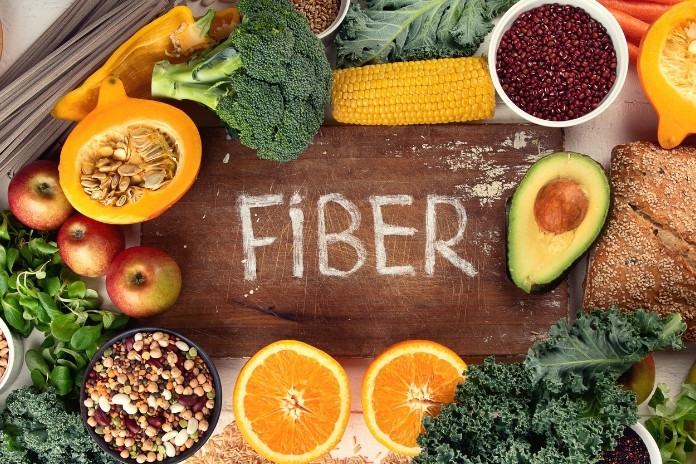
Did you know that despite fiber being one of the most important nutrients for digestive health, it’s possible to have too much of a good thing? While most Americans consume only about half the recommended daily fiber intake, some people who dramatically increase their fiber consumption or rely heavily on supplements can experience uncomfortable and potentially harmful side effects.
Fiber is an essential nutrient that plays a crucial role in overall body growth and development. However, like with any nutrient, consuming too much fiber can lead to serious health problems. Exceeding recommended fiber limits is not only harmful to your overall health but can also cause various uncomfortable symptoms and conditions.
According to health experts, excessive fiber consumption may result in constipation and weight gain. It’s important to monitor and limit your fiber intake to avoid various diseases and serious health conditions.
This article provides comprehensive information about the problems you may face due to excessive fiber consumption, including causes, symptoms, and the important benefits of proper fiber intake.
Read More: No-Cook Healthy Lunches You Can Take Anywhere
What Are the Symptoms of Too Much Fiber?

There are several effects of excessive fiber consumption that you should be aware of when adding fiber-rich foods to your diet. It’s important to remember that the daily recommended fiber intake is 25 grams for women and 38 grams for men.
While this limit is typically not exceeded through normal dietary intake, rapidly increasing your fiber consumption can lead to problems and uncomfortable symptoms.
Maura Donovan, a registered dietician and medical education specialist of sports nutrition at Thorne, expresses her views on fiber intake. “Those recommended daily allowances are a great amount to aim for, in the right context for a healthy individual,” Donovan said.
“However, it is important to start where you are and work up to those recommendations from there, to avoid any GI discomfort.”
“With increased fiber intake, you may notice some changes in bowel patterns (hopefully, positive ones!), but keep an eye on these to make sure they’re not changing drastically from what you’re used to,” she said. “This could be an indication you’re overdoing it on the fiber.”
The major symptoms of excessive fiber consumption include:
- Flatulence (gas)
- Constipation
- Bloating
- Abdominal pain
- Diarrhea or loose stools
- Temporary weight gain
- Intestinal blockages (especially in people with Crohn’s disease)
- Reduced blood sugar levels
If these symptoms are accompanied by nausea, vomiting, high fever, or inability to pass stool or gas, it’s recommended that you consult with your doctor immediately.
Read More: Balancing Act: Tips for Creating a Well-Rounded and Healthy Diet Plan
What Are the Best Ways to Get Proper Fiber in Your Diet?

While learning about consuming the recommended dose of fiber and avoiding excessive intake, you should understand how to add the right amount of fiber to your diet. It’s important to get your daily fiber intake from whole foods rather than supplements to prevent overconsumption.
Consuming fiber through natural food sources is beneficial because it provides healthy vitamins and minerals along with fiber to keep your body healthy.
Health experts recommend consuming both soluble and insoluble fibers to prevent fiber deficiency while avoiding excessive intake.
Sources of Soluble Fiber
- Oats
- Brussels sprouts
- Peas
- Beans
- Oranges
- Apples
- Nuts
- Seeds (such as flax and chia)
Sources of Insoluble Fiber
- Fruit skins
- Whole grains
- Root vegetables (such as radish, beets, and carrots)
- Dark green leafy vegetables and green beans
- Wheat bran
If absolutely necessary, you can consider fiber supplements such as psyllium, inulin, wheat dextrin, or methylcellulose, which provide insoluble fibers. However, as mentioned earlier, it’s always best to obtain fiber from food sources, which is highly beneficial for your body, especially your gut health.
You can also choose fermentable fiber sources, which are considered excellent for overall body development:
- Barley
- Oats
- Onions
- Bananas
- Leeks
- Chicory root
- Jerusalem artichoke
What Are the Benefits of Proper Fiber Consumption?
When consumed in appropriate amounts, fiber is highly important for the body and provides significant health benefits.
Fiber is an essential nutrient needed to carry out important bodily functions, including supporting bowel movements, managing blood sugar levels, controlling cholesterol, improving the number of healthy gut bacteria, and preventing various chronic diseases. Proper fiber consumption also helps with constipation relief and promotes healthy weight management.
Various studies have found that people who consume a fiber-rich diet (around 35-50 grams of fiber daily) have significantly lower rates of chronic diseases such as colon cancer. While it’s beneficial to consume adequate fiber, you should be careful not to exceed healthy limits dramatically.
The best way to determine appropriate fiber intake is to consult with a nutritionist who can guide you on fiber consumption based on your individual body needs and lifestyle.
Read More: The Flexitarian Diet: Balancing Plant-Based and Animal-Based Foods
Final Thoughts on Fiber Balance

It’s essential to maintain a balanced approach to fiber consumption. Even though consuming more than the minimum daily requirement can be beneficial, you should always be cautious when increasing fiber content in your diet. Avoid making sudden, dramatic changes to your fiber intake.
You can gradually increase fiber consumption by eating foods high in fiber to help with digestive health. Only opt for fiber supplements when you’re not getting enough fiber from your regular meals. To avoid indigestion or constipation, make sure you’re drinking plenty of water along with consuming fiber-rich foods.
It’s recommended that you consult with your doctor immediately if you don’t see improvement in symptoms of excessive fiber intake even after reducing your fiber consumption. Always check the fiber content in specific foods and ask your doctor about the proper use of fiber supplements.
You should also consult your healthcare provider about how quickly you should increase your fiber intake and whether your symptoms are actually due to excessive fiber consumption.
Don’t wait if you experience nausea, vomiting, or high fever after increasing fiber intake—consult with your doctor immediately. Your healthcare provider can help by providing appropriate treatment after analyzing your overall condition and health history.
Ready to optimize your fiber intake for better health? Start by tracking your current fiber consumption for a few days, then gradually adjust your diet with whole food sources. Remember, the key to digestive wellness lies in balance—not extremes.
If you’re experiencing persistent digestive issues, don’t hesitate to consult with a healthcare professional or registered dietitian who can provide personalized guidance for your specific needs.
Frequently Asked Questions
Q: How quickly should I increase my fiber intake?
A: Increase your fiber intake gradually over several weeks. The Mayo Clinic recommends adding just 5 grams per week to allow your digestive system to adjust and prevent uncomfortable side effects like bloating and gas.
Q: Can too much fiber actually cause constipation?
A: Yes, consuming excessive amounts of fiber without adequate water intake can lead to constipation. Fiber absorbs water, so if you don’t drink enough fluids, it can create hard, difficult-to-pass stools.
Q: What’s the difference between soluble and insoluble fiber?
A: Soluble fiber dissolves in water and forms a gel-like substance that can help lower cholesterol and glucose levels. Insoluble fiber doesn’t dissolve in water and adds bulk to stool, helping food pass more quickly through the stomach and intestines.
Q: Is it better to get fiber from food or supplements?
A: Getting fiber from whole foods is generally preferable because foods provide additional nutrients like vitamins, minerals, and antioxidants along with fiber. Supplements should only be used when dietary intake is insufficient.
Q: How much water should I drink when increasing fiber intake?
A: Aim for at least 8 glasses (64 ounces) of water daily when consuming a high-fiber diet. The general rule is to drink about 8 ounces of water for every 10-15 grams of fiber consumed.
Q: Can children have too much fiber?
A: Yes, children can consume excessive fiber, too. The recommended intake for children varies by age, ranging from 14-31 grams per day. Excessive fiber in children can lead to nutrient deficiencies and digestive issues.
Q: What should I do if I’m experiencing symptoms of too much fiber?
A: Reduce your fiber intake temporarily, increase water consumption, and eat smaller, more frequent meals. If symptoms persist or worsen, consult with your healthcare provider immediately.
References
- https://newsinhealth.nih.gov/2010/08/rough-up-your-diet
- https://www.ncbi.nlm.nih.gov/books/NBK559033/
- https://www.mayoclinic.org/healthy-lifestyle/nutrition-and-healthy-eating/expert-answers/fiber-supplements/faq-20058513
- https://pmc.ncbi.nlm.nih.gov/articles/PMC6124841/
- https://www.mayoclinic.org/healthy-lifestyle/nutrition-and-healthy-eating/in-depth/fiber/art-20043983
- https://pmc.ncbi.nlm.nih.gov/articles/PMC9268622/
In this Article