














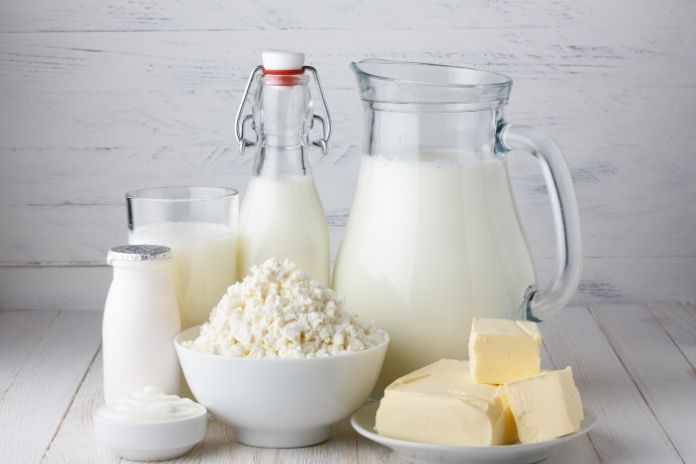
You order your usual latte, then pause. Oat milk? Almond, Soy, or Coconut? That moment of hesitation has become routine for many women. Over the past decade, quitting dairy has moved from a fringe wellness choice to something far more common. Not because milk suddenly became bad, and not because cheese was exposed as a villain.
The shift is quieter and more personal. It’s about how bodies change. It’s about symptoms that didn’t exist before. It’s about realizing that foods tolerated at 22 don’t always feel the same at 35 or 45. For some women, cutting out dairy leads to real improvements.
Less bloating. Clearer skin. Fewer digestive issues. Reduced inflammation. For others, dairy causes no problems at all and remains a convenient, nutrient-dense part of their diet. Both experiences are valid. The difference usually comes down to hormones, gut health, genetics, and life stage, not discipline or willpower.
What’s often missing from the conversation is nuance. Online advice tends to swing between extremes. Either dairy is toxic and should be avoided at all costs, or symptoms are dismissed as unrelated. The truth sits in the middle.
This article breaks down why many women stop eating dairy, what the science actually says about dairy and female health, and how women are replacing it without creating nutrient gaps or unnecessary restriction. No panic. No food shaming. Just clear context so decisions are made based on how the body responds, not trends.
Why Are Women Quitting Dairy?

Women aren’t quitting dairy because of one headline or one influencer. Dairy avoidance is usually driven by a combination of digestion, skin changes, hormonal shifts, inflammation sensitivity, and lifestyle preferences that evolve with age. What feels neutral at one stage of life can feel disruptive at another.
Let’s break down the most common reasons clearly and realistically.
1. Digestive Issues and Bloating
For many women, dairy stops feeling neutral and starts feeling heavy, bloated, or uncomfortable.
Lactose intolerance often becomes more noticeable with age. According to the National Institutes of Health, lactase enzyme production naturally declines after childhood. As lactase drops, milk sugar becomes harder to digest, leading to gas, bloating, or loose stools.
Women are also more likely to experience:
- Slower gut motility
- Increased bloating during hormonal shifts
- Heightened gut sensitivity under chronic stress
“As you get older, your small intestine naturally makes less lactase,” says Dr. Gaurav Arora, gastroenterologist. “Most adults don’t suddenly become intolerant; they slowly cross a threshold where the amount of lactose they eat exceeds what their reduced enzyme levels can handle, and that’s when gas, bloating, or loose stools become noticeable.”
What Women Are Consuming to Improve Digestive Health
- Lactose-free milk or yogurt
- Coconut or almond milk yogurt
- Fermented foods like dairy-free kefir, sauerkraut, or miso
These options reduce lactose exposure while still supporting gut bacteria and digestion.
Read More: 10 Ways Prevent Stomach Bloating- Causes and Remedies
2. Acne and Skin Breakouts
Skin concerns are one of the most common and emotionally charged reasons women stop eating dairy.
The Science Behind Dairy and Acne
Association Between Adult Acne and Dietary Behaviors, published in JAMA Dermatology, found that milk consumption was associated with a higher likelihood of current acne, and the authors discuss possible biological mechanisms involving hormones and insulin-like growth factor-1 (IGF-1).
Proposed mechanisms include:
- Increased insulin-like growth factor 1 (IGF-1)
- Insulin spikes that stimulate sebum production
- Hormonal signaling effects rather than fat content itself
Dr. Whitney Bowe, MD, board-certified dermatologist, explains: “I have found milk-based products to cause acne when ingested orally. While the intensities of the effects vary from person to person, there’s a link between ingesting dairy products and breakouts.”
This reflects how milk proteins and bioactive components can influence acne-related pathways in hormonally sensitive individuals. Not every woman breaks out from dairy. But for those who do, the pattern often becomes clear over time.
What Women Are Eating for Skin Health
- Unsweetened almond, oat, or soy milk
- Omega-3-rich foods like walnuts and chia seeds
- Lower-glycemic snacks to stabilize insulin levels
Removing dairy doesn’t cure acne, but for some women, it noticeably reduces flare-ups and inflammation.
Read More: Is Your Diet Causing Acne? 10 Foods to Cut Back On (and What to Eat Instead)
3. Hormonal Sensitivity and PMS Symptoms

Hormones change, and food tolerance often changes with them.
Dairy contains naturally occurring hormones and bioactive compounds. While these are safe for most people, some women report:
- Increased breast tenderness
- Worsened PMS symptoms
- Cycle-related bloating and water retention
According to research published in Nutrition Reviews and related hormonal studies on acne and diet, dairy intake has been shown to affect insulin and insulin-like growth factor-1 (IGF-1) signaling, which interacts with androgen pathways and sebaceous gland activity in hormonally sensitive individuals. Elevated IGF-1 and insulin levels after milk consumption can amplify growth-related hormone signaling that’s implicated in acne development.
What Women Are Eating to Improve Hormonal Health
- Seeds such as sesame and flax
- Legumes for plant-based calcium and protein
- Balanced protein intake to stabilize blood sugar
The goal isn’t hormone control. It’s symptom management and comfort.
4. Inflammation or Joint Discomfort
This is one of the most debated reasons women stop eating dairy.
What the Evidence Says
Dairy is not inherently inflammatory. A systematic review and meta-analysis published in the American Journal of Clinical Nutrition found that replacing saturated fats with unsaturated fats had no significant effect on a range of systemic inflammatory biomarkers, such as CRP, glucose, and insulin, in randomized trials, suggesting neutral effects of dietary saturated fats on inflammation in many contexts.
However, individual responses vary.
Some women report:
- Joint stiffness
- Sinus congestion
- Low-grade swelling or puffiness
These reactions may be linked to:
- Sensitivity to milk proteins like casein or whey
- Gut permeability issues
- Coexisting autoimmune conditions
The key distinction is personal response versus population-level data.
What Women Are Eating for Joint Health:
- Olive oil and avocado
- Fatty fish like salmon
- Polyphenol-rich whole foods
Often, dairy removal happens alongside broader dietary shifts, not in isolation.
5. Weight Management and Cravings

Dairy affects appetite and cravings differently from person to person.
Why Results Vary
Dairy proteins can increase satiety. At the same time, dairy can:
- Trigger cravings in insulin-sensitive individuals
- Be easy to overconsume in processed forms like cheese or flavored yogurt
- Contain hidden sugars in sweetened products
According to Harvard Health Publishing, weight outcomes depend far more on overall dietary pattern than on individual food groups. Some women find that removing cheese or sweetened dairy reduces food noise and mindless snacking.
What Women Are Eating to Manage Weight
- Higher-fiber vegetables and whole grains
- Protein-balanced meals using eggs or legumes
- Whole-food fats that promote satiety
This approach focuses on appetite regulation, not restriction.
Read More: What Your Cravings Say About Your Nutritional Deficiencies
6. Perimenopause and Menopause Changes
Hormonal transitions are a major reason women over 40 reconsider dairy.
Why Tolerance Changes
During perimenopause and menopause:
- Estrogen fluctuations affect digestion
- Inflammatory sensitivity increases
- Insulin resistance becomes more common
Foods once tolerated may suddenly trigger bloating, fatigue, or joint discomfort.
What Women Are Eating During Perimenopause and Menopause
- Fortified plant milks with calcium and vitamin D
- Leafy greens and tofu
- Sardines and sesame seeds for bone support
The focus shifts from elimination to smart nutrient replacement.
7. Ethical or Lifestyle Preferences
Not all dairy avoidance is symptom-driven. Some women choose to avoid dairy for:
- Environmental concerns
- Animal welfare reasons
- Cultural or personal values
This is a lifestyle choice, not a medical necessity, and it deserves to be treated without judgment.
What Women Are Eating Instead
- Plant-based dairy alternatives
- Flexitarian or blended diets
- Whole-food, plant-forward meals
When planned thoughtfully, these approaches can fully meet nutritional needs.
Bottom line: women aren’t quitting dairy because it’s “bad.” They’re responding to how their bodies change over time. For some, dairy still fits. For others, it doesn’t. The smartest approach isn’t blind elimination or forced inclusion. It’s paying attention, adjusting thoughtfully, and replacing nutrients intentionally.
Is Dairy Actually Bad for Women?
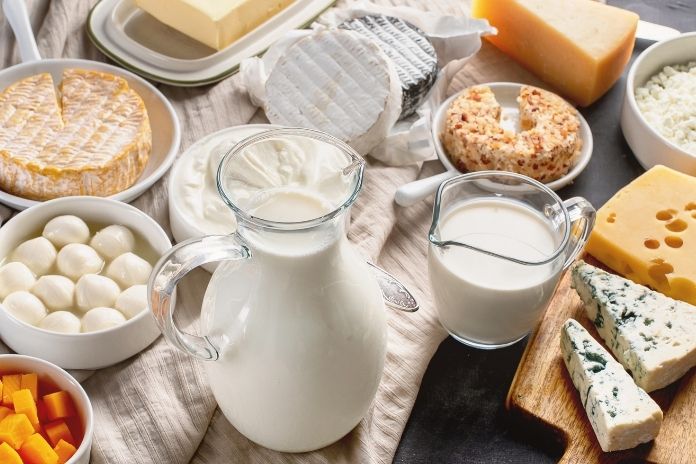
Short answer: no. Dairy is not inherently bad for women, and for many, it remains a valuable part of a healthy diet. Dairy provides several nutrients that are difficult to replace without planning. It contains high-quality protein that supports muscle maintenance and satiety.
It is a major source of calcium and phosphorus, both essential for bone strength and skeletal integrity. Dairy also supplies vitamin B12 and iodine, nutrients involved in nerve function, red blood cell production, and thyroid health.
Large-scale population studies consistently show that dairy consumption supports bone health, particularly when combined with adequate vitamin D intake and regular weight-bearing physical activity. This is especially relevant for women, who face a higher lifetime risk of osteoporosis.
The Mayo Clinic emphasizes that avoiding dairy should be a personalized decision, not one driven by trends or fear. Removing dairy without proper replacements can increase the risk of nutrient gaps, particularly calcium, vitamin D, and protein.
What this really comes down to is tolerance and context. If dairy causes digestive issues, skin problems, or worsens hormonal symptoms, reducing or removing it may improve quality of life. If it’s well tolerated, there is no health-based reason most women need to avoid it.
The goal isn’t elimination or loyalty to dairy. It’s nutritional adequacy. A healthy diet supports the body, fits the individual, and adapts as needs change.
Read More: Is Dairy Really Bad for Your Gut? Here’s What The Science Says
Key Nutrients to Watch If You Quit Dairy

Quitting dairy can work well for many women, but it requires intention. Dairy is a concentrated source of several essential nutrients, and removing it without replacements increases the risk of gaps, especially during perimenopause and menopause when nutrient needs shift.
Here are the key nutrients to pay attention to and how to replace them properly.
Calcium
Calcium is critical for bone strength, muscle contraction, and nerve signaling. Dairy is one of the most reliable sources of calcium in many diets, so alternatives matter.
Sources:
- Fortified plant milks
- Tofu is rich in calcium
- Leafy greens such as bok choy and kale
Not all plant foods provide calcium in a highly absorbable form, so variety and consistency are important.
Vitamin D
Vitamin D supports calcium absorption, immune function, and muscle health. Deficiency is common, regardless of dairy intake.
Sources:
- Regular sun exposure when possible
- Fortified foods, including plant milks
- Fatty fish such as salmon and sardines
In some cases, supplementation may be necessary, especially in low-sun environments.
Protein
Protein supports muscle maintenance, hormone production, and satiety. Removing dairy does not mean protein intake must drop, but it does require planning.
Sources:
- Legumes such as lentils and chickpeas
- Eggs
- Soy products, including tofu and tempeh
Spreading protein intake across meals improves utilization and appetite control.
Iodine
Iodine is often overlooked, but it is essential for thyroid hormone production. In many diets, dairy is a hidden iodine source.
Sources:
- Iodized salt is used consistently
- Seaweed, consumed in moderation
Excess iodine can be as problematic as deficiency, so balance matters. Women who cut dairy without planning are at higher risk of nutrient deficiencies, particularly calcium, vitamin D, protein, and iodine. This risk becomes more relevant during perimenopause, when bone density, muscle mass, and metabolic health require extra support.
Quitting dairy isn’t the problem. Quitting it without a replacement strategy is.
How to Tell If Dairy Is Affecting You
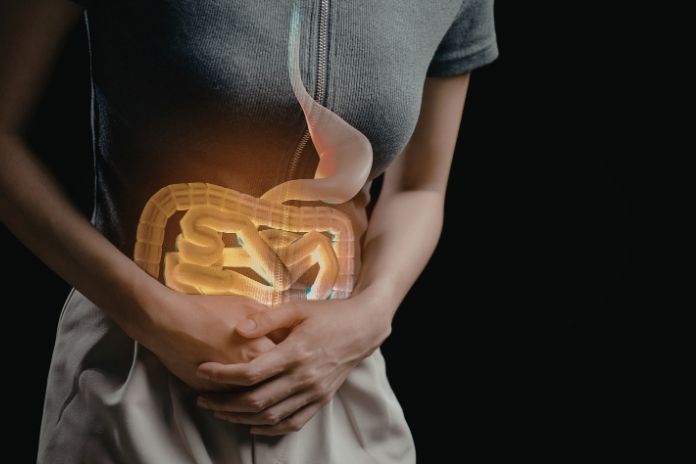
The most reliable way to know whether dairy is affecting you is structured observation, not guesswork or blanket rules. Bodies respond differently, and symptoms often show up subtly over time rather than immediately.
Step 1: Track Symptoms
Before changing anything, pay attention to how you feel with dairy in your diet. Focus on patterns rather than single days.
Note changes in:
- Digestion, including bloating, gas, or stool changes
- Skin, such as acne, redness, or inflammation
- Energy levels and fatigue
- Joint comfort or stiffness
Writing this down for even a week helps create a clear baseline.
Step 2: Short-Term Elimination
Remove all forms of dairy for a short, defined period, usually two to three weeks. This includes milk, cheese, yogurt, butter, and hidden dairy in packaged foods.
This timeframe is long enough for digestive symptoms, skin changes, and inflammation-related issues to shift if dairy is a trigger.
Step 3: Reintroduce Slowly
Add dairy back one form at a time, rather than all at once. Start with small portions and simpler options like yogurt or hard cheese.
Observe how your body responds over the next 24 to 72 hours. Look for returning symptoms rather than expecting immediate reactions.
One reaction does not mean lifelong avoidance. It means information. Awareness allows you to decide how much dairy, if any, fits your body right now.
Who Should Be Cautious About Cutting Dairy
Cutting dairy can be appropriate for some women, but it isn’t a neutral change for everyone. Certain groups face higher nutritional risks and should approach dairy elimination carefully.
- Women With Low Bone Density: Women with osteopenia or osteoporosis rely heavily on adequate calcium, vitamin D, and protein for bone support. Dairy is a dense and efficient source of these nutrients. Removing it without proper replacements may accelerate bone loss, especially during perimenopause and postmenopause.
- Those With Low Calorie or Protein Intake: Women who already struggle to meet energy or protein needs may find it harder to maintain nutritional adequacy without dairy. Milk, yogurt, and cheese provide calories and protein in small volumes, which can be important for maintaining muscle mass and metabolic health.
- Individuals with Restrictive Eating Patterns: For women with a history of restrictive eating, food elimination can reinforce unnecessary fear or rigidity around food. Removing dairy in these cases should focus on symptom management, not control or perfection.
For these groups, dairy removal should be guided by a registered dietitian or physician. The goal isn’t elimination for its own sake. It’s protecting long-term health while responding thoughtfully to individual tolerance.
Final Takeaway
There are many valid reasons why quitting dairy feels like the right choice for some women and completely unnecessary for others. Digestive comfort, skin health, hormonal shifts, ethical values, and life stage all influence how dairy is experienced. None of these factors exists in isolation, and none of them makes one choice more “correct” than another.
Dairy itself isn’t harmful by default. For many women, it remains a convenient, nutrient-dense source of protein, calcium, and essential micronutrients. But tolerance isn’t fixed. Hormones change. Digestion changes. Stress, aging, and metabolic shifts all affect how the body responds to food. What works well in one decade of life may feel very different in the next.
What matters most is intention. If dairy is removed, it should be replaced thoughtfully, not eliminated out of fear or trend pressure. Calcium, protein, iodine, and vitamin D still matter, regardless of the source. When those needs are met, a dairy-free diet can be just as supportive as one that includes it.
The smartest approach isn’t strict loyalty to or rejection of dairy. It’s flexibility. Paying attention to symptoms. Adjusting as the body changes. Choosing foods that support both health and quality of life.
The best diet is the one that works for you, nutritionally and practically. Trends don’t get a vote.
FAQs: People Also Ask
Why are women quitting dairy more than men?
Women experience more frequent hormonal fluctuations across the lifespan, which can affect digestion, skin, and inflammation. They are also more likely to notice subtle symptom changes and adjust their diet in response. Skin concerns and PMS-related symptoms further increase awareness of food triggers.
Is a dairy-free diet healthier for women?
It depends on the individual. Some women experience better digestion, clearer skin, or reduced bloating without dairy. Others tolerate dairy well and benefit from its nutrient density. Health outcomes depend on symptoms, tolerance, and how well nutrients are replaced.
Can dairy affect hormones in women?
Dairy can influence insulin and IGF-1 signaling, which may affect hormonally sensitive individuals. These effects do not cause hormonal disorders but can amplify existing symptoms. The response varies based on genetics, gut health, and life stage.
How do women get calcium without dairy?
Women can meet calcium needs through fortified plant milks, calcium-set tofu, leafy greens like kale and bok choy, sesame seeds, and fish with bones. Consistency and variety are key for adequate intake.
Is lactose intolerance more common in women?
Rates of lactose intolerance are similar across genders. However, women tend to report digestive symptoms more frequently and are more likely to connect those symptoms to dietary triggers.
References
- Cleveland Clinic. (n.d.). Acne. Cleveland Clinic.
- Cleveland Clinic. (n.d.). Pimples. Cleveland Clinic.
- Harvard Health Publishing. (n.d.). Diet and health: Patterns matter most. Harvard Health.
- Hopkins Medicine. (n.d.). Got adult acne? Get answers from an expert. Johns Hopkins Medicine.
- Laser Clinics. (n.d.). What causes acne breakouts on one side of the face? Laser Clinics.
- Mayo Clinic. (n.d.). Acne: Symptoms and causes. Mayo Clinic.
- Mayo Clinic Press. (n.d.). How to get enough calcium if you’re dairy-free. Mayo Clinic.
- National Center for Biotechnology Information. (2019). Acne vulgaris. In StatPearls.
- NHS. (n.d.). Acne: Causes. National Health Service.
- Rush University Medical Center. (n.d.). 12 tips to combat acne. Rush University.
- The American Academy of Dermatology Association. (n.d.). Habits to stop acne. AAD.
- The Ordinary. (n.d.). What causes breakouts? The Ordinary.
- WebMD. (n.d.). Acne dictionary. WebMD.
In this Article