













Cinnamon is more than just a flavorful spice that adds warmth to your favorite dishes. This aromatic bark is rich in antioxidants and other beneficial compounds, with research suggesting it may help manage blood sugars, protect against heart disease, and reduce inflammation. For thousands of years, cinnamon has been prized for its medicinal properties, and modern science continues to uncover its impressive health benefits.
Beyond its antioxidant and antibacterial properties, cinnamon has been shown to support brain function, aid in weight management, and promote overall health. This article explores ten significant health benefits of cinnamon and how you can incorporate this powerful spice into your daily routine.
Health Benefits of Cinnamon
11. Boosts Brain Function

Cinnamon has garnered significant attention from researchers studying its effects on cognitive function, memory, and learning capabilities. A comprehensive systematic review of 40 studies demonstrated notable enhancements in cognitive function, with cinnamon showing preventive benefits in most cases.
Laboratory investigations have revealed the beneficial effects of cinnamon’s individual compounds, including eugenol, cinnamaldehyde, and cinnamic acid, all of which positively support cognitive function. In laboratory studies, cinnamaldehyde showed promise in decreasing tau protein aggregation and amyloid β levels—both hallmark features of neurodegenerative disorders—while increasing cell viability.
Clinical studies have produced mixed results, with some reporting positive effects while others have shown no significant impact. However, researchers concluded that cinnamon might help reduce cognitive impairment in neurodegenerative diseases as a complementary treatment, though more research is needed to establish definitive protocols.
Additional research suggests that bioactive compounds in cinnamon can prevent the formation of amyloid-beta plaques in the human brain, a key physiological marker for Alzheimer’s disease. This gives cinnamon potential as a tool for brain preservation and slowing cognitive decline associated with neurodegenerative conditions.
While these early investigations demonstrate promising cognitive benefits, longer and more rigorous trials are needed to confirm these effects and determine appropriate dosages. Incorporating cinnamon as part of a balanced diet may provide some cognitive benefits, but it should complement, not replace, other healthy lifestyle habits for maintaining brain health.
Also, Read: The Dopamine Detox: Can Resetting Your Brain Supercharge Motivation?
22. Supports Weight Management

Research indicates that cinnamon supplementation may contribute to modest weight loss and improvements in body mass index (BMI). A meta-analysis published in 2022 found that daily intake of 3 grams or more was associated with significant reductions in these measurements.
The mechanisms behind these effects likely include improved insulin sensitivity and better blood glucose regulation. Cinnamon can help stabilize blood sugar levels through enhanced insulin activity, which may reduce hunger and food cravings between meals.
Studies suggest that cinnamon helps modulate appetite-regulating hormones. Research involving obese adolescents who received cinnamon supplementation showed decreased serum leptin levels and body fat percentage, along with increased serum ghrelin levels after 16 weeks of treatment.
33. Demonstrates Anti-Cancer Properties

Cinnamon, particularly its active compound cinnamaldehyde, has been extensively studied for potential anticancer properties. Research demonstrates that cinnamaldehyde can inhibit the growth of various cancer cell types by interfering with cellular processes connected to tumor development.
Studies have shown that cinnamon extract can inhibit tumor cell proliferation and induce apoptosis (programmed cell death) by targeting the NFκB and AP1 pathways, which become overactive in cancer cells. Cinnamaldehyde has also been shown to trigger autophagy-mediated cancer cell death in several cancer cell lines, suggesting a multi-faceted therapeutic approach.
While this evidence is promising, it’s important to note that most experiments have been conducted in laboratory settings. Clinical trials are necessary to test the efficacy and safety of cinnamon or its components for cancer treatment in humans.
44. Aids in Diabetes Management
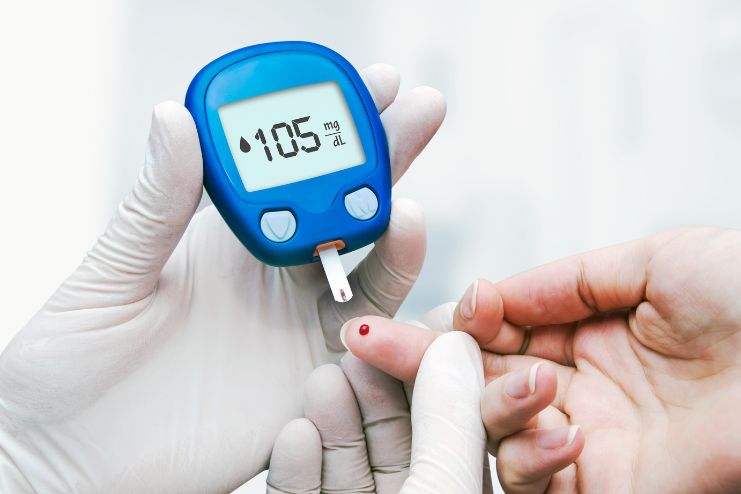
Cinnamon has demonstrated effects on blood sugar control in people with type 2 diabetes. Research suggests that cinnamon supplementation may cause modest reductions in fasting blood glucose levels among individuals with diabetes.
According to a systematic review and meta-analysis, there is a statistically significant difference in fasting plasma glucose levels among participants consuming cinnamon compared to control groups. However, findings from various studies have been somewhat contradictory, with some showing clear effects while others have not demonstrated significant benefits.
USDA research has demonstrated that extracts of cinnamon increase insulin activity several-fold in laboratory measurements, showing the spice’s ability to enhance insulin’s effectiveness in glucose breakdown.
It’s worth noting that current scientific studies do not support claims that cinnamon dramatically increases metabolism. While there is some evidence that cinnamon affects metabolic processes to a minor extent, more rigorous research is needed to quantify its exact impact.
55. Boosts Cardiovascular Health

The cardiovascular benefits of cinnamon extend beyond its warming effects on the body. Research has investigated cinnamon’s impact on lipid profiles, which are crucial indicators of heart health.
Cinnamon supplementation has led to considerable decreases in total cholesterol and triglyceride values in several studies. However, the effects on LDL (“bad” cholesterol) and HDL (“good” cholesterol) have shown mixed results across different research trials.
One meta-analysis found that cinnamon supplementation lowered LDL cholesterol, though results regarding HDL cholesterol varied among studies. Some research showed increases in HDL, while other studies found no significant changes.
A study focusing on type 2 diabetes patients found that daily consumption of 1 to 6 grams of cinnamon for 40 days positively affected fasting serum glucose, triglycerides, LDL cholesterol, and total cholesterol levels. However, no significant difference was found in HDL cholesterol levels.
While animal studies have consistently supported the cholesterol-lowering effects of cinnamon, evidence in humans remains limited and inconsistent. Therefore, cinnamon is not currently recommended as a primary treatment for managing high cholesterol levels.
Read More: Dietary Guidelines for a Healthy Heart: Foods That Support Cardiovascular Health
66. Rich in Anti-Inflammatory Properties
Chronic inflammation is recognized as a risk factor for developing serious conditions such as arthritis, cardiovascular diseases, and certain types of cancer. Cinnamon exhibits significant anti-inflammatory properties that may help counteract these effects.
Cinnamon contains bioactive compounds including cinnamaldehyde and various flavonoids such as gossypin, gnaphalin, hesperidin, hibifolin, hypolaetin, oroxindin, and quercetin, all of which possess anti-inflammatory properties. These compounds work by inhibiting the activation of nuclear factor kappa-light-chain-enhancer of activated B cells (NF-κB), a protein complex that mediates inflammatory responses.
Meta-analyses and systematic reviews have reported that cinnamon supplementation results in significant decreases in C-reactive protein (CRP) and malondialdehyde levels, markers of inflammation and oxidative stress, respectively.
Various studies have demonstrated that cinnamon extracts can downregulate pro-inflammatory cytokines, including tumor necrosis factor-alpha (TNF-α) and interleukins IL-1β and IL-6. Additionally, cinnamon has been described as an inhibitor of mitogen-activated protein kinases (MAPKs) and cyclooxygenase-2 (COX-2), both involved in inflammatory processes.
77. Supports Digestive Health
Cinnamon’s antimicrobial properties play a crucial role in promoting digestive health by inhibiting harmful bacteria in the gastrointestinal tract. Research has shown that cinnamon can effectively combat various pathogenic bacteria, including Escherichia coli and Staphylococcus aureus.
Studies have found that cinnamon oil demonstrates significant efficiency in inhibiting these bacterial strains, with minimum inhibitory concentrations (MICs) of 4.88 μg/ml for both E. coli and S. aureus. The antimicrobial activity works not only by inhibiting bacterial growth but also by disrupting bacterial cell membranes, providing multiple mechanisms of protection.
88. Boosts Immune System
Cinnamon is recognized for its ability to modulate the immune system to fight pathogens and improve overall health through its antioxidant, anti-inflammatory, and antibacterial properties.
Research published in Physiology & Behavior examined the effects of cinnamon water extract on the small intestinal epithelium in mice. The study found that cinnamon induces upregulation of genes associated with immune response and lipid absorption, suggesting enhanced intestinal immune function.
An evaluation published in Pharmaceutical Biology, based on several trials examining the immunomodulatory activities of Cinnamomum zeylanicum bark, found that higher doses of cinnamon enhanced both cell-mediated and humoral immunity, while lower doses primarily improved humoral immunity. This indicates that cinnamon can modulate different components of the immune system depending on the dosage used.
Studies have also shown that cinnamon has the potential to protect regulatory T cells (Tregs) that maintain immune system balance and help prevent autoimmune diseases. These protective effects are particularly beneficial in conditions like multiple sclerosis, where Treg activity is often compromised.
99. Improves Skin Health

Due to its antimicrobial, anti-inflammatory, and antioxidant properties, cinnamon has attracted considerable interest for its potential skin benefits.
A pilot study evaluating cinnamon’s effects on acne treated patients with mild to moderate facial acne using a cinnamon gel. The results showed significant reductions in both inflammatory and non-inflammatory acne lesions, along with marked decreases in skin redness and oiliness. These benefits are attributed to cinnamon’s antibacterial properties against Propionibacterium acnes and its antioxidant effects.
Research has revealed that essential oil extracted from cinnamon bark may inhibit the expression of various biomarkers associated with inflammation and tissue remodeling in human skin models. Furthermore, it inhibited the proliferation of dermal fibroblast cells and reduced the expression of inflammatory cytokines and adhesion molecules.
Laboratory studies have suggested that Ceylon cinnamon extract can stimulate collagen synthesis, potentially helping to delay signs of aging such as wrinkles. This effect is attributed to cinnamaldehyde, cinnamon’s main compound, which promotes collagen production. However, further studies are needed to substantiate these claims in human populations.
1010. Alleviates Menstrual Discomfort
Cinnamon has been studied for its effectiveness in reducing pain and other symptoms associated with primary dysmenorrhea (painful menstruation) in women.
A randomized, double-blind clinical trial demonstrated that consuming three grams of cinnamon daily during the first three days of menstruation significantly reduced the severity of menstrual pain compared to a placebo group.
Additional research has indicated that cinnamon not only relieves primary dysmenorrhea pain but also decreases menstrual blood flow and reduces accompanying symptoms such as nausea and vomiting. Importantly, these studies noted an absence of significant side effects from cinnamon use.
Also, Read: 10 Best Biotin-Rich Supplements for Radiant Skin and Healthy Hair Growth
Important Considerations
While cinnamon offers numerous health benefits, there are some important safety considerations to keep in mind. Recent reports have identified concerns about lead levels in some cinnamon products and potential interactions with certain medications. It’s advisable to choose high-quality cinnamon products from reputable sources and consult with healthcare providers before using cinnamon supplements, especially if you’re taking medications or have underlying health conditions.
11Conclusion
Cinnamon stands as a remarkable treasure trove of health benefits supported by growing scientific evidence. From enhancing brain function and supporting weight management to promoting heart health and aiding diabetes management, this versatile spice proves to be an effective ally in maintaining optimal health.
The spice’s anticancer potential, immune-boosting properties, and skin health benefits further demonstrate its therapeutic value. For women, cinnamon offers additional benefits by helping alleviate menstrual discomfort and promoting menstrual cycle regularity, making it a valuable natural remedy.
While substantial evidence supports cinnamon’s efficacy for various health purposes, gaps remain that require further investigation, particularly regarding standardized dosage recommendations and long-term effects. Most research suggests that moderate daily consumption is safe for most people, but individual responses may vary.
Incorporating cinnamon into your daily routine is simple and enjoyable. Whether added to smoothies, teas, oatmeal, or cooked dishes, this aromatic spice provides an easy way to harness its health benefits. However, like any supplement or therapeutic food, moderation is key. Anyone with existing medical conditions should consult with a healthcare provider before making significant dietary changes or using cinnamon as a therapeutic intervention.
As research continues to unfold, cinnamon’s role in preventive healthcare and complementary treatment approaches will likely become even more clearly defined, cementing its position as both a culinary treasure and a powerful tool for health promotion.
12References
- https://pubmed.ncbi.nlm.nih.gov/36652384
- https://www.nutraingredients-usa.com/Article/2023/02/13/review-calls-for-more-studies-on-cinnamon-and-cognitive-function
- https://www.tandfonline.com/doi/full/10.1080/1028415X.2023.2166436
- https://www.pacificneuroscienceinstitute.org/blog/lifestyle/cinnamon-and-cognitive-health-discover-the-latest-research
- https://www.forbes.com/sites/grrlscientist/2023/02/04/cinnamon-improves-your-memory-and-cognition
- https://pubmed.ncbi.nlm.nih.gov/35365881
- https://www.mdpi.com/2571-8800/6/3/33
- https://www.jfda-online.com/journal/vol32/iss2/2
- https://pmc.ncbi.nlm.nih.gov/articles/PMC11210466
- https://bmccancer.biomedcentral.com/articles/10.1186/1471-2407-10-392
- https://www.nature.com/articles/s41401-021-00672-x
- https://pmc.ncbi.nlm.nih.gov/articles/PMC3767714
- https://www.mayoclinic.org/diseases-conditions/diabetes/expert-answers/diabetes/faq-20058472
- https://pubmed.ncbi.nlm.nih.gov/28887086
- https://pmc.ncbi.nlm.nih.gov/articles/PMC10866674
- https://diabetesjournals.org/care/article/26/12/3215/21858/Cinnamon-Improves-Glucose-and-Lipids-of-People
- https://www.mayoclinic.org/diseases-conditions/high-blood-cholesterol/expert-answers/cinnamon-lower-cholesterol/faq-20057912
- https://pmc.ncbi.nlm.nih.gov/articles/PMC4003790
- https://ppj.phypha.ir/article-1-2249-en.html
- https://pmc.ncbi.nlm.nih.gov/articles/PMC6474160/
- https://www.sciencedirect.com/science/article/pii/S0882401018305667
- https://www.news-medical.net/news/20210318/Could-cinnamon-modulate-the-immune-response-in-severe-COVID-19.aspx
- https://www.sciencedirect.com/science/article/abs/pii/S1756464618304353
- https://www.tandfonline.com/doi/full/10.3109/13880200903019234
- https://bmrat.biomedpress.org/index.php/BMRAT/article/view/515
- https://pmc.ncbi.nlm.nih.gov/articles/PMC5518441
- https://drtorihudson.com/botanicals/cinnamon-reduces-symptoms-of-menstrual-cramps-and-associated-symptoms
- https://www.reliasmedia.com/articles/144077-cinnamon-for-dysmenorrhea-a-clinical-trial
- https://www.avogel.co.uk/health/periods/can-cinnamon-help-period-cramps/
- https://www.sciencedirect.com/science/article/abs/pii/S1744388118303475
- https://www.researchgate.net/publication/275721874_The_Effect_of_Cinnamon_on_Menstrual_Bleeding_and_Systemic_Symptoms_With_Primary_Dysmenorrhea
In this Article