















Parsley has long been recognized for adding flavor to food, but it offers much more than culinary enhancement. Parsley tea promotes health through its essential oils, antioxidants, vitamins, and minerals. Known as a natural diuretic, it’s beneficial for detoxifying the body by helping eliminate toxins. This herbal infusion also provides anti-inflammatory and antiseptic properties that support a healthy lifestyle.
In this article, we’ll explore the main health benefits of parsley tea and discuss potential side effects. Understanding how this herbal infusion works will help you make informed, evidence-based decisions about incorporating this healthy beverage into your routine.
Also, Read: 20 Health Benefits of Parsley – Lead A Healthier Life!
What is Parsley?
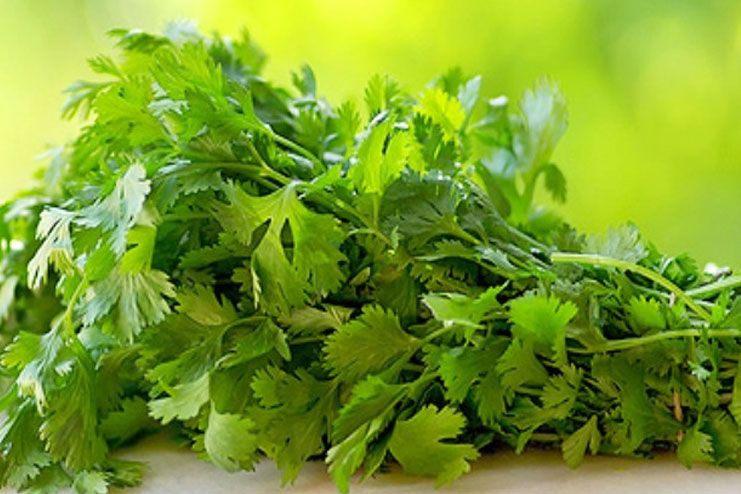 Parsley is a versatile herb that serves as both a garnish and a nutrient-dense addition to various dishes. Rich in flavonoids, phenolic compounds, and essential oils like myristicin and apiol, it also contains vitamins K, A, and C.
This nutrient-rich herb has been historically used to support heart health, brain function, digestion, and immunity. Its natural properties make it an excellent addition to any balanced diet, whether used fresh, dried, or brewed as an herbal tea.
Health Conditions Parsley Tea Might Help With
Parsley tea may provide beneficial support for several health conditions:
- Kidney stones
- Anemia
- Inflammation
- Acid reflux
- Gas
- Constipation
- Poor immunity
- Edema or bloating
- Bladder Infection
- Digestive problems
Is Parsley Tea Good for Your Health?
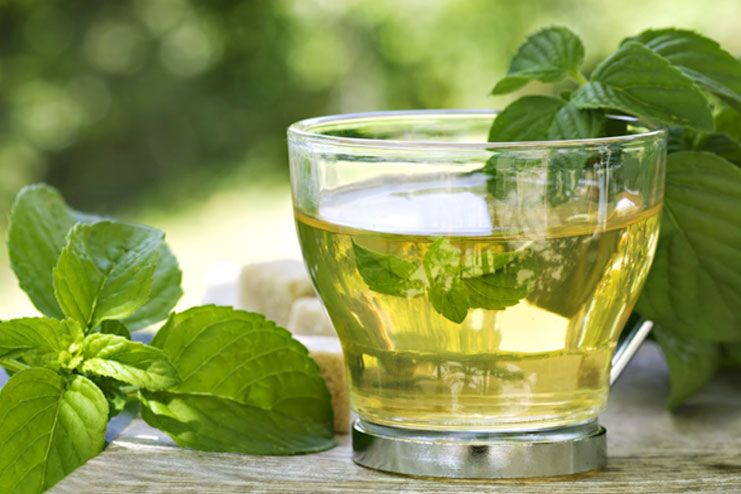 Parsley tea ranks among the most natural detoxifying herbal teas available. Like many traditional herbs, parsley tea offers numerous therapeutic benefits. Research indicates that parsley tea has diuretic properties that support weight management and digestion.
Rich in antioxidants, it helps combat oxidative stress while supporting immune function. Its detoxifying properties are enhanced by anti-inflammatory, antibacterial, and antifungal characteristics.
6 Health Benefits of Parsley Tea
1. Rich Source of Flavonoid Antioxidants
Parsley contains abundant flavonoid antioxidants, including luteolin, apigenin, lycopene, beta-carotene, and alpha-carotene. These compounds neutralize free radicals, reducing oxidative stress and inflammation throughout the body.
Flavonoids help lower the risk of chronic diseases such as cancer, cardiovascular disorders, and neurodegenerative conditions by minimizing oxidative damage(R). Studies have shown that parsley’s phenolic extracts demonstrate significant antioxidant efficacy, suggesting their potential relevance in treating oxidative stress-related diseases(R).
Cardiovascular Benefits: Flavonoids like apigenin and kaempferol in parsley inhibit platelet aggregation, helping prevent cardiovascular disease.
Antidiabetic Effects: The flavonoid apigenin has been associated with antidiabetic properties, including reduced blood glucose levels and enhanced insulin secretion.
2. Alleviates Bloating and Supports Fluid Balance
Parsley functions as a natural diuretic, helping relieve water retention and associated bloating. By encouraging increased urine production, it helps eliminate excess fluid accumulation in the body.
Animal studies have demonstrated parsley’s diuretic effects(R), with rats showing significantly increased urine output over 24 hours after receiving aqueous parsley seed extract compared to control groups. While human studies are limited, parsley is widely recognized as an herbal diuretic that may reduce excess water retention and bloating.
3. Potential Anticancer Properties
Parsley’s essential oils contain bioactive compounds including myristicin, eugenol, limonene, and alpha-thujone. Research suggests these compounds may offer anticancer benefits by strengthening the immune system and counteracting cancerous cell formation through neutralizing co-carcinogens and reducing oxidative stress.
Studies on essential oils have shown antiproliferative effects on cancer cells. While parsley essential oil requires further investigation, individual components like myristicin and eugenol have demonstrated anticancer properties in research studies.
4. Supports Digestive Health
Parsley has traditionally been used to address gastrointestinal issues including gas, bloating, constipation, nausea, and indigestion. Its bioactive compounds may help stimulate appetite, improve digestion, and provide mild laxative effects(R).
The essential oils in parsley can increase appetite while supporting digestion(R). These oils also offer gentle laxative properties that contribute to digestive comfort. Parsley’s historical use as a carminative and gastro-tonic highlights its role in relieving various types of gastrointestinal discomfort(R).
Also, Read: How to Boost Your Digestion
5. Antifungal and Antibacterial Properties
Parsley possesses antimicrobial properties that may improve skin and oral health by inhibiting bacterial and fungal infections. This antimicrobial effect stems primarily from its essential oils and phenolic compounds.
Antibacterial Activity: Studies have shown that parsley’s phenolic compounds exhibit both antioxidant and antibacterial effects, inhibiting the growth of certain bacterial species (R).
Food Preservation Applications: Research indicates that parsley can inhibit microorganisms, including natural microflora, coliforms, yeasts, molds, and Staphylococcus aureus, suggesting its potential as a natural preservative (R).
Essential Oil Effectiveness: Parsley essential oil from leaves and seeds has demonstrated inhibitory effects against pathogenic bacteria, including Escherichia coli, Salmonella enterica, Staphylococcus aureus, Yersinia enterocolitica, and Vibrio cholerae (R) (R).
Antifungal Properties: Recent studies show that parsley essential oil effectively inhibits fungal growth, particularly Aspergillus flavus in foods like cheese (R) (R).
6. Hormonal Balance and Reproductive Health
Parsley may help balance hormones and support reproductive health through its nutrient-rich composition and active compounds.
Folate Content: Parsley is an excellent source of folate (vitamin B9), essential for DNA formation and synthesis. One cup of parsley provides approximately 23% of the recommended daily folate value. Adequate folate intake is crucial for preventing developmental defects in babies, such as spina bifida(R) (R).
Hormonal Effects: Apigenin, a key component of parsley, exhibits estrogen-like effects that may influence hormonal levels and menstrual cycles. These effects could help balance menstrual cycles and promote reproductive wellness.
Liver Support: Parsley may enhance liver function, which plays a major role in hormone metabolism and regulation, including estrogen. Maintaining healthy liver function contributes to hormone balance and may reduce menstrual irregularities.
Important Note: While parsley is generally safe as a culinary herb, excessive consumption, especially in medicinal forms like concentrated teas or supplements, may stimulate uterine contractions. This could potentially cause premature labor or miscarriage. Pregnant women should consult their healthcare provider before consuming large amounts of parsley.
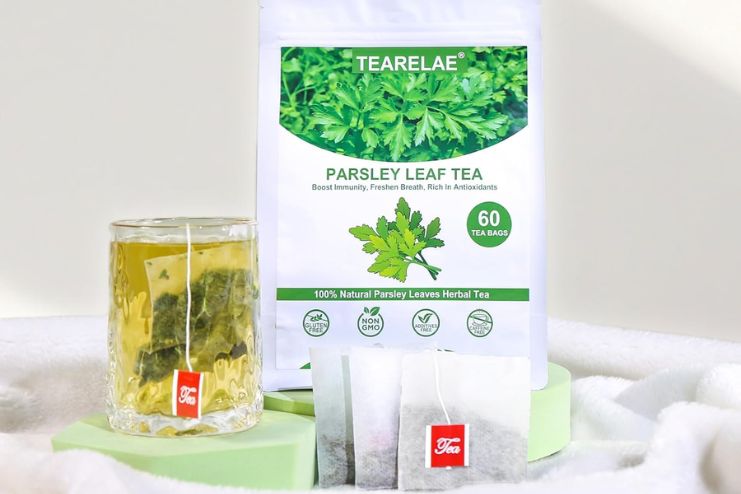
Buy TEARELAE Parsley Tea Bags
The Side Effects of Drinking Too Much Parsley Tea
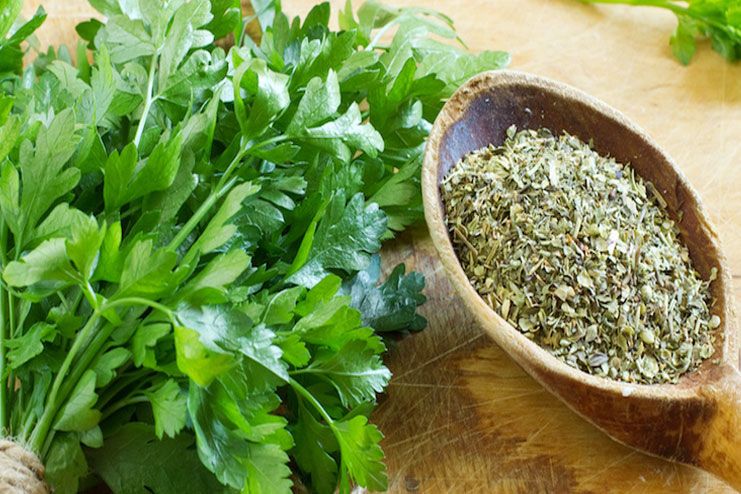 While parsley tea offers numerous health benefits, excessive consumption can pose certain risks:
1. Pregnancy and Uterine Contractions
Consuming large quantities of parsley tea during pregnancy is unsafe. The herb has traditionally been used to induce menstruation and, in extreme cases, abortions. Large amounts of parsley during the first trimester may increase the risk of birth defects.
2. Kidney Stones and Oxalate Content
Parsley contains oxalates, which may contribute to kidney stone formation in susceptible individuals. However, some studies suggest parsley may actually inhibit calcium oxalate crystal growth, potentially preventing stone formation. People with a history of kidney stones should consult a healthcare practitioner before consuming significant amounts of parsley tea.
3. Possible Toxicity and Allergic Reactions
While major toxicities from parsley are rare, adverse effects from parsley oil consumption have been reported, including headaches, dizziness, loss of balance, convulsions, and kidney impairment. Additionally, psoralen compounds in parsley may cause photodermatitis reactions in some individuals.
4. Drug Interactions
Due to its high vitamin K content, which plays a crucial role in blood coagulation, parsley tea may affect the effectiveness of blood-thinning medications such as warfarin. Individuals taking anticoagulant medications should monitor their vitamin K intake and consult their doctor.
Also, Read: Kidney Stones: Types, Causes, Symptoms, and Diet
Conclusion
Parsley tea is a nutrient-rich herbal infusion that offers antioxidant support, digestive benefits, anti-inflammatory effects, and hormonal regulation. Its diuretic properties help reduce bloating and support kidney health, while its antibacterial and antifungal effects benefit skin and oral health. Research also suggests potential anticancer and detoxifying effects.
While parsley tea can be an excellent addition to a balanced diet, moderation is essential. Excessive consumption may pose health risks, particularly for pregnant women, individuals with kidney disease, and those taking anticoagulant medications. Consulting with a healthcare provider is advisable to develop a personalized approach to incorporating parsley tea into your daily routine.
When consumed judiciously, parsley tea’s health benefits can be enjoyed while minimizing potential risks, making it a valuable herb for supporting overall wellness.
In this Article