









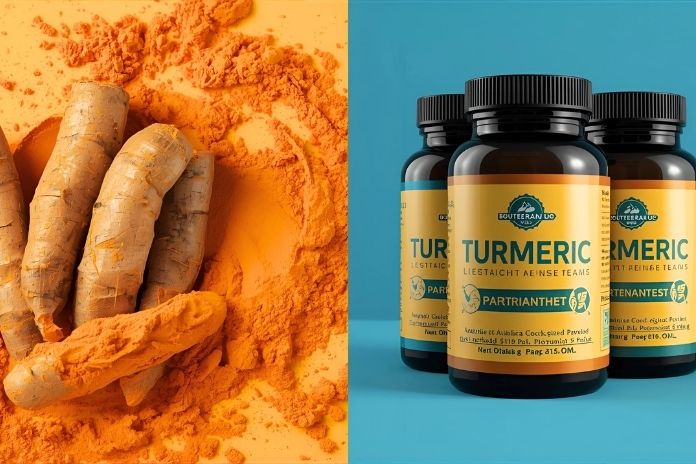
Picture yourself standing in the supplement aisle of a supermarket looking for a turmeric supplement. You find rows of yellow-labeled bottles, some say “turmeric,” while others say “curcumin.”
You see that the prices range wildly, and read the claims that promise everything from joint support to brain health. It can be confusing, and you’re not alone.
Most of us don’t realize that turmeric and curcumin are not the same thing, and that difference directly affects how well they work.
Other factors that add to the uncertainty are increasing instances of synthetic curcumin and contaminated turmeric powders on the market. It’s what you select, and also where you purchase it. This choice makes all the difference between real health benefits and money down the drain.
This article breaks it all down. It helps us understand how turmeric and curcumin differ, what to look for on labels, when to use each type, and how to ensure you’re buying authentic, effective supplements. By the end, you’ll know exactly which one aligns with your health goals and how to use it safely.
Understanding the Basics: Whole Turmeric Root vs. Curcumin Extract
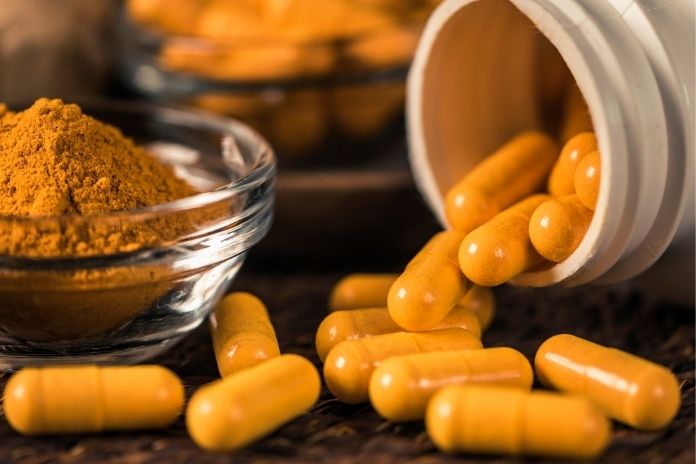
To understand the fundamental difference between curcumin and turmeric, think of turmeric like an orange – you peel, then consume the whole thing. Curcumin is like the vitamin C you get from the orange – just one powerful part of it. Turmeric gives you a mix of benefits, while curcumin gives you one concentrated benefit.
Whole Turmeric:
Turmeric root is a whole plant material that consists of more than 100 bioactive compounds, such as curcumin, demethoxycurcumin, bisdemethoxycurcumin, essential oils, turmerones, fiber, and polysaccharides.
The whole turmeric root offers a broad spectrum of effects. Its oils and turmerones promote absorption and support brain health, while its fiber and polysaccharides aid gut function.
Curcumin:
Curcumin accounts for only 3–8% of the content of turmeric. The bright yellow pigment is responsible for most of its proven anti-inflammatory and antioxidant activity.
Curcumin extract separates the compound from other ingredients to increase its concentration, typically standardized to 95% curcuminoids. Although this promotes effectiveness, extraction may remove natural oils and volatile constituents, which actually improves absorption.
Curcumin isolates offer targeted action but depend heavily on formulation to be effective. Nature designed these compounds to work together, which is why both have their place depending on your goals.
Whole Plant Turmeric Extract:
In addition to whole turmeric and isolated curcumin, there is a final category that at least deserves mention: the extracts of whole-plant turmeric.
These extracts concentrate curcuminoids more than the raw root while still preserving some of the natural oils and turmerones, which support absorption and broader activity. They offer a balanced middle ground that is more potent than kitchen turmeric but not as strong as curcumin isolates.
Whole-plant extracts often have significant benefits for digestion, inflammation, and immune support because they retain multiple bioactives. Their composition varies by brand and extraction method, though, so quality matters.
Think of it this way: whole turmeric delivers natural synergy, extracts offer enhanced yet balanced potency, and isolates provide targeted high-strength action.
Before deciding between them, though, there’s a larger problem you should be aware of: adulteration in the turmeric industry.
The Sneaky Threat: Adulteration of Turmeric Products
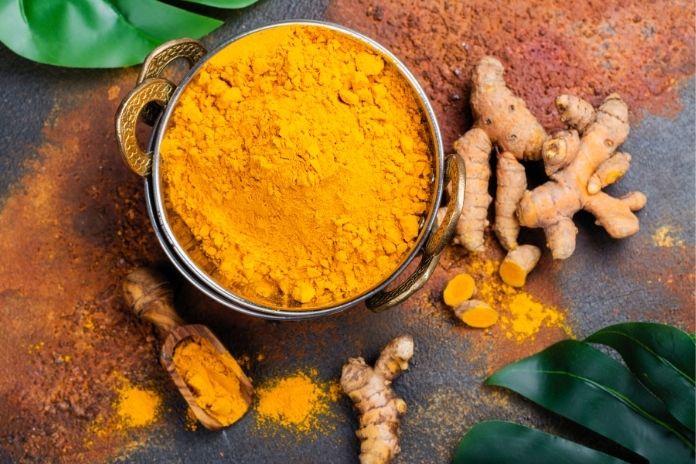
Turmeric’s worldwide popularity has unfortunately led to people being duped. Demand now so exceeds natural supply that unscrupulous manufacturers and fraudsters are looking to shave costs.
The result? Turmeric products are adulterated with poisonous dyes and artificial curcumin.
Typical adulterants include:
- Metanil yellow, lead chromate, and Sudan dyes are a few of the prohibited chemicals added to boost color. They can lead to organ damage, neurological disorders, and even cancer.
- Petroleum-based synthetic curcumin does not have the same biological activity as curcumin from plants.
- Chalk, starch, or “spent turmeric” (from which curcumin has been removed).
These adulterants decrease the effectiveness and could be dangerous to one’s health. Lead chromate, for example, has been associated with the risk of disease and carcinogenicity.
Fortunately, it can be detected. Real turmeric:
- Sinks to the bottom of a container when stirred with water.
- Does not change color when adding hydrochloric acid (HCl) (a pink color indicates metanil yellow).
- Includes third-party testing certificates ensuring purity.
In supplements, look for carbon-14 testing, which certifies the curcumin comes from a plant. The FDA has issued several alerts about tampered turmeric imports, underscoring the importance of selecting validated, reputable brands.
Read More: 11 Skin Benefits Of Turmeric – Get The Natural Glow On
The Bioavailability Problem (and How to Solve It)
Even pure curcumin has one big problem: poor absorption. Less than 1% of ingested curcumin reaches the bloodstream because it is rapidly metabolized and excreted.
To promote absorption:
- Combine curcumin with black pepper (piperine). It can enhance bioavailability by as much as 2,000%.
- Take it with healthy fats like olive oil, coconut oil, or nuts because curcumin is fat-soluble.
- Use enhanced products like BCM-95, Meriva, Longvida, or phytosome/nanoparticle curcumin that significantly boost blood levels.
- Use whole turmeric for moderate absorption, as its natural oils and turmerones facilitate curcumin uptake.
The bottom line: absorption beats dose. For instance, a 500 mg high-absorption supplement may be a better option than a 2,000 mg poorly formulated supplement.
Also, remember that milligrams are a unit of weight measurement, not a concentration measurement. For example, a 500 mg capsule of raw turmeric powder is not equivalent to a 500 mg turmeric extract; extracts are concentrated and much easier for the body to absorb, as the difficult “breaking down” process is already complete.
When to Use Whole Turmeric Root Supplements
The whole turmeric root is best for overall wellness and preventive care. It provides a “whole food” solution in harmony with ancient Ayurvedic tradition, where whole plants, not isolated compounds, support the overall health of the body.
Select whole turmeric if:
- You’re cooking or making a golden milk or turmeric chai.
- You desire everyday inflammation management and immune system support.
- You prefer a milder, full-spectrum product that contains essential oils and turmerones.
- You desire gut health benefits, as its fiber and polysaccharides serve as prebiotics.
- You want long-term affordability and can take it regularly.
Recommended daily dose:
Generally, for overall wellness and prevention, 500 to 1,000 mg of turmeric extract (standardized to 95% curcuminoids) works well for most people, providing approximately 475 to 950 mg of curcumin daily.
Emphasizing the authenticity of products, Britney Sounart, a registered Herbalist and EFT practitioner, who is also a co-founder of Desert Sage Herbs, says, “I also look for turmeric products that are from herb companies and have been in the herbal industry for years.”
Many herbal brands use whole‑plant turmeric extracts containing lower curcuminoid levels, often around 50 mg, while retaining the rest of the plant’s natural compounds.
Research in animal models shows that whole turmeric can influence inflammatory and antioxidant gene expression differently than isolated curcumin, likely due to the combined effects of essential oils, turmerones, and other phytochemicals. This suggests that preserving all the plant’s constituents may promote absorption and biological activity, offering benefits that high-dose curcuminoid isolates alone may not provide.
According to the World Health Organization, the acceptable daily intake at 0 to 3 mg per kilogram of body weight. That means, for a 150-pound person, this equals roughly 0 to 200 mg of curcumin per day, though many studies safely use higher amounts.
Look for labels stating “whole root extract” or “full-spectrum turmeric,” preferably organic. Avoid highly refined varieties with minimal essential oils. This combination of substances increases both tolerance and efficacy.
What about using turmeric powder in food or drinks?
Culinary turmeric, whether added to foods, golden milk, or turmeric chai, also counts as a way of consuming the whole root. It’s a gentle, time-honored way to support everyday wellness.
However, compared to supplements, turmeric powder contains very low concentrations of curcuminoids, and its absorption is limited unless combined with fat and black pepper. It’s great for routine use, but it shouldn’t be considered a substitute for the potency or consistency of whole-root turmeric capsules when someone needs more targeted support.
Read More: Turmeric For Arthritis – Is It Effective?
When to Choose Curcumin Extract Supplements

If you’re dealing with arthritis, severe inflammation, or specific medical conditions, curcumin extract is the better option. It allows for appropriate dosing backed by thousands of clinical studies.
Curcumin is best when:
- You need targeted anti-inflammatory action (e.g., arthritis, metabolic syndrome, heart disease).
- You’re following a clinically supported regimen requiring standardized doses.
- You prefer measurable consistency in curcumin content.
Typical dose of curcumin ranges between 500–2,000 mg daily, standardized to 95% curcuminoids.
Always make sure the formula contains piperine or some other ingredient; otherwise, most of it will be unused.
For short-term therapeutic use, curcumin is supported by science. For long-term support, whole turmeric could be more sustainable and gut-friendly.
How to Identify Quality, Authentic Supplements: Your Label-Reading Guide
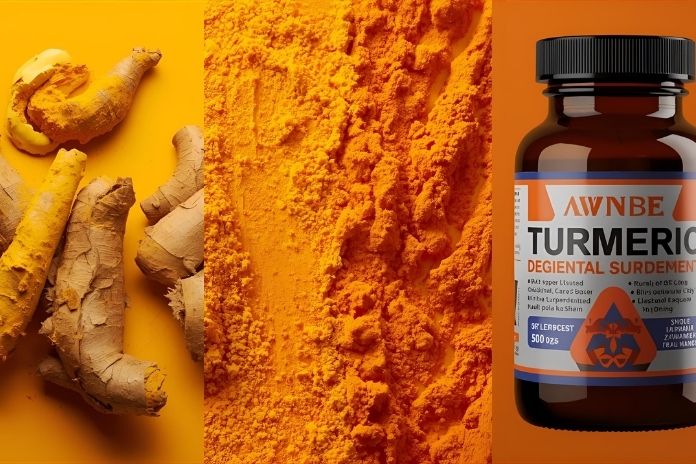
With adulteration and unscrupulous labeling so common, it’s important to read supplement labels smartly. Here’s how to identify authentic, effective products:
1. Certification and Testing:
- Look for USP Verified, NSF Certified, or ConsumerLab-tested symbols.
- Try to ensure third-party heavy metals and synthetic additive purity tests.
- If opting for curcumin, look for “95% curcuminoids” labels.
- For whole turmeric, look for “organic whole root” or “full spectrum.”
2. Absorption and Ingredients:
- Check for the presence of piperine (BioPerine) or a patented absorption booster.
- Genuine products will show details including curcumin percent and the extraction process (CO₂, water, or ethanol are safest).
- Avoid generic proprietary blends without ingredient specifications.
3. Authenticity Proof:
- Check for carbon-14 testing certification to ensure natural curcumin.
- Avoid very cheap supplements. This is because synthetic curcumin is one-third the cost of natural curcumin but is less effective.
- Look for “No synthetic curcumin” claims and check the country of origin.
4. Production and Expiry:
- Try to select GMP-registered manufacturers with transparent batch tracking.
- Make sure to check whether expiration dates and storage directions are visible.
- Stay away from any product with over-the-top “miracle cure” promotions.
- Splurge on quality, as it is an investment for your health. Doing this is worth the safety, potency, and peace of mind.
Dosing Strategies for Maximum Effectiveness
When it comes to dosing strategies, the timing and regularity can make or break results. For optimal results:
- Try to consume turmeric or curcumin with foods with fats such as avocado, olive oil, or nuts.
- Aim to divide your total dosage into morning and evening doses to maintain consistent blood levels.
- The results do not appear overnight, so be patient. Give it 8–12 weeks for visible anti-inflammatory effects.
- As much as possible, try to take it with food, as it might produce slight nausea on an empty stomach.
- Mix culinary turmeric with a pinch of black pepper to enhance absorption.
- Consistency, not amount, is the true secret to success.
Safety Precautions and Who Must Avoid These Supplements
Turmeric and curcumin are generally safe. For whole turmeric powder, doses up to about 8 grams daily are considered safe. For concentrated extracts standardized to 95% curcuminoids, much lower doses are recommended, as high amounts of isolated curcumin may cause side effects. Always follow the product instructions or consult a healthcare professional.
Avoid or see your doctor:
- If you’re suffering from gallstones or bile duct obstruction, turmeric can increase the flow of bile.
- If you are on blood thinners, diabetes medications, or chemotherapy agents.
- In case you are pregnant, lactating, or about to undergo surgery. It is advised to stop 2 weeks before.
Potential side effects are gastrointestinal discomfort or nausea, usually at high doses. The greatest risk, though, is from tainted supplements, not turmeric. Always use tested, proven brands and inform your healthcare provider of supplement use.
The Bottom Line: Which Should You Choose?
So, which one to choose between turmeric and curcumin? Here’s the easy summary:
- For overall everyday well-being and a healthy gut: select organic whole turmeric root or consume turmeric in food with black pepper.
- For arthritis, joint pain, or specific inflammation: opt for a whole-plant turmeric extract that lists its curcuminoid content. This ensures you get both the active curcuminoids and the natural oils, turmerones, and other plant constituents that may enhance effectiveness.
- For an overall strategy, take both dietary turmeric for prevention and curcumin for condition treatment.
Most importantly, quality over quantity. Use third-party tested, naturally derived supplements and steer clear of suspiciously low prices. Allow supplements 8–12 weeks to demonstrate gains, and purchase only from open, ethical companies.
Your best choice of turmeric is the one that aligns with your health goals and passes authenticity tests.
Read More: Did You Know About The Efficacy Of Turmeric For Brain Memory?
FAQs
1. Can you take turmeric and curcumin supplements together?
Yes. Most people take whole turmeric daily for general wellness and supplement with curcumin during flare-ups. Maintain total intake below 8 grams per day, be authentic, and look for absorption enhancers.
2. How can I tell if my turmeric supplement contains synthetic curcumin?
Look for carbon-14 testing certification and third-party validation (USP, NSF, ConsumerLab). Avoid dirt-cheap or unknown sources, even if it’s tempting to try. Additionally, try calling the company. Trustworthy herbal companies will know how to answer questions about the quality of their products.
3. What’s the difference between whole turmeric root powder and turmeric extract?
Whole turmeric root powder delivers the full range of natural compounds, such as oils, fiber, and polysaccharides. Turmeric extracts differ widely; some contain only concentrated curcuminoids, while others are whole‑plant extracts that preserve other beneficial components and indicate the curcuminoid amount on the label.
4. How much turmeric or curcumin should I take daily for inflammation?
500–1,000 mg of curcumin (95% standardized) or 1,000–2,000 mg whole turmeric extract per day for 8–12 weeks.
5. Are cheap turmeric supplements safe to take?
Typically not. They are often contaminated with toxic dyes or artificial curcumin. Opt for third-party tested, organic alternatives instead.
6. What’s better for gut health: whole turmeric or curcumin extract?
The whole turmeric root is healthier. This is because it promotes microbiome balance with natural fiber and polysaccharides.
7. How long does it take for turmeric or curcumin supplements to work?
You can expect effects in 4–8 weeks, optimal effects at 12 weeks with regular use.
8. Should I choose organic turmeric supplements?
Yes. Organic turmeric has stricter purity standards and has a lower risk of adulteration. It is worth the slightly higher cost.

References
- https://pmc.ncbi.nlm.nih.gov/articles/PMC8187459/
- https://pmc.ncbi.nlm.nih.gov/articles/PMC10061533/
- https://www.codeage.com/blogs/education/understanding-turmeric-standardized-to-95-curcumin
- https://pmc.ncbi.nlm.nih.gov/articles/PMC9881416/
- https://www.supplysidesj.com/labs-testing/reduce-botanical-adulteration-with-carbon-14-testing
- https://pmc.ncbi.nlm.nih.gov/articles/PMC5664031/
In this Article