















Having chronic sinus infections can be exhausting, psychologically and physically. Many adults describe it as one vicious circle: congestion, facial pressure, headaches, postnasal drip, and fatigue. The situation might then clear with antibiotics, only to return within weeks. After a while, it becomes difficult to determine whether you’re experiencing a new infection or simply not fully recovered from the last one.
We often consider chronic sinusitis as strictly an ENT problem. Although anatomy, inflammation, and allergy are causes, this is often modulated by the immune system in terms of how well an infection is cleared. In the case of malfunctioning immune defenses, the sinus infection persists, recurs, or does not adequately respond to standard treatments.
Understanding when to visit an immunologist for chronic sinus problems makes a difference. The evaluation by an immunologist for chronic sinusitis helps identify whether the immune system is leading to recurrent or resistant-to-treatment infections. A thorough examination helps us with the steps to treat this condition.
This article helps you understand when it’s time to look beyond allergies and ENT care, and how immune evaluation can provide answers when sinus infections keep coming back.
What Constitutes Chronic or Recurrent Sinus Issues?

Not every symptom of sinusitis might be chronic or recurrent from a medical perspective. Chronic sinusitis refers to the inflammation of sinuses lasting for 12 weeks or more despite appropriate medical treatment. Common symptoms include continued nasal congestion, facial pressure, thick nasal mucus, diminished sense of smell, and underlying fatigue without complete clearance.
Recurrent sinus infections are different in adults. They are repeated, distinct infections that improve temporarily and then return several times a year. Most experts deem it concerning if an adult has more than four sinus infections a year, especially if antibiotics are required each time.
This difference matters because repeated sinus infections can point to chronic sinusitis and, in some cases, an underlying immune issue. Allergies can make sinus symptoms worse, but allergy-related congestion usually improves with antihistamines, nasal sprays, or avoiding triggers. When sinus infections continue despite these steps, allergies alone are unlikely to be the full explanation.
“Chronic sinusitis is not just one thing. It’s a broad term that refers to persistent inflammation in the nose and sinuses, but there are many different causes that can lead to this condition,” says Dr. Chirag R Patel, an ENT specialist at Loyola Medicine.
Read More: 5 Symptoms of a Sinus Infection
Why Chronic Sinus Infections Can Signal an Immune System Problem
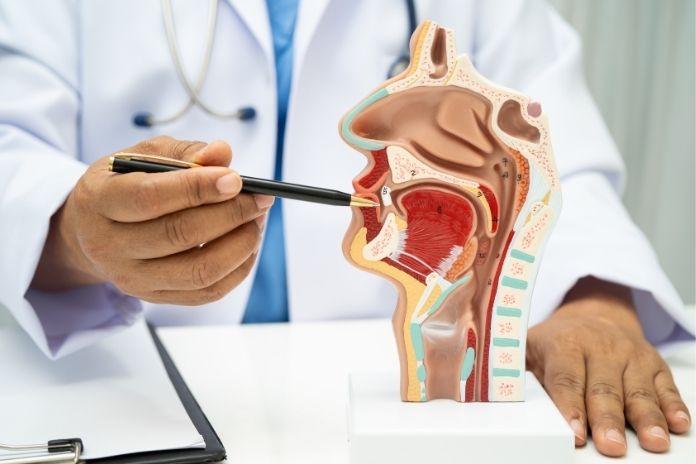
How an Efficient Immune System Fights Sinus Infections
The sinuses also depend on mucosal immunity, with a prominent role for antibodies. The major immunoglobulins IgA and IgG protect against adhesion and entry into the tissues of both bacteria and viruses. Sinuses are also continuously exposed to microorganisms that are always circulating within the air. This makes them particularly susceptible to weak immunity.
If the body is functioning properly, the infections will eventually resolve, the inflammation will settle, and the sinuses will heal.
What Happens When Immune Defenses Are Weakened
A weak immune system means infections will not completely resolve. This can result in antibodies not working effectively, symptoms returning soon after treatment is completed, or infections developing in other parts of the body, such as the ears and lungs.
Constant inflammation leads to damage over time in the lining of the sinuses, increasing the risk of future infections and future treatment difficulties.
This is why patients, despite having normal imaging studies and lab results, sometimes end up developing chronic sinusitis.
Signs You Should See an Immunologist for Chronic Sinus Issues

Certain conditions make it necessary to consult an immunologist. Here are a few of those sinusitis symptoms:
- Sinus infections occur a few times a year.
- Symptoms recur shortly after completing an antibiotic treatment.
- Little or no improvement with conventional ENT management.
- Frequent ear, bronchitis, or lung infections together with sinus problems.
- Pneumonia or an unusually severe infection in the past.
- Family history of immune system disorders or infections.
Ironically enough, such patterns usually indicate problems with the immune system as a result of frequent infections, even for someone who is generally healthy.
ENTs and immunologists each contribute in their own way to cases of chronic sinusitis. Their knowledge and expertise help treat patients in cases of sinusitis or immune-related disorders.
There are a few problems associated with sinuses. These include dealing with drainage passages, polyps, inflammation, and any unique anatomical problems preventing air and mucus from draining effectively. All these factors are what ENTs consider when evaluating sinus problems.
On the contrary, immunologists analyze the ability of the immune system from the very beginning to produce antibodies and immune memories, which effectively combat common invaders of the body. When it comes to some people’s sinus infections, both are essential. Simply correcting anatomical problems won’t help immunological problems, and vice versa.
Immunological Reasons for Sinus Infections
Immune conditions are often associated with chronic sinus infections. Several people who test for immunological reasons regarding sinus infections do not have a serious and unusual condition. However, certain immunological patterns occur more in adults who experience sinus infections.
Antibody deficiencies are the most common of these. Some of these deficiencies include, for instance, the selective IgA deficiency. This affects mucosal immunity and can lead to sinus and respiratory infections. The other immunodeficiency is the common variable immunodeficiency (CVID).
Secondary immune suppression due to medicines, autoimmune diseases, or chronic illness is another factor. Such cases are rare but must be ruled out when assessing recurrent sinus infections.
Read More: How to Treat Sinusitis Naturally: Easy Home Remedies That Work
What Tests an Immunologist May Order for Chronic Sinus Problems

Often, problems related to the immune system may easily be overlooked since current blood work does not effectively measure how well your immune system is working. Specialists are now able to effectively measure how well your immune system is working through specific testing.
Blood tests involve testing for immunoglobulin levels and their responses to the vaccines you have received. These blood tests take into account the vaccination dates. Additionally, the immunologist might go through your infection history.
What Treatment Looks Like If an Immune Issue Is Found
While treatment varies depending on the actual immune discovery, it is not always as straightforward as we expect it to be. However, the overall objective is to reduce the number of infections and their severity, rather than continually suppressing symptoms.
These could include specific treatments for bacteria, preventative treatments, or those that help boost the immune system. In some cases, immunoglobulin is recommended as a replacement. However, this is only in cases of specific deficiencies in the immune system.
When You Don’t Need an Immunologist for Sinus Problems

Not all sinus problems need an examination of one’s immunity. You do not need an immunologist’s help if these are seasonal or occasional issues.
Seasonal allergies that occur very rarely, occasional infections that resolve on their own without any issues, or a sinus problem that has a structural explanation will not necessarily need immunity check-ups.
Read More: Nasal Polyps in Children: A Complete Guide for Parents & Caregivers
What to Do Before a Visit for Immunology
Being prepared before the immunologist’s appointment can help in a better diagnosis. Recording infection patterns and observations with antibiotics and the availability of past imaging studies or ENT clinic records can help determine if the immune system is responsible for chronic sinus infection.
Bottom Line
Chronic or recurrent sinus infections may warrant a closer examination. For some adults, immune function analysis may identify an underlying condition, allowing treatment for years of suffering.
Visiting an immunologist doesn’t mean there is a significant cause to worry. However, it signifies that you’re seeking the whole truth. Immune status evaluation, when used effectively, can decrease infections and recurrent doses of antibiotics and prevent chronic sinus disease from gradually progressing.
References
- Immune Deficiency Foundation. (2020, November 13). Managing sinus issues. Immune Deficiency Foundation. Retrieved January 5, 2026
- Testing.com. (2021, November 9). Immunoglobulins (IgA, IgG, IgM blood test). Testing.com. Retrieved January 5, 2026
- Czerwaty, K., Piszczatowska, K., Brzost, J., Ludwig, N., Szczepański, M. J., & Dżaman, K. (2022). Immunological aspects of chronic rhinosinusitis. Diagnostics, 12(10), 2361.
- American College of Allergy, Asthma & Immunology. (2025, September 19). When should you see an immunologist? ACAAI. Retrieved January 5, 2026, from
- Sharma, G. K., Lofgren, D. H., Hohman, M. H., & Taliaferro, H. G. (2025). Recurrent acute rhinosinusitis. In StatPearls [Internet]. StatPearls Publishing.
- Rădeanu, D. G., Bronescu, V., Stan, C., Palade, O. D., & Maniu, A. A. (2025). Chronic rhinosinusitis: A multifaceted burden on patients and society—A systematic review. Surgeries, 6(3), 48.
In this Article