















Crying is perhaps the most human thing we do. Whether tears of joy, sadness, frustration, or relief, we all cry. And then, when the tears subside, we tend to feel better. Lighter. Calmer. But what’s going on in our brain when we cry? And why does it so often feel like an emotional reboot?
Science has a lot to say regarding crying—and surprise, surprise: shedding tears does a whole lot more than clean your eyes. From brain chemistry to hormonal changes, crying is an intense emotional release and stress relief mechanism.
In this article, we’ll delve into what happens to your brain when you cry, how it controls your emotions, and the numerous benefits of crying supported by neuroscience.

Read More: Why I Cry For No Reason? 6 Possible ‘Reasons’ Behind The Condition
The Science of Crying: More Than Just Tears

Not all tears are the same. There are three broad categories:
- Basal Tears: These continuously lubricate your eyes and prevent them from drying out.
- Reflex Tears:These are elicited in response to irritants such as smoke, onions, or dust.
- Emotional Tears:These are elicited by strong emotions—grief, joy, anger, relief—and are most intricate.
It’s the emotional tears that intrigue scientists. These tears contain hormones and proteins that are not present in the other forms, so they represent a special mode of communication and internal regulation.
Evolutionarily, crying was a non-verbal cue. Babies cry to receive assistance, and adults cry to gain empathy and social support. But aside from its social role, crying and brain chemistry are intricately connected in ways that facilitate emotional regulation.
Read More: Wellness Travel: Destinations That Prioritize Your Mind and Body
What Happens in Your Brain When You Cry
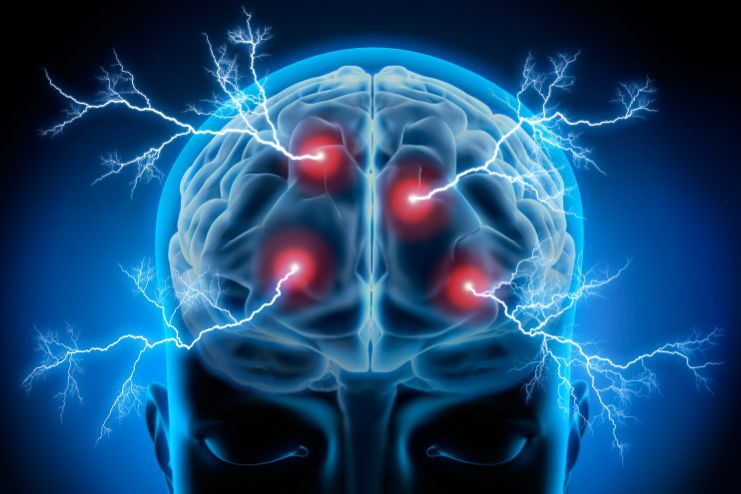
Crying is more than just shedding tears; it has a significant impact on your brain. When you cry, particularly due to emotion, several areas of the brain switch on—most prominently, the limbic system, which controls emotions and behavior. Here’s how it happens:
- Activation of the Limbic System:
The amygdala, the brain’s emotion center, picks up on distress or emotional overload. This activates the hypothalamus, which causes the body to react—hello, tears.
- The Parasympathetic Nervous System Kicks In:
When you cry, your parasympathetic nervous system (your “rest and digest” system) kicks in, balancing the stress response. You may find your heart slowing, breathing growing deeper, and muscles relaxing. This is your body moving out of alert into recovery.
- Release of Neurochemicals:
Emotional crying results in the release of potent brain chemicals:
- Oxytocin: Oxytocin is also called the “bonding hormone,” and it assists in developing feelings of attachment and security.
- Endorphins: These are your body’s own painkillers and mood elevators. Endorphins released by crying can create a feeling of relief or euphoria.
- Prolactin and ACTH: These hormones help to regulate stress and modulate the emotional response.
Together, this cascade of neurological effects diminishes the intensity of negative feelings and brings calm.
Read More: Mental Well-Being Unleashed: 12 Reasons to Prioritize Your Inner Harmony
Why Crying Feels So Good Afterward

Ever notice that you feel emotionally lighter after a good cry? It’s not just in your imagination—it’s a quantifiable physiological reaction.
- Emotional Reset: Crying regulates strong emotions and brings emotional balance back. After a tearful episode, individuals usually report feeling clear-headed and more level-headed—a product of the neurochemical change occurring internally.
- Physical Calm: When the parasympathetic nervous system takes control, your body relaxes. Blood pressure might fall, breathing is rhythmic, and muscle tension melts away. All this contributes to a general feeling of relaxation.
- Hormonal Changes: Oxytocin and endorphins release not only feels wonderful—but also decreases cortisol, the stress hormone. Hormonal shifts help explain the sense of relief and even drowsiness you may feel after a good cry.
- Psychological Relief: Teary crying can achieve closure or a symbolic release. Cathartic crying achieves the effect of enabling individuals to release pent-up emotions or to get through grief, sadness, or anxiety more efficiently.
Crying and Mental Health
 Crying plays an important role in emotional release, but its relationship to mental health is tricky.
When crying is healthy:
- You cry during emotional events, movies, or meaningful moments.
- You feel relief or clarity afterward.
- Crying is part of a natural emotional process, like grief or joy.
When crying might be a red flag:
- You cry frequently without a clear reason.
- Crying doesn’t provide relief and feels draining.
- It’s paired with feelings of hopelessness or worthlessness.
In these situations, excessive crying can be linked to underlying conditions like depression, chronic stress, burnout, or anxiety disorders. For instance, individuals with major depressive disorder can have neurological consequences of crying that mirror dysregulated emotional processing, like steady crying without the paired calming aftereffects.
As strange as it seems, crying in therapy is often a positive sign. It indicates tapping into deep emotional work and beginning to work through it. Therapists usually think of it as a breakthrough—evidence that you’re being sincere.
Benefits of Crying: Backed by Research

Contemporary neuroscience is finally catching up with what most of us already intuitively know: crying is healthy. The following are some research-based advantages of crying:
- Mood Stabilization: Crying, particularly emotional crying, has the effect of rebalancing the nervous system, stabilizing mood, and down-regulating emotional intensity.
- Pain Relief: Due to the release of endorphins, crying reduces both physical and emotional pain.
- Improved Sleep: Post-cry fatigue is real, and usually helpful. A healthy cry can relax emotional tension and help you sleep better.
- Strengthening Relationships: Crying in front of a loved one can build stronger emotional ties. It builds vulnerability, empathy, and attachment—particularly if it’s greeted with kindness.
- Reducing Emotional Numbness: When burnout or emotional repression sets in, crying can shatter the wall of numbness and bring back sensitivity to internal emotions.
When Crying Becomes Concerning

Although crying is a normal venting mechanism, it can also be a sign of underlying emotional disturbance, particularly if it’s chronic or interfering.
Red flags are:
- Crying frequently (more than once a week) without an apparent reason
- Crying for no discernible reason in response to minimal stressors
- Crying that disrupts work, relationships, or daily activities
Excessive crying may be a sign of:
- Depression or anxiety
- Premenstrual syndrome (PMS) or PMDD
- Hormonal imbalances (such as thyroid disorders)
- Unresolved trauma or chronic stress
In such situations, it’s best to refer to a mental health expert. Therapy would assist in unraveling the emotional burden and learning effective coping mechanisms.
Read More: Rewilding for Mental Health: Why Spending Time in Nature Heals the Mind
Healthy Ways to Let Emotions Out (If You’re Not a Crier)

Some individuals hardly ever cry—and that’s fine. There are many other effective methods of experiencing emotional release and regulation:
- Journaling: Putting your thoughts into writing serves to make sense of emotions and shed mental baggage.
- Expressive Art: Painting, drawing, or music may express feelings in creative, wordless forms.
- Movement: Dancing, yoga, or mindful walking can work through emotions in the body.
- Talking: Venting with a close friend, coach, or therapist may be as useful as tears.
- Mind-Body Practices: Activities such as deep breathing, grounding, or progressive muscle relaxation facilitate emotional regulation and nervous system balance.
The most important thing is to respect your emotional experience in whatever way comes naturally to you. Crying is one option—but not the only one.
Final Thoughts

You must remember, crying isn’t weakness—it’s a neurological release. Your body is wired to use tears as a means of processing intense emotion, managing stress, and returning you to balance. From a science of tears perspective, crying is as much about healing as it is about feeling.
So the next time the tears fall, don’t try to suppress them. Let them flow. Trust your body’s emotional intelligence—and realize that this soggy, sloppy, and very human action could be one of the most healing powers of your brain.
References
- https://pacesconnection.crowdstack.io/blog/how-to-release-emotions-stuck-in-your-body
- https://psychcentral.com/health/i-cant-stop-crying
- https://pubmed.ncbi.nlm.nih.gov/12003451/
- https://pubmed.ncbi.nlm.nih.gov/12003451/
- https://www.talktoangel.com/blog/benefits-of-crying
- https://pmc.ncbi.nlm.nih.gov/articles/PMC6201288/
- https://www.aao.org/eye-health/tips-prevention/facts-about-tears
In this Article